
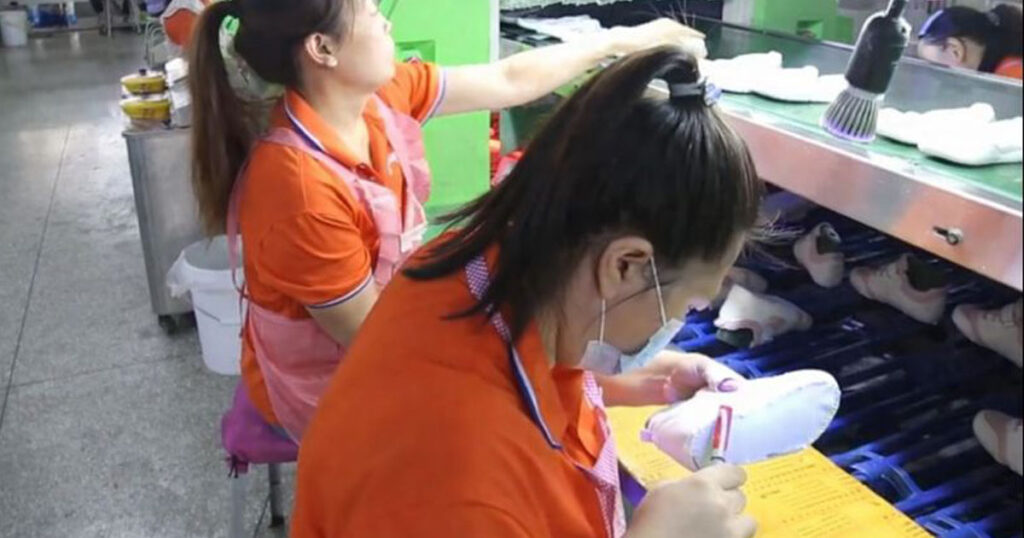
중국산 Private Label 신발 제조업체를 찾는 구매자들은 아직 공장을 선택한 것이 아닙니다. 그들은 소싱 경로를 선택하고 있는 것입니다.
동일한 주문도 세 가지 경로로 가능합니다: 신발 공장에 직접 발주하거나, 무역회사나 소싱 에이전트를 통해, 또는 B2B 플랫폼 등록업체를 통하는 방식입니다. 각 경로별로 규격서 관리 주체, 사이즈 런 오류 시 책임 소재, 그리고 첫 샘플 제작 기간이 달라집니다. 경로를 비교하기 전에 공장만 비교하는 구매자들은 대체로 서로 다른 전제를 바탕으로 만들어진 견적을 비교하게 되어 최종적으로 낭패를 보게 됩니다.
Private Label 프로그램에서 실용적인 결정은 다음과 같습니다. 규정서 완성도와 생산 세부 사항 처리 용납범위에 맞는 소싱 경로를 먼저 선택하고, 그 경로 안에서 공급업체를 비교하십시오.
2006년 중국 푸젠성에서 설립된 Keytop Footwear는 라이프스타일 신발을 유럽, 북미, 호주와 뉴질랜드, 중동 및 남미에 공급합니다. 상업적 기준은 캐주얼 스니커즈, 캐주얼 신발, 부츠 및 아웃도어 신발의 경우 스타일별, 색상별, 사이즈별 MOQ 1,000켤레이며, 샌들, 슬리퍼 및 슬라이드는 같은 기준으로 1,500켤레입니다. 최소 수량을 충족하기 위해 스타일, 색상 및 사이즈를 섞을 수 없습니다. 샘플은 샘플 요구사항과 사용 가능한 사양이 확정된 후 7–15일, 양산은 사양, 샘플 승인, 자재 전제, 포장 및 생산 슬롯이 확정된 후 35–45일입니다. 품질 검사는 자재 입고, 공정 중 검사 및 출하 전 최종 검사에서 이루어집니다. 이 수치는 아래 공장 직접 거래 경로와 이 가이드의 기준을 설명합니다.
이 가이드는 프라이빗 라벨 신발을 발주하려는 브랜드 소유자, 소매업체 및 소싱 팀을 위한 것입니다. 각 경로가 통제권과 시간 측면에서 어떤 부담을 갖는지 설명합니다.
신속한 결론: 세 가지 경로, 구매자를 위한 세 가지 다른 직무
절대적으로 더 나은 경로는 없습니다. 올바른 선택은 귀하의 규정서 완성도와 생산 세부 사항을 관리할 의지에 따라 달라집니다.
| 소싱 경로 | 규격서의 소유주 | 가장 적합한 대상 | 구매자가 직접 처리해야 할 사항 |
|---|---|---|---|
| 공장 직판 (Factory Direct) | 구매자 (공장 측의 실행 가능성 피드백 포함) | 리피트 프로그램, 정의된 Tech Pack, 단일 책임 당사자를 원하는 구매자 | 사양서 작성, 샘플 승인, 원자재 및 포장 세부사항 확정 |
| 무역상 또는 소싱 에이전트 | 구매자 요구사항을 공장 지시사항으로 번역하는 에이전트 | 초보 수입업자, 한 배에 여러 제품군 혼송 구매자, 소싱 팀이 없는 기업 | 실제 제조 공장을 확인하고 에이전트 마진이 어느 부분을 포괄하는지 검증 |
| B2B 플랫폼 리스팅 | 리스팅을 넘어서야만 명확해지는 부분 | 초기 시장 탐색, 가격 벤치마킹, 후보 업체 탐색 | 거래 상대방이 공장인지, 에이전트인지, 재판매업체인지 여부 확인 |
가장 흔한 소싱 실수는 잘못된 경로를 선택하는 것이 아닙니다. 공장 직판 견적, 에이전트 견적, 플랫폼 리스팅 가격을 비교해 세 숫자를 동일한 기준으로 해석하는 것입니다.
“프라이빗 라벨’에는 실제로 어떤 사항이 포함되는가
프라이빗 라벨의 의미는 사양서의 세세함 수준에 따라 다르며, 이 수준은 예상 일정과 적합한 경로에 직접적인 영향을 미칩니다.
Keytop은 프라이빗 라벨 브랜딩, 로고 커스터마이징, 인솔 브랜딩, 아웃솔 브랜딩, 박스 및 카톤 브랜딩, 원단 및 컬러웨이 커스터마이징, 실루엣 및 포장 개발을 지원합니다. 이 항목들을 메뉴가 아니라 사다리처럼 이해하시기 바랍니다.
| 사양서 깊이 | 변경되는 사항 | 구매자가 제공해야 하는 사항 | 경로별 영향 |
|---|---|---|---|
| 브랜딩만 | 인솔, 아웃솔, 박스 또는 카톤에 로고 적용 | 로고 파일, 배치 방향, 패키지 디자인 자료 | 모든 경로를 활용할 수 있음 |
| 재질 및 컬러 구성 | 기존 실루엣을 활용한 갑피 재질, 컬러 구성 및 트림 | 색상 참조 자료, 재질 지시, 사이즈 범위 | 공장 직접 거래 또는 신발 분야에 충분한 전문성을 갖춘 에이전트 |
| 실루엣 및 패키지 개발 | 신규 형태 방향성, 패키지 구조 | 디자인 방향성, 기술 문서 또는 공식 승인 자재 | Confirm which party can return feasibility feedback from the actual manufacturer during development |
모든 경로와 전문성 수준에 적용되는 제약 조건 하나: 구매자가 독창적인 디자인 방향성, 공식 승인 자료 또는 기술 문서를 제공한 경우에 한해 맞춤화 과정이 진행됩니다. 다른 브랜드 제품의 사진 참조는 사양으로 인정되지 않으며, 보호받는 브랜드를 모방하는 것은 정당한 공장이라면 받아들일 수 없는 서비스입니다.
경로 1: 공장 직접 거래
For a factory-direct route, verify that the quoting legal entity is connected to the proposed production site and identify any subcontracted stages before approval. The advantage is that feasibility answers come back from the people who have to execute them.
실제 사례 (Keytop 기본 조건 기준)
- 최소 주문 수량(MOQ). 캐주얼 스니커즈, 캐주얼 신발, 부츠 및 아웃도어 신발은 스타일별, 색상별, 사이즈별 1,000켤레, 샌들, 슬리퍼 및 슬라이드는 같은 기준으로 1,500켤레입니다. 최소 수량을 충족하기 위해 스타일, 색상 및 사이즈를 섞을 수 없으므로, 색상이나 사이즈를 추가할 때마다 해당 항목의 최소 수량이 적용됩니다.
- 샘플 소요 기간. 샘플 요구사항과 사용 가능한 사양이 확정된 후 7~15일. 이때 시작 시점이 매우 중요합니다. 불완전한 발주서로는 샘플 제작이 늦어지는 것이 아니라, 아예 샘플 제작 시작일이 잡히지 않습니다.
- 대량 생산 소요 기간. 사양 확정, 샘플 승인, 자재 준비, 포장 및 생산 스케줄 조율 등 다섯 가지 조건이 모두 확정된 후 35~45일. 단일 조건이 아닌 총 다섯 가지 조건이 필요합니다.
- 품질 관리(QC). 자재 입고 검사, 공정 중 검사 및 출하 전 최종 검사.
현실적인 트레이드오프가 존재합니다: 공장 직판은 사양 결정 업무를 구매자가 직접 수행해야 합니다. 원하는 갑피 재질이 무엇인지, 필요한 사이즈 구성은 무엇인지, 포장 사양은 어떠한지 명확히 지정하지 못하면 공장은 자신의 가정만으로 견적을 제시할 뿐입니다.
이 경로에서는 제품군의 범위를 조기에 확인해야 합니다. Keytop은 다음과 같은 라이프스타일 신발에 중점을 둡니다: 스포츠슈, 하이킹슈, 캐주얼 스니커즈, 캐주얼슈, 부츠, 야외 신발, 샌들 및 슬리퍼 및 슬라이드. 기술적 성능이 요구되는 퍼포먼스 슈, 인증 안전화를 비롯해 의료용 신발에는 해당되지 않습니다. 실제 포지셔닝 밖의 제품군으로 공장 견적을 요구하는 것은 구매자가 낮은 금액과 잘못된 제품을 얻는 결과를 낳습니다.
루트 2: 무역 회사 또는 소싱 에이전트
에이전트는 조율 업무를 흡수합니다. 첫 수입, 한 배송장에 다양한 카테고리를 혼합하는 경우, 혹은 소싱 전담 인력이 없는 구매자에게 에이전트는 순수 마진이 아닌 실질적인 가치를 제공합니다. 운영하는 소매 프로그램 또는 이커머스 브랜드 는 흔히 이 경로에서 시작하고, 사양이 안정된 후 공장 직접 거래로 전환합니다.
이 경로로 진행하기 전에 확인해야 할 질문은 다음과 같습니다.
- 실제 생산을 담당할 공장은 어디이며, 방문이나 실사 검토가 가능한가요?
- 에이전트 마진이 검증을 포함하나요, 아니면 별도 비용으로 청구되나요?
- 별도의 금형이나 몰드를 개발할 경우 그 권리는 누구에게 있나요?
- 대량 불량 사태 발생 시, 공장과의 상업적 협상을 통해 해결할 수 있는 주체는 누구인가요?
이 경로에서 발생하는 실패 원인은 부정직이 아니라 거리입니다. 모든 사양 세부 사항은 번역 층을 거치며, 손실되는 세부 사항은 구매자가 당연하다고 여겼던 것들인 경우가 대부분입니다.
경로 3: B2B 플랫폼 입점
플랫폼은 시장을 살펴보고 후보 목록을 만드는 데 유용합니다. 그러나 프라이빗 라벨 프로젝트를 확정하는 근거로는 상대적으로 약합니다. 등록 정보만으로는 거래 상대방의 실제 역할을 파악하기 어렵기 때문입니다.
플랫폼의 연락 상대를 제조업체로 간주하기 전에 세 가지를 확인하십시오. 자체 생산을 운영하는지, 등록된 품목이 아니라 실제로 생산하는 품목은 무엇인지, 구매자의 색상과 사이즈 구성에 MOQ가 어떻게 적용되는지입니다. 매우 낮은 MOQ는 프라이빗 라벨 프로그램이 아니라 재고 상품에 로고를 추가하는 경우일 수 있습니다. 문서화된 제품군을 요청하고 제조업체가 공개한 범위와 비교하십시오. 예를 들어 Keytop이 공개하는 다음 자료를 확인할 수 있습니다: 신발 제품 범위.
모든 경로에 적용되는 검증 사항
어떤 경로를 선택하든 검증 질문은 동일합니다. 위험은 영업 대화보다 생산 공정에 자리 잡고 있기 때문입니다.
| 검증 | 확인이 필요한 사항 | 중요한 이유 |
|---|---|---|
| 생산현황 | 카테고리별 생산 능력, 공장 위치, 운영 년수 | 제조업체와 도소매상을 구분합니다 |
| 품질 시스템 | 생산 전 과정에서 검사가 이루어지는 시점 | 최종 검사만으로는 결함이 발견되었을 때 이미 수리에 너무 늦은 때가 됩니다 |
| 규정 준수 문서 | 귀하의 시장에 공급 가능한 문서 | 특히 EU 수출 시 제한 물질 문서가 필수적으로 필요합니다 |
| 일정 조건 | 기산일 전에 반드시 확인해야 할 사항 | 시작 조건 없이 언급된 납기일은 아무런 의미가 없습니다 |
규정 준수와 관련하여 각 문서의 성격을 정확히 파악하는 것이 중요합니다. Keytop은 품질 경영 시스템으로 ISO 9001 인증을 보유하고 있으며, amfori BSCI 사회적 책임 감사를 완료했습니다. BSCI는 제품 인증이 아닌 현장 중심의 사회적 책임 감사이므로, 제품 인증으로 오해해서는 안 됩니다. GRS는 재생 소재를 사용한 스타일에만 적용되며 기존 스타일에는 확장할 수 없습니다. REACH는 상이나 훈장이 아닌 EU 규정이므로, 올바른 질문은 공급업체가 제한 물질 요구사항을 충족하고 귀사의 시장에 필요한 관련 문서를 제공할 수 있는 지 여부여야 합니다.
이러한 구분을 모든 공급업체 대화에 반드시 가져가야 합니다. 규정을 인증서로 설명하는 공급업체는 규정 준수 처리 방식에 대해 무엇을 말하고 있는지 알아차려야 합니다.
타임라인: 숫자가 가정하는 사항
샘플 및 대량 생산 일정은 모두 조건부이며, 구매자는 느린 공장보다 조건 불이행으로 더 많은 주를 잃습니다.
| 단계 | 기간 | 시계 시작 시기 |
|---|---|---|
| 샘플 | 7~15일 | 샘플 요구사항과 사용 가능한 사양이 확정됨 |
| 양산 | 35~45일 | 규격, 샘플 승인, 자재 사양, 포장 및 생산 스케줄이 모두 확정되었습니다. |
오른쪽 열부터 읽으십시오. 완전한 브리프를 보내고 한 차례에 샘플을 승인하는 구매자는 위의 기간 범위를 기준으로 계획할 수 있습니다. 샘플 승인 후 자재를 변경하면 일부 단계가 다시 시작되며, 이 변경은 기존 일정에 드러나지 않는 경우가 많습니다.
자주 묻는 질문
중국의 프라이빗 라벨 신발에 적용되는 현실적인 MOQ는 얼마인가요?
Keytop의 MOQ는 캐주얼 스니커즈, 캐주얼 신발, 부츠 및 아웃도어 신발의 경우 스타일별, 색상별, 사이즈별 1,000켤레이며, 샌들, 슬리퍼 및 슬라이드는 같은 기준으로 1,500켤레입니다. 최소 수량을 충족하기 위해 스타일, 색상 및 사이즈를 섞을 수 없습니다. 어떤 변수에 적용되는지 확인하기 전까지 제시된 MOQ는 불완전한 것으로 취급하십시오.
프라이빗 라벨 신발 주문은 처음부터 끝까지 얼마나 걸리나요?
요구사항과 사용 가능한 규격이 확정된 후 샘플 제작에는 7~15일이 소요되며, 사양, 샘플 승인, 자재 사양, 포장, 생산 스케줄이 확정된 이후 대량 생산에는 35~45일이 소요됩니다. 여기에 고객님의 결정 및 배송 시간을 더해야 합니다.
공장 직영이 항상 에이전트 이용보다 저렴할까요?
반드시 그런 것은 아니며, 가격이 첫 번째로 물을 올바른 질문이 아닙니다. 공장 직영은 중개 마진을 제거하지만 규격 정의 업무를 추가로 요구합니다. 해당 업무를 제대로 처리하지 않으면 절감액은 수정 작업을 통해 사라집니다.
공장이 제 프라이빗 라벨을 위해 기존 브랜드의 신발을 복제할 수 있나요?
아닙니다. 프라이빗 라벨 작업에는 구매자의 독창적인 디자인 방향, 사용 권한이 있는 자료 또는 Tech Pack이 필요합니다. 보호받는 브랜드의 복제는 적법한 제조업체가 받아들일 서비스가 아닙니다.
경로 선택하기
사양이 명확하게 정의되어 있고 단일 책임 주체를 원한다면 공장 직영이 적합합니다. 카테고리 간 조정이 필요하거나 처음 수입하는 경우 에이전트가 제값을 합니다. 아직 시장을 탐색 중이라면 플랫폼은 최종 결정이기보다 출발점이 됩니다.
공장 직영 경로를 현재 견적과 비교하고자 한다면 Keytop 프라이빗 라벨 프로그램 페이지 는 프로그램의 구조를 설명하며, OEM 및 ODM 개발 페이지 프로젝트가 브랜딩 단계에서 실루엣 개발 단계로 넘어갈 때 달라지는 사항을 다룹니다. 카테고리, 원단 방향성, 사이즈 범위, 컬러웨이 수량, 포장재, 대상 시장 등 정의된 브리프를 제출하는 구매자는 공장 측의 추측이 아닌 명시된 전제조건에 기반한 견적을 받게 됩니다.