
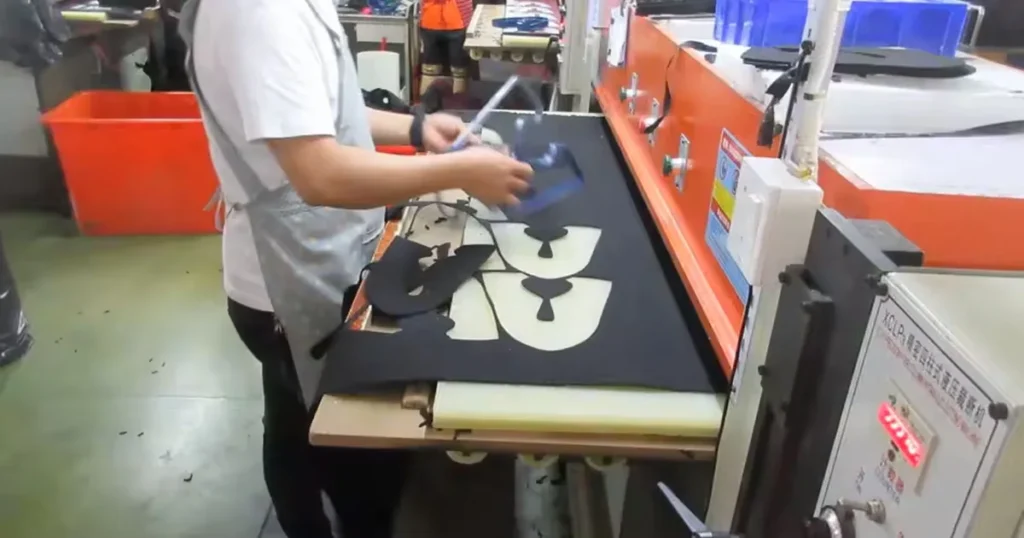
Casual shoe uppers outsoles OEM (original equipment manufacturer) matching needs a written specification before the buyer can decide whether Casual Shoe Uppers Outsoles OEM Matching fits the use case, specs, MOQ, sample approval path, and supplier quote process; otherwise suppliers may quote different product and approval assumptions.
This guide maps casual shoe uppers outsoles OEM matching specifications and evidence to comparable sample requests and RFQ (request for quotation) fields.
Direct answer: Use casual shoe uppers outsoles OEM matching only after its specification, application fit, sample route, quantity rule, and supplier exceptions have been confirmed in writing.
Which casual shoe uppers outsoles oem matching category fits the buyer's channel
| Option | Best fit | Trade-off | Risk to avoid | Verification | Follow-up |
|---|---|---|---|---|---|
| Current specification | Buyer with confirmed last shape, upper material, and outsole construction from prior production | Narrower supplier pool; factory must have matching last and sole mold on hand | Supplier may quote based on outdated spec sheet, leading to mismatched fit or sole detachment | Request factory's last shape drawing and outsole mold number; cross-check against your spec sheet | Send current spec sheet to shortlisted factories; ask for fit sample within supplier-confirmed timing |
| Alternative specification | Buyer comparing a proposed upper material or outsole compound against the same intended use and quantity basis | May shift cost drivers (e.g., rubber vs. EVA (ethylene-vinyl acetate) outsole) and require new sample approval | Alternative material may not match channel durability expectations; returns increase | Compare alternative outsole abrasion data and upper tear strength against your minimum requirements | Request two alternative spec proposals per factory; evaluate cost and MOQ impact before sample |
| Custom option | Buyer needing unique last shape, color, or branding for own retail or DTC channel | Confirm the actual custom-tooling, sampling and unit-quote dependencies; KEYTOP casual shoes require 1,000 pairs per style, color and size, with no mixing | Custom mold and last investment lost if channel demand drops before reorder | Confirm factory has 3D last modeling capability and can produce sole mold within supplier-confirmed timing | Provide detailed custom spec package; request mold cost amortization schedule per 1,000 pairs |
| Safer fallback | Buyer sourcing first casual shoe order with no prior OEM matching experience | Limited to factory's existing last and sole combinations; fewer style options | Fallback spec may not match channel price point or brand image; test sell-through first | Request identified reference constructions and their actual inspection scope; do not treat a fixed count or prior pass as approval for this order | Agree the sample scope and relevant evaluation method, conditions and acceptance criteria; keep uncovered requirements open before bulk commitment |
For the quoted upper and outsole, record the actual last reference, upper-pattern revision, sole-mold reference and attachment route. Keep missing geometry or applicable adhesion evidence open; a category label does not establish that the proposed components match.
Compare the supplier record with the ISO 2859-1 sampling inspection standard before accepting the requirement.
What casual shoe uppers outsoles oem matching specs buyers should confirm before sampling
The buyer needs to decide which specifications must be confirmed before comparing Casual Shoe Uppers Outsoles OEM Matching suppliers or quotes: what to confirm, what supplier proof to request, and which RFQ, sample, or approval step comes next.
| Requirement | Factory control | Evidence to verify | Order risk | RFQ follow-up |
|---|---|---|---|---|
| Sample approval | Factory holds a sealed reference sample for visual and dimensional match. | Compare production sample against sealed reference under buyer-approved viewing conditions. | Unapproved samples may cause last or assembly mismatch at bulk stage. | Request a sealed reference sample and written approval report. |
| MOQ and order quantity | Factory confirms minimum per style, colorway, and size run before tooling. | Review written MOQ breakdown by style and color in the quotation. | Under-ordering triggers re-tooling cost or delayed production slot. | Confirm per-style MOQ and negotiate volume breaks in the RFQ. |
| Material / substrate | Factory sources upper and outsole substrate from approved supplier list. | Request material data sheet and in-house substrate test report. | Substrate substitution may alter adhesion, flex, or color fastness. | Approve substrate specification and request a bonded sample. |
| Width or size tolerance | Factory uses a graded last with documented width and length tolerance. | Measure sample against size-graded last chart and fit test. | Off-tolerance width causes returns or fit complaints in the market. | Approve width tolerance range and request a full-size run sample. |
| Finish or color control | Factory holds a master color standard and applies a spectrophotometer check. | Compare production finish against master standard under buyer-approved viewing conditions. | Uncontrolled finish leads to shade bands or gloss mismatch across pairs. | Approve master color standard and request a finish sample. |
Before sampling, the buyer must confirm that the upper and outsole are designed for the same last shape and sole attachment method. A mismatch at this stage will delay the entire program and may require new tooling. The approval consequence is a rejected sample that cannot be used for production. The next buyer action is to provide a written specification sheet listing the last shape, sole construction, and material substrate before the factory begins sample handoff.
The buyer should also verify that the factory's quality control process includes a sealed reference sample and a spectrophotometer check for finish and color. Without these controls, the risk of shade bands or fit complaints increases. The approval risk is that the sample may not match the production standard. The next buyer action is to request a full-size run sample and a written approval report. For OEM and ODM (original design manufacturer) footwear manufacturing, confirm all commercial numbers in the written RFQ before sampling begins.
Questions to confirm before ordering:
- Does the supplier provide a written specification sheet that lists the last shape, outsole construction, and upper material for the casual shoe? Without a written spec, the sample may not match the intended last and sole attachment method, causing fit and durability issues. The supplier shares a spec sheet that includes last number, outsole type, and upper material with tolerances. Mismatched last and outsole can lead to sole separation or poor fit, requiring costly re-sampling. Request the spec sheet before sample production and verify it against your design brief.
- Has the supplier confirmed the outsole hardness and glue bonding method for the casual shoe upper and outsole match? Outsole hardness affects traction and comfort, while glue bonding determines long-term adhesion; both are critical for OEM and ODM footwear manufacturing. The supplier provides a hardness range (e.g., Shore A) and the adhesive type used, with past test results. Incorrect hardness or weak bonding can cause premature wear or sole detachment, leading to returns. Ask for a glue bond test report and outsole hardness data before approving the sample.
- Does the supplier have experience producing casual shoes with the same upper material and outsole type as your design? Supplier capability with specific materials (e.g., canvas, leather, rubber) and outsole types (e.g., cup sole, cement) affects quality and lead time. The supplier shares past production records or references for similar casual shoe styles. Inexperience with the material can cause defects like delamination or poor stitching, delaying delivery. Request a capability statement or sample photos of similar past projects to confirm fit.
- What is the supplier's process for verifying the last shape and sole attachment method before bulk production? Last shape and sole attachment method (e.g., cement, stitch-down) must be checked against the intended fit, construction and applicable sample evidence; alignment alone does not establish consistent bulk performance. The supplier conducts a fit test on a sample last and documents the attachment method with a written approval gate. Skipping this verification can result in a full batch with poor fit or sole failure, requiring rework. Schedule a sample approval gate that includes last and sole attachment verification before bulk run.
- Does the supplier have a quality control checkpoint for upper and outsole bonding during production? Bonding strength is a common failure point in casual shoes; a documented QC checkpoint helps assess the agreed requirement. Visual inspection is a preliminary defect screen. Where measured bond strength is required, the supplier must provide an applicable adhesion test result for the identified assembled construction, method and agreed criterion; visual inspection cannot substitute for that result. Without a checkpoint, weak bonding may go undetected until after shipment, causing returns and lost trust. Ask for the QC plan and a sample bond test result before approving the production order.
Compare the supplier record with the agreed material and assembly specification before accepting the requirement.
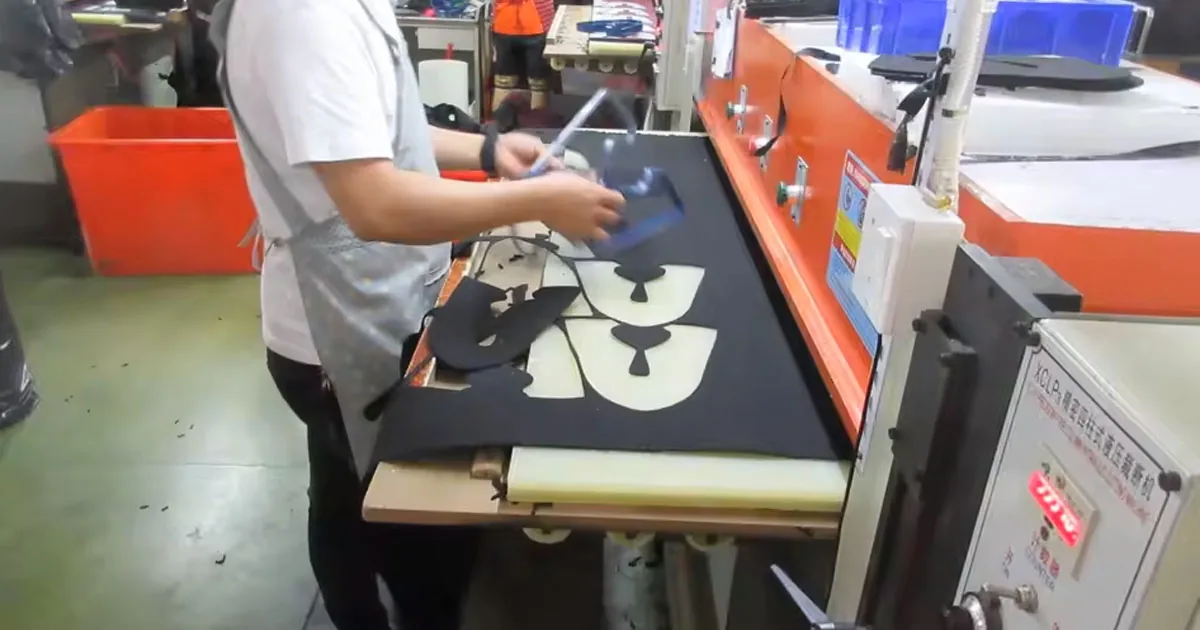
Which casual shoe uppers outsoles oem matching category fits the sales channel
Matching uppers and outsoles by sales channel requires a confirmed specification sheet before production.
Use this checklist to align the OEM category with your channel:
- Specs: Confirm upper material (e.g., canvas, leather, knit) and outsole compound (e.g., rubber, EVA, TPU (thermoplastic polyurethane)) with a signed quote request that includes hardness and abrasion test thresholds.
- Cost or MOQ: Ask the supplier for a per-pair cost breakdown at your target order quantity, and request a written MOQ for each material combination.
- Production risk: Verify that the supplier has a documented process for bonding uppers to outsoles, including a peel test record from a prior order.
- Factory execution: Request a sample handoff timeline that includes a pre-production sample approval step before bulk cutting.
- quote request/sample handoff: Send a buyer verification question: “Can you provide a bonded sample from the same material lot as the quote request?”
A sales channel does not by itself select knit, leather, EVA, rubber or TPU. Compare the buyer’s intended use, actual construction, target cost and applicable evidence before choosing a material pair. Use the table as a blank channel-requirement record rather than an automatic material recommendation.
| Sales channel | Buyer requirement to record | Evidence to request |
|---|---|---|
| E-commerce | Approved product claim and actual fulfillment/return constraints | Identified material and assembled sample; relevant method and result for the claimed property |
| Retail store | Intended use, fit and presentation requirements | Approved physical sample, construction reference and applicable evaluation record |
| Wholesale | Agreed product specification and receiving/packing requirements | Identified sample, component references and recorded approval scope |
After selecting a category, proceed to the sample handoff phase with the quote request-confirmed requirements. For more on casual sneaker options, see our casual sneakers products.
How seasonality shapes the casual shoe uppers outsoles oem matching order plan
Specify the intended environment and use before selecting the upper, outsole compound and assembly route. Record the actual material references, relevant hardness scale and measurement conditions, and applicable adhesion, flex or traction evidence with the identified sample. A season name does not establish an acceptance threshold; have the buyer and technical reviewer agree the criteria for the chosen construction.
Production window and reorder cycle
To avoid mismatched inventory, use this checklist to plan your order:
- Confirm upper and outsole material compatibility for the target season (e.g., EVA outsole with knit upper for spring).
- Set a production window that accounts for outsole mold lead time and upper cutting time.
- Define reorder cycle based on sales velocity, with separate cycles for core styles and seasonal variants.
- Request a sample handoff that includes both upper and outsole bonded together for wear testing.
- Include a spec sheet with hardness, abrasion resistance (DIN), and flex crack data for both components.
Ask for identified upper–outsole combinations and applicable adhesion or flex evidence for the intended environment. A season label does not select a material pair or establish a pass threshold. Agree the construction, relevant method, conditioning and acceptance criteria, then evaluate the actual pre-production sample.
For more on OEM matching, see private label footwear programs.
Which casual shoe uppers outsoles oem matching category assumptions cause rework
Changing the last, outsole geometry or attachment route may create fit or assembly incompatibility. An illustrative construction mismatch is a question to investigate, not proof that delamination is inevitable. Review the proposed geometry and process with the supplier, evaluate a fit sample, and obtain applicable assembly evidence before bulk commitment.
Last and sole
Confirm the actual last reference, upper pattern, outsole geometry and attachment route with the factory’s technical team. Request the relevant drawings and an identified assembled sample, then check fit, mating surfaces and required process controls. Do not assume that a process name universally requires a steel shank or that a last can be transferred to another attachment route without a feasibility review.
Construction assumption
Check the proposed upper construction against the actual sole tooling and factory assembly route. Have the technical reviewer identify mating geometry, material preparation, equipment and the properties that the assembled sample must demonstrate. The record below is a buyer checklist, not a universal compatibility matrix.
| Proposed upper construction | Assembly evidence to request | Open approval question |
|---|---|---|
| Strobel-stitched | Actual sole/tool geometry, material preparation and proposed attachment route | Does the identified assembled sample meet the agreed fit and bond criteria? |
| Board-lasted | Actual bottom geometry, lasting record and proposed attachment route | Are the mating surfaces and assembly process confirmed for this construction? |
| Slip-lasted | Actual upper/bottom geometry, materials and tooling trial record | Has the proposed attachment route been reviewed and demonstrated on the identified sample? |
Before sample handoff, provide a written specification sheet that lists the last number, upper construction, and outsole attachment method. This prevents the factory from assuming a default match and reduces rework in pilot runs.
Separate the evidence jobs: For measured sole adhesion, check construction applicability and specimens against SATRA TM411 sole-bond scope. For the assembled shoe under repeated flexing, review SATRA TM92 completed-footwear flexing scope; that assessment does not replace separate upper or soling-material flex-crack evidence. Agree the actual method, conditions and criteria with the technical reviewer and retain the identified sample’s result. No supplier result is established by citing a method.
In conclusion
The final approval of your casual shoe upper and outsole match depends on checking the last shape, sole attachment method, upper material, and factory process against your written specification sheet. Compare options by verifying that the supplier’s MOQ, sample lead time, and production schedule align with your program timeline, then validate the spec through a sample handoff that documents material, color, and construction details. Shortlist a supplier only after confirming that their quality checks cover outsole adhesion, upper durability, and dimensional consistency, and request a quote that includes the agreed last, outsole type, and material specifications.
To request a quote for casual shoe uppers, use casual shoes products to confirm the final specification, quote assumptions, sample approval, QC evidence, approval risk, and supplier follow-up before bulk order.
Casual shoe uppers outsoles oem matching FAQ
How should buyers match a shoe upper and outsole
Only if the upper and outsole are designed for the same last shape and sole attachment method. Shortlist suppliers who can provide a written specification sheet listing the last number, toe spring, and outsole construction type before you compare cost or minimum order. Verify that the upper pattern and outsole mold are engineered to match, then request a sample to confirm fit and adhesion before approving bulk production.
What is (in your opinion) the most durable casual shoe?
Evaluate durability for the actual intended use and approved construction. Identify the upper, outsole compound and assembly process, then request the applicable abrasion, flex or adhesion method, conditions, units and result for the sample being reviewed. A material name alone does not prove durability. Obtain the preparation and review dates for that evaluation separately from KEYTOP’s conditional sample policy.
What are some things you should consider when buying shoes?
Consider the last shape, outsole construction, upper material, and the factory’s ability to match them for your target market. Document the size run, colorway, and packaging requirements in the quote request to get accurate cost and minimum order. Verify that the supplier has experience with your chosen sole attachment method, and request a matching matrix that shows which uppers pair with which outsoles. Follow up with a sample order to validate fit and quality before committing to bulk production.
Which written requirements should the RFQ carry?
Attach the selected last, upper pattern, outsole and assembly references to the RFQ, together with the intended use and named sample approver. Ask which observed sample checks and applicable measured results cover the proposed combination, and which changed inputs would require another sample or quotation.
How do you choose your shoes?
Choose shoes by first defining the last shape and outsole type that fit your end-user’s foot volume and activity. Compare suppliers on their ability to provide a specification sheet with last number, toe spring, and sole construction details. Check that the upper material and outsole compound meet your durability and cost targets, and confirm the minimum order per style, color and size; KEYTOP does not allow mixing variants to reach the minimum. Approve a sample that matches the spec sheet before moving to production, and verify lead time for bulk orders.
Next step: Send Specs for Review.