
Silhouette and color details
Upper shape, sole profile, straps and closure define the visible design. The selected color and component combination identify the variant shown in product photographs.
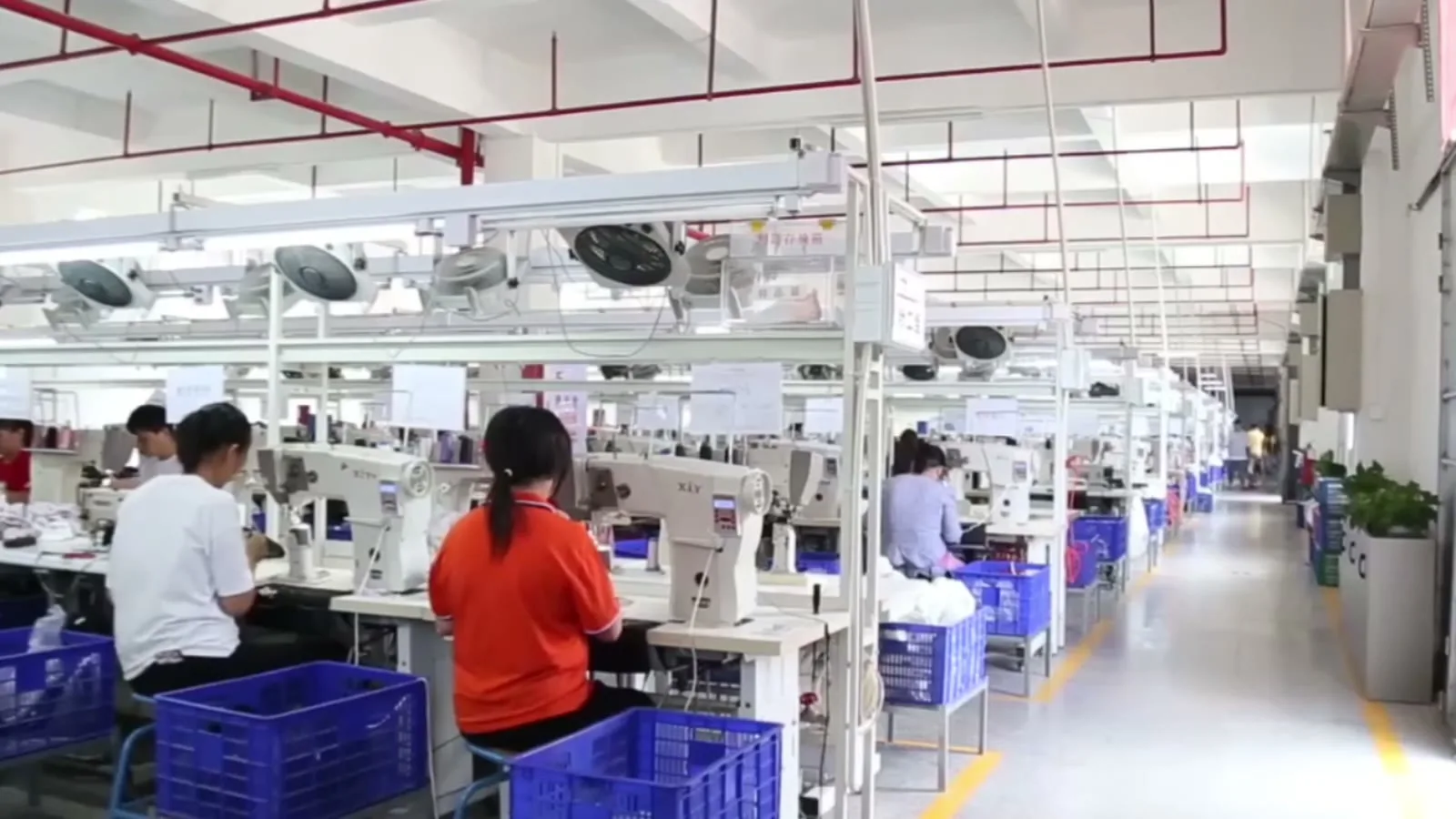
As a shoe manufacturer in Jinjiang, Fujian, China, KEYTOP ties bulk production for ecommerce brands to the approved sample: the same version your product photos, size information and branded packaging are based on. The company was founded in 2006.
KEYTOP develops and manufactures the shoes; your brand owns its product pages and the claims made on them. The approved sample connects the two. A changed upper, color or box can otherwise leave the product page and the production order describing different shoes.
A revised upper, outsole, strap or color can leave an earlier photograph on the listing, setting customer expectations for the wrong version of the shoe.
The selected model, last and grading requirements give product-specific size information its basis. The footwear brief carries the intended wearer and fit reference.
The footwear brief identifies the intended wearer and setting alongside the target upper, outsole and construction. These are inputs to the selected product’s development specification.
Labels and packaging may contain material, care or product information. A different file revision can conflict with the selected shoe specification.
The footwear range brings together product references for sample development across six families. The selected shoe’s construction, fit and color set the basis for each style and colorway you sell online.
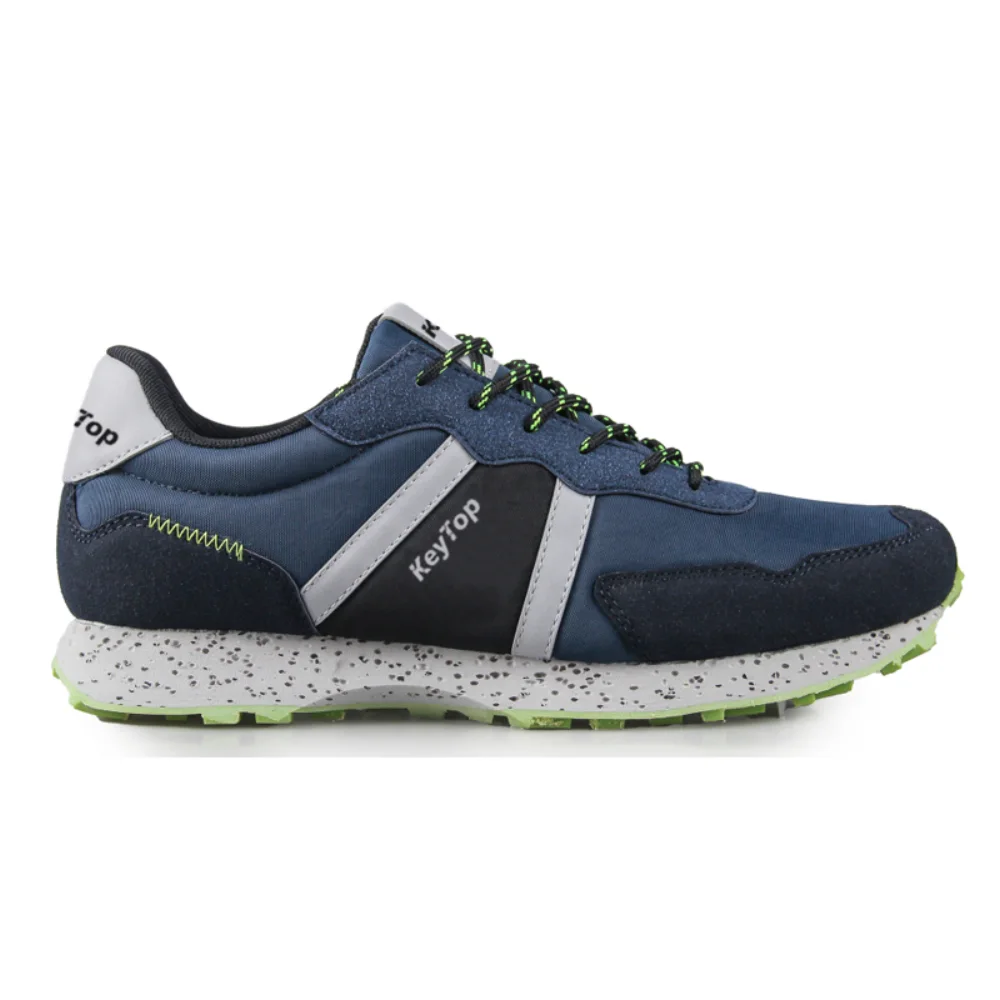
Casual Sneakers for lifestyle and online retail collections, with upper-panel, sole-profile and color details for product presentation.
Compare Casual Sneakers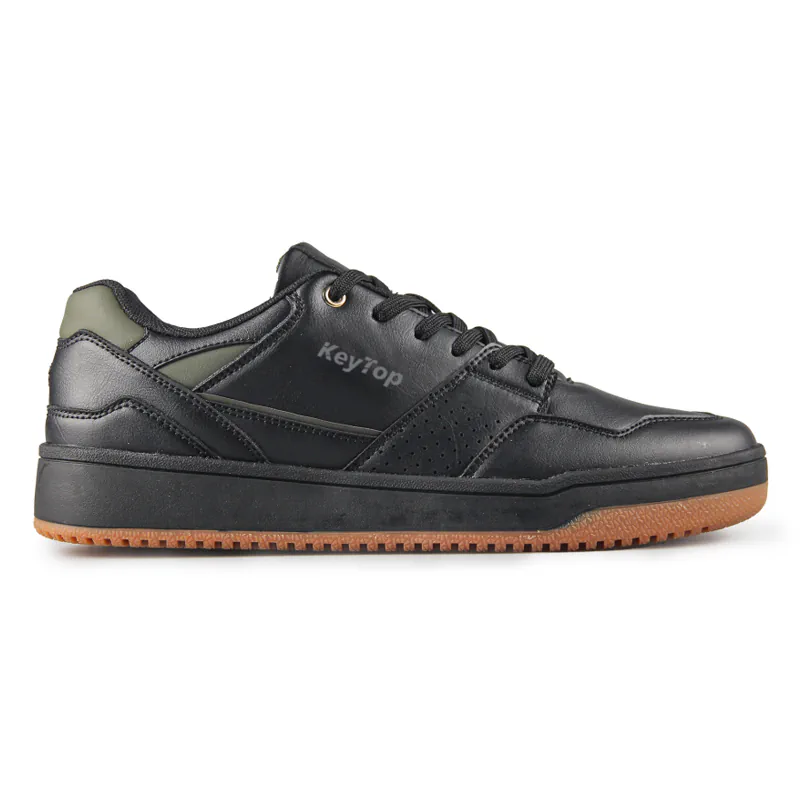
Casual Shoes for everyday or smart-casual ranges, with closure, material and fit choices.
Compare Casual Shoes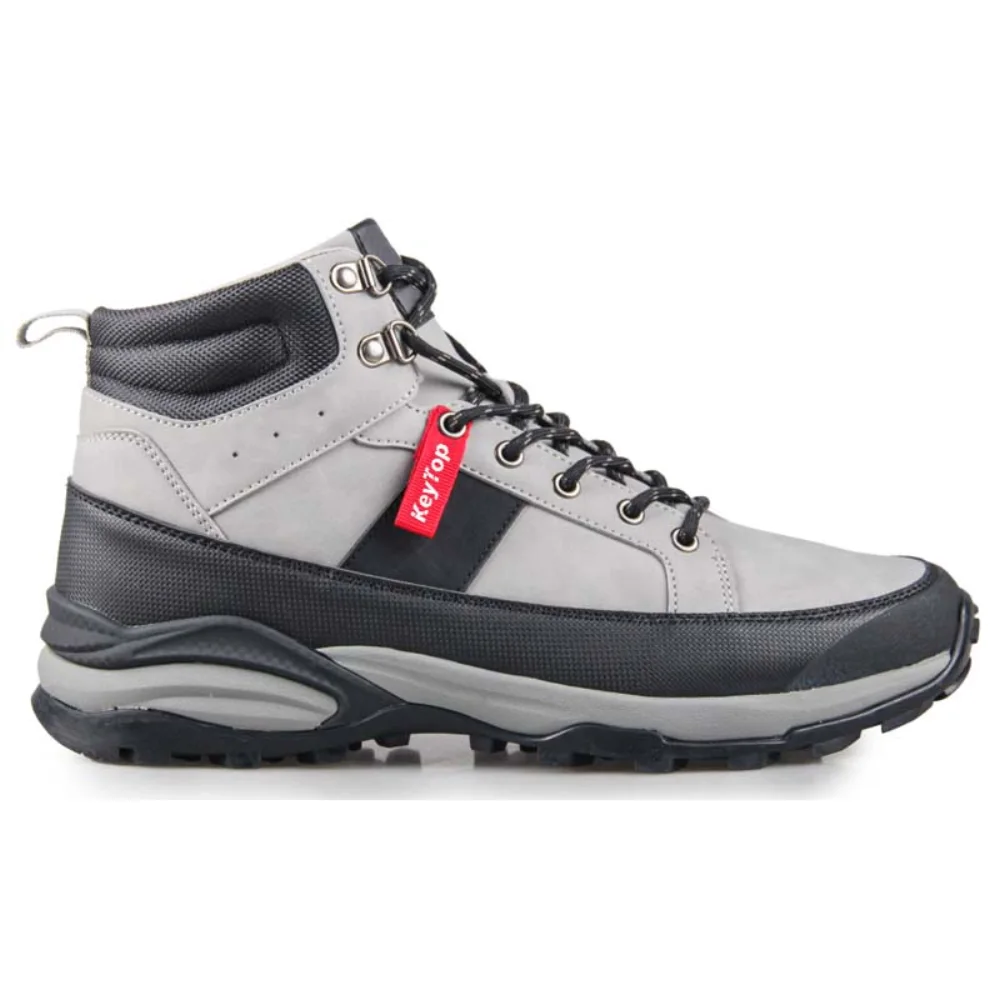
Boots with different shaft heights and closures, where side views and packing help describe the selected shape.
Compare Boots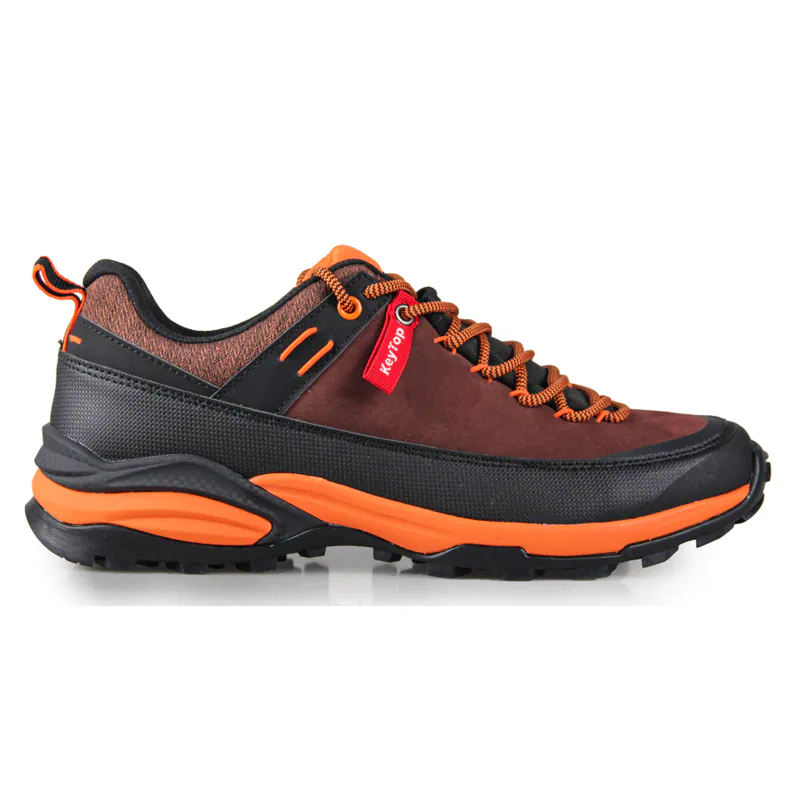
Outdoor Footwear for lifestyle outdoor use, with the intended use and construction defined for the selected reference.
Compare Outdoor Footwear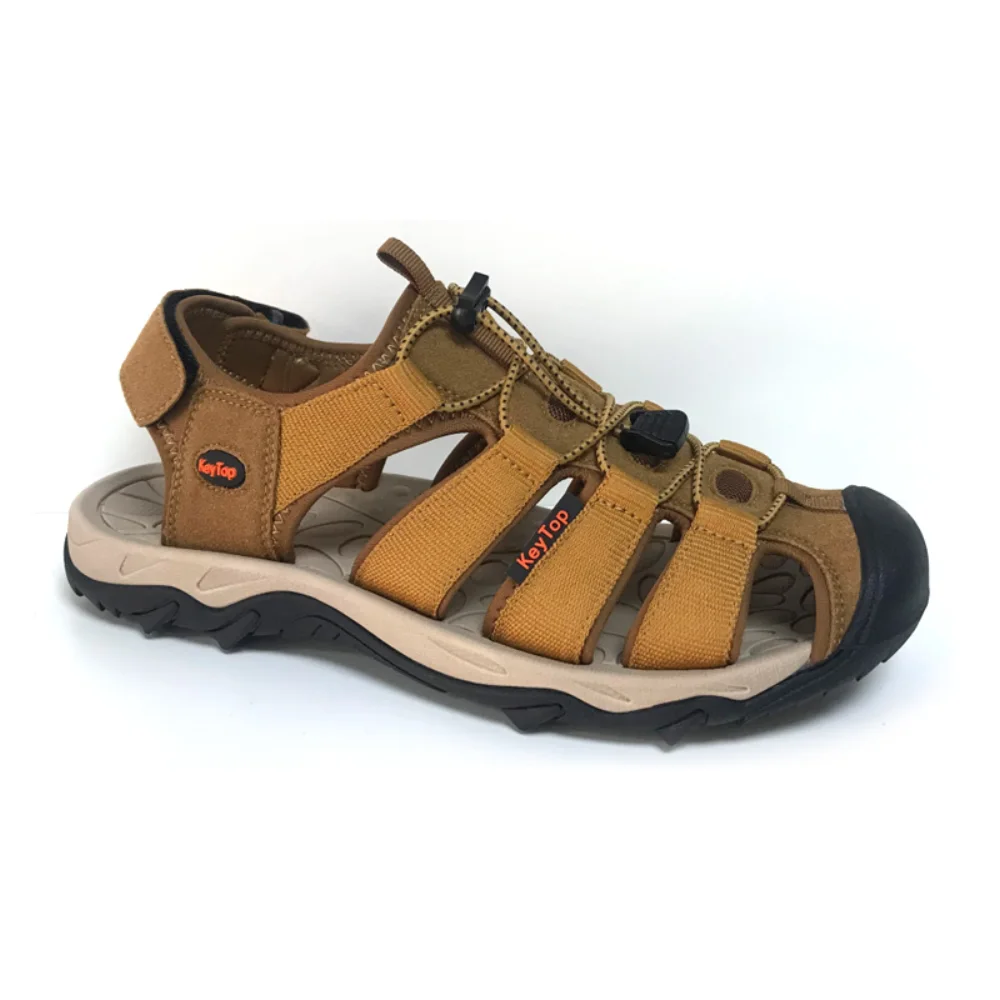
Sandals with different toe coverage, strap layouts, fastenings and footbed profiles.
Compare Sandals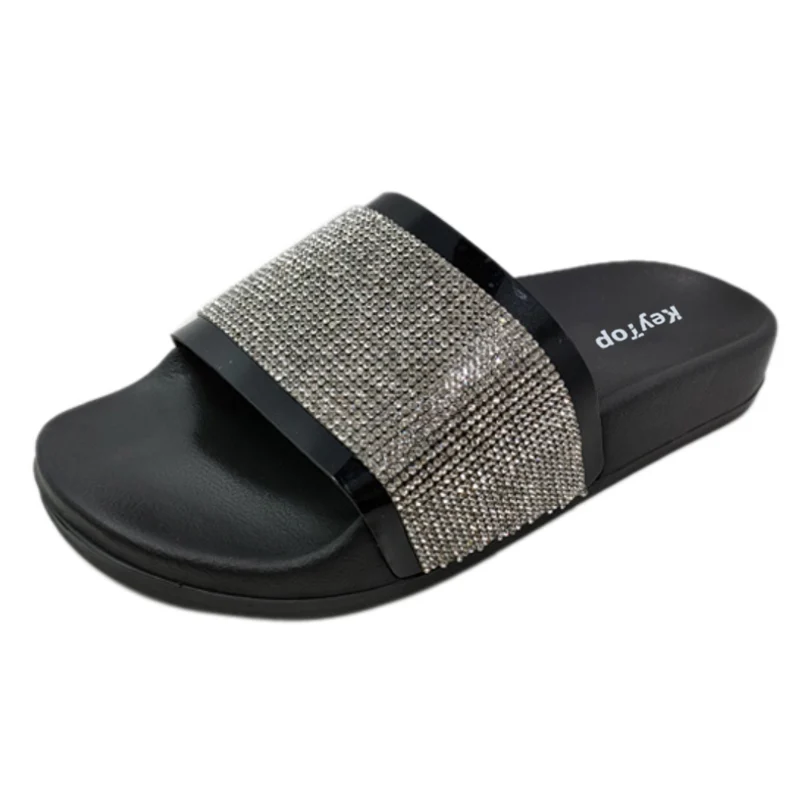
Slippers & Slides includes KEYTOP’s main open-toe EVA home-slipper line and photographed slide references; upper bands, footbeds and sole profiles distinguish the design directions.
Compare Slippers & Slides| Term | KEYTOP policy |
|---|---|
| MOQ | 1,500 pairs for sandals, slippers and slides; 1,000 pairs for casual sneakers, casual shoes, boots and outdoor footwear. Each minimum applies to one style, one color and one size; no mixing. |
| Samples | Typically 7–15 days after sample requirements and usable specifications are confirmed |
| Standard production | Typically 35–45 days after specifications, sample approval, material assumptions, packaging and the production slot are confirmed |
| Sample charges | Buyer pays the sample charge and courier; the sample charge is refundable against a bulk order |
| Bulk payment | T/T; deposit of at least 30%, with the balance settled before shipment |
| Sample payment | Paid in full before dispatch |
| Trade terms | Orders usually ship FOB or CIF; the quotation confirms the exact Incoterm and destination |
| Ports of loading | Usually Xiamen or Shenzhen; the exact port is stated in the quotation |
KEYTOP reviews the selected shoe’s physical specification and sample. Your brand can use that version as the reference for product photography, size information and packaging.
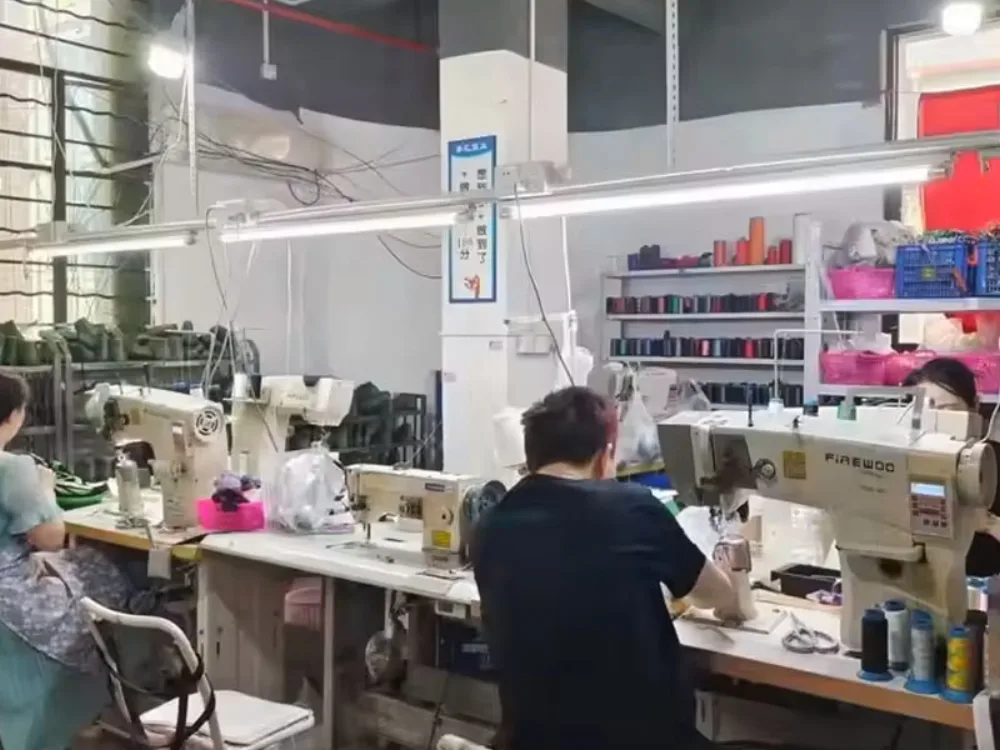
This photograph shows footwear samples and development work in KEYTOP’s sample room. For an online range, the selected physical sample provides a reference for visible shape, color, closure and branding details.
| Product information | Reference for the ordered version |
|---|---|
| Product photographs | The named sample and its visible upper, sole, closure and branding |
| Material description | Written specifications for the corresponding shoe components |
| Size information | Model, last, fit and grading requirements |
| SKU identification | Selected style, color and size |
| Pack presentation | Authorized artwork, labels, barcode data and packing version |
Private-label development connects authorized artwork and branded packaging to the shoe. OEM/ODM development covers the selected construction, materials and sample specification.
KEYTOP’s company profile records a 25,000 sqm site, 10 production lines and 157 employees, with a 12-person sample team and a 20-person design team. Its QC checkpoints cover incoming materials, in-line inspection and final inspection before shipment.
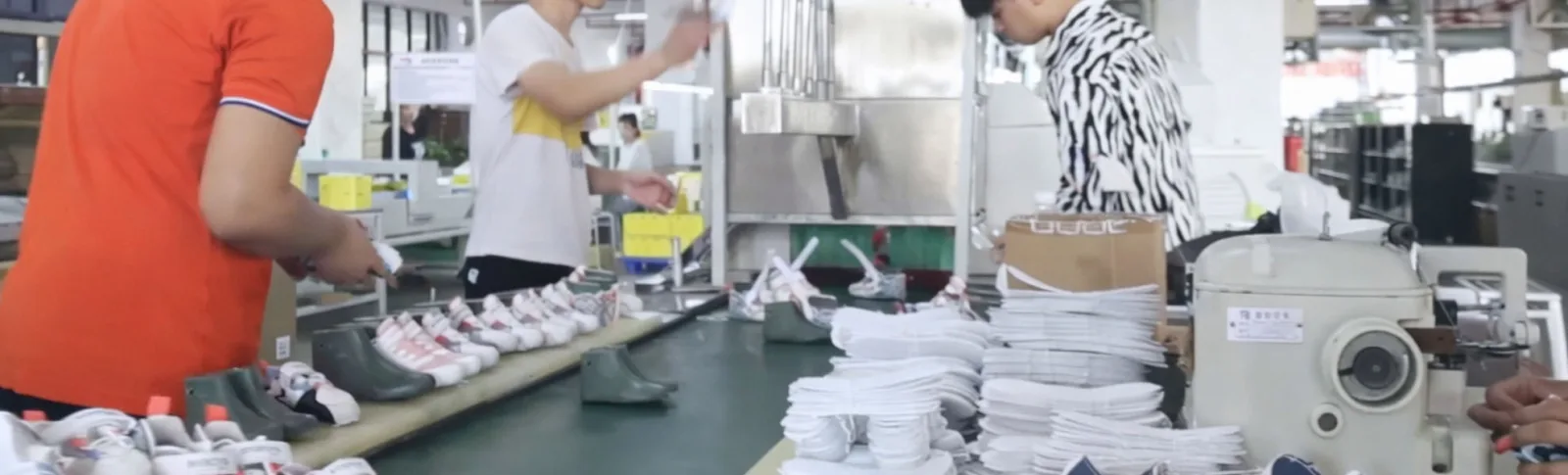
| Manufacturing stage | Connection to the ordered version |
|---|---|
| Brief review | Product family, sales market and intended order scope |
| Sample development | Selected fit, materials, construction and branding |
| Sample approval | Accepted shoe specification with the chosen artwork and packing |
| Production preparation | Material assumptions, quantity allocation, packing and production slot |
| Manufacturing checks | Incoming material, in-line and final pre-shipment inspection checkpoints |
| Reorder review | Previous accepted reference and any changes in components, files or requirements |
KEYTOP holds ISO 9001 within its footwear-production quality-management scope and has completed an amfori BSCI site social audit. Supporting documents are available to relevant buyers on request.
Applicable GRS documentation concerns styles using verified recycled materials; REACH/SVHC-related documents concern the selected EU-market product and materials. BSCI is a social audit and REACH a regulation, rather than product certifications.
The factory profile provides further company, production and documentation context.
The order plan connects three things: quantities for each variant, the selected packing version and the production schedule. The final inquiry brings them together with your product reference and business details.
The sales channel keeps the same family MOQ: 1,500 pairs per style, color and size for sandals, slippers and slides; 1,000 for the other listed families. Different styles, colors and sizes cannot be combined to meet the minimum.
Production orders use the stated family minimum. A separate development sample supports product evaluation, with the sample charges and timing listed above.
The packing specification can include authorized brand labels, barcode data and carton marks. The selected pack format and artwork define the proposed application.
A reorder inquiry starts from the buyer’s previous reference or specification and identifies requested changes in materials, colors, fit, sizes, artwork and packing. Current quantities, sample needs and delivery targets belong to the new inquiry.
KEYTOP reviews authorized branding for the selected product and packing format. Logo placement, labels and packaging artwork form part of the private-label sample specification.
Bulk payment is by T/T, with a deposit of at least 30% and the balance settled before shipment. Sample orders are paid in full before dispatch.
Standard production typically takes 35–45 days after specifications, sample approval, material assumptions, packaging and the production slot are confirmed. The current order’s changes and production slot matter for a reorder as well. Transit is separate.
KEYTOP is based in Jinjiang, Fujian, China. The usual ports of loading are Xiamen and Shenzhen. Orders usually ship FOB or CIF, with the exact port, Incoterm and destination stated in the quotation.
No. KEYTOP manufactures shoes to order for ecommerce brands and ships them as bulk orders. Holding stock, sending single pairs to consumers and marketplace connections are outside this program.
KEYTOP’s target markets include Europe, North America, the Middle East, Australia, New Zealand and South America. Each order is specified for its selected sales market and destination.
Share your company, market and footwear reference or Tech Pack, with quantities for each style, color and size. Include material and fit requirements, authorized artwork, product-description requirements, packaging and receiving details, sample needs, destination and target timing.
The brief can identify the sample version and any undecided details. KEYTOP reviews the product and order scope for quotation.