
Casual Sneakers
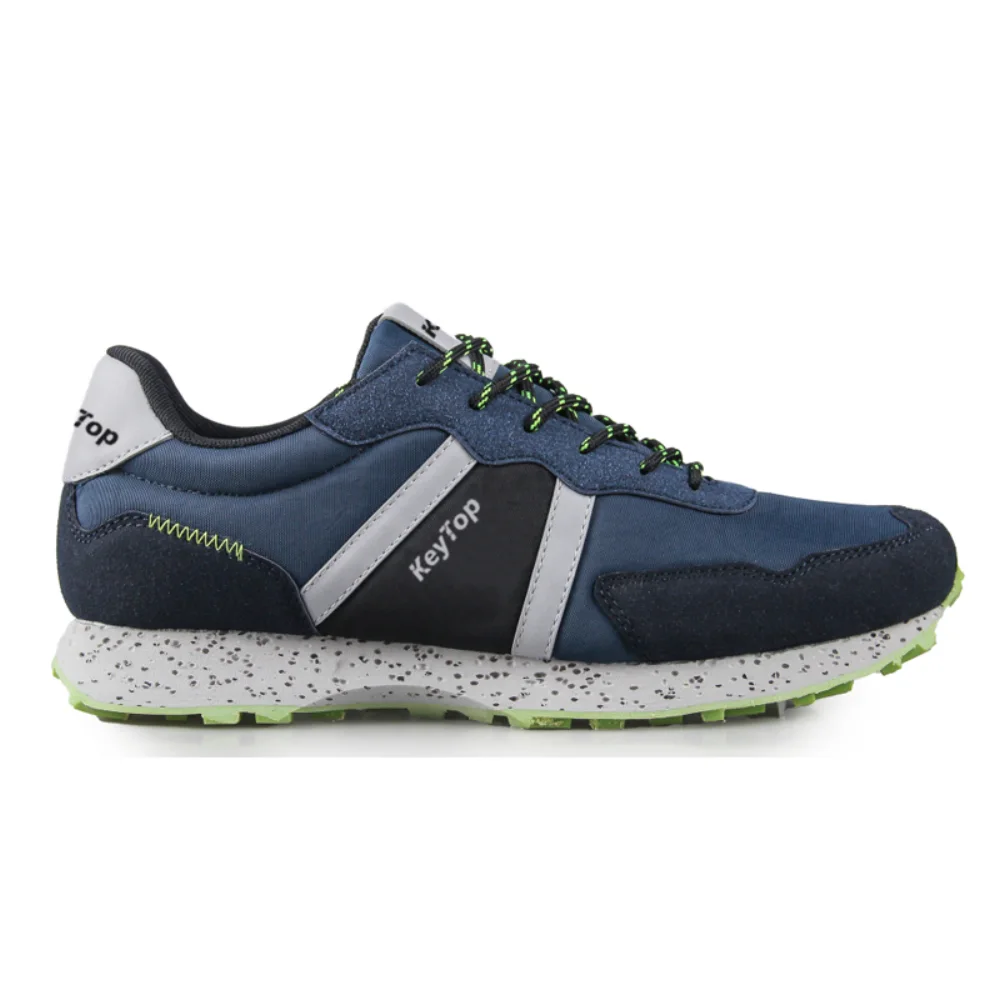
Low-top and higher-collar lifestyle references give a sneaker brief its silhouette, panel and sole direction.
Explore this familyCompare six footwear families from KEYTOP, a shoe manufacturer in Jinjiang, China. Start with the pictured style, then define its construction, fit, branding and quantities for a development brief or manufacturing quotation.
Casual sneakers, casual shoes, boots and outdoor footwear start at 1,000 pairs per style, per color and per size. Sandals, slippers and slides start at 1,500 pairs on the same basis. Styles, colors and sizes cannot be mixed to reach a minimum.
A collection brief can identify more than one family. Each selected style and variant has its own quantity, specification and packing requirements. Browse the footwear families to compare the starting references.
Compare collar height, coverage, closure, strap layout and sole proportions in the photographed range. Each shoe family has its own construction and fit questions.
Low-top and higher-collar lifestyle references give a sneaker brief its silhouette, panel and sole direction.
Explore this family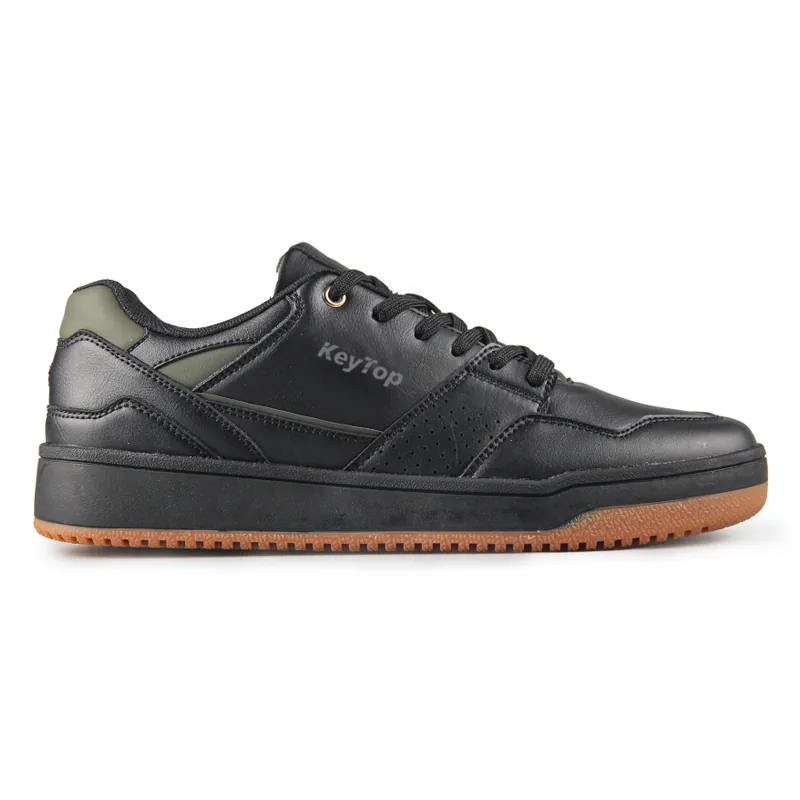
Everyday casual-shoe references put upper shape, closure and the chosen last at the center of the fit discussion.
Explore this family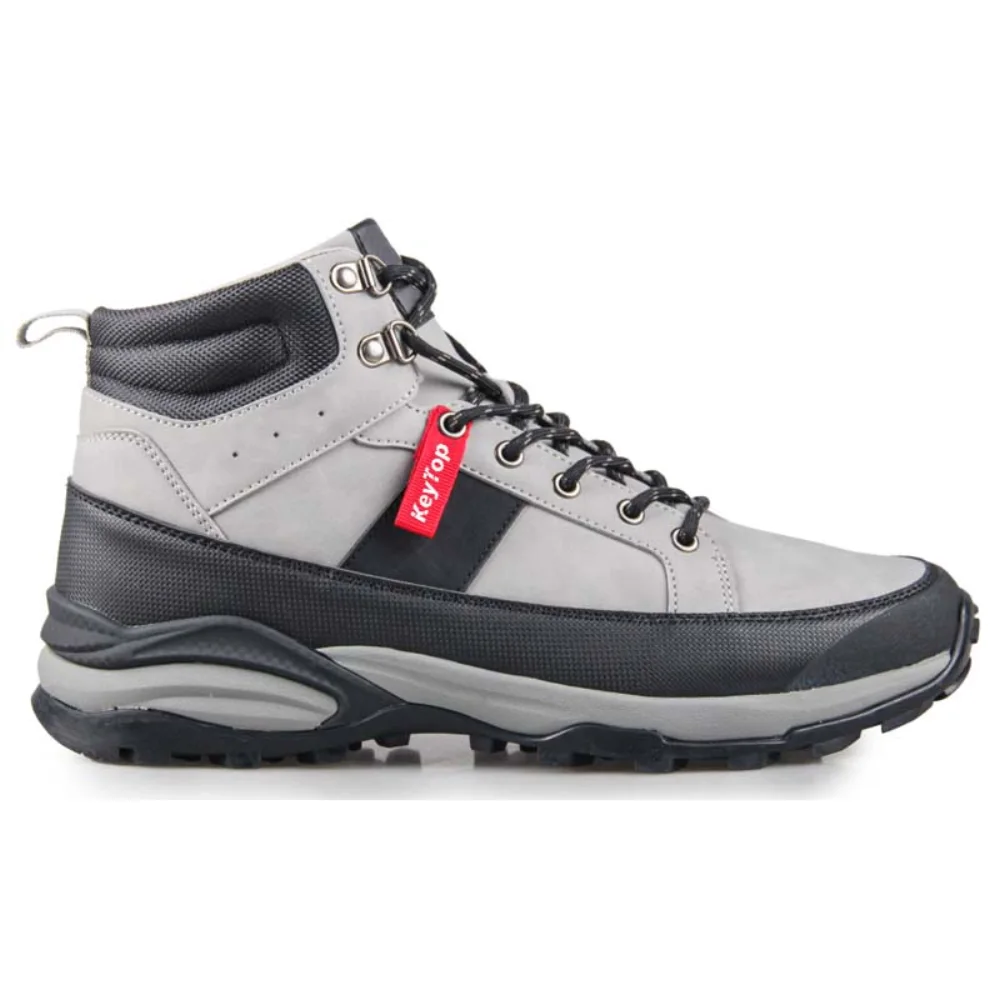
Boot references add shaft height, openings and heel retention to the footwear specification.
Explore this family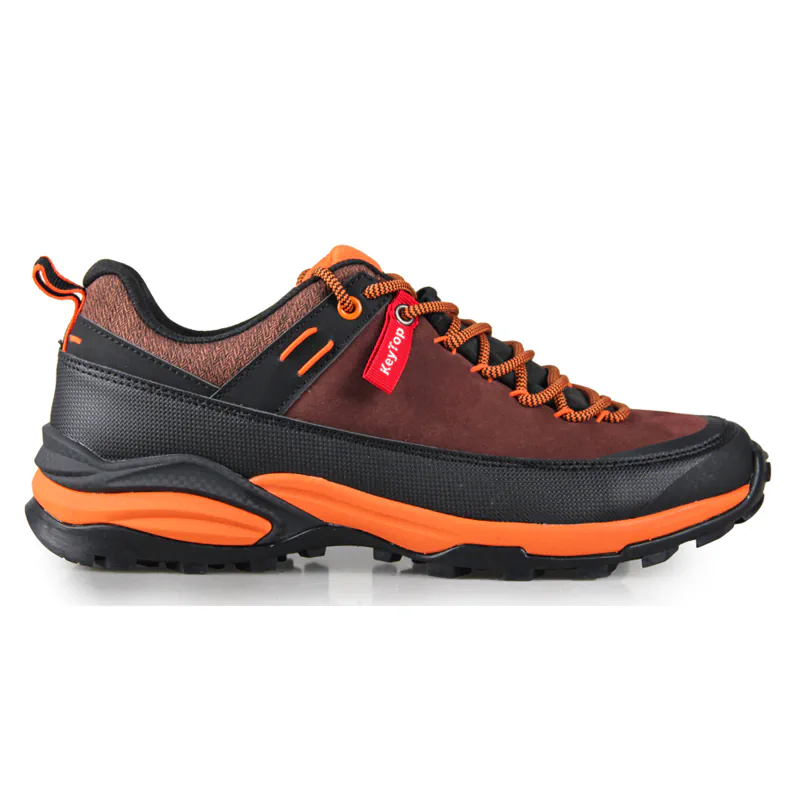
Lifestyle outdoor references show upper panels and outsole profiles. The development brief identifies the intended use and construction requirements.
Explore this family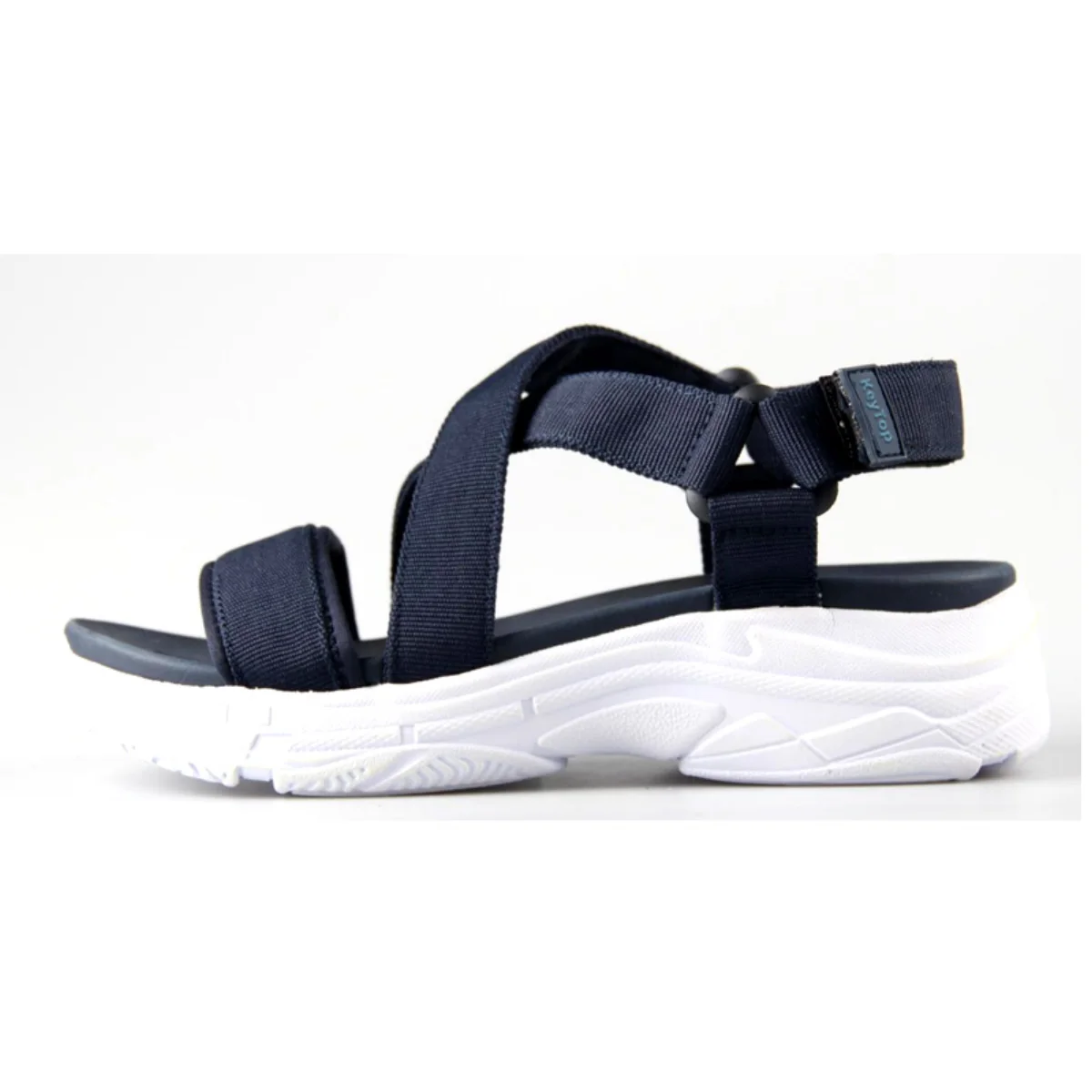
Sandal selection starts with toe coverage, strap route, fastening and footbed shape.
Explore this family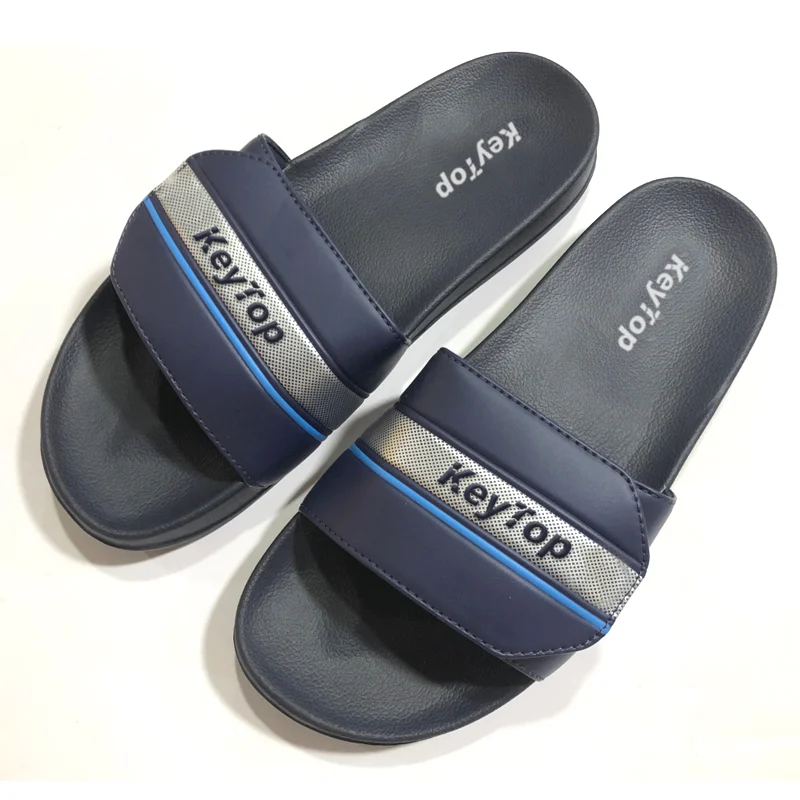
KEYTOP’s main slipper line is open-toe EVA home slippers. The separate photographed slide references show band, footbed and sole-profile choices.
Explore this family| Term | KEYTOP policy |
|---|---|
| MOQ | 1,000 pairs for casual sneakers, casual shoes, boots and outdoor footwear; 1,500 pairs for sandals, slippers and slides. Each minimum applies to one style, one color and one size; no mixing. |
| Sample timing | Typically 7–15 days after sample requirements and usable specifications are confirmed |
| Standard production | Typically 35–45 days after specifications, sample approval, material assumptions, packaging and the production slot are confirmed |
| Sample charges | Buyer pays the sample charge and courier; the sample charge is refundable against a bulk order |
| Sample payment | Paid in full before dispatch |
| Bulk payment | T/T; deposit of at least 30%, with the balance settled before shipment |
| Trade terms | Usually FOB or CIF; the quotation confirms the exact Incoterm and destination |
| Ports of loading | Usually Xiamen or Shenzhen; the exact port is stated in the quotation |
These four photographs show how a reference can narrow the visible design before a Tech Pack or sample specification defines the build.
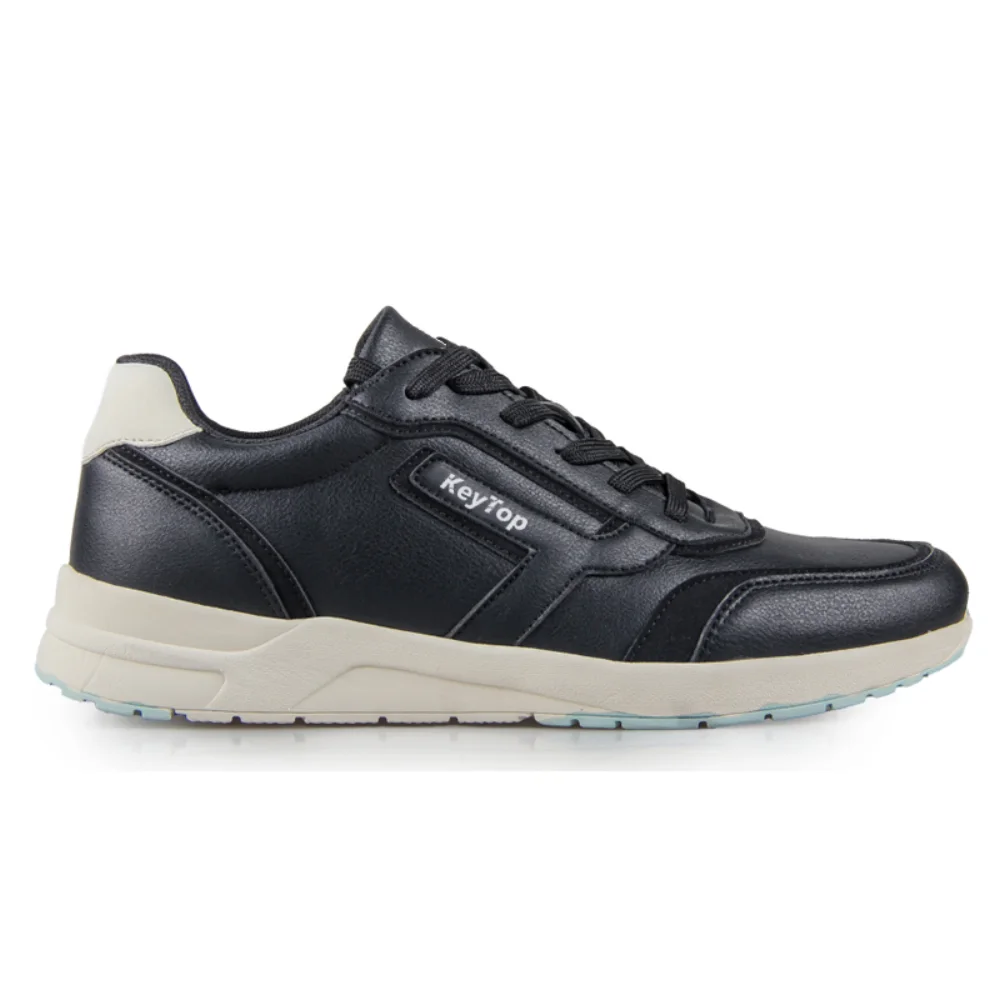
Layered panels and a low collar distinguish this reference. The brief defines the intended upper, lining, outsole, fit and color direction.
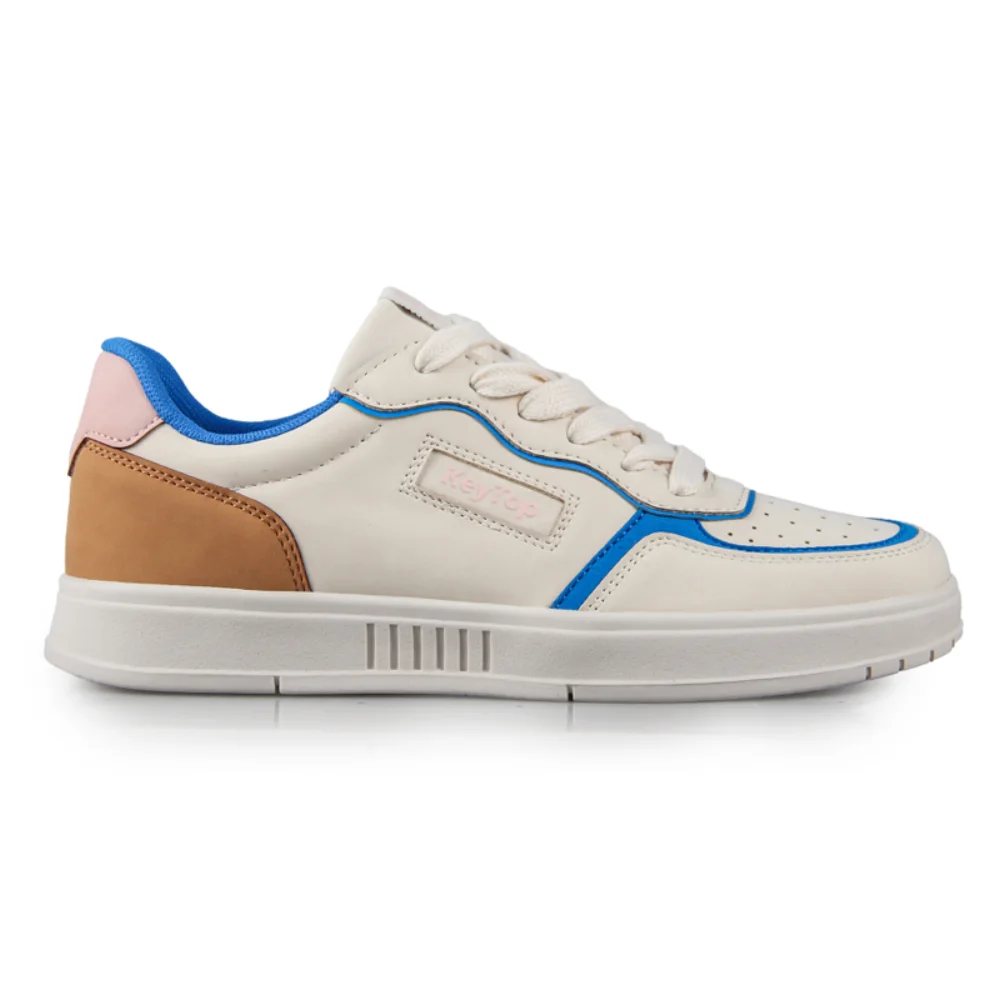
Contrasting panels give this reference its color layout. Color standards, panel materials and authorized artwork belong to the development specification.
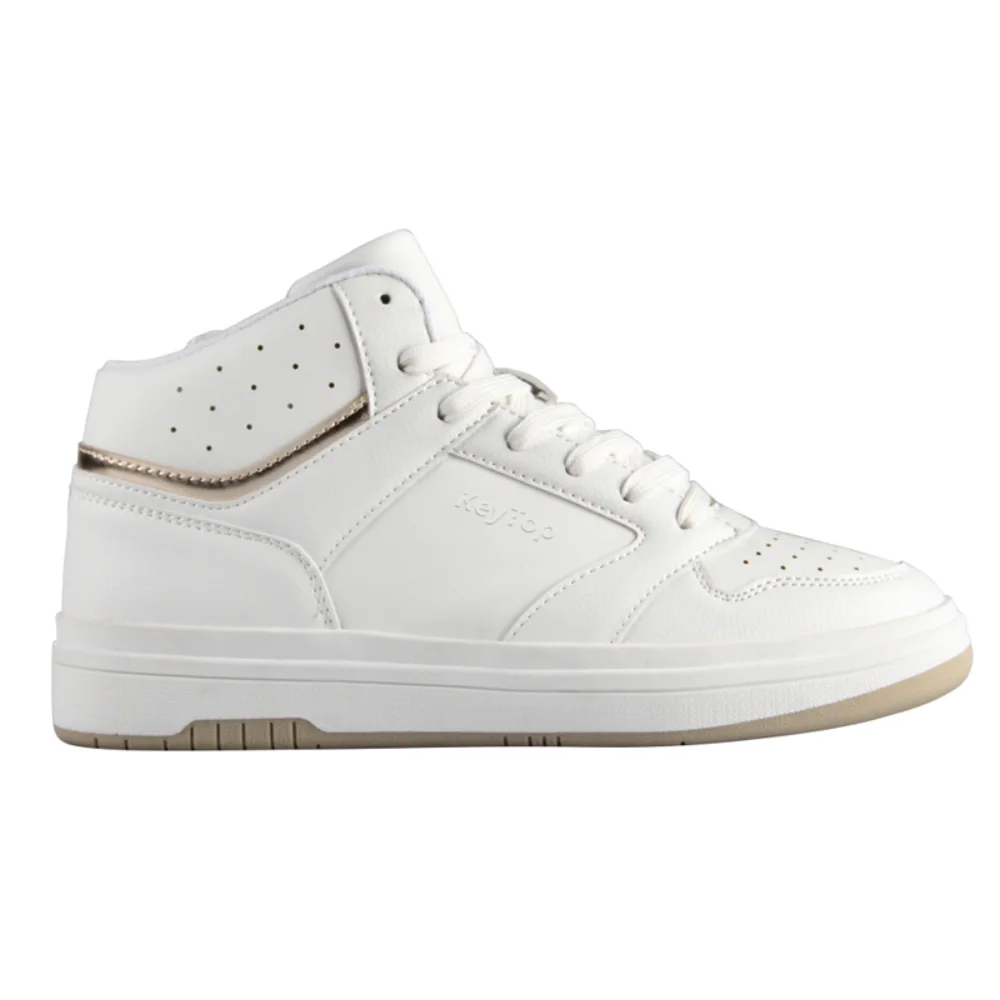
The higher collar and visible panel openings distinguish the upper. Collar shape, fastening, lining and fit targets describe the requested shoe.
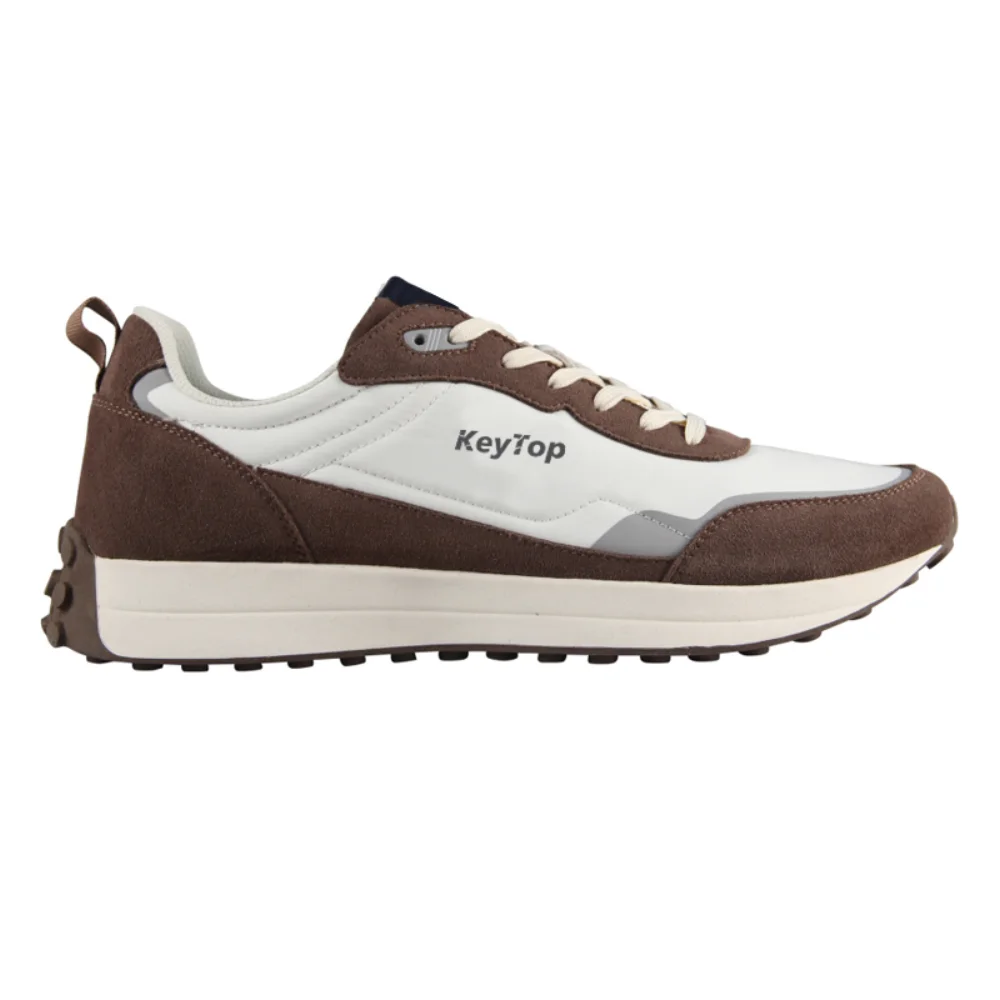
The higher sole proportions and heel detail give this reference a different profile. The buyer’s requested sole shape, construction and size specification guide development.
Use a family’s visible form to narrow the next page. Material, fit and other model details can then be discussed against the selected reference rather than assumed from its photograph.
The table uses two bands: 1,000 pairs per style, color and size; no mixing, or 1,500 pairs per style, color and size; no mixing. The applicable band is shown for each family.
A manufacturing quotation uses the selected shoe, component requirements, quantities by variant and packing. The selected style’s price follows that review.
| Family | Visible reference | Minimum order | Next page |
|---|---|---|---|
| Casual sneakers | Navy low-top, layered panels and lace-up profile | 1,000 pairs | Sneaker development |
| Casual shoes | Black low-top with a gum-look sole | 1,000 pairs | Casual-shoe development |
| Boots | Lace-up reference with a higher collar | 1,000 pairs | Boot references |
| Outdoor footwear | Orange upper panels and outdoor-style sole profile | 1,000 pairs | Outdoor references |
| Sandals | Open toe, several straps and a higher sole profile | 1,500 pairs | Sandal references |
| Slippers & slides | Open-back band-upper slide reference | 1,500 pairs | Slipper and slide range |
The chosen family gives the brief its starting shape. Five groups of information connect that shape to a sample and quotation.
| Detail | Useful information for the brief |
|---|---|
| Construction | Reference shoe, upper build, closure, footbed and outsole direction |
| Materials and colors | Upper, lining, insole or footbed, outsole and color standards |
| Fit and sizes | Intended wearer, last or fit reference, size range and pairs for each size |
| Branding | Authorized artwork, placement, label text and requested branding method |
| Packing | Individual pack, retail box if needed, barcode data, cartons and marks |
The general adult production range is EU 35–47. Children’s EU 22–34 is an overseas inquiry planning reference only; the model, last, fit, grading and tooling require review. The selected shoe’s size offer follows that discussion.
KEYTOP supports material and colorway customization, logo and insole branding, outsole branding, and box and carton branding. Those choices follow the footwear construction, fit and intended wearer.
A Tech Pack-led OEM route starts with the buyer’s specification. ODM development can start with an authorized reference, sample or design direction. The sample combines the agreed appearance, materials, fit and branding for review. Its timing and commercial conditions are shown with the footwear families above.
The product family and sales channel answer different questions. The family defines the shoe; the channel adds the required brand identity, variant allocation and packing.
| Buyer program | Details that shape the order | Development route |
|---|---|---|
| Private-label brand | Authorized artwork, selected shoe, labels and branded packing | Private-label footwear |
| Retailer or wholesaler | Styles, size and color allocation, barcodes and carton requirements | Retail footwear sourcing |
| Ecommerce brand | Reference style, SKU identity, size information and individual packing | Ecommerce footwear sourcing |
| Importer or sourcing team | End-buyer specifications, quantities and shipment destination | Footwear sourcing routes |
The shipping destination and channel-specific packing belong to the selected footwear order brief.
KEYTOP was founded in 2006. Its footwear operation is in Jinjiang, Fujian, China. The company profile records a 25,000 sqm site, 10 production lines and 157 employees. The sample team has 12 people; the design team has 20.
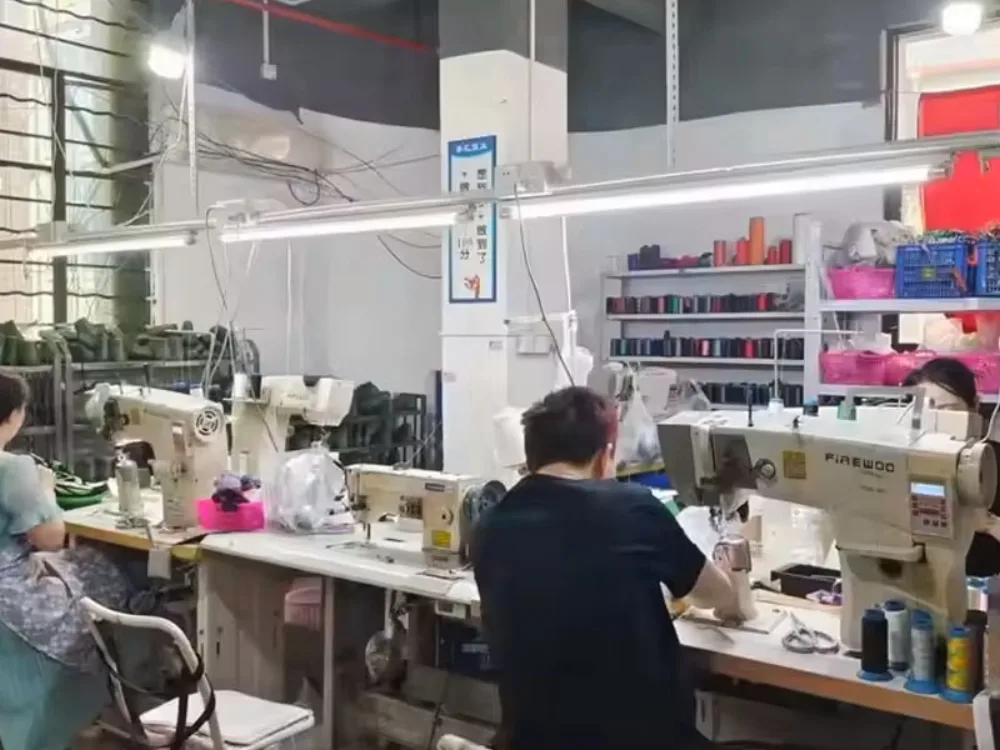
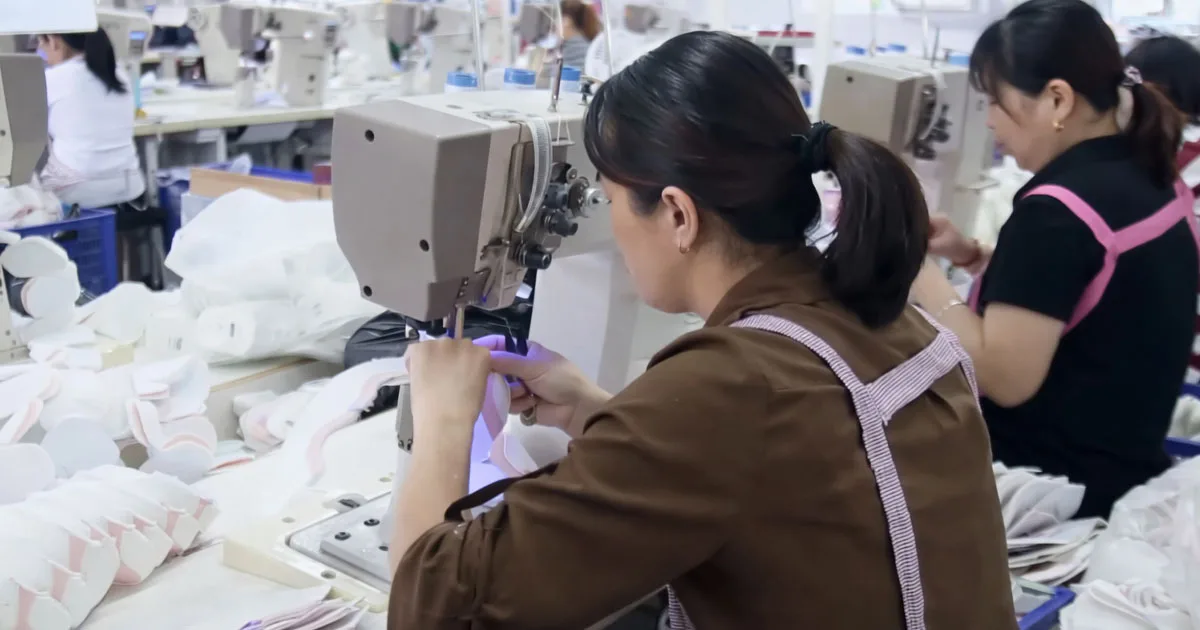
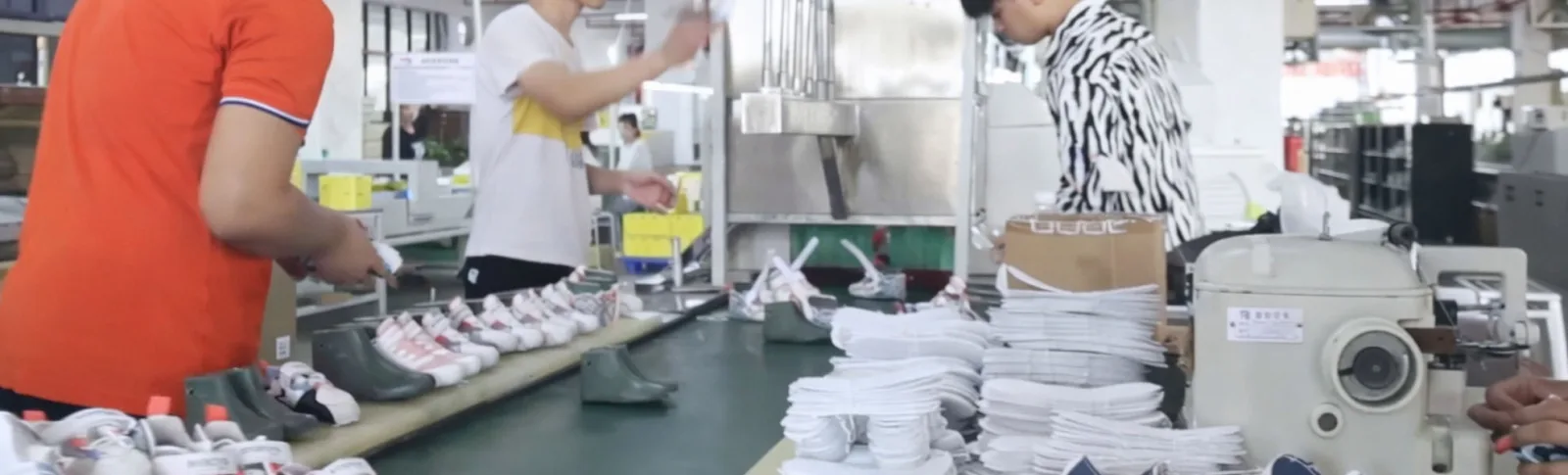
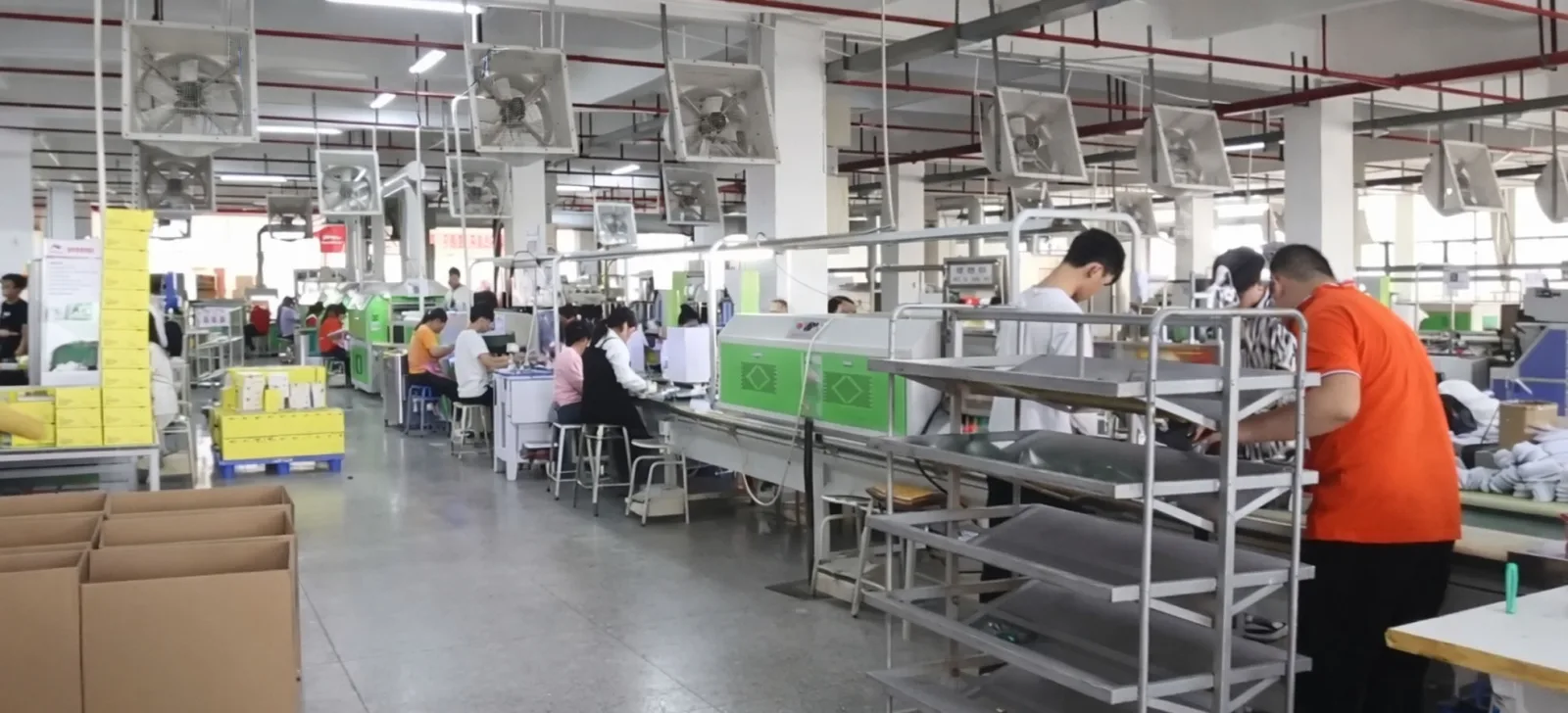
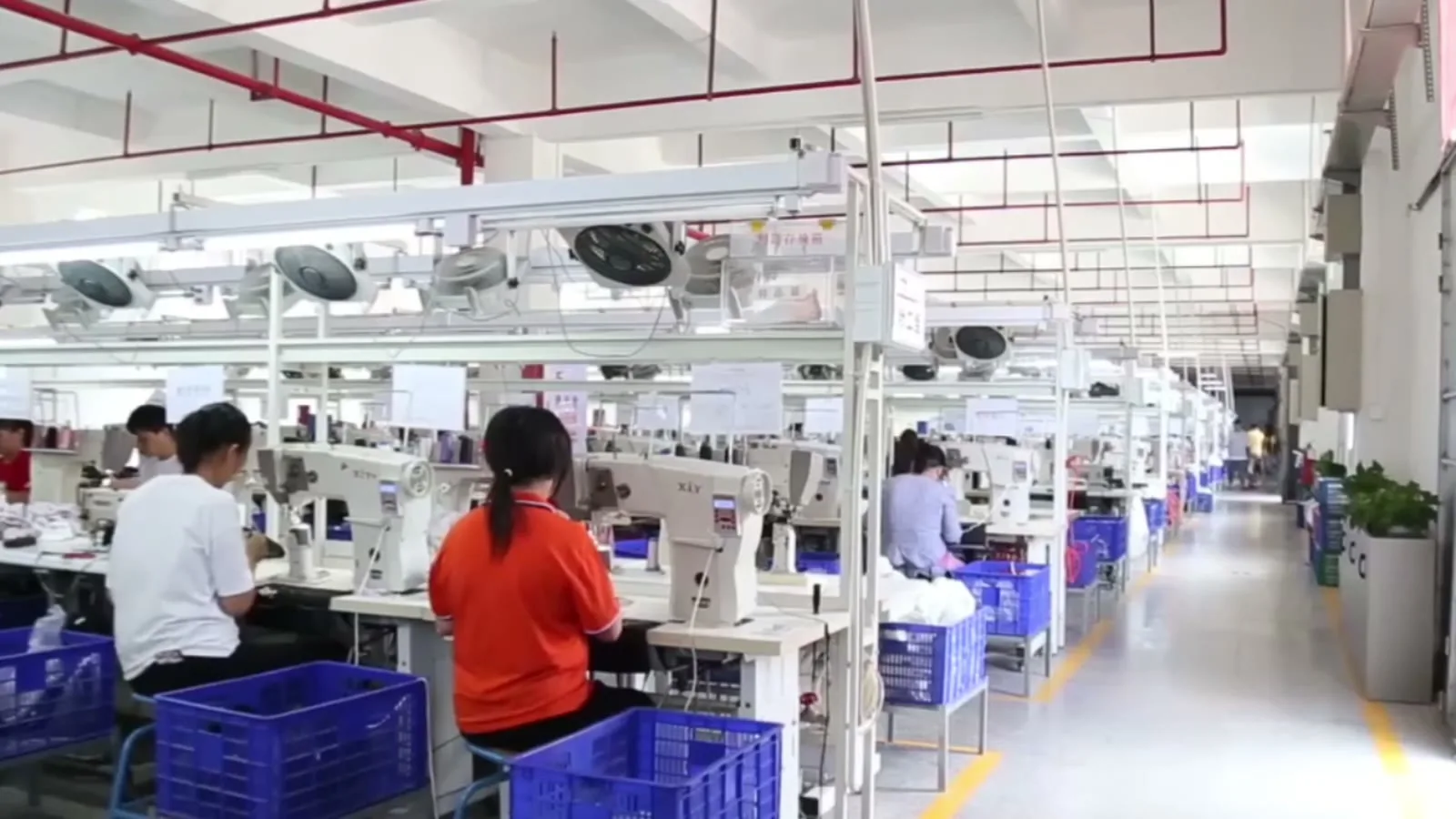
KEYTOP uses incoming-material checks, in-line inspection and final pre-shipment inspection. The photographs show the sample room, stitching, assembly and production-floor views alongside that company process description.
ISO 9001 concerns the footwear-production quality-management system; amfori BSCI concerns the completed site social audit. Supporting documents are available to relevant buyers on request. GRS applies to relevant styles using verified recycled materials; REACH/SVHC-related documents follow the selected EU-market product and material scope.
Casual sneakers, casual shoes, boots and outdoor footwear start at 1,000 pairs per style, color and size. Sandals, slippers and slides have a 1,500-pair minimum per style, color and size. Variants cannot be combined to reach a minimum.
A brief can identify several families. Each selected shoe and variant has its own specification, quantity and packing requirements; the minimum applies separately to its style, color and size.
Yes. An authorized image, drawing, physical sample or design brief can give the development discussion a starting direction. A Tech Pack supplies more detailed construction and component information when available.
EU 35–47 is general adult production guidance. Children’s EU 22–34 serves only as a size reference for overseas inquiry planning. Model, last, fit, grading and tooling review determine the selected shoe’s size scope.
Material and colorway choices, logo and insole branding, outsole branding, and box and carton branding are supported. Authorized artwork, placement and packing requirements belong with the selected footwear specification.
Sample timing is typically 7–15 days after sample requirements and usable specifications are confirmed. Standard production is typically 35–45 days after specifications, sample approval, materials, packaging and the production slot are confirmed. Shipment planning follows the quoted destination and trade terms.
The buyer pays the sample charge and courier. Only the sample charge is refundable against a bulk order. Sample payment is due in full before dispatch.
Relevant buyers can request supporting ISO 9001 and amfori BSCI documents within their company-system and site-audit scope. Applicable GRS or REACH/SVHC-related documents follow the selected recycled-material style or EU-market product and materials.
The usual loading ports are Xiamen or Shenzhen. Orders usually use FOB or CIF; the quotation specifies the actual port, destination and terms.
Send the footwear family or reference and the project details already available, including variant quantities, materials, fit, branding, packing and destination. The inquiry page provides the contact form and Annie’s email route.
Your selected family or reference gives the inquiry its starting point. Add the company and target market, quantities for each style, color and size, construction or material targets, fit and size requirements, authorized branding, packing, sample needs and destination where known.
KEYTOP can review those details for the next sample or manufacturing quotation step. Open choices can be clarified during that discussion.