
Casual Sneakers
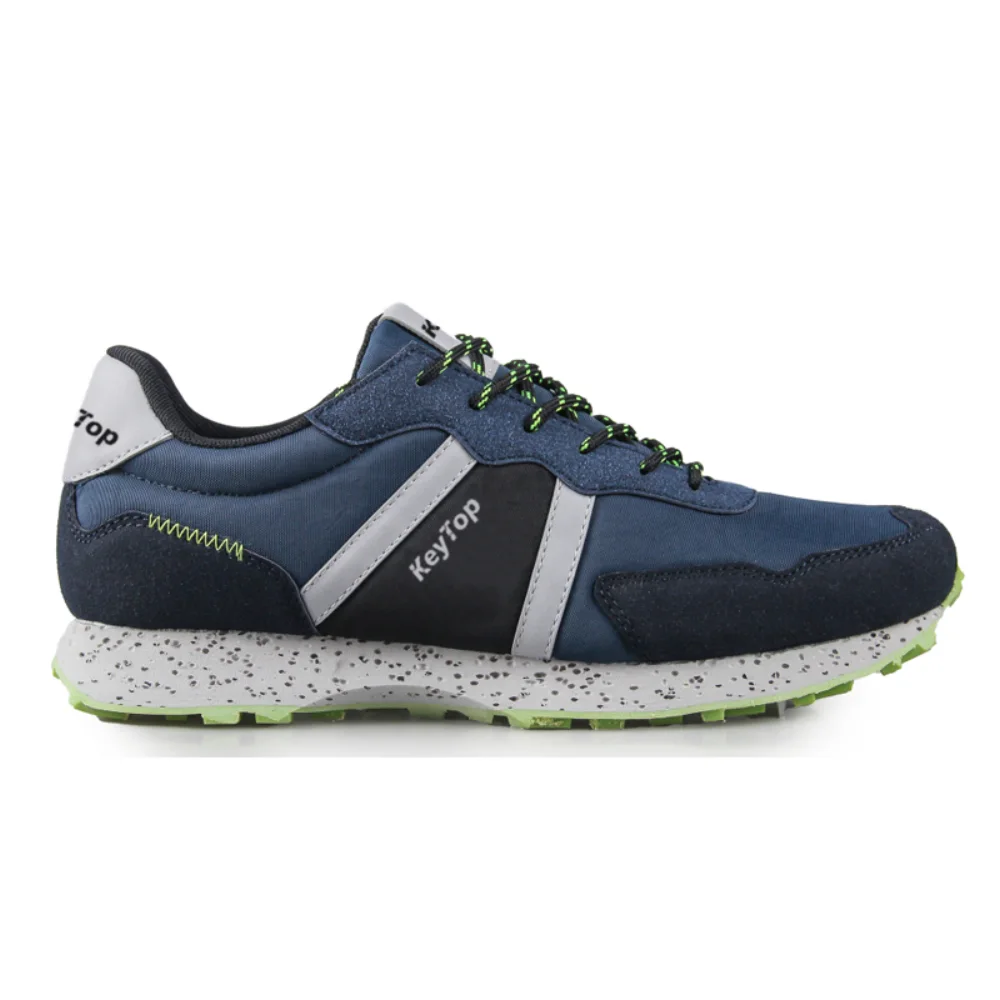
Low-top and higher-collar lifestyle references give the assortment its sneaker silhouette and panel direction.
View Family References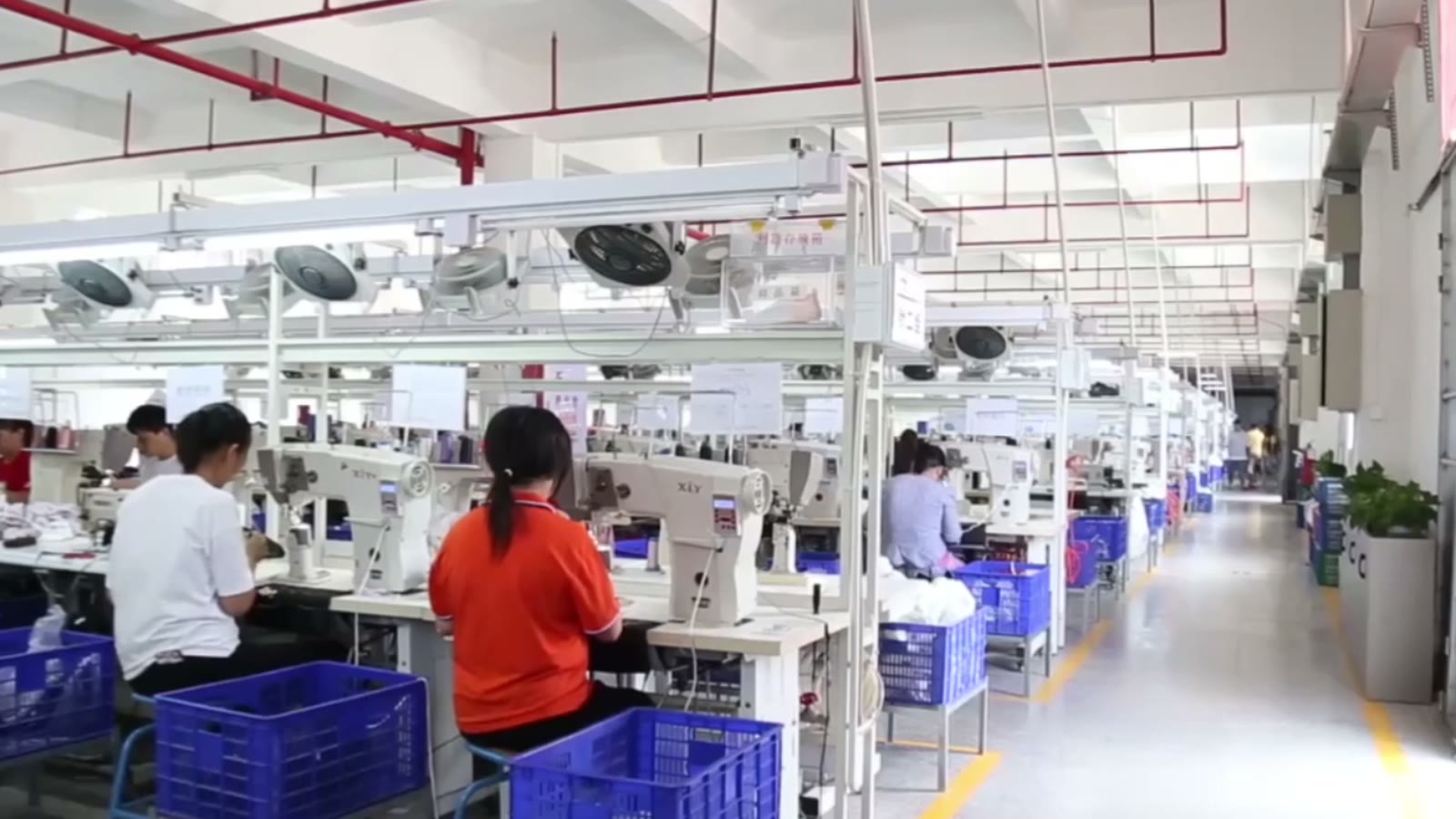
KEYTOP develops footwear for retail and wholesale buying teams from its operation in Jinjiang, Fujian, China. The assortment brief connects the selected shoes with size and color quantities, labels, packing and shipment requirements.
A retail assortment combines the footwear specification with the store receiving requirements. The selected shoe defines construction and fit; size allocation, labels and cartons determine how the order is presented and received.
The buyer’s target shelf date gives the planning discussion its destination. Manufacturing and transit remain separate stages; the quotation and confirmed order requirements define the shipment basis.
The six families offer different visible starting forms. Construction, materials and fit follow the selected reference and intended wearer, while each variant retains its own minimum quantity.
Low-top and higher-collar lifestyle references give the assortment its sneaker silhouette and panel direction.
View Family References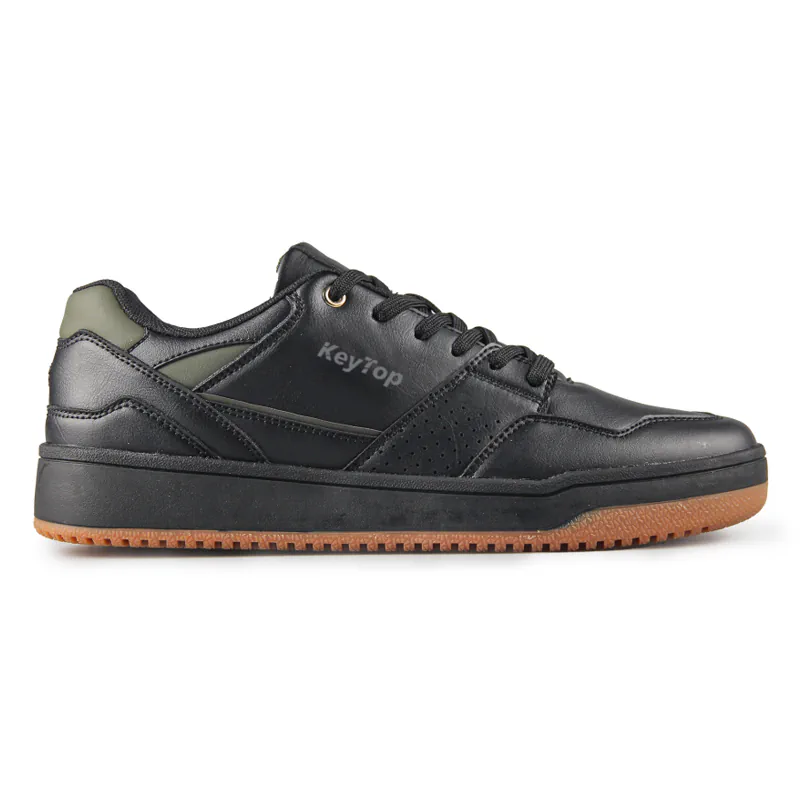
Everyday casual-shoe references bring upper shape, closure and last selection into the fit discussion.
View Family References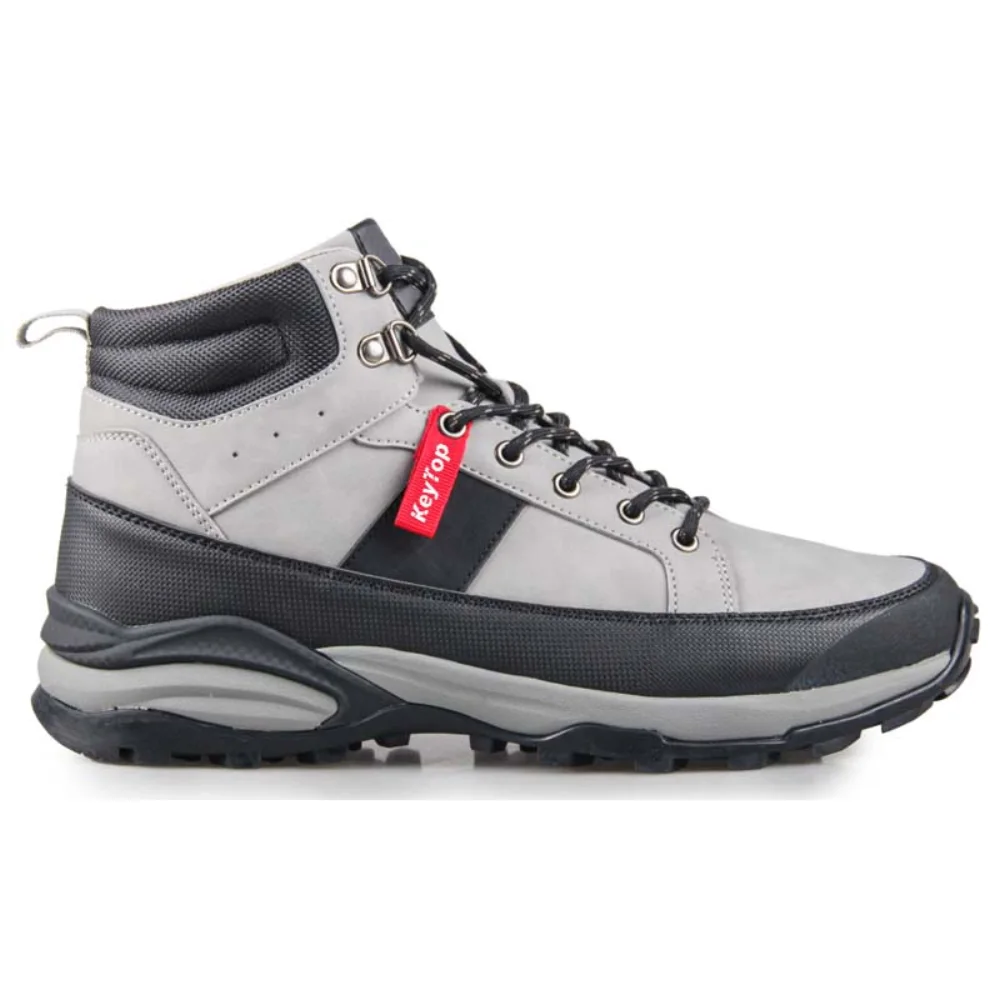
Lifestyle boot selection adds shaft height, openings and heel retention to the footwear brief.
View Family References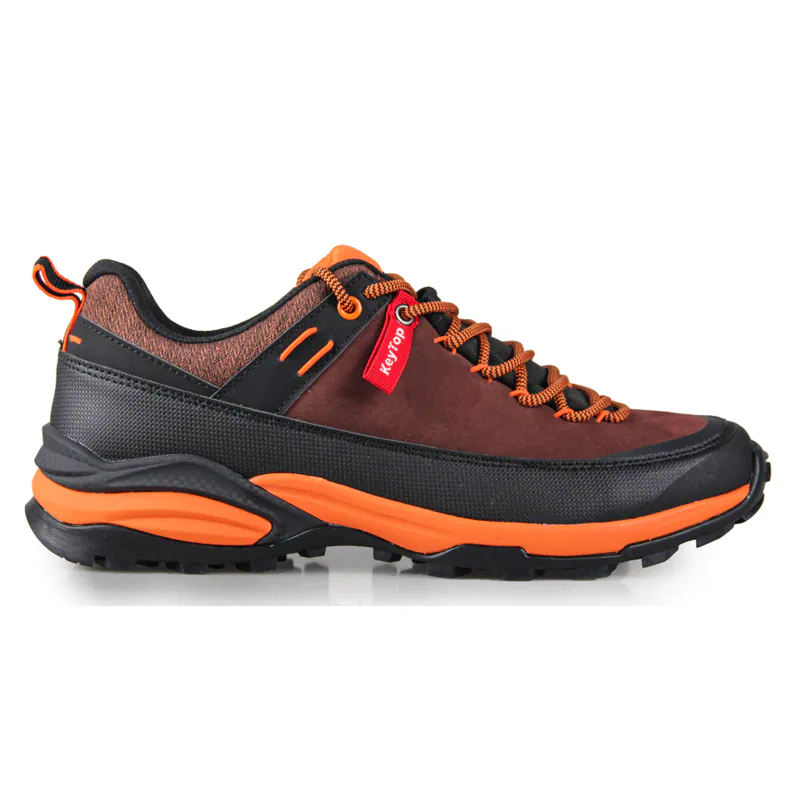
Outdoor-style references show visible panels and sole profiles. Intended use and requested construction define the selected style’s requirements.
View Family References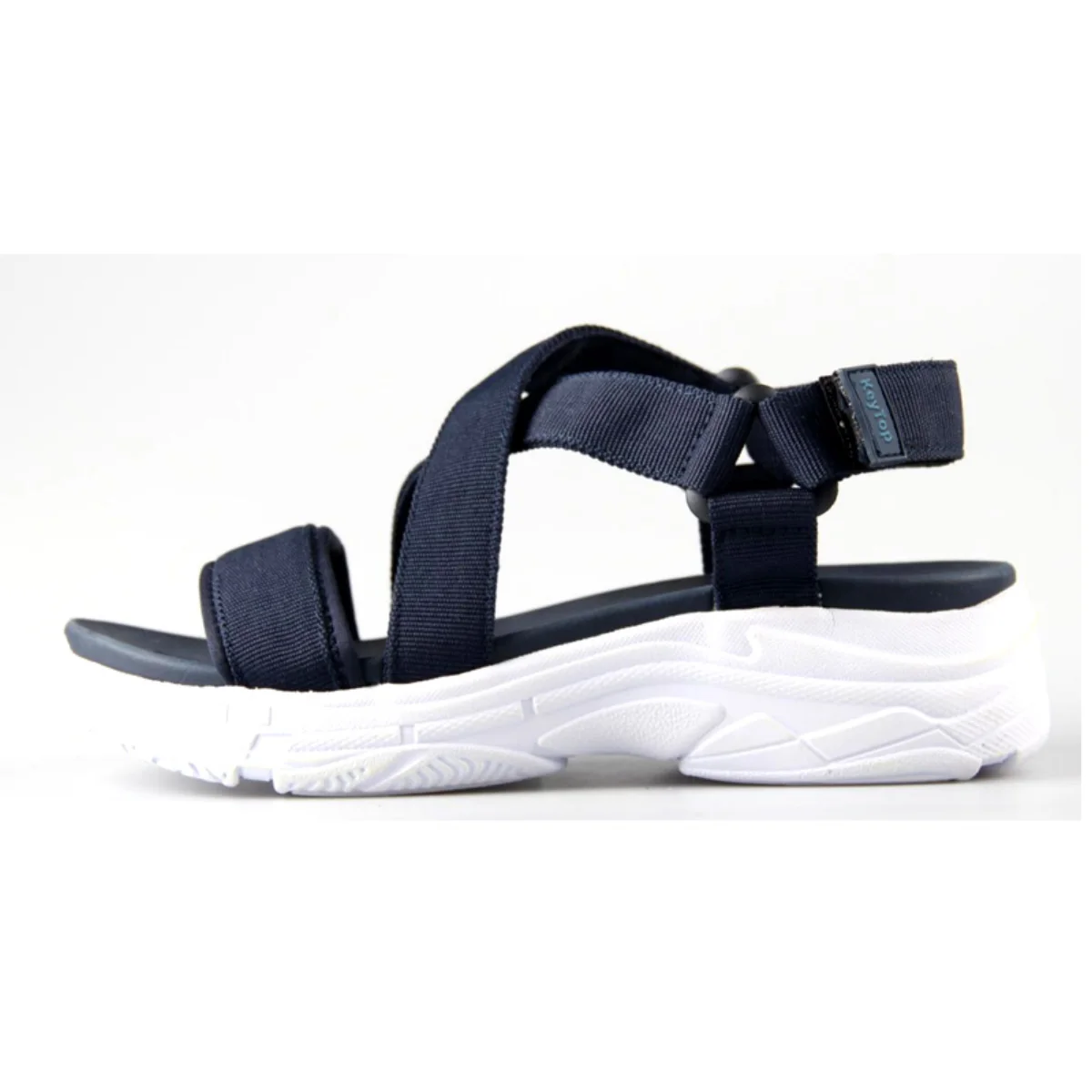
Toe coverage, straps, fastening and footbed shape distinguish sandal choices.
View Family References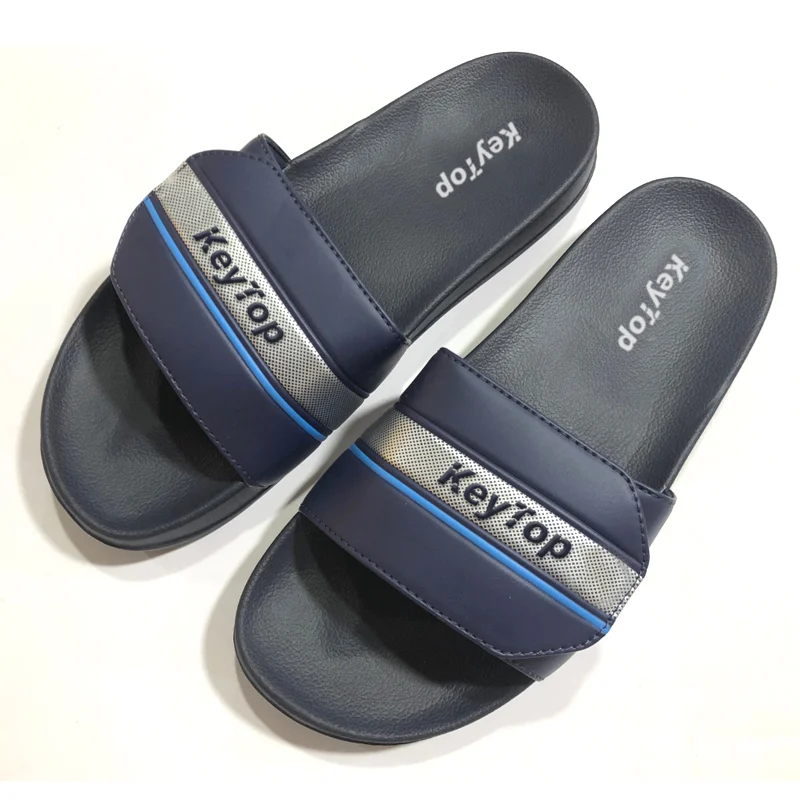
KEYTOP’s main slipper line is open-toe EVA home slippers. Separate slide references show their own band, footbed and sole proportions.
View Family References| Term | KEYTOP policy |
|---|---|
| MOQ | 1,000 pairs for casual sneakers, casual shoes, boots and outdoor footwear; 1,500 pairs for sandals, slippers and slides. Each minimum applies to one style, one color and one size; no mixing. |
| Sample timing | Typically 7–15 days after sample requirements and usable specifications are confirmed |
| Standard production | Typically 35–45 days after specifications, sample approval, material assumptions, packaging and the production slot are confirmed |
| Sample charges | Buyer pays the sample charge and courier; the sample charge is refundable against a bulk order |
| Sample payment | Paid in full before dispatch |
| Bulk payment | T/T; deposit of at least 30%, with the balance settled before shipment |
| Trade terms | Usually FOB or CIF; the quotation confirms the exact Incoterm and destination |
| Ports of loading | Usually Xiamen or Shenzhen; the exact port is stated in the quotation |
The selected reference gives each style a common starting point. Its wearer, construction and fit requirements belong with the size allocation and receiving details.
| Part of the retail brief | Decisions for the selected style |
|---|---|
| Construction and materials | Upper build, closure, lining, insole or footbed, outsole and requested component requirements |
| Fit and sizes | Intended wearer, last or fit reference, sample size and requested size scope |
| Colors and quantities | Color standards and pairs for each style, color and size |
| Branding and labels | Authorized artwork, placement, label text and buyer-provided barcode data |
| Individual packs and cartons | Pack format, pairs per carton, allocation and marks |
EU 35–47 is general adult production guidance. Children’s EU 22–34 is an overseas inquiry planning reference only; the model, last, fit, grading and tooling require review before a model-specific size offer.
KEYTOP supports material and colorway customization, logo and insole branding, outsole branding, and box and carton branding. The OEM/ODM route connects those choices with development; private-label sourcing focuses on the shoe and authorized brand identity together.
The sample gives the buyer a physical reference for reviewing the selected footwear direction. Appearance, fit, materials, artwork and packing requirements can be considered against that same brief.
| Review topic | Basis for the buyer’s discussion |
|---|---|
| Shoe reference | Intended appearance, construction, components and fit |
| Variant identity | Style, color, requested sizes and the buyer’s approved sample or agreed specification |
| Pair presentation | Authorized artwork, individual pack, labels and barcode data |
| Order allocation | Pairs for each style, color and size, plus requested carton allocation |
| Requested differences | Proposed component, fit, color or artwork change and the buyer authorized to accept it |
| Receiving requirements | Agreed label, pack and carton requirements, with exceptions approved by the buyer |
For repeat orders, the buyer’s approved shoe and agreed specification provide the comparison basis for component, fit, color and artwork changes. The buying brief identifies each requested difference, the person authorized to accept it and the acceptance status for the selected variant.
The buyer’s receiving brief brings together the footwear variant, individual pack, buyer-provided barcode and label, pairs per carton and carton allocation. Its agreed requirements and buyer-approved exceptions give the sample or proposed packing review a common reference.
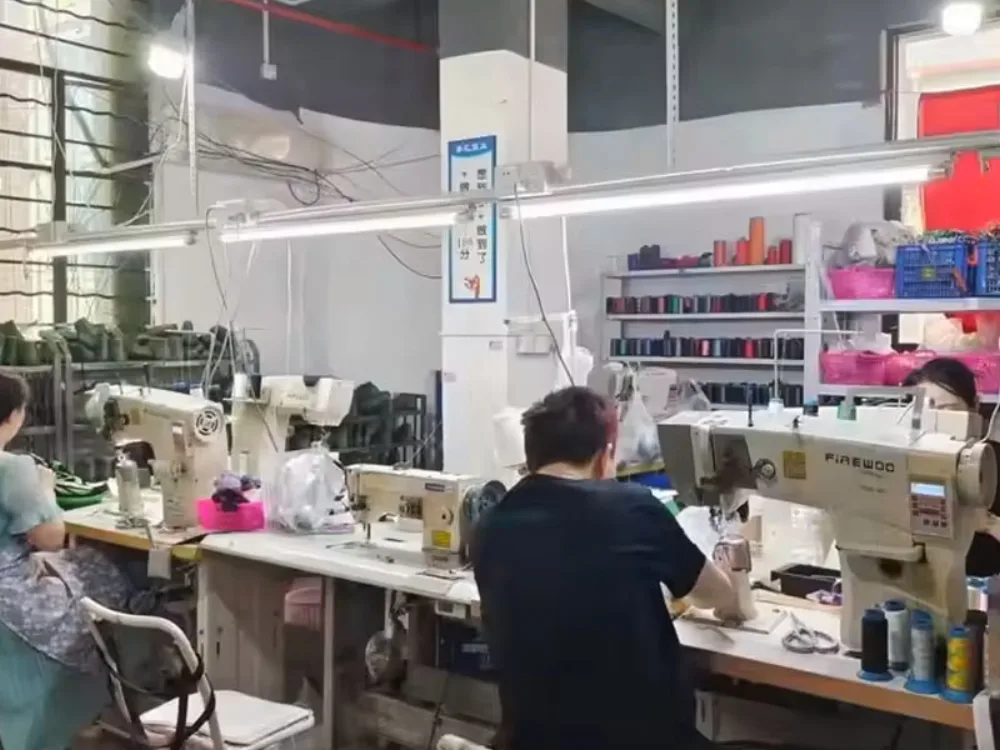
KEYTOP was founded in 2006. Its footwear operation is in Jinjiang, Fujian, China. The company profile records a 25,000 sqm site, 10 production lines and 157 employees. The sample team has 12 people; the design team has 20.
KEYTOP uses incoming-material checks, in-line inspection and final pre-shipment inspection. Sampling and manufacturing follow the selected shoe and agreed requirements; packing and shipment planning use the order’s quantities, destination and quoted terms.
| Supporting document | Scope |
|---|---|
| ISO 9001 | Held within the footwear-production quality-management scope; relevant buyers can request the supporting document |
| amfori BSCI | Completed site social audit; supporting audit document available on request |
| GRS | Applicable supporting document for relevant styles using verified recycled materials |
| REACH/SVHC | Applicable related documents for the selected EU-market product and materials |
The factory profile gives the company information and first-party production photographs. Product and destination requirements stay with the selected assortment brief.
A quotation uses the selected styles, component requirements, quantities and packing on a consistent basis. Information already available can begin the review; open choices can be clarified during that discussion.
| Detail | Information to include where known |
|---|---|
| Buyer and market | Company, contact person, intended wearer, sales channel and destination |
| Footwear | Selected families, references, drawings, samples or Tech Packs |
| Fit and quantities | Last or fit reference, size scope and pairs for each style, color and size |
| Branding and labels | Authorized artwork, placement, label text and barcode data |
| Packing | Individual pack, retail box where needed, cartons, allocation and marks |
| Timing and shipment | Sample needs, requested timing, destination and preferred shipment basis |
An ecommerce brief adds the match between the footwear sample, listing identity and variant information. Those requirements can accompany a retail assortment that serves several channels.
Casual sneakers, casual shoes, boots and outdoor footwear start at 1,000 pairs per style, color and size. Sandals, slippers and slides start at 1,500 on the same basis. Variants cannot be combined to reach a minimum.
Yes. A brief can identify several families. Each selected shoe and variant retains its own specification, quantity and packing requirements, with the minimum applied separately.
For adults, EU 35–47 is general production guidance. The children’s EU 22–34 range serves only as a planning reference for overseas inquiries. Model, last, fit, grading and tooling review determine the selected shoe’s size offer.
Material and colorway choices, logo and insole branding, outsole branding, and box and carton branding are supported. Authorized artwork, placement and pack requirements belong with the selected style.
Yes. Buyer-provided barcode data, label text, pairs per carton and requested allocation can be included with the packing brief. These details follow the chosen styles and quantities.
Samples typically take 7–15 days after sample requirements and usable specifications are confirmed. Standard production typically takes 35–45 days after specifications, sample approval, material assumptions, packaging and the production slot are confirmed.
Sample and courier costs are paid by the buyer. A bulk order qualifies the sample charge for a refund; the sample is paid in full before dispatch.
Bulk orders use T/T with a deposit of at least 30% and the balance settled before shipment. Usual terms are FOB or CIF from Xiamen or Shenzhen; the quotation specifies the exact port, destination and Incoterm.
The buyer’s accepted sample and agreed specification can identify the previous shoe. Requested changes to sizes, materials, artwork, quantity or packing belong in the new brief.
Relevant buyers can request supporting ISO 9001 and amfori BSCI documents within their company-system and site-audit scope. Applicable GRS or REACH/SVHC-related documents follow the selected recycled-material style or EU-market product and materials.
Send the footwear families or references and the project information already available. Quantities by variant, fit and size requirements, authorized branding, labels, packing, sample needs and destination help define the next sample or manufacturing quotation step.
A requested shelf or arrival date gives the planning discussion its target. The confirmed product, production and shipment conditions establish the order schedule.