
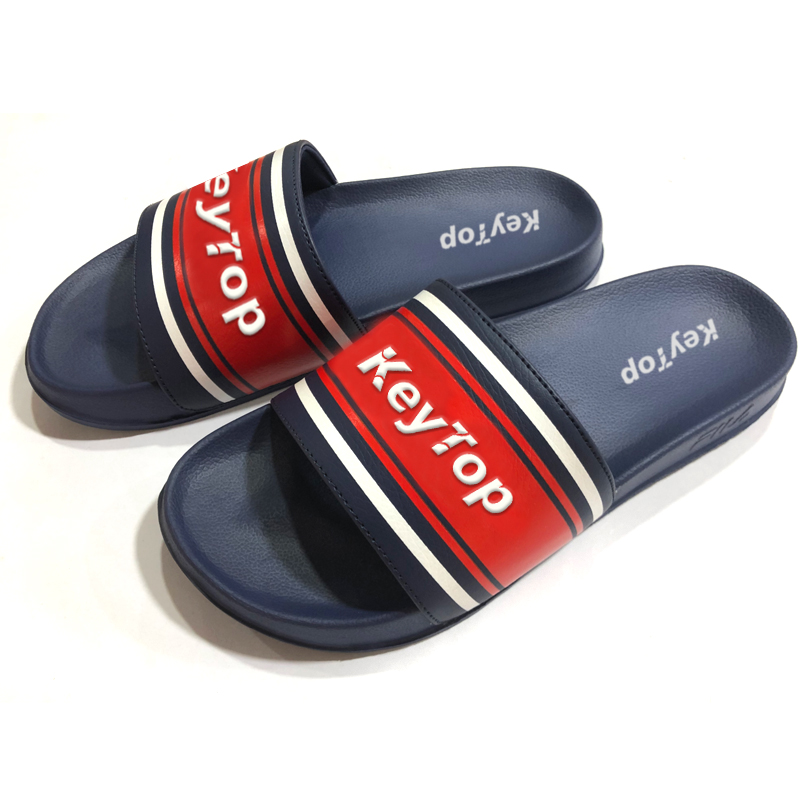
Custom Logo Shoes: Insole, Outsole, Box, and Carton Branding
A custom logo shoe order needs a written specification before the buyer can plan custom artwork, dielines, samples, finishes, and production handoff; otherwise suppliers may quote different product and approval assumptions.
This guide maps custom logo shoe specifications and evidence to comparable sample requests and RFQ fields.
Direct answer: For custom logo shoes, align artwork files, dimensions, material and finish targets, a signed-off sample, packing instructions, and the bulk-production handoff in one controlled specification.
What custom logo shoes manufacturer inputs buyers should prepare before RFQ
A custom logo order is only as clear as the input pack behind it. Prepare the artwork, the surface list, the color reference, and the approval owner before the first enquiry, or the suppliers will each design a different product and the quotes will not compare.
Agree product-specific sample requirements before approval. The ISO 2859-1 acceptance-sampling scope concerns inspection by attributes of identified lots. It does not define the prototype’s fit, finish, branding tolerance or performance limits; retain those agreed criteria separately from any later lot-sampling plan.
| Approval item | Change risk | Who signs off | Verification check | Next action |
|---|---|---|---|---|
| Artwork file version | A redesign after sampling moves the schedule | The buyer brand owner | A locked file name and version | Attach the file to the RFQ |
| Logo surface list | An unlisted surface is left unbranded | The buyer product manager | A surface map for upper, insole, outsole, box, and carton | Confirm each surface before sampling |
| Color reference | A shade mismatch across surfaces | The buyer and the factory | A lab dip or physical standard | Approve the reference before bulk |
| Material grade and packing dieline | A substitute material or box size changes the look and the cost | The buyer sourcing owner | The material code and a box proof | Lock both in the specification |
| Quantity and size run | A quantity surprise after tooling and material are committed | The buyer planner | The written minimum by style, color, and size | Confirm MOQ in the quote |
How to approve custom logo shoes manufacturer samples before bulk
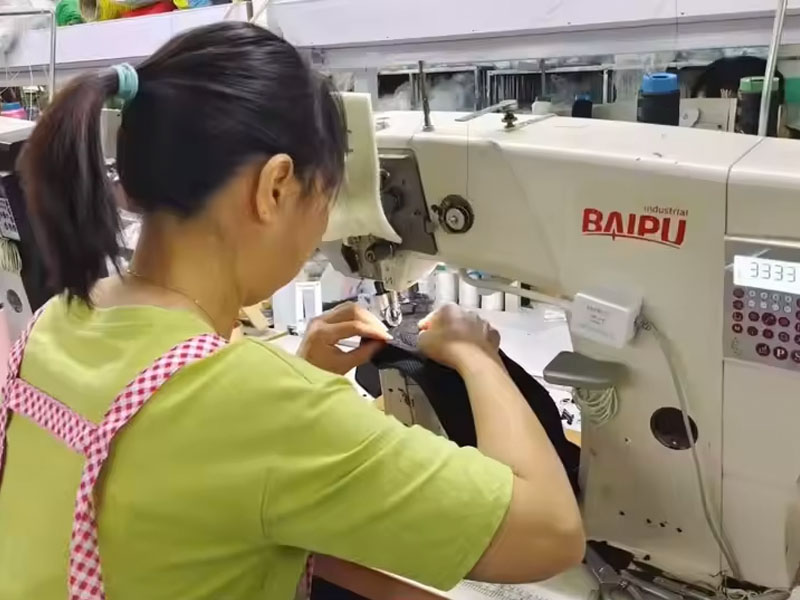
Approve the branding sample on the surfaces and the tolerances you will accept in bulk, not on how one logo looks in a photo. A supplier that runs a structured prototype and sample development process will take the same inputs you use for casual shoes and return a comparable sample.
| Requirement | Factory control | Evidence to verify | Order risk | RFQ follow-up |
|---|---|---|---|---|
| Logo application method | Uses the approved print or embroidery method | Compare the sample with the approved artwork | A substitute method changes the finish | Confirm the method in the RFQ |
| Insole and outsole branding | Prints or embosses the approved mark | Check each branded surface on the sample | An unbranded surface is found at inspection | List each surface in the order |
| Color match | Works to the approved color reference | Compare the sample with the lab dip | A shade mismatch rejects the lot | Approve the reference before bulk |
| Sample revision | Keeps one signed reference revision | Check the revision number on the sample | Bulk is built on an outdated sample | Confirm the revision before release |
- Step 1 – confirm the artwork, surface list, and color reference with the buyer before sampling, because the sample can only be as specific as the inputs. The risk is a redesign after sampling.
- Step 2 – ask the factory to make one branded sample per critical surface and to record the method, so the approval covers the surfaces that carry the logo rather than only the upper.
- Step 3 – compare the sample with the approved artwork and lab dip, then sign and retain the approved sample with its revision number. A late artwork or method change moves the sample lead time and adds cost, so confirm the schedule and the cost effect before the sample is remade.
RFQ checkpoint
Send category, quantity, size run, material, branding, packaging, sample, QC, and timeline details for review.
Which custom logo shoes manufacturer logo surfaces survive production
Not every surface survives the same process. A mark that looks sharp on an insole can distort on a curved outsole or fade on a carton, so the buyer should choose the surface and the application method together and treat the choice as a comparison table rather than a single design decision.
Logo placement and application method
Compare the surfaces before approving the artwork. The table below is a comparison table for the main branding surfaces, and each row shows which surface is best for which goal, the approval risk, the verification check, and the next action. Buyers planning a branded program can match the surfaces to the footwear products range they are ordering.
| Surface | Best for | approval risk | Verification check | Next action |
|---|---|---|---|---|
| Upper | Visible brand identity on the finished shoe | A print or stitch that distorts on a curved panel | Inspect the sample panel at the logo position | Approve the upper method with the sample |
| Insole | Branding the buyer sees at unboxing | A print that fades or transfers | Record the applicable print wear or adhesion method, conditions and acceptance criteria for the chosen insole material | Confirm the insole material and ink |
| Outsole | Durable brand mark on the ground | An emboss too shallow to read | Compare the molded mark with the artwork | Confirm the mould and depth |
| Box and carton | Retail presentation and carton marking | A print misalignment or a wrong mark | Check a printed box proof and a packed carton | Approve the dieline and artwork |
| Hangtag or label | Compliance and price information | A missing or illegible tag at goods-in | Check the tag against the buyer requirement | Confirm the tag content in the RFQ |
How to lock custom logo shoes manufacturer materials and colorways
Lock the material and the color before the logo is applied, because a branding sample approved on one material does not transfer to a substitute. For development support on a branded program, review OEM and ODM footwear manufacturing before the material and color reference are frozen.
Material grade and color reference
Record the material grade, the component codes, and the color reference that the sample was built on, and make any later material change a fresh approval rather than a routine substitution. A material that changes hand feel or dye absorption will change how the logo reads, so the buyer should confirm the grade and the surface before bulk.
Lab-dip approval
Approve the color with a lab dip or a physical standard under one documented viewing method, and keep the approved dip with the signed sample. A verbal color direction cannot be checked at bulk, so the reference should be a physical or measured value that both sides can compare.
| Check | Why it matters | How to verify | Risk if missed |
|---|---|---|---|
| Material grade matches the approved specification | A substitute changes the finish and the logo read | Compare the component code with the signed spec | An off-spec lot is rejected at inspection |
| The color reference is approved | An unapproved shade cannot be sold | Compare the production lot with the lab dip | A rejected shipment and a remake |
| The approval owner is named | A late change has no gate | Look for a dated approval on the record | An unapproved revision reaches bulk |
Which custom logo shoes manufacturer packaging and carton marks to approve
Packaging carries the brand after the shoe leaves the line, so approve the box artwork, the inner packing, the label, and the carton mark together rather than as separate print jobs. Confirm the packing proof with the factory before the print run starts, because an error in any one of them is visible to the buyer at unboxing or to the retailer at goods-in inspection.
Box artwork and inner packing
Approve the box dieline and artwork with a printed proof, and confirm the inner packing: tissue, insert, hangtag, and the placement of the logo inside the box. A proof on screen does not show paper texture, ink coverage, or a fold line, so the buyer should approve a physical proof before the print run.
Label placement and carton mark
Confirm the label content and its position, and check that the carton mark carries the style, color, size, and quantity the retailer needs. A label that covers the mark, or a mark that disagrees with the packing list, creates a repack or a claim, so verify one packed carton before release.
| Check | Why it matters | How to verify | Risk if missed |
|---|---|---|---|
| The box proof matches the artwork | A print error is visible at unboxing | Hold a physical proof against the file | A rejected print run and a delay |
| The inner packing list is complete | A missing insert changes the unboxing | Open one packed box | A customer complaint and a return |
| The label and carton mark agree with the order | A mismatch stops receipt at the retailer | Scan and read one carton | A rejected or delayed order |
See footwear sourcing solutions for aligning the product baseline, sample evidence, packing record, and quote owner before order release.
In conclusion
Custom logo work is a specification problem before it is a design problem. When the buyer locks the artwork, the surfaces, the material, the color reference, and the packing proof once, the factory can hold them, and the approved sample becomes the baseline for bulk.
Keep the signed sample, the specification, and the packaging proof with the order, and treat any branding change as a new approval with its own cost and date. That record is what protects the brand on the shelf.
To move the decision forward, compare the branding surfaces you are considering and request a quote against the locked specification so the supplier can confirm the material, method, and packing before sampling. Review private label footwear programs to match the order to the right production route.
Custom logo shoes manufacturer FAQ
What should buyers verify before approving custom logo shoes manufacturer?
Verify the artwork version and surface list, the application method, the material grade, the color reference, the sample revision, the packing proof, and the approval owner. Ask for a branded sample on each critical surface, and keep the signed sample and the approved color reference with the order.
How do custom shoe businesses get their shoes?
Most brands brief a manufacturer with a specification, approve a sample, then place a bulk order. The efficient route is to send the artwork, the surface list, the material direction, the quantity, and the target date together, so the factory can confirm feasibility and return a comparable sample instead of a guess.
Do you create custom shoes with logo for brands or private labels?
Yes. Custom logo and private-label work uses the buyer’s own authorized artwork and design direction; KEYTOP supports logo customization, insole and outsole branding, and box and carton branding. Protected-brand copying is not offered, and the buyer should be able to confirm the artwork is theirs to use.
What Is the MOQ for Custom Shoes?
MOQ is 1,000 pairs for one style, one color, and one size for casual sneakers, casual shoes, boots, and outdoor footwear, and 1,500 pairs for sandals, slippers and slides; styles, colors, and sizes cannot be mixed to reach the minimum. The MOQ interacts with the artwork and the material, so confirm the exact basis for your program in the quote.
RFQ handoff: Send category, quantity, size run, material, branding, packaging, sample, QC, and timeline details for review. Send Specs for Review.