










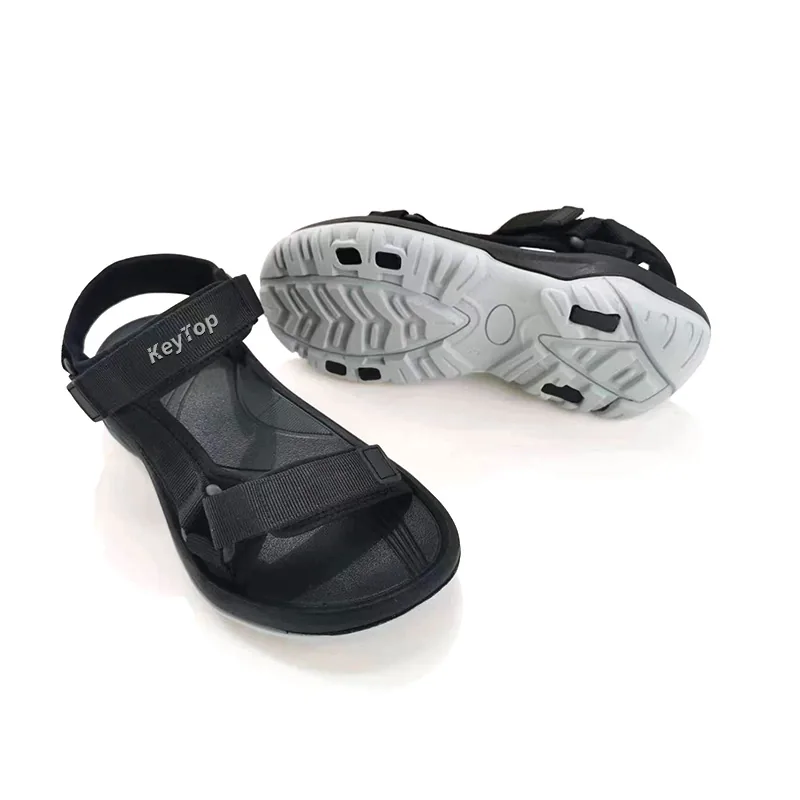
Boot for private label and wholesale needs a written specification before the buyer can shortlist Boot Manufacturer Checklist for Private Label and Wholesale Buyers suppliers using proof, capability, quality, MOQ, and delivery criteria; otherwise suppliers may quote different product and approval assumptions.
Add buyer-facing category fit, RFQ inputs, MOQ/sample/lead-time questions, boot upper/lining/outsole QC checks, and private-label risk controls.
Direct answer: For boot for private label and wholesale, compare matched samples, documented production capability, quality records, quantity rules, and delivery assumptions on the same basis.
Define the boot program the supplier must prove
The buyer needs to decide which supplier or factory signals are strong enough for the Boot Manufacturer Checklist for Private Label and Wholesale Buyers shortlist: what to confirm, what supplier proof to request, and which RFQ, sample, or approval step comes next.
| Requirement | Factory control | Evidence to verify | Order risk | RFQ follow-up |
|---|---|---|---|---|
| Sample approval | Freeze signed counter sample before grading, tooling, and material booking | Inspect sealed sample against tech pack, photos, and approved revisions | Unapproved samples cause disputed workmanship, delayed shipment, and chargeback exposure | Ask for sample approval protocol before issuing purchase order |
| MOQ and order quantity | Confirm category MOQ by style, colorway, size run, and schedule | Measure quote against packing plan, size curve, and purchase forecast | Split buys can trigger surcharge, leftover materials, or rejected allocation | Request RFQ showing MOQ basis, price breaks, and replenishment options |
| Material / substrate | Lock upper, lining, outsole, trims, and substitute approval route | Test swatches, inspect supplier cards, and sample-approve construction layers | Uncontrolled substrates change fit, color, durability, and landed cost | Approve material board before supplier follow-up on final quotation |
| Width or size tolerance | Lock last, outsole mold, size grading rules, and width standard | Measure graded samples against fit chart and approved last data | Tolerance drift creates returns, carton relabeling, and market-fit complaints | Ask for pre-production size set before bulk cutting approval |
| Finish or color control | Define finish standard, color target, batch controls, and lighting conditions | Inspect lab dips, production panels, and finished pairs under agreed light | Shade variation can split assortments and delay retail release approval | Shortlist suppliers that document color approval and batch traceability |
Material and specification fit
Boot sourcing decisions become comparable when the buyer separates desired appearance from manufacturable construction. Ask the factory to align upper choices, lining, outsole compound, closure hardware, and packaging with one controlled specification file. That file should make substitutions visible before costing, so sample feedback becomes a purchasing decision rather than a design debate.
MOQ, cost structure, and lead time
Commercial approval should connect order depth with material booking, tooling readiness, packing method, and the factory production slot. A buyer should not treat the lowest unit price as confirmed until the supplier explains what assumptions sit behind it. Confirm all commercial numbers in the written RFQ, including quantity basis, sample charges, bulk timing, and change-cost triggers.
Supplier reliability and quality checks
A credible boot supplier should show how approvals move from development to production without losing traceability. For private label and wholesale programs, the buyer’s buyer follow-up is to request records for incoming materials, in-line review, final inspection, and corrective handling. Shortlist the factory that can document responsibility, not only promise capacity.
Questions to confirm before ordering:
- Which upper, lining, outsole, size run, colorway, and packaging specs are fixed? Incomplete specs make supplier quotes, samples, and MOQ comparisons unreliable. Supplier returns a marked spec sheet and confirms open items before sampling. Uncontrolled substitutions create sample disputes, cost changes, and reorder mismatch. Send one spec pack and require written variance notes in the RFQ.
- What incoming, in-line, and final QC checks apply to this boot program? Boot construction issues often appear after cutting, lasting, bonding, or packing. QC plan names inspection stages, measurement points, defect limits, and photo records. Late defects can pass into packed cartons and delay shipment approval. Approve a sample scorecard and require QC records before shipment release.
- Has the factory produced similar private-label boots with this construction and packaging? Past process fit reduces trial-and-error during sample room and bulk setup. Supplier shows comparable samples, process flow, tooling notes, and material sources. Weak category fit can cause wrong lasts, outsole mismatch, or rework. Shortlist only suppliers that prove construction fit before quote comparison.
- What minimum order, sample timing, bulk lead time, and price basis govern each SKU? Order economics change by style, colorway, size run, material, and packaging. Answer aligns with 1,000 pairs per category and 7-15 day sampling. Hidden minimum order splits can break assortment plans and landed-cost forecasts. Confirm by quote request, then reserve production slot after sample approval.
- Who signs off the pre-production sample, tolerances, and approved deviation list? Clear ownership prevents informal changes from entering bulk production. Supplier links approval sheet, sealed sample, tolerance notes, and revision history. Unrecorded approvals create chargebacks, rejections, and reorder inconsistency. Issue written approval gates for sample, materials, packing, and inspection.
The comparison turns on how tightly each supplier can read the same boot brief. A usable file covers upper material, lining, outsole, last shape, trim, size run, colorways, labeling, and packing. If water resistance is part of the claim, name the test method, such as ISO 17702 for upper water resistance, rather than accepting loose wording.
minimum order and timing should be checked at SKU level, not only at program level. KEYTOP’s baseline is 1,000 pairs per category, with sample timing of 7-15 days after usable specs are confirmed and standard production of 35-45 days after approvals, assumptions, packaging, and slot confirmation. Different materials or packing can change the quote request result.
Supplier reliability is proven through process records, not promises. Look for sample-room notes, material approval files, in-line inspection points, final QC records, and carton handling controls. A capable boot supplier should explain where defects are caught before packing, and what evidence the buyer receives before shipment approval.
Verify last, pattern, upper, and closure capability
| Option | Best fit | Trade-off | Risk to avoid | Verification | Follow-up |
|---|---|---|---|---|---|
| Carry-over boot last with existing upper pattern | Repeat orders where fit history and size grading are already approved | Lowest development burden, but limited silhouette and toe-shape change | Hidden fit drift if pattern revisions bypass the approved last | Check last code, grading sheet, trial pair, and pattern revision log | Approve only after supplier maps every upper change to the last |
| Factory standard last with revised boot upper | New seasonal styles needing faster sourcing without custom last investment | Better design flexibility, but fit depends on factory last library | Upper may crease, gape, or pull if pattern balance is weak | Review standard last photos, shell fitting notes, and closing-room trial output | Shortlist factories that document pattern corrections before sales sample approval |
| Custom last with new pattern and closure layout | Brand-owned fit platform for differentiated boot collections and repeat ranges | Higher development cost from last making, pattern engineering, and testing rounds | Spec creep can reset fit approval and confuse production handoff | Verify last drawing, pattern card, closure placement, and approval sample comments | Freeze design tolerances and require written sign-off before bulk materials booking |
| Proven lace-up boot upper with standard lining package | Safer fallback when design risk outweighs novelty for launch orders | Less distinctive look, but easier factory execution and inspection control | Buyer may lose shelf differentiation if fallback is not branded carefully | Check stitching margin, eyelet reinforcement, lining compatibility, and flex points | Use as backup route if custom closure testing shows unresolved defects |
Evaluate the options in this decision matrix as one decision scope. Use this decision matrix as an approval sequence, not as a supplier claim. For carry-over boot last with existing upper pattern, a poor decision can mean hidden fit drift if pattern revisions bypass the approved last. Ask the supplier to check last code, grading sheet, trial pair, and pattern revision log.
Preserve the carry-over boot last with existing upper pattern decision under one revision number: keep the supplier response, marked sample, approved specification, quotation, and approval owner together. If the evidence conflicts with the approved record, hold the quote, sample, or production release until the deviation is explained in writing. Once the buyer and designated technical authority have accepted the evidence, carry the signed approval record into the purchase order, production handoff, shipment release, and later reorder review so every team works from the same baseline.
Decision criteria to confirm
Use last and pattern evidence as the shortlist gate, not a verbal claim. For private label footwear programs, the factory must show how the boot shape, upper panels, and closure parts work together. If the fit base is unclear, design approval becomes guesswork and later inspection has no stable reference.
RFQ details to send
The quote request should ask for last code availability, pattern status, upper material assumptions, lining choice, and closure hardware details. Keep the request tied to drawings, photos, and approval samples. This prevents suppliers from quoting different constructions under the same style name, which makes comparison weak and rework likely.
Production handoff details
At handoff, the sample room and production team need the same control file: final last reference, locked pattern version, upper cutting notes, and closure placement marks. We run this check because small changes at the closing bench can shift fit, strain seams, or make pairs inconsistent across sizes.
quote request checkpoint
Send category, quantity, size run, material, logo/packaging, sample target, QC, and timeline details to KEYTOP for quote request review.
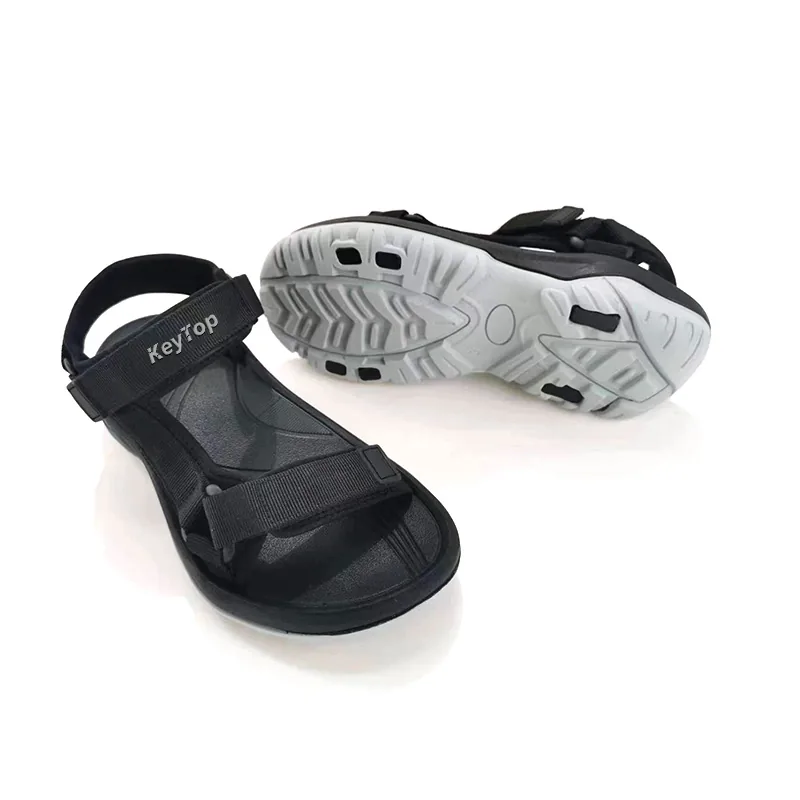
Verify lining, reinforcement, and bottom construction capability
Ask for a cut-open reference boot or construction sheet that maps the approved sample to its lining, toe and counter reinforcement, shank, outsole, and attachment method. This makes the boot manufacturer checklist verifiable before price, minimum order, or reorder commitments are discussed.
Supplier evidence to request
Confirm whether the factory has produced the same boot category and construction route you are requesting, not just general footwear products. Your quote request should name the lining material, reinforcement type, bottom unit, bonding or stitching method, packaging expectation, and any OEM or ODM support needed for private label execution.
Sample approval evidence
During sample review, compare comfort, flex, heel hold, lining finish, edge treatment, and outsole attachment against the quote request. Ask which changes affect tooling, material sourcing, unit cost, minimum order, or sample resubmission, because hidden construction changes can create bulk-production risk.
Reorder control records
Before wholesale reorder placement, require a retained sample file, material references, and a revision record tied to the confirmed boot spec. This handoff helps the factory repeat the same lining, reinforcement, and bottom construction instead of substituting available components during later production.
Review component sourcing and approved-material control
At the Review component sourcing and approved-material control checkpoint, keep each boot manufacturer checklist for private label and wholesale buyers requirement beside its supplier proof and approval owner.
- Supplier capability for boot component sourcing: Verify supplier's approved-material list for upper leather, lining, outsole, and hardware against spec sheet. Supplier provides material supplier certificates and in-house test reports for each component. Supplier cannot document material source or grade, increasing substitution risk during bulk production. Request material data sheet and test report with sample submission; hold approval until matched.
- minimum order and order quantity allocation: Confirm minimum order applies per style, colorway, and size run, not as a single total across the boot program. Supplier provides written minimum order breakdown by style, color, and size before quoting. Supplier assumes single-color run, causing material shortages or cost overruns at bulk stage. Request written minimum order allocation by style, color, and size; compare against quote request before shortlisting.
- Quality control plan for boot production: Review QC plan referencing same spec revision and sample ID, with inspection points for upper cutting, stitching, lasting, and outsole bonding. Supplier maintains a change-control register linking sample ID, spec revision, and packing version. No in-line checks; bulk production may deviate from approved sample without documented change control. Request QC plan and verify it references the same spec revision and sample ID before production release.
- Verification method for approved-material control: Ask supplier to compare production sample against signed-off reference sample and spec sheet for material compliance. Supplier provides dated change log with named approval authority for every material revision. Deviation from approved sample without written explanation, leading to fit or quality disputes. Hold production release until deviation is explained in writing; attach proof to quote request confirmation.
- Approval risk for component sourcing: Assess risk of quote mismatch, unexpected cost, sample rejection, or reorder drift from unapproved material changes. Supplier has documented recovery plan for common disruptions like material shortages or line stoppages. Unapproved material substitution during bulk production causes quality disputes and packing errors. Approve only after sample review; carry signed decision record into purchase order and production handoff.
Specification details to confirm
Before approving a boot supplier, confirm that the spec sheet lists each component's source, grade, and test standard. This includes upper leather thickness, lining abrasion resistance, outsole compound hardness, and hardware corrosion rating. A complete spec sheet prevents material substitution and construction changes during production, ensuring the final product meets your brand's durability and comfort expectations.
Sample approval record
The sample approval record must tie the production sample to the signed-off reference sample and spec sheet under the same revision number. Verify that the supplier's change-control register links sample ID, spec revision, and packing version. This traceability prevents unauthorized changes during bulk production and ensures that every deviation is documented and approved before the line starts.
Production handoff notes
Carry the signed decision record into the purchase order and production handoff so the same checks support quote comparison, sample approval, shipment release, and later reorders. Ensure the supplier maintains a documented recovery plan for common disruptions such as material shortages or line stoppages. This operational maturity reduces the risk of late shipments and quality disputes.
Use OEM and ODM footwear manufacturing to place review component sourcing and approved-material control in the wider buying path.
Check sample-room ownership and revision discipline
The useful proof is a controlled sample file: one approved boot sample, one revision log, and one named owner who can explain every change. Shortlist the supplier only if the sample room can show how a private-label boot moved from buyer brief to corrected sample without losing the agreed construction, branding, or packing reference.
The trade-off is speed versus control. A fast sample looks attractive, but an unowned revision creates a bad buying record: the quote may follow one version, the sample may show another, and bulk production may copy the wrong detail. In the factory, we check whether the sample room keeps marked uppers, fit comments, logo placement notes, and material-change reasons together before production receives the file.
- Check who owns the sample file. If sales, development, and QC give different answers, require one written owner before sample approval.
- Compare the physical boot against the latest buyer-approved specification. Any mismatch in upper package or branding position needs a written change reason.
- Verify that rejected sample comments did not disappear. Lost comments often return later as bulk defects, chargebacks, or retail rejection.
- Document the production approval gate. KEYTOP uses incoming materials, in-line inspection, and final inspection before shipment as QC checkpoints, but the sample-room file still needs to tell the line what to inspect.
- Tie the quote request to the same revision record. If quantity, material, or packing assumptions change, treat the quote as revised instead of comparing it with older supplier prices.
Use this check before you compare custom boot suppliers. A supplier with clean revision discipline may not be the cheapest, but it gives procurement a better basis for approval, inspection, and reorder control. For company background, review the KEYTOP factory before sending the final sample brief.
Confirm production QC, inspection evidence, and reorder records
An unclear approval record can turn a boot reorder into a margin problem: the factory may quote one material set, sample another, and mass-produce against a different interpretation of the same style.
Supplier proof to request
Ask the boot manufacturer for a controlled QC trail tied to the approved sample: material confirmation, upper and lining checks, outsole attachment records, in-line inspection notes, final inspection photos, packing confirmation, and a revision log. For deeper supplier audit framing, buyers can compare evidence requests against https://keytopbarefootshoes.com/barefoot-boots-audit-supplier-scorecard.
RFQ details for production qc inspection evidence
Your quote request should state the boot category, size range, target materials, lining preference, outsole concept, branding method, packaging expectation, sample status, and any buyer-required inspection point. Ask the supplier to confirm what is included in the quoted cost and what requires separate approval.
Quantity and lead-time basis
Do not accept minimum order or lead-time statements without context. Ask whether the basis depends on upper material sourcing, outsole tooling, sample approval speed, color assortment, or repeat-order stock records. A reliable factory should explain how it will hand off the approved sample into production and how reorder changes will be documented.
Compare MOQ, lead-time assumptions, capacity, and communication
For boot manufacturer checklist for this order wholesale buyers, treat the listed items as quote request inputs. Match each buyer input to written supplier confirmation, approval evidence, and the risk that would hold the quote.
- minimum order per style, colorway, and size run: Prevents supplier from assuming single-color run, which causes material shortages or cost overruns. Request written minimum order allocation by style, colorway, and size before quoting. Unexpected cost escalations and delivery delays at bulk stage. Confirm minimum order breakdown in quote request and attach to spec revision.
- Lead-time assumptions for sample and bulk production: Aligns production schedule with retail calendar and avoids missed delivery windows. Verify sample lead time (7-15 days after spec confirmation) and bulk lead time (35-45 days after sample approval). Sample iteration costs and inflated production delays. Request written lead-time commitment tied to spec and sample approval dates.
- Cost driver breakdown by tooling, material, labor, and packaging: Reveals hidden charges for minimum order adjustments or packing changes after sample approval. Require cost breakdown per style, colorway, and size run, separate line items for each driver. Unexpected cost escalations and renegotiation at bulk stage. Verify breakdown ties to spec revision and sample ID before shortlisting.
- Quality control plan referencing spec revision and sample ID: Ensures traceability and prevents unauthorized changes during bulk production. Request QC plan with inspection points for upper cutting, stitching, lasting, and outsole bonding. Bulk production deviates from approved sample without documented change control. Verify QC plan references same spec revision and sample ID as approved sample.
- Buyer follow-up: documented change-control register: Links sample ID, spec revision, and packing version for reorder consistency. Ask supplier to show dated change log with named approval authority for every revision. Reorders drift from original approved sample, causing quality disputes. Carry signed decision record into purchase order and production handoff.
MOQ structure by material and process
minimum order for boots is determined by material minimums (leather, lining, outsole) and process setup (lasting, stitching, assembly). A factory may require 1,000 pairs per style, but splitting across colorways and sizes increases material waste. Request minimum order per combination to avoid shortages or overruns. This ensures cost accuracy and production feasibility before quoting.
Sampling and bulk lead-time assumptions
Sample lead time assumes spec confirmation and usable material availability. Bulk lead time depends on sample approval, material procurement, and production slot allocation. Confirm both in writing with the factory, accounting for transit and rework. Without documented lead-time assumptions, sample iterations and bulk delays cascade into missed retail windows and inflated costs.
Rush-order and reorder constraints
Rush orders require expedited material sourcing and line reallocation, often increasing cost per pair. Reorders must match original spec revision and sample ID to avoid drift. Verify the factory's documented recovery plan for common disruptions such as material shortages or line stoppages. Without these constraints, rush orders risk quality compromise and reorders risk specification deviation.
Use the boot supplier capability scorecard
- Supplier answers only with price and avoids boot construction questions: Quote may hide process gaps, remake cost, and delayed approvals Compare replies against a weighted capability scorecard before shortlisting Request factory profile, boot category history, and sample-room workflow evidence Shortlist only suppliers that explain risks and production controls
- No written incoming, in-line, and final inspection checkpoints: Defects may reach packing before the buyer can intervene Verify QC gates before sample approval and bulk booking Request inspection checklist, defect codes, and signed QC reports Hold approval until QC records match the agreed boot standard
- Supplier changes materials or construction without written buyer approval: Reorders can vary from approved samples and trigger claims Document approval authority and freeze changes after sample sign-off Request signed sample card, revision log, and change notices Reject bulk launch until approval records are complete
- Supplier cannot show test method or inspection evidence: Capability claims stay unverifiable during dispute or shipment review Check evidence before weighting the supplier as approved Request lab summaries, inspection photos, and retained sample records Move supplier to conditional status until evidence is reviewed
Stop on these boot supplier red flags
The clearest proof is a supplier record that ties the approved boot sample to the quote request: last, pattern, upper material, lining, outsole, hardware, color standard, packaging file, and named revision owner. If any item is missing or treated as “to be confirmed,” pause the award.
Inspection basis to agree
Ask which standard the factory will inspect against and which defects are critical for your boot category, such as weak cementing, crooked shafts, mismatched pairs, unstable heels, or lining wrinkles. A vague promise of “good quality” is not a control plan.
Packing and marking details
Confirm carton marks, inner packing, barcode placement, size run, care labels, and country or market marking requirements before costing. Unconfirmed packing can change unit cost, carton planning, and shipment readiness.
Change control after sign-off
For OEM or ODM boot programs, require written approval before material substitutions, tooling changes, or sample deviations. Your quote request handoff should also ask for minimum order, sample charge, sample timing, production lead-time assumptions, and what happens if the approved component becomes unavailable.
References: ISO 17702 upper water resistance; Private Label Activewear Manufacturer for Low minimum order Startup .; How to Find Low-minimum order Manufacturers for Private Label Dropshippin….
In conclusion
The final approval for a boot manufacturer comes down to documented evidence against your spec, cost, and quality requirements. Before you shortlist a supplier, verify that every quote request input—from last and pattern to minimum order and lead time—has a written supplier confirmation tied to the same revision number. Compare the supplier’s capability scorecard against your approved sample and spec sheet, then hold production release until any deviation is explained in writing. This checklist ensures that cost drivers, material sourcing, and quality control plans are validated before you approve a sample or commit to bulk production.
To shortlist a supplier, visit boots and confirm the final specification, quote assumptions, sample approval, QC evidence, approval risk, and supplier follow-up before bulk order.
Frequently Asked Questions
What should buyers send before asking for boot pricing?
Only if the buyer first sends a complete specification package covering the boot’s last, pattern, upper material grade, lining type, outsole compound, and closure method. Document each component’s source and test standard in the quote request, then request a cost breakdown per style, colorway, and size run showing tooling, materials, and labor. This prevents hidden charges for minimum order adjustments or packing changes after sample approval. Verify the supplier’s written confirmation ties to the spec revision, and approve only after sample review. Approving the wrong structure or supplier proof can create quality, cost, or delivery problems.
Is 1,000 pairs always the MOQ for boot orders?
Only if the buyer confirms the minimum order per style, colorway, and size run combination with the supplier. A factory may require a baseline quantity per category, but splitting across colorways and sizes increases material waste, so request the minimum order for each combination to avoid shortages or overruns. Check the supplier’s written confirmation against the approved spec revision, and approve only after sample review. Approving the wrong structure or supplier proof can create quality, cost, or delivery problems.
How long does sample and bulk production normally take?
Only if the buyer documents the sample lead time after spec confirmation and the bulk lead time after sample approval, material procurement, and production slot allocation. Sample lead time assumes usable specs are confirmed, and bulk lead time depends on those approvals. Confirm both in writing with the supplier, accounting for transit and rework, and verify the factory’s documented recovery plan for common disruptions such as material shortages or line stoppages.
Should buyers request waterproof proof for boot or outdoor footwear?
Only if the buyer requests a documented waterproof test method and result from the supplier as part of the quote request. Specify the required test standard, such as a hydrostatic head or water immersion test, and confirm the lining and outsole construction support the claim. Verify the supplier’s test report references the same spec revision and sample ID, and approve only after sample review. Approving the wrong structure or supplier proof can create quality, cost, or delivery problems.
How to waterproof boots
Only if the buyer documents the waterproofing method in the spec sheet, including the membrane type, seam sealing process, and outsole bonding technique. Request a sample cross-section cut to inspect the lining attachment and waterproof layer, then verify the supplier’s QC plan includes a water resistance test on production samples. Approve only after sample review and written confirmation of the method. Approving the wrong structure or supplier proof can create quality, cost, or delivery problems.
quote request handoff: Send category, quantity, size run, material, logo/packaging, sample target, QC, and timeline details to KEYTOP for quote request review. Send Specs for Review.