
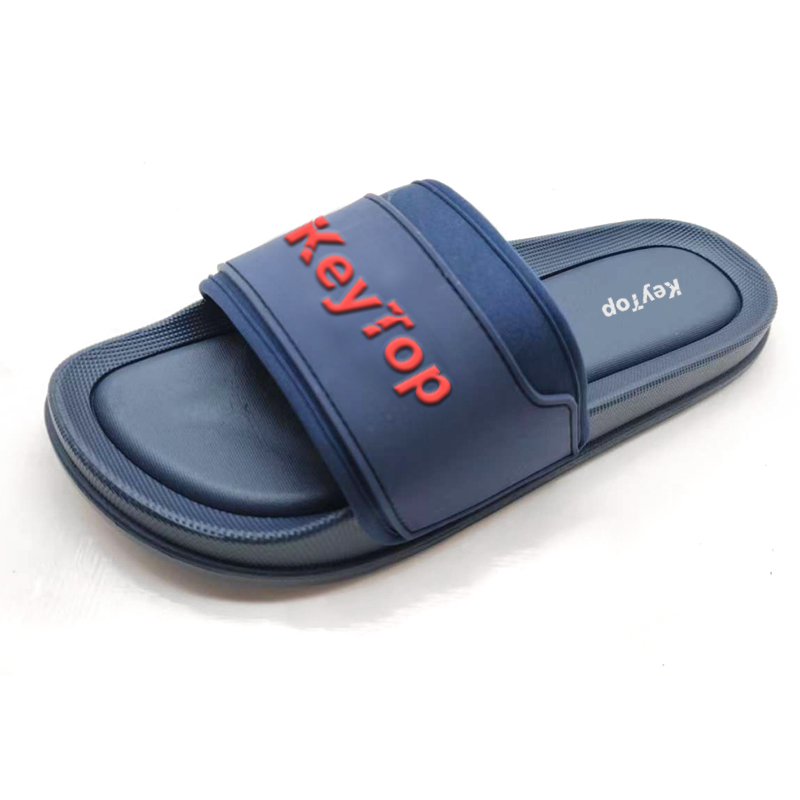
A slides and slippers retail range needs a written specification before the buyer can decide whether each style fits the use case, specs, MOQ, sample approval path, and supplier quote process; otherwise suppliers may quote different product and approval assumptions.
This guide connects slide and slipper range decisions to parameters, cost impact, supplier risk, factory process, and procurement advice.
Direct answer: Add a slide or slipper style to the range only after its specification, application fit, sample route, quantity rule, and supplier exceptions have been confirmed in writing.
Expected Outcome and Time Commitment
Slides and slippers look like one category on a shelf but behave as two: slide and slipper designs vary in opening, strap arrangement, footbed and lining. Identify the actual construction and intended use, and compare fit on the ordered sizes rather than assuming a universal footbed width from the category name. The comparison turns on three things a retailer can act on: the price band, the season and the material that carries the margin.
For a US-bound program, use the NIST footwear compliance guide, revised April 2016 as background only. Confirm the current requirements for the actual product, market and buyer with the responsible compliance reviewer before agreeing labels, materials or test scope; this historical overview does not approve an order.
| Requirement | Factory control | Evidence to verify | Order risk | RFQ follow-up |
|---|---|---|---|---|
| Construction type | Factory confirms the slide or slipper last and upper build | Sample pair compared against the approved reference | A mixed construction confuses the shelf and the buyer | State the construction per style in the RFQ |
| Footbed and sole | Factory states the footbed thickness and outsole grade | Footbed sample and sole specification on the sample card | A thinner footbed reads as lower value at the same price | Confirm footbed thickness in the quote |
| Upper material | Factory confirms material, lining and print method | Material swatch and print strike-off | A substituted material changes feel and margin | List the material code and print method in the RFQ |
| Destination market | Factory confirms labelling and compliance for the market | Compliance statement or test report for the market | A non-compliant label stops the shipment at the border | Confirm the target market before sampling |
Freeze the range before the sample round, not after, and confirm the MOQ per style, colour and material as part of the same step. A range that separates slides and slippers by price, material and market gets a sample plan that can be approved once and repeated on the next order.
Tools and Prerequisites
Before a retail range is priced, the buyer needs four inputs on one page: the price band, the season, the target market and the order quantity per style. The factory needs a range sheet it can quote, rather than a set of reference photos.
- Set the price band and the season. The buyer owns this input. Without it the factory prices a default construction that may not sell in the intended window.
- Confirm the destination market rules. The input is the labelling and material requirement for that market, and a wrong label is a shipment-level risk rather than a design detail.
- Shortlist slide and slipper constructions against the band. The output is two or three sample styles, each with a named material, footbed and sole.
- Request sample and bulk timing as conditions. A single date quoted before the specification is fixed is not a commitment the buyer can plan a launch around.
- Name the inspection basis and the approver. An unnamed approver becomes a delay at the sample gate, and an unstated inspection point leaves the reject decision open.
Retail buyers can start from the slippers and slides range to see which constructions are already offered, then bring the gaps to the factory as open questions. A retail assortment view such as this slides and slippers assortment shows how the two types sit at different price points on the same shelf.
Step-by-Step Process
A slide and slipper range holds together only when the price band, the season and the construction agree. A slide that carries a premium footbed and a slipper that carries the same footbed cannot sit in different price bands without one of them looking overpriced.
Step 1: Define the buyer requirement
Write the requirement as a range, not a single style. For each row set the price band, the target season, the destination market and the order quantity per style and colour. Slides and slippers often share a factory and a last, so the range sheet should say explicitly which construction each style uses and whether the footbed is common or dedicated.
Where a US channel is involved, add the labelling and material expectation for that market to the same sheet. Getting the market requirement wrong is more expensive than getting a colour wrong, because it blocks the whole shipment rather than one style.
Step 2: Confirm supplier and production feasibility
Confirm that the factory can run both constructions on the quoted lead time and at the stated MOQ. Ask which styles share a mould or last and which need a new one, because a dedicated tool affects both the sample cost and the minimum order. A factory that can name the shared components is showing where the range can be widened cheaply.
Ask the supplier to state the sample and bulk timing as conditions. If timing is quoted before the specification is fixed, treat it as a placeholder and diarise a re-confirmation after sample approval.
Step 3: Check samples, costs, and approval risks
Check each sample against the range sheet and record the result:
- Compare the footbed, upper and sole against the named specification.
- Weigh and flex the sample, and record the result on the sample card.
- Confirm the branding and print method against the approved artwork.
- Confirm the packing and carton against the retail channel requirement.
- Name the person who signs the sample and the date it was signed.
Only after those checks should the buyer release bulk. A range approved from photos alone tends to return as a cost or quality surprise at the second order. Buyers can compare the factory’s stated process with the footwear products range to see which constructions are already offered.
Troubleshooting
The comparison turns on footbed grade and upper construction, because those two choices decide which channel a style can serve and what it must sell for. When a range underperforms, the cause is usually a construction that does not match the price band it was placed in.
| Option | Best fit | Order risk | Verification check | Next action |
|---|---|---|---|---|
| Slide with EVA footbed | Value casual and poolside channel | Footbed compresses and the shoe loses shape | Flex and compression check on the sample | Ask for the footbed grade in the quote |
| Slide with moulded PU footbed | Premium casual channel | Higher unit cost with no visible upgrade | Compare footbed feel and finish against the reference | Confirm the upgrade reads on the shelf |
| Slipper with textile upper | Indoor, gifting and travel channel | Print or dye-lot variation across the order | Strike-off and lot sample against the artwork | Approve artwork and lot before bulk |
| Slipper with fleece lining | Winter and comfort channel | Lining weight changes the fit and the size run | Fit check on the lasted sample in two sizes | Confirm lining and last together in the RFQ |
If a style fails against its band, change the construction rather than the price first, because a price cut on the wrong footbed usually moves the problem to the next order. The OEM and ODM footwear manufacturing route shows how a factory separates a shared component from a dedicated one, which is the cheapest place to widen a range.
Expert Tips
The evidence that a range decision is sound is a sample card that names the footbed, the upper, the market and the approver. If any of those is missing, the buyer is holding a preference rather than a decision.
Define the requirement and success criteria
Write what the range has to prove: the price band each style serves, the season it sells in, and the market it complies with. A success criterion such as a footbed that keeps its shape after flexing is testable on the sample, while premium feel is not.
Confirm execution details with the factory
Ask which components are shared across slides and slippers and which need a dedicated mould, then confirm the sample and bulk timing against that answer. A factory that can name the shared parts is showing where a wider range costs less, and the buyer can use that answer to decide which styles to add first.
Approve samples and control reorder risk
Keep the signed sample, the material lot reference and the packing specification with the order file. On a reorder, compare the new lot and the construction note against that record, so a footbed or lining change becomes visible before the buyer commits the second order.
See private label footwear programs for aligning the product baseline, sample evidence, packing record, and quote owner before order release.
In conclusion
A slide and slipper range works when each style has a price band, a season and a construction that agree, and when the sample card proves those choices were tested rather than assumed. The risk of skipping that step is a range that looks complete on paper and splits into two incompatible price bands on the shelf.
The useful first action is to put the range specification sheet in front of the factory and ask which styles share a last and which need a dedicated mould. From there, take the range to the retail footwear sourcing route and ask for a quote that separates the shared components from the dedicated ones, so the next order is costed on the same basis.
Frequently Asked Questions
Which range and construction inputs should buyers confirm before a slide or slipper RFQ?
Confirm the price band, the season and the destination market for each style, then confirm the footbed, upper and packing. Those six points decide whether a slide and a slipper can share one order or need separate specifications.
How should buyers compare MOQ, lead time, and quote terms?
Compare quotes against one range sheet, with the same MOQ basis and the same construction per style. Ask whether sample and bulk timing are stated as conditions, and whether a dedicated mould changes the minimum order, because those two answers explain most of the difference between two quotes.
What sample, quality, or supplier checks reduce risk?
Compare the footbed, upper, artwork and packing with the approved specification, and record the agreed sample checks. For a US-bound order, retain the responsible reviewer’s current product- and market-specific requirement decision; the historical NIST guide alone cannot close that review.
How wide should the first range be?
Start with styles that share a last or a mould and add dedicated constructions only where the price band can carry the extra tool cost. A narrow first range that repeats cleanly is easier to reorder than a wide range built on several new tools.
RFQ handoff: Send Specs for Review.