
Casual-shoe quotations are difficult to compare when factories price different materials, size coverage, sample work or approval assumptions.
Set one comparison basis, review the evidence behind each proposal, and separate confirmed terms from open questions before selecting a supplier.
Direct answer: Compare the same shoe construction, material, colour, size coverage, packaging and quantity. Record who contracts and performs the work, check actual sample and specification evidence, and separate sample timing, bulk approval and quotation dependencies.
Define one casual-shoe specification for the comparison
A supplier comparison is useful when the construction, material and order scope are comparable. Two attractive unit prices may describe different shoes, sample work or packing assumptions. Set one specification basis before asking casual shoe manufacturers to quote, then record any departure rather than ranking unlike offers as though they were identical.
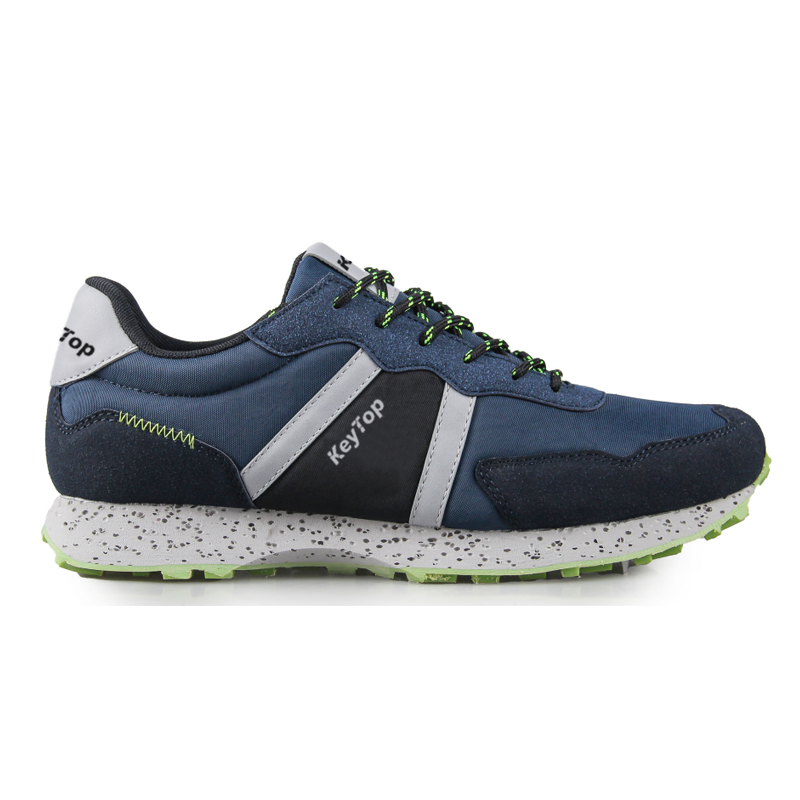
Select the relevant footwear products and retain the buyer’s reference shoe or drawing revision. The comparison should identify the requested casual-shoe construction and the evidence still needed. A product photograph can help explain appearance; it does not establish its material, dimensions or production method.
| Specification / input | Required scope | Order risk | Verification | Buyer follow-up |
|---|---|---|---|---|
| Construction and materials | The buyer’s selected upper, lining, sole and assembly scope | Different constructions can produce incomparable offers | Match the proposal with the current drawing, material list or sample | Identify substitutions and their quote effect |
| Sizes and fit | Stated sizing system, ordered sizes and agreed measurement criteria | A size label can conceal a different fit basis | Review size records and sample measurements using the agreed method | Mark sizes or checks not yet covered |
| Colour and branding | Approved colour reference and authorised artwork revision | A different mark or finish can reopen approval | Compare the actual-material sample with the recorded reference | List changes requiring a new decision |
| Packaging and quantity | Same SKU quantities, box/carton scope and identification instructions | A low price may exclude packing or required SKU work | Compare the itemised offer with the required packout | Resolve omitted items before comparing totals |
| Acceptance basis | Relevant sample, inspection method and defect criteria | A general certificate does not approve the selected shoe | Record which proof answers each agreed requirement | Keep missing evidence open for review |
ISO 19407’s footwear sizing-conversion scope addresses relationships between sizing systems. It does not replace the selected shoe’s fit approval. Record the system and the actual sample evidence, so matching numbers on two quotations are not mistaken for matching shoes.
Check who quotes and who performs the relevant work
The contracting entity, the work it will perform and the proof it can share should be identifiable before the buyer shortlists a proposal. A website’s broad manufacturing description does not answer who will make the sample, manage materials, perform inspection or take responsibility for the quoted order.
Compare the KEYTOP factory with the entity named on the proposal and approval records. Ask the supplier to identify any outsourced work relevant to the shoe and the contact responsible for it. Separate an actual observation, a supplier statement and a missing record; none should silently become proof of a broader capability or a promised quote outcome.
| Criterion | What to verify | Risk signal | Proof to request | Next action |
|---|---|---|---|---|
| Contract and work scope | Who contracts, develops the sample and manages bulk work | An unidentified entity or changing scope | Proposal identity and the stated responsibility for each stage | Resolve the scope and contact before shortlisting |
| Relevant sample basis | Which proposed shoe and material the evidence covers | A generic photograph presented as approval of the order | Shareable sample/specification records with clear references | Record what is covered and request the missing check |
| Inspection responsibility | Which checks address the buyer’s agreed criteria | A broad assurance without a method or record | Applicable inspection plan and available observations | Mark unverified requirements rather than assuming they passed |
| Quotation boundaries | Which MOQ allocation, sample, tooling, packing and production items are included | Costs or dependencies omitted from the offer | Itemised quotation and written answers to open items | Align the inclusions before comparing the proposal |
This is an evidence-status comparison, not a fabricated ranking of named factories. A response can be confirmed within its reviewed scope, open pending evidence, or not applicable to the selected requirement.SATRA’s footwear evaluation information distinguishes materials, components and finished footwear; evidence for one object should not be described as approval of all three.
RFQ checkpoint
Keep the selected shoe scope, quantity record and approval questions together for the next quotation step.
Compare MOQ and the itemised quotation scope
The minimum quantity and itemised inclusions determine which proposals can be compared against the buyer’s order. Keep the supplier’s own conditions attached to its offer. An advertised sample or a component minimum may describe a different transaction from the complete casual-shoe programme. An omitted MOQ condition or development charge can delay approval or lead to a disputed quotation.
Apply KEYTOP’s minimum only to its own quotation
KEYTOP’s casual-shoe minimum is 1,000 pairs for one style, one color and one size, with no mixing of styles, colors or sizes. Check each SKU separately in a KEYTOP request, and state any required range that does not meet the basis. Other suppliers’ MOQ terms remain their own quotation inputs; this guide does not establish them or imply an exception to KEYTOP’s rule.
Separate price inclusions and development charges
Ask for the quoted pair price, currency and scope, together with any separate sample, artwork, tooling, packing or transport item relevant to the proposal. Record whether an item is included, separately charged or still unconfirmed. Compare the same quantities and inclusions so one offer does not appear cheaper merely because work is missing. No sample-credit, refund or tooling-ownership term should be assumed from a fee label.
Take development questions to the OEM and ODM footwear manufacturing with the actual construction and open quote items. The buyer should receive a written scope that answers those items before the comparison becomes a purchase decision.
Assess the sample evidence for the selected shoe
A physical sample is useful when its identity and approval scope are recorded. Name the proposal, shoe size, material and artwork revision it represents. Inspect the requested details against the agreed criteria and retain the result; the appearance of a complete shoe does not settle every material or fit question.
Use an approval record to distinguish three decisions: accept the reviewed detail against the agreed criterion, request a corrected sample for a documented deviation, or hold the decision when the criterion or measurement is missing. For example, an unexplained material substitution keeps material approval open even if the sample looks acceptable. The supplier should return the proposed correction and its effect on the quotation and sample schedule; the buyer then records acceptance or the next check. This is a proposed review method, not a claim that KEYTOP has completed a particular inspection or passed an unspecified test.
Keep sample identity and measurement records
Keep photographs, the agreed measurement method and the observed values together. Identify which ordered sizes were reviewed and which remain open. A supplier’s measurement record and a buyer’s acceptance decision are separate documents: the record can show what was measured without granting approval of an unexplained deviation. Use the same reference and method when comparing another sample.
Resolve deviations before approval
Mark the affected detail and the decision required when fit, material, branding or packing differs from the agreed scope. Request the supplier’s proposed correction and record the revised sample or evidence needed. Do not treat silence, a forwarded image or a general quality certificate as acceptance of the changed shoe. Keep unresolved items visible to the person authorising the order.
ISO 2859-1:2026 concerns acceptance sampling by attributes for lot inspection. The selected shoe still needs its own agreed criteria and measurement method. Carry the sample findings to the solutions with the proposed quote or development action.
Confirm sample lead time, bulk production and approval dependencies
Lead time depends on which inputs and approvals are already confirmed. Compare sample work and bulk production as separate stages. A supplier’s general range is not a committed receipt date and does not include unconfirmed transport or buyer approval time. An unresolved material or sample change creates an approval risk; the selected route should carry that open decision into the factory quote.
KEYTOP’s recorded sample range is 7–15 days after sample requirements and usable specifications are confirmed. KEYTOP’s standard production range is 35–45 days after specifications, sample approval, material assumptions, packaging and the production slot are confirmed. Keep the actual proposal’s scope and dated dependencies with those ranges; the units are days, not working days.
- Identify the current specification, SKU quantities and quotation revision being selected.
- Record the accepted sample and the corrections or evidence still awaiting a buyer decision.
- Obtain confirmation of the material, packaging and production-slot assumptions for the proposed order.
- Separate the factory schedule from any transport and receiving estimate.
- Carry relevant change records into the reorder so a previous approval is not reused for different output.
Review the casual shoes products with this comparison record before sending the order brief. The result should identify a specific shoe scope and the next quotation or sample action. If an inclusion or approval is still open, retain that question rather than presenting the comparison as a completed supplier selection.
Supplier comparison conclusion
For casual shoe manufacturers, put the agreed specification, the sample or proof that settles it, and the owner of the follow-up in writing before the order moves ahead, so a weak approval does not carry its risk into bulk production.
For casual shoe manufacturers, log every change to the specification and its evidence in the next RFQ revision, and list which checks or samples have to be redone before release.
Casual-shoe supplier FAQ
What is KEYTOP’s MOQ for casual shoes?
KEYTOP’s minimum for casual shoes is 1,000 pairs for one style, one color and one size, with no mixing of styles, colors or sizes. List the requested SKUs and quantities separately so the quotation can address the actual order.
Can colours or sizes be mixed to reach that minimum?
No. The confirmed KEYTOP rule keeps each style, colour and size separate. A quantity across several variants does not replace the minimum for an individual SKU. Adjust the buyer’s proposed range or keep the order decision open.
Which specification should two suppliers quote?
Provide the same construction, material, colour, size coverage, packaging and SKU quantities, with the same drawing or reference revision. Mark substitutions and excluded work so a lower pair price is not mistaken for the same offer.
What sample and production timing does KEYTOP record?
The recorded sample range is 7–15 days after sample requirements and usable specifications are confirmed; standard production is 35–45 days after specifications, sample approval, material assumptions, packaging and the production slot are confirmed. Obtain actual proposal dates and keep transport separate.
What evidence should stay with the selected quotation?
Retain the specification and quote revision, itemised inclusions, sample identity and observations, accepted changes and the unresolved questions requiring a buyer or supplier response. A broad certificate or product photograph does not replace that scope-specific record.
Send the selected shoe scope, quantity record and open approval questions: Send Specs for Review.