









A casual shoe MOQ size run packaging can become hard to compare when specs, quote assumptions, samples, and approval responsibility sit in different messages.
For casual shoe MOQ size run packaging, the supplier answer should turn the buyer’s use case into written specs, sample checks, and quote assumptions.
The article below turns that sourcing question into buyer checks, supplier proof requests, and RFQ handoff details.
Introduction
Before contacting suppliers about casual shoe MOQ size run packaging, use this table to align specifications, MOQ, sample approval, QC proof, and buyer follow-up.
| Specification | Quality control | Verification method | Risk to avoid | Buyer action |
|---|---|---|---|---|
| Width or size tolerance | Verify last dimensions within the buyer-approved tolerance of spec sheet. | Measure with steel caliper on first sample pair. | Sizing mismatch leads to returns, lost fit confidence. | Request size set sample and approve before bulk. |
| Sample approval | Check fit, material, construction, and aesthetics per spec. | Conduct wear test and visual inspection against approved tech pack. | Starting production without approval risks full rework. | Sign off or send clear revision notes to supplier. |
| MOQ and order quantity | Ensure PO quantity equals or exceeds 1,000 pairs per category. | Cross-check purchase order line items with MOQ rules. | Below-MOQ order may be rejected or repriced per unit. | Submit PO meeting 1,000-pair minimum per style/color. |
Questions to confirm before ordering:
- Confirm full specification details for each style, including size run, materials, and packaging. Incomplete specs cause cost overruns and production delays during sample and bulk stages.
- Define quality control checkpoints: incoming material, in-process, final inspection, and packaging. Each checkpoint catches defects early, reducing rework and ensuring consistent product quality. Inspect upper stitching tolerance, sole adhesion strength, size graduation, and packaging integrity.
- Agree on verification method for each critical specification, counter sample, and test report. Clear verification prevents disputes and ensures the final product matches the approved specs. Approved counter sample held at factory, dimensional report, abrasion test, and color fastness certificate.
- Identify approval risks: material availability, size run feasibility, packaging lead time, and cost changes. Recognizing risks early allows contingency planning and avoids last-minute approval delays.
Keep these checks in the same approval record: establish buyer follow-up milestones: sample status, material sourcing, production schedule, and shipment. Regular follow-up keeps the timeline on track and allows early intervention if issues arise. Weekly updates on sample progress, material arrival, production start, and quality inspection dates. Confirm MOQ per style, colorway, and size run; verify total order quantity and any negotiable thresholds. MOQ directly impacts pricing, production efficiency, and inventory commitment for both buyer and factory.
What Casual Shoe MOQ Size Run Packaging Means
- Tech pack with last, material, size run, colorway, packaging BOM. Incomplete specs cause sample rework and cost overruns. For a casual sneaker, specify outsole hardness and box insert. Supplier defaults to lowest cost, mismatching your quality.
- Confirm per-style per-color MOQ; baseline 1,000 pairs per category. MOQ affects unit cost and production slot availability. A 3-color run needs 3,000 pairs to meet baseline MOQ. Order below MOQ triggers surcharges or quote rejection.
- Sample timing should be confirmed after spec approval; bulk timing should be confirmed after sample approval. Lead time determines market launch and inventory timing. For Q3 launch, start sampling by May for June bulk production. Missed season window and expedited freight costs.
- Main drivers: material grade, size run complexity, packaging, volume. Knowing drivers helps prioritize spend and negotiate. Multi-size run with custom box increases unit cost significantly. Unexpected adders blow budget and delay approval. Ask for cost breakdown per driver before price negotiation.
Keep these checks in the same approval record: verify spec match, MOQ, lead time, packaging after receiving quote. Closes gaps between quote expectations and supplier assumptions. Check if price includes outsole mold fee or only production. Misaligned assumptions lead to change orders and delayed PO. Confirm experience with casual shoe construction, size run, packaging. Ensures consistent quality and on-time delivery. Ask for reference orders of similar casual sneakers with size runs. Inexperienced supplier may fail on fit or packaging durability.
Review casual sneakers products options before sending the RFQ.
RFQ checkpoint
Ask buyers to send category, quantity, size run, material, branding, packaging, sample, QC, and timeline details for review.
Why It Matters for Buyers
- Style, colorway, size run, materials, packaging spec Defines quote accuracy and sample feasibility Specify size run: EU 38–44, mesh upper, EVA sole Quote revision or incompatible material sourcing Submit tech pack or spec sheet to factory for review
- Material grade, packaging type, order quantity drivers Directly impacts landed cost per pair and margin Custom shoebox adds supplier-quoted budget level per pair; confirm by RFQ Unexpected cost increase or budget overrun Request itemized cost breakdown from factory
- Factory recommends material substitutions, sample schedule Prevents delays from unavailable components Factory suggests alternative lining if primary is out of stock Missed production slot or extended lead time Ask factory for procurement timeline and material availability
- Weight, construction method, sole type, stitch gauge Ensures sample matches final production intent Define upper stitch: 8 stitches per inch, cupsole Sample rejection and costly rework Create detailed spec sheet with all measurements
Keep these checks in the same approval record: baseline MOQ 1,000 pairs per category; confirm by style/color Determines whether order fits minimum production run One style, two colorways, five sizes each – MOQ splits apply Invalid quote or factory cannot schedule the order Confirm MOQ per SKU with factory before quoting; Sample timing and production timing after approval Sets timeline for sampling and bulk delivery Sample clock starts after spec and packaging are approved Missed market launch or inventory gap Confirm production slot and lead-time milestones in writing.
Key parameters buyers should define
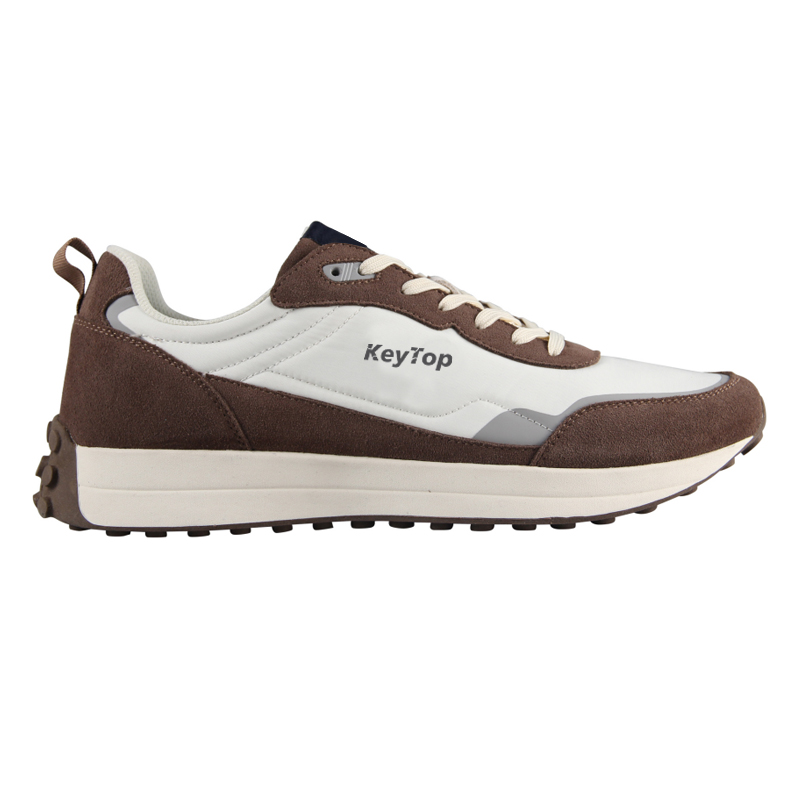
For casual shoe MOQ size run packaging, use key parameters buyers should define to compare the physical shoe sample with the approved fit target, construction notes, material specification, and intended use.
Cost and risk implications
Put the stock or custom MOQ path, sample timing, bulk production range, tooling effect, and payment terms in the written quote.
Factory-side procurement advice
Before approving the casual shoe MOQ size run packaging sample, record the measured fit, component specifications, test observations, revision owner, and signed production reference.
Review private label solutions packaging path before sending the RFQ.
Key Considerations
- Buyer decision check This affects quote accuracy, MOQ, lead time, sample approval, cost, and reorder control for casual shoe MOQ size run packaging. Keep casual shoe MOQ size run packaging material, width, finish, packing, approval owner, and version in writing. Risk includes quote mismatch, setup-cost change, lead-time delay, sample rejection, quality dispute, or reorder drift. Ask for RFQ confirmation, attach proof, and approve only after sample review.
- Supplier proof check This affects quote accuracy, MOQ, lead time, sample approval, cost, and reorder control for casual shoe MOQ size run packaging. Keep casual shoe MOQ size run packaging material, width, finish, packing, approval owner, and version in writing. Risk includes quote mismatch, setup-cost change, lead-time delay, sample rejection, quality dispute, or reorder drift. Ask for RFQ confirmation, attach proof, and approve only after sample review.
- RFQ input check This affects quote accuracy, MOQ, lead time, sample approval, cost, and reorder control for casual shoe MOQ size run packaging. Keep casual shoe MOQ size run packaging material, width, finish, packing, approval owner, and version in writing. Risk includes quote mismatch, setup-cost change, lead-time delay, sample rejection, quality dispute, or reorder drift. Ask for RFQ confirmation, attach proof, and approve only after sample review.
Review OEM and ODM footwear manufacturing before sending the RFQ.
Common Mistakes
- Confirm sample approval sign-off from all stakeholders before production. Prevents costly rework if design changes are made after production starts. Buyer approved sample but later requested color change; production already cut. Approval gap leads to rejected batches and delayed delivery.
- Verify tech pack, materials, and packaging spec are finalized for handoff. Incomplete specs cause factory to guess, leading to off-spec product. Missing size run grading sheet caused wrong sizing in bulk. Production delays and rework; buyer may reject shipment.
- Compare reorder specs against original approved sample and production records. Changes in materials or construction can cause quality drift. Reorder used different lining material; buyer rejected due to feel difference. Inconsistent quality across batches; brand reputation damage.
- Confirm all spec details: size run, grading, materials, construction, packaging. Missing details cause interpretation errors and non-compliant product. Size run omitted half sizes; factory produced only full sizes. Product fails to meet buyer requirements; rework or rejection.
The written approval record should cover MOQ per style, colorway, and size run; verify order quantity meets it. Under MOQ may incur extra charges or production refusal. Ordered 800 pairs but MOQ is 1000; factory charged setup fee. Unexpected cost increase or order cancellation. Verify sample and production lead times based on current capacity and confirmed specs. Underestimated lead time can cause missed retail launch dates. Sample and production timing changed after the factory backlog was confirmed. Late delivery penalties and lost sales.
Move the approved casual shoe MOQ size run packaging sample into a production handoff that lists the final common Mistakes files, material, structure, print, finish, packing, QC checkpoints, and schedule basis.
Review about us quality checks before sending the RFQ.
In conclusion
- Confirm upper material, lining, outsole compound, size run, colorways, and packaging spec per style. Specs drive mold cost, material procurement, and sampling accuracy; mismatched specs cause rework and delay. For a casual sneaker, specify 1680D nylon upper, mesh lining, EVA outsole, sizes 36-44, 3 colorways, and individual polybag with hangtag. Factory quotes on incomplete specs lead to cost overruns, wrong samples, and production line stoppage. Send a completed tech pack with approved spec sheet to supplier before requesting final quote.
- State total order quantity in pairs per style, colorway, and size run breakdown. MOQ determines per-unit cost and production feasibility; below-minimum orders incur premium charges or rejection. For KEYTOP baseline MOQ of 1,000 pairs per category, confirm 500 pairs in black, the approved tolerance white, the approved tolerance navy across sizes 36-44. Ordering below MOQ without negotiation can result in factory refusal or a supplier-confirmed variance price increase per pair. Verify MOQ against brand_context baseline and negotiate split across colorways if needed before PO.
- Confirm sample timing and bulk production timing after spec and sample approval. Lead time affects inventory planning, retail launch dates, and cash flow; delays cascade to missed seasons. If sample approval completes on April 1, bulk production starts April 15 and finishes by May 20-30. Unconfirmed lead time can cause late delivery penalties, air freight costs, or lost shelf space. Get written lead time commitment in the quote and align with your logistics calendar before signing.
- Identify the primary cost driver: material (upper, sole), labor (stitching, assembly), or packaging (box, insert). Knowing the cost driver allows targeted negotiation and value engineering without sacrificing quality. For casual shoes, upper material often accounts for a supplier-confirmed variance of total cost; switching from leather to knit can reduce cost by a supplier-quoted adjustment. Blind negotiation may cut the wrong cost element, leading to quality complaints or margin erosion. Request a cost breakdown from supplier and compare against industry benchmarks for each component.
- Schedule a follow-up to confirm spec approval, sample status, material availability, and production slot. Proactive follow-up prevents silent delays and keeps the project on track for seasonal deadlines. Set a scheduled follow-up after sending specs to confirm factory received and understands all requirements. No follow-up can result in forgotten orders, wrong assumptions, or missed production windows. Create a follow-up timeline with milestones: spec sent, sample due, approval, material order, bulk start.
- Verify supplier capability: production capacity, quality control process, and experience with casual shoe MOQ size run packaging. Factory capability ensures consistent quality, on-time delivery, and ability to handle size run complexity. Ask if the factory runs 4 production lines, has inline QC at each station, and has produced similar casual sneaker programs. An incapable supplier may produce off-spec shoes, miss size run accuracy, or fail packaging requirements. Request factory audit report, client references for similar programs, and sample of previous size run packaging work.
Frequently Asked Questions
Questions to Ask Yourself When Shopping for Shoes · Are they the right size?
Verify MOQ by style, color, material, outsole, logo method, and packaging version. A supplier may accept one total order quantity but still require minimums for each color or custom material.
What size do I wear?
Send the expected size ratio with the RFQ, not only the total quantity. Size runs affect outsole availability, carton planning, inventory risk, and whether the supplier can use existing tooling or needs extra preparation.
Are they the correct size?
Individual boxes, hang tags, tissue paper, barcode labels, printed cartons, and ecommerce-ready packaging can change material cost and packing labor. Ask the factory to quote packaging as a separate line when comparing suppliers.
Are these shoes for a ‘look’ or can I wear them with multiple outfits?
Check fit on key sizes, outsole matching, upper material consistency, logo placement, box size, carton quantity, and barcode labeling before bulk approval. A sample should prove the planned size and packaging route, not just the shoe appearance.