
A slipper quote needs a written specification before the buyer can understand cost drivers, MOQ, quote assumptions, and lead-time tradeoffs; otherwise suppliers may quote different product and approval assumptions.
The comparison keeps cost, quantity, specification, and lead-time assumptions aligned across supplier quotes.
Direct answer: A slipper cost decision is a material, mould, and schedule decision: fix the compound, mould ownership, decoration method, and packing basis first, then compare quotes on the same basis.
Updated October 12, 2026: simplified the cost-comparison headings and clarified bonding and flex evidence.
Which material and mould route fits your slipper program?
The material and mould cost that fits depends on the channel, not only on the unit price. A discount retailer, an ecommerce seller, and a hotel program each need a different balance of material, construction, and packing, and the cost category should follow that requirement.
Agree product-specific sample requirements before approval. The ISO 2859-1 acceptance-sampling scope concerns inspection by attributes of identified lots. It does not define the prototype’s fit, finish, branding tolerance or performance limits; retain those agreed criteria separately from any later lot-sampling plan.
| Requirement | Factory control | Evidence to verify | Order risk | RFQ follow-up |
|---|---|---|---|---|
| Material route | Uses the approved EVA, PVC, or rubber compound | Compare the material code and hand feel with the sample | A substitute changes weight, flexibility, and cost | Confirm the compound in the RFQ |
| Mould and size run | Uses the approved mould and size set | Measure the sample against the size chart | A size drift creates returns | Confirm the mould and size run |
| Colour and finish | Works to the approved colour reference | Compare the lot with the approved colour standard | A shade mismatch rejects the lot | Approve the colour before bulk |
| Packing and carton mark | Follows the channel packing and label rule | Check one packed carton per size and colour | A rejected carton delays the shipment | Confirm the packing version |
Choose checks for the selected construction. A one-piece moulded slipper does not have the same upper-to-sole joint as a bonded style. The SATRA TM92 scope distinguishes flexing of completed footwear from flex-crack checks on an isolated material. Agree the applicable specimen, method and decision criteria with the supplier or laboratory before sample approval.
- Red flag: the quote names a material grade with no source. Why it matters: a cheaper compound changes the feel and the life of the slipper. Verification check: ask for the material code and one sample. Risk if ignored: a repeat order that does not match. Buyer follow-up: lock the material grade into the RFQ before the quote is final.
- Red flag: the mould cost is quoted as a single number with no ownership. Why it matters: a buyer who pays setup should know who holds the mould. Verification check: ask who owns the mould and how it is stored. Risk if ignored: a reorder that cannot be repeated. Buyer follow-up: write the mould ownership into the order.
- Red flag: the packing rule is described for the factory, not for the channel. Why it matters: a retail carton and a hotel pack are different products. Verification check: compare one packed carton with the channel requirement. Risk if ignored: a rejected or repacked shipment. Buyer follow-up: attach the packing version to the order.
What cost inputs should buyers fix before sampling?
Before sampling, confirm the cost drivers that change the price and the RFQ fields that make two quotes comparable. A slipper quote built on an unclear material, mould, or packing assumption cannot be compared with a second supplier, so the buyer should fix those inputs first. A supplier reference on slipper materials and construction shows how much the material choice changes the finished product, and the footwear sourcing solutions route can map that choice to the buying situation.
| Cost driver | What changes cost | approval risk | Quote question | Next action |
|---|---|---|---|---|
| Material compound | EVA or PVC grade and density | A cheaper compound fails in use | Which grade and density is quoted? | Freeze the grade in the RFQ |
| Mould and tooling | New mould, size set, or reuse | A setup fee with no ownership | Who owns the mould and what is reused? | Confirm mould ownership |
| Colour and decoration | Print, emboss, or two-tone work | A decoration that fails after wear | Which method and how is it checked? | Approve the method with the sample |
| Packing and freight | Pack type, carton count, and shipping basis | A low unit price with a high landed cost | What packing and freight basis is quoted? | Compare on the same basis |
- RFQ field: the material grade and density. Why it matters: the grade drives feel and durability. approval risk: a substitution after sampling. Ask the supplier: which grade is quoted? Buyer follow-up: write it into the order.
- Quantity input: the order basis. Cost effect: it drives tooling and material buys. approval risk: a quantity surprise after setup. Supplier question: what is the minimum by style, colour, and size? Follow-up: confirm MOQ in the quote.
- Timing input: the sample and production assumption. Schedule effect: it drives the delivery plan. approval risk: a late shipment. Supplier question: what sample and production time is assumed? Buyer action: confirm the delivery window.
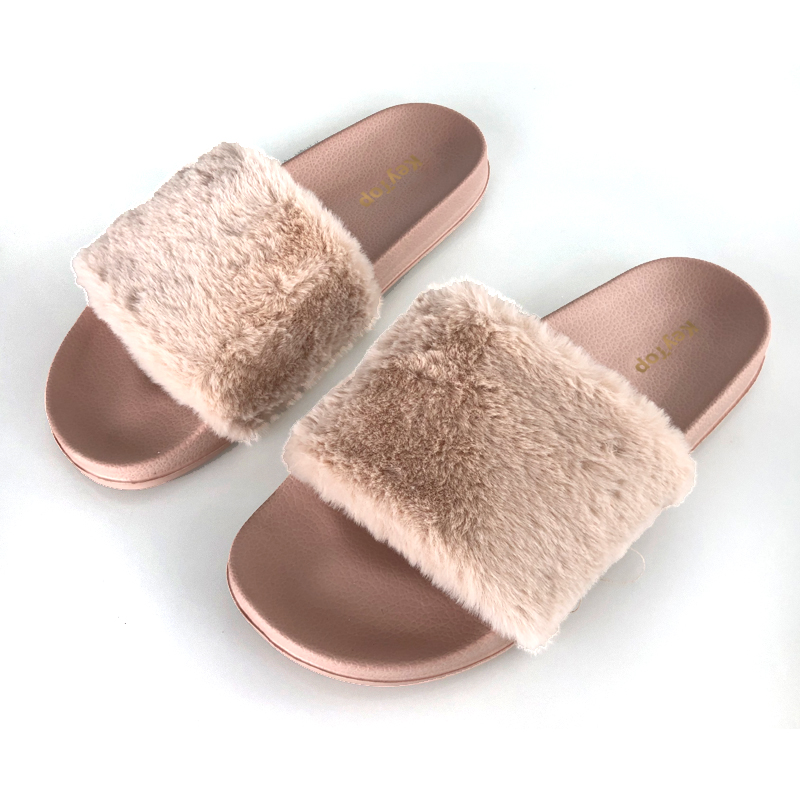
How should buyers compare material and tooling options?
The cheapest material route is not the right route for every channel. Work through the fit decision in order, and match the cost category to how the slipper will be sold and used. Compare the category against the footwear products range you are ordering so the route matches the product you actually need.
- Step 1 – define the channel and the end use. A hotel, a discount retailer, and an ecommerce listing each need a different balance of comfort, durability, and presentation, and the verification is a written use case before any quote is requested.
- Step 2 – match the material route to the use case. Confirm the compound and density the channel needs, because a soft, light EVA route that suits a promotional program may not hold up in a heavier daily-wear program.
- Step 3 – confirm the mould and size set. Check whether an existing mould fits the style or a new one is required, and confirm who pays for and holds the tooling before the order is placed.
- Step 4 – compare the quotes on the same basis. Bring the material, mould, colour, packing, and freight onto one sheet, then choose the route that fits the channel rather than the lowest unit number.
Lock the chosen category in writing and confirm what would change it, so a later material or mould change is a new decision rather than a silent substitution. A tooling or material change after the order carries the schedule risk, so confirm it with the factory before production starts.
How does the launch window affect order costs?
Slippers sell in a short season, so the order plan has to sit ahead of the peak. A late order pays for air freight and rush production, while an early order ties up cash, so the plan should place the material, mould, and packing decisions on a schedule. Buyers who need development support can review OEM and ODM footwear manufacturing before fixing the plan.
- Step 1 – map the season window backwards from the shelf date, taking the retail delivery date as the input. A late start is the risk, and the verification is a dated plan that places sample approval before the production slot.
- Step 2 – confirm the mould and material lead time, because a new mould or a special compound adds time before production can start. Verify the tooling status and the material availability before the order is released.
- Step 3 – place the order against the confirmed specification and packing version. A change after the material is bought is the most expensive kind of change, so verify the specification and the packing proof before the buy.
- Step 4 – keep a small buffer for the reorder window. A sell-through reorder arrives after the peak if it is planned late, so verify the reorder rule and the retained sample before the season starts.
Write the season plan with the sample date, the production slot, and the delivery window on one page, and confirm each date with the factory before the order is placed.
Which construction assumptions need sample verification?
Slipper rework often starts with an assumption that was never checked: that the last fits the mould, that the sole bonds with the chosen compound, or that the decoration survives wear. Each assumption has a cheap test at the sample stage and an expensive correction after production.
Last and sole
Confirm that the last, the mould, and the sole unit match before the sample is built. A last that is close but not exact produces a fit complaint and a size adjustment, so the buyer should ask for the measured sample and compare it with the mould and the size chart. For KEYTOP’s factory profile, see KEYTOP factory.
Construction assumption
Confirm how the upper, the sole, and the decoration are joined, and test the assumption before bulk. For a bonded construction, request adhesion evidence for the actual material combination and joining process: identify the method, specimen, conditioning, result and failure location. Record flexing and decoration checks separately against agreed criteria; a flex or wear check does not substitute for an adhesion result. A construction change after the sample is a new approval and a new schedule.
- Red flag: the sample is built on a different last than the bulk order. Why it matters: the fit changes without a visible cause. Verification check: compare the measured sample with the approved last. Risk if ignored: a size complaint and a remake. Buyer follow-up: check the last against the approved mould.
- Red flag: the decoration method is chosen after the material. Why it matters: the print or emboss may not hold. Verification check: test the method on the actual compound. Risk if ignored: a finish failure after delivery. Buyer follow-up: approve the method with the sample.
- Red flag: the sole bond is assumed from another model. Why it matters: a different compound bonds differently. Verification check: request the agreed adhesion result for the actual compound and joining process, and record any flex assessment separately. Risk if ignored: a delamination claim. Buyer follow-up: put the bonding method in the quote request.
In conclusion
A slipper cost decision is really a material, mould, and schedule decision. When the buyer fixes the compound, the mould ownership, the decoration method, and the packing basis first, the quotes become comparable and the season plan becomes realistic.
Keep the approved sample, the material code, and the mould record with the order, and treat any change to the compound or the tooling as a new approval with its own cost and lead time effect. That record is what protects the reorder.
To move the decision forward, compare your product category and request a quote against the locked specification so the factory can confirm the material, mould, and packing before sampling. Review slippers and slides to match the order to the right production route.
Slipper material and mould cost FAQ
Slipper Factory in China: What Happens After You Inquire?
The factory reviews your product brief, material direction, quantity, and target date, then confirms whether it can make the slipper and what inputs it still needs. The useful first reply names the material options, the mould status, the sample time, and the questions that would make the quote comparable, rather than only a price.
What is the minimum order quantity for wholesale slippers from China?
For sandals, slippers and slides, KEYTOP plans 1,500 pairs for one style, one color, and one size, and styles, colors, and sizes cannot be mixed to reach the minimum. The minimum interacts with the mould and the material, so confirm the exact basis for your program in the quote.
Which material, tooling and packing assumptions belong in a slipper cost quote?
Cost depends on the material compound, the mould and tooling, the decoration, the packing, and the freight basis, not on one headline number. Ask for the quote broken into those drivers, and compare suppliers on the same material, mould, and packing assumption so the difference is visible.
How Much Does It Cost To Make Slippers?
The slipper unit cost is driven by the compound and density, the sole and upper construction, the decoration method, the mould amortisation, and the packing. A quote that omits the mould ownership or the packing basis hides part of the cost, so request the component breakdown before deciding.
How Are Slippers Made?
Most slipper programs start with a material and mould choice, then a sample that confirms the fit, sole bond, and decoration, then bulk production with incoming-material, in-line, and final inspection. KEYTOP’s approved quality stages are incoming materials, in-line inspection, and final inspection before shipment, and the order should state what each stage checks.
Next step: Send Specs for Review.