
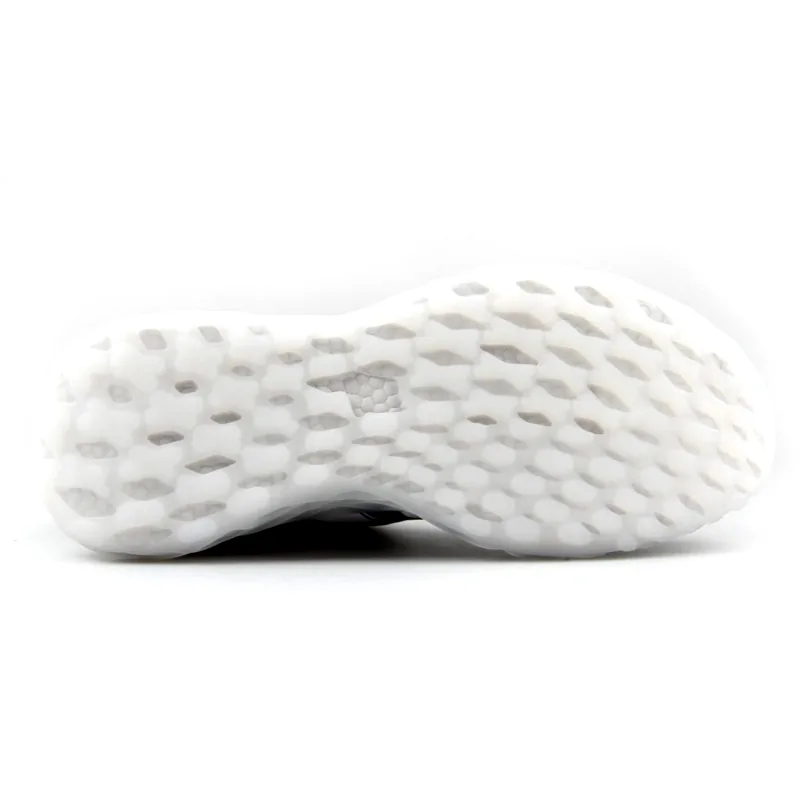
A casual sneaker supplier shortlist becomes useful when the sample, quote and factory evidence refer to the same requested shoe. Broad capacity claims leave importers with little basis for comparing suppliers.
For a China sneaker program, compare the proposed upper and outsole construction, fit sample, quantity allocation and inspection checkpoints before negotiating the bulk order.
Use the checks below to connect the footwear brief with factory evidence and a sample-ready quotation.
Before asking for a quote, identify the sneaker reference, intended wearer and market, material and outsole direction, size run, branding and packing. The supplier can then confirm feasibility and the commercial scope for that shoe.
Check the Sneaker Brief Before Sampling
- Provide detailed product specifications including style, colorway, size run, material, and packaging. Specs define the product; mismatched assumptions cause costly rework and delays. Style code, color codes, size grading chart, upper material, outsole compound, box type.
- Confirm minimum order quantity per style, colorway, and size run before quoting. MOQ locks order feasibility; incorrect assumption leads to rejected purchase orders. KEYTOP MOQ for casual sneakers: 1,000 pairs per style, color and size; styles, colors and sizes cannot be mixed to reach the minimum.
- Verify lead time for sample and bulk production after specs and sample approval. Lead time determines inventory planning and launch schedule; missed dates cost shelf space. Sample: 7-15 days after sample requirements and usable specifications are confirmed; bulk: 35-45 days after specifications, sample approval, material assumptions, packaging and production slot are confirmed.
- Identify the main cost drivers: materials, tooling, labor, packaging, and transport. Cost drivers reveal negotiation leverage and where value engineering can reduce price. Upper material type, sole mold fee, stitching labor, shoebox print cost, FOB vs. CIF.
Agree checkpoints for specification confirmation, sample approval and production readiness. For each checkpoint, record the requested inspection, who will return the result and the date needed for the buyer’s order plan.
Record the buyer input, supplier answer, quote effect, and sample approval reference in one RFQ file.
Why This Choice Matters
- Confirm material grades and spec tolerances match tech pack requirements. Material variance directly affects fit, durability, and costing accuracy. Specify an approved material grade, such as PU versus polyblend, and an outsole hardness tolerance agreed with the buyer.
- Get written MOQ by style and colorway; break down cost per unit at each volume tier. Total landed cost drives margin; MOQ gates production feasibility. KEYTOP’s casual sneaker MOQ is 1,000 pairs per style, color and size; request FOB quotation for 1,000, 2,000, 5,000 pairs.
- Verify factory audit reports, sample approval records, and defect rate from past orders. Supplier consistency prevents mass defects and delivery delays. Ask for the inspection results of the last three production batches and any rework history.
- List every specification parameter: upper material, lining, outsole, stitching, hardware, labeling. Missing or vague specs cause sample rounds and delay approval cycle. For outsole: specify rubber type, durometer, tread pattern, and bonding method.
Allocate the order by style, color and size before comparing quantities or split shipments. KEYTOP casual sneakers require 1,000 pairs for each style, color and size; variants cannot be combined to reach that minimum. Confirm production timing against sample approval, materials, packing and the available production slot.
Material and specification fit
Compare the physical sample with the approved material, width, size grading, and construction notes before bulk production.
MOQ, cost structure, and lead time
Put the MOQ basis, sample timing, bulk production range, tooling effect, and payment terms in the written quote.
Supplier reliability and quality checks
Before approving the casual sneaker program sample, record the measured fit, component specifications, test observations, revision owner, and signed production reference.
Review private-label manufacturing options before sending the RFQ.
RFQ checkpoint
Send category, quantity, size run, material, branding, packaging, sample, QC, and timeline details for review.
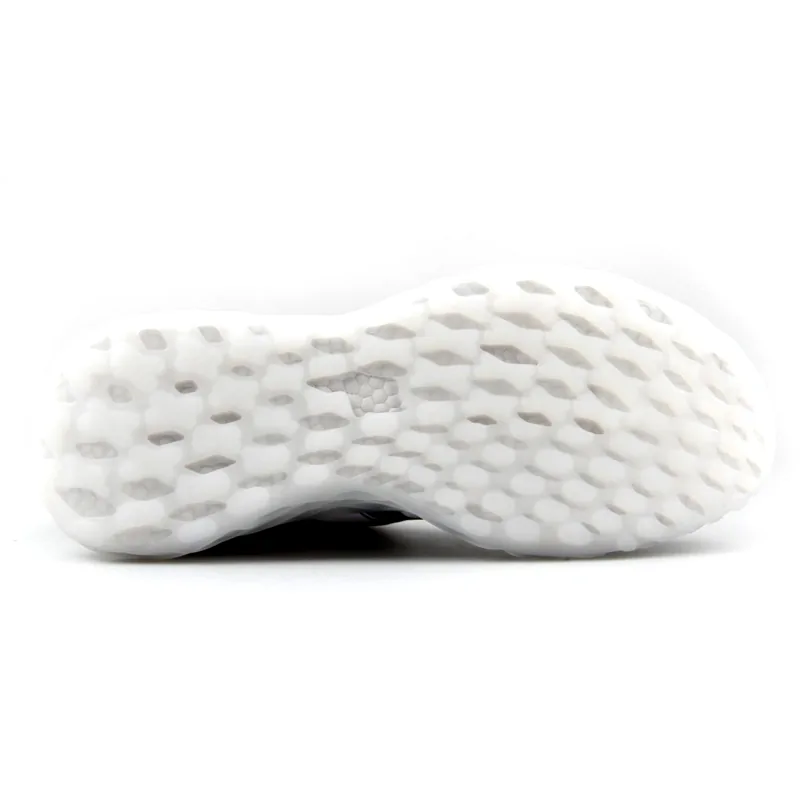
Key Buying Factors
The checks below connect the requested sneaker with a sample measurement or supplier document, and show where an unresolved detail could affect the bulk order.
| Specification | Quality control | Verification method | Risk to avoid | Buyer action |
|---|---|---|---|---|
| Sample approval | Confirm sample matches tech pack and color standards. | Measure dimensions, test fit, and compare to approved reference. | Approving sample without full spec check leads to production errors. | Request sample from supplier and approve in writing. |
| MOQ and order quantity | Verify MOQ per style, colorway, size run. | Request written MOQ breakdown from supplier. | Ordering below MOQ causes delays or unit price increase. | Request RFQ with MOQ details for each product. |
| Material / substrate | Confirm material matches approved swatch and specifications. | Match the supplier material code and data sheet to the submitted sample; request an applicable qualified-laboratory identification or performance record where required. | Using substitute material without approval affects durability. | Collect material sample and test report. |
The RFQ should also cover width or size tolerance: Request size set sample and approve tolerance range. Finish or color control: Request color standard sample and approve before bulk.
The bulk order should reference the approved sneaker sample, final upper and outsole materials, size specification, branding artwork and packing details. Agree the inspection checkpoints and schedule with the supplier against those inputs.
Review casual sneaker product references before sending the RFQ.
Supplier Verification Records for a Sneaker Order
| Check | Evidence to request | How to verify | Buyer use | Risk | Follow-up |
|---|---|---|---|---|---|
| Supplier proof check | The buyer should request business license, factory audit report, export qualification | Obtain product-specific test reports and reference client list | Verify the named legal entity against its business documents. Link factory, audit and test evidence to the selected sneaker and proposed manufacturing arrangement; confirm the production slot for the actual order. | Skipping proof may lead to unauthorized subcontracting or quality inconsistencies. | Collect the audit summary and cross-check it with the written quote. |
| Sample approval check | Review first article for material, fit, construction against spec. | Conduct wear test and measurement verification before bulk release. | Ensures sample matches approved spec before production commit. | Approving without measurements can cause size-run failures and rework. | Use a written approval form; KEYTOP’s sample lead time is 7-15 days after sample requirements and usable specifications are confirmed. |
| Reorder control check | Verify minimum reorder quantity matches initial MOQ terms. | Verify raw material reservation policy and production slot booking. | Helps identify material, quantity, price and schedule assumptions that need confirmation for a repeat order. | Assuming same terms may lead to unexpected MOQ hikes or longer lead times. | The buyer should request a reorder agreement that locks pricing and lead time for repeat orders. |
The RFQ should also cover specification details: Cross-check tech pack against KEYTOP’s production constraints before quoting. cost drivers: Request a price breakdown and compare with RFQ baseline for 1,000 pairs.
Review oem odm specification support before sending the RFQ.
Use the same requested sneaker and sample stage when comparing supplier answers. Record the material, outsole, fit, branding and packing assumptions beside each quotation, together with any item that still needs confirmation.
Common Buying Mistakes
- Spec sheet missing material grades, size run, or color codes. Leads to production mismatches and rejected shipments. Request full spec package with tolerances before sampling. Signed spec sheet with factory confirmation of each parameter.
- No documented sample approval or dated sign-off. Without record, factory may proceed with unapproved modifications. Insist on written approval for each sample stage. Approval email or signed document with date and version. File approval in order record; reference during bulk production.
- Missing handoff notes between sample and bulk production. Changes agreed on sample may not transfer to production line. Require factory to provide written handoff summary before bulk start. Handoff document listing spec changes, tooling notes, and QC points.
- Factory cannot show proof of sneaker production capacity for your order size. May lead to delays, quality shortcuts, or order splitting. Request capacity sheet, client references, and production line photos. Capacity statement for your order size.
Review KEYTOP factory before sending the RFQ.
Compare any supplier exception with the requested sneaker specification and the approved sample. Record the agreed correction before the bulk order is confirmed.
Shortlist Checklist
- Have you documented full tech pack including size run, colorways, material specs, and packaging? Ensure factory can quote accurately based on complete specs and avoid cost overruns. Yes, with approved sample references and tolerances for each spec.
- Does the factory confirm production slot, lead time, and packaging details in writing? Lock timeline and avoid scheduling conflicts that delay delivery. Written confirmation with sample schedule and bulk production dates. Verbal agreements lead to missed deadlines and rushed orders.
- Have you established a sample approval process including fit, material, and color sign-off? Prevent reorder discrepancies and quality drift across production runs. Signed approval with reference samples retained for future orders. Unapproved samples cause returns and brand damage from inconsistent product.
- Can the factory demonstrate experience with casual sneaker production and similar order volumes? Verify factory has relevant machinery and skilled labor for your product. Portfolio of similar styles and capacity for 1000+ pairs per style.
Resolve these questions before approval: what inline and final inspection procedures does the factory use for quality control? Ensure defects are caught before shipment and avoid returns. AQL sampling, inline checks during assembly, and final inspection report. No inspection means hidden defects reach your customers. What risks exist in the current approval process that could delay delivery or increase cost? Identify gaps in spec sign-off or sample changes that disrupt production. Clear change order procedure and contingency timeline for delays. Uncontrolled changes disrupt production and inflate costs.
Define the requirement and success criteria Without a written spec, the factory cannot quote accurately or build to your margin target. Confirm execution details with the factory Production lead time, MOQ, and payment terms must match your launch calendar and cash flow. Approve samples and control reorder risk The first article sample validates fit, material, and construction before production begins.
In conclusion
Selecting a sneaker manufacturer in China ultimately comes down to verifying that the factory can deliver on your specific spec, cost, and timeline requirements. This means confirming the MOQ (for KEYTOP casual sneakers, 1,000 pairs per style, color and size), aligning on a production lead time of 35-45 days after specifications, sample approval, material assumptions, packaging and production slot are confirmed, and ensuring the supplier can provide transparent quote inputs and material assumptions. By validating these parameters upfront and approving a sample before committing to bulk production, you reduce the risk of costly reorders or quality surprises. For importers and private-label brands ready to move forward, request a quote with your detailed spec sheet to begin the sample and approval process.
To request a quote, visit casual sneaker product references and confirm the final specification, quote assumptions, sample approval, QC evidence, approval risk, and supplier follow-up before bulk order.
Frequently Asked Questions
Which conditions start sample and standard production timing?
KEYTOP samples take 7–15 days after sample requirements and usable specifications are confirmed. Standard production takes 35–45 days after specifications, sample approval, material assumptions, packaging and the production slot are confirmed. Confirm the intended order date against those prerequisites in the quotation.
What MOQ and cost assumptions should buyers confirm for this sneaker program?
KEYTOP casual sneakers start at 1,000 pairs for each style, color and size, without mixing. Material grade, sole construction, tooling and packing affect the quoted scope. Send the reference and detailed quantity allocation so those costs can be reviewed for the requested sneaker.
Which quantity basis must the casual sneaker RFQ retain?
The applicable minimum is 1,000 pairs for one style, one color and one size; variants cannot be combined. Provide the size allocation and material specification with the reference shoe before asking for a confirmed sample and bulk quotation.
Procurement note: Send category, quantity, size run, material, branding, packaging, sample, QC, and timeline details for review. Contact the team.