
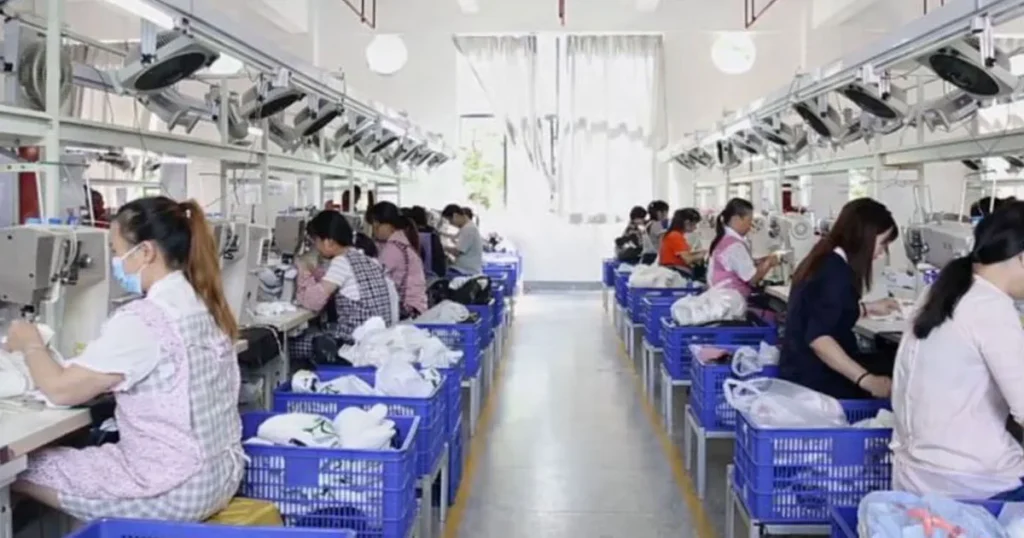
Footwear delivery dates often slip upstream of the factory rather than inside it, and a production schedule that starts at order confirmation hides the part that actually moves.
This guide names the material lead times that sit ahead of the factory, how a production slot is booked and lost, and the supply chain assumptions that belong in the RFQ rather than in a follow-up email.
Direct answer: Read a footwear delivery date backwards from three things the factory does not fully control: material and component lead times upstream of cutting, the production slot booked against a confirmed specification, and the inspection and document steps at the end. At KEYTOP a sample runs 7 to 15 days after sample requirements and usable specs are confirmed, and standard production runs 35 to 45 days after specs, sample approval, material assumptions, packaging and the production slot are confirmed.
Which material lead times sit upstream of the shoe factory
A shoe factory quotes the time it controls. Keytop Footwear, founded in Fujian in 2006, inspects at incoming materials, in-line and final before shipment, and none of that shortens a dye lot ordered from somewhere else. Much of a delivery date is set before cutting starts, in materials and components ordered from other suppliers, and research on supply chain movement risk in the sneaker industry makes the same point about how exposure concentrates upstream. Ask which of these sit ahead of your production slot.
| Upstream item | On the critical path when | What goes wrong otherwise | Spec or proof needed | Buyer follow-up |
|---|---|---|---|---|
| Upper material | A color or grade is not held in stock | Cutting waits on a dye lot nobody flagged | Written material lead time per grade | Confirm stock status before the slot |
| Outsole compound or unit | A new mold or a non-standard compound | Bottoming stalls with uppers already cut | Compound source and its lead time | Fix the compound in the specification |
| Hardware and trims | Branded eyelets, zips or buckles are specified | A whole run held by a small component | Component supplier named on the sheet | Approve substitutes in advance or forbid them |
| Packaging | Custom boxes or printed inners are used | Finished shoes wait for cartons | Packaging lead time quoted separately | Order packaging on its own timeline |
Ask the factory to state which items it holds and which it buys per order, because that answer separates a supplier capability question from a scheduling one. At KEYTOP a standard run takes 35 to 45 days once the specification, sample sign-off, material plan, packaging and the booked slot are locked, and the phrase material assumptions is doing real work in that sentence: it is where an unconfirmed dye lot hides. A quality control check on incoming materials is the first checkpoint for exactly this reason.
A single supplier is best for a short, stable line where one factory owns the upper, outsole and assembly, while a multi-source setup is the right choice when any upstream material can slip. When to choose which turns on three inputs: how many materials are single-sourced, how long each lead time runs, and how costly a re-order is. Weigh those trade-offs before fixing the schedule.
How a production slot is booked and when it is lost
A production slot is a scheduling commitment, not a queue position, and it is released when the inputs it depends on stay open. Many delivery slips trace to a slot that was never really held.
| Requirement | Spec to confirm | What goes wrong | Proof or check | Buyer follow-up |
|---|---|---|---|---|
| Specification frozen | Every open line closed in writing | The slot is held for someone else | Signed specification sheet | Freeze before asking for a date |
| Sample approved | Approval recorded, not verbal | Production starts on an unapproved shoe | Signed approval record | Make release conditional on it |
| Quantity confirmed | Quantity that satisfies the minimum rule | A repriced order and a rebooked slot | Written quantity per style and color | Confirm before the slot is held |
| Deposit terms agreed | Trigger and timing stated | A slot released while terms are discussed | Written payment milestone | Agree it with the specification |
The quantity line is where slots are most often lost. At KEYTOP the minimum on casual sneakers, casual shoes, boots and outdoor footwear is 1,000 pairs for one style, one color and one size, and styles, colors and sizes cannot be mixed to reach it, so a mixed brief that looked like one order becomes several, each needing its quantity allocation confirmed against the actual line-loading plan. Settle that arithmetic before asking for a date. Ranges are described in the casual shoes products.
Which supply chain assumptions belong in the RFQ
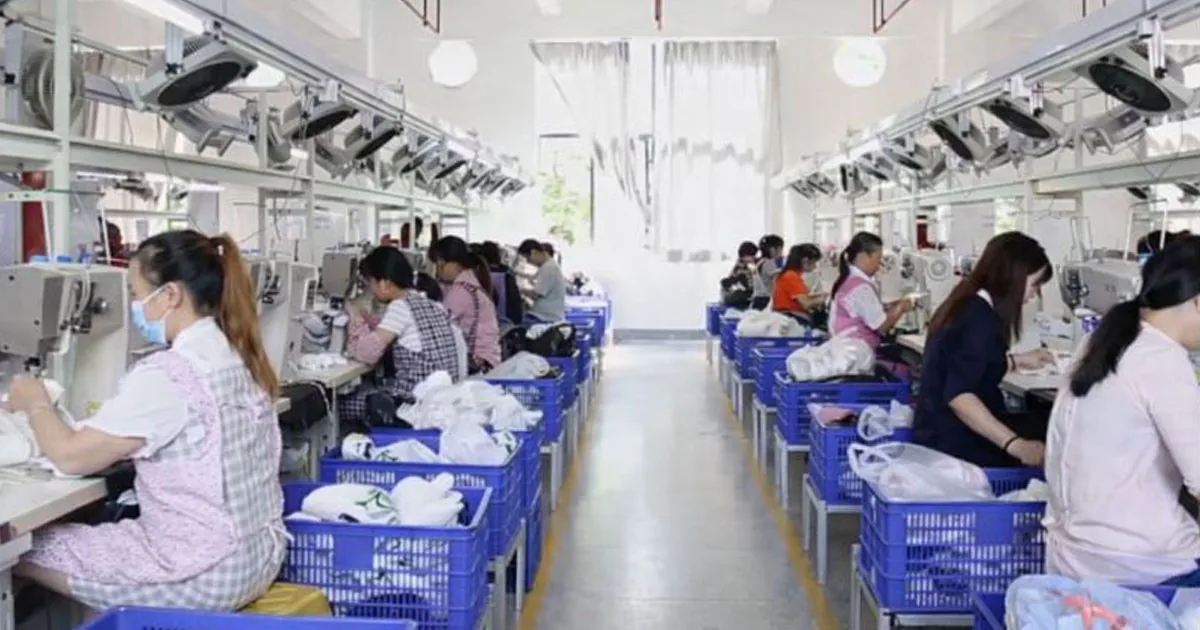
Two footwear quotations rarely assume the same supply chain, and the difference is invisible until one of them slips. State the assumptions in the inquiry so both suppliers price the same thing. Industry supply chain standards and regulations guidance is a reminder that identification and documentation are part of the delivery, not an afterthought to it.
| Assumption to state | Proof to request | Who provides it | Risk if it is left open | Buyer follow-up |
|---|---|---|---|---|
| Material stock position | Written lead time per grade and color | Factory, from its material supplier | A dye lot delay discovered after cutting | Confirm stock before the slot |
| Component sourcing | Named supplier for branded hardware | Factory or the brand nominated vendor | A run held by one small component | Approve substitutes in advance |
| Inspection basis | Report naming the sampling plan used | Factory quality control | A pass with no defect list behind it | Fix the plan in the order |
| Shipping documents | Document set list for the destination | Factory and forwarder | Goods landed and held at clearance | Agree the list before shipment |
| Carton identification | Carton mark and labeling sheet | Brand, confirmed by the consignee | Warehouse rejection on receipt | Reissue when the consignee changes |
Ask each supplier to confirm these in writing rather than to acknowledge them. A supplier that returns the list annotated is telling you it has run the schedule; one that replies no problem has not. Families are listed across the footwear products.
How the size run and colorway count change unit cost
Two quotations for the same shoe can differ widely because they assume different splits. The split is a buyer decision, so it belongs in the inquiry rather than in the reply.
Quantity basis and size-run split
State the quantity per style, color and size rather than a total. A total quantity spread thinly across a wide size run produces short runs at the ends, and those carry the same set-up cost as the middle sizes while selling in far smaller numbers. Ask how the price changes if the run is narrowed, because that answer tells you what the ends are actually costing.
Colorway count and its cost
Each colorway is a material commitment and a line changeover, and both are charged whether the color sells or not. Ask for the price at one, two and four colorways against the same total quantity; the gap is the real cost of the range decision. Ordering quantity is where this bites, and the specification should state the split explicitly so the factory can write a quality control plan against it. Leave it open and the risk is a repriced order after the sample is approved. Development routes are described on the OEM and ODM footwear manufacturing.
Which shipment terms and records to fix before the order
The last few days of a footwear order produce most of its paperwork, and almost all of it is decided at the beginning.
Packing unit and carton content
- State the packing unit: pairs per inner, inners per carton, and whether sizes are packed solid or assorted.
- Fix the carton dimensions and the maximum weight, since a warehouse handling limit is a specification the factory cannot guess.
- Approve the carton mark content with the consignee, not with the factory, because the consignee is who rejects it.
- Check a packed carton from the sample run rather than a proof on screen.
Inspection basis and documents
Fix who inspects, against which specification revision, and what counts as a defect, then list the document set the destination requires. A quality control pass with no named sampling plan and no defect list is not a result you can act on, and a document set agreed after shipment is a document set agreed under pressure. Ask for the final inspection report and the document list together, and verify both against the destination requirements before the container is booked rather than after it sails.
Use private label footwear programs to align the product baseline, sample evidence, packing record, and quote owner before order release.
In conclusion
A footwear delivery date is decided in three places the factory does not fully control: material and component lead times upstream of cutting, the production slot and the four inputs that hold it, and the inspection and document steps at the end. A schedule that starts at order confirmation has already skipped the first of those.
State the supply chain assumptions in the inquiry rather than discovering them in the reply. Confirm material stock by grade and color, name the component suppliers, fix the inspection basis with its sampling plan, and settle the quantity split by style and color before asking for a date, because a mixed brief that looks like one order is often several and each needs its actual quantity and scheduling dependencies recorded; do not infer separate production slots from MOQ arithmetic alone. The cost of leaving those open is not usually a rejected shipment; it is a supplier capability question answered too late to act on.
When the assumptions are written down, take them to the footwear sourcing solutions and request the quotation there. That route fits because the sourcing routes, checkpoints and program structures a schedule has to reference are described on it, which a product page cannot resolve. Sending a target date alone risks a quotation built on the factory assumed material position rather than yours.
Footwear supply chain FAQ
Which material lead times sit upstream of the shoe factory itself?
Upper material by grade and color, outsole compound or unit, branded hardware and trims, and custom packaging. Any of them can hold a run that the factory itself is ready to build.
What should buyers verify before approving supply chain shoes?
That the specification is frozen, the sample approved in writing, the quantity satisfies the applicable minimum for each style, color and size, without mixing at KEYTOP, and the deposit trigger is agreed. A production slot rests on those four and is released when one stays open.
Which supply chain checkpoints produce records a footwear importer needs at receipt?
Incoming material checks, in-line inspection during the run, and final inspection before shipment. Ask for the final report with its sampling plan and defect list, plus the destination document set.
What supply chain assumptions should a shoe buyer state in the RFQ?
Material stock position, component sourcing, inspection basis, shipping documents and carton identification. Stating them makes two quotations comparable; leaving them open makes the cheaper one look better than it is.
RFQ handoff: Send Specs for Review.