









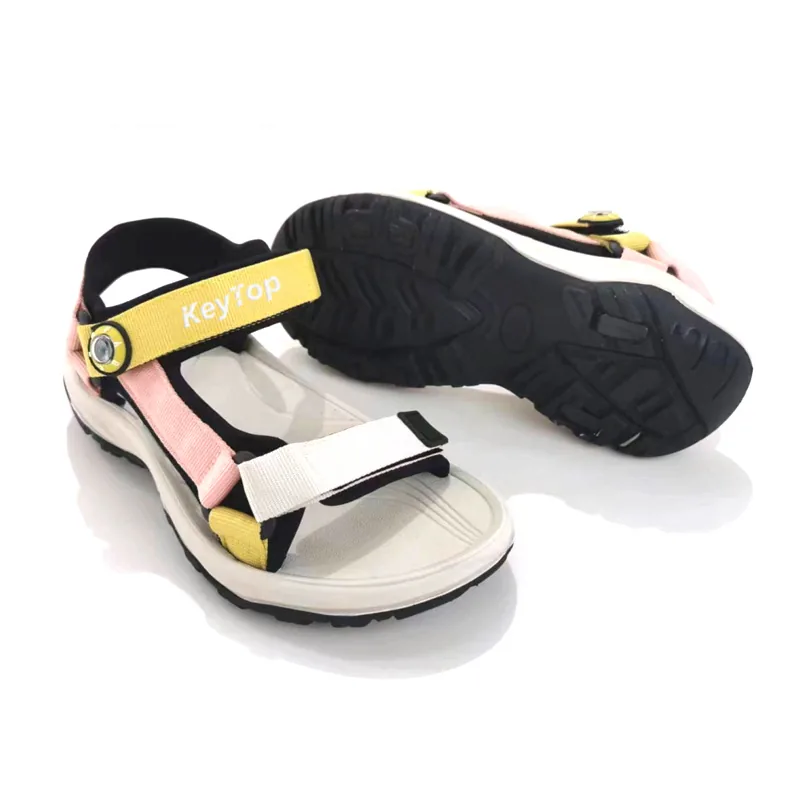
Sandal Program Checklist for Brand and Private-Label Buyers is written for importers, private-label brands, retail buyers, ecommerce teams, and sourcing companies that need a practical way to qualify a footwear order before RFQ. The goal is not to collect generic supplier claims. The goal is to make category fit, sample requirements, MOQ assumptions, packaging, quality control, and approval records clear enough that a buyer can compare suppliers on the same basis.
For KEYTOP, the confirmed product scope is lifestyle footwear: sports shoes, outdoor footwear, casual sneakers, casual shoes, boots, outdoor footwear, sandals, slippers, and slides. The baseline MOQ in the project claim registry is 1,000 pairs per category, with sample timing normally 7-15 days after usable requirements are confirmed and standard production normally 35-45 days after specs, sample approval, material assumptions, packaging, and production slot are confirmed. Those ranges still need order-specific confirmation.
Table of Contents
- Quick buyer answer
- Sourcing decision framework
- What to confirm before sampling
- Decision table
- RFQ and approval checklist
- Supplier red flags
- Internal link path
- Frequently asked questions
Quick Buyer Answer
A buyer should use sandal program checklist for brand and private-label buyers as a decision framework, not as a simple supplier search. Before asking for a quote, confirm the product route, category fit, size run, material assumptions, logo and packaging requirements, sample approval record, QC checkpoints, and the target shipment plan.
If the supplier cannot explain how the sample, bulk production, packing, and inspection records connect, the buyer should pause before paying for samples or discussing a deposit.
Sourcing Decision Framework
Sandal Program Checklist for Brand and Private-Label Buyers checklist overview
This checklist turns sandal program checklist for brand and private-label buyers into a buyer-side review process instead of a loose supplier search.
Checklist items to confirm before RFQ
Use each item as a supplier question, not as an assumed claim.
Competitor and SERP review showed that many visible pages emphasize broad OEM/ODM capability or product categories. This article adds the buyer-side Buyer tools that are often missing: RFQ inputs, sample approval checkpoints, category fit, packing control, and QC questions.
What to Confirm Before Sampling
A sample is only useful when it represents the planned bulk order. For sandal sourcing, buyers should treat the first sample as an approval record, not just a product photo. The record should show what was approved, what was rejected, and which version the factory should follow in production.
| Confirmation Area | Buyer Question | Why It Matters |
|---|---|---|
| Product route | Confirm whether the order is for one sandal style, a small range, or a mixed category program. | Keeps quote, sample, and bulk expectations aligned. |
| Quantity and size run | State pair quantity, size range, size ratio, colorways, and whether the MOQ is per style, color, or category. | Keeps quote, sample, and bulk expectations aligned. |
| Material and construction | List upper, lining, outsole, insole, trim, logo, and packaging requirements before sampling. | Keeps quote, sample, and bulk expectations aligned. |
| Sample approval | Keep one approved sample, file version, material record, logo record, and packaging proof as the production reference. | Keeps quote, sample, and bulk expectations aligned. |
| QC checkpoints | Ask how incoming materials, in-line inspection, and final inspection before shipment will be recorded. | Keeps quote, sample, and bulk expectations aligned. |
| RFQ package | Send spec sheet, artwork, reference images that are owned or authorized, packaging needs, target timeline, and shipment market. | Keeps quote, sample, and bulk expectations aligned. |
Decision Table
| Buyer Situation | Recommended Check | Risk If Ignored |
|---|---|---|
| New brand testing demand | Start with a focused style and fewer colorways | Lower planning complexity and easier sample approval |
| Retail chain assortment | Confirm size-run logic, carton marks, and barcode needs early | Packing mistakes can delay receiving or reorder control |
| Private-label program | Prepare original logo files, box artwork, and approval records | Unclear artwork creates repeat revisions and IP risk |
| Seasonal product launch | Lock sample timing, material availability, and production slot | Late approvals can push the launch window |
RFQ and Approval Checklist
Send a focused RFQ instead of a vague request for a sandal price. A useful RFQ should include:
- Product category and intended channel for the sandal order.
- Estimated quantity, size run, colorways, and launch timing.
- Upper, lining, outsole, insole, trim, and packaging assumptions.
- Logo position, artwork files, box design, label, carton mark, and barcode needs when applicable.
- Sample target, approval method, and what should be measured before bulk production.
- QC expectations for incoming materials, in-line inspection, and final inspection before shipment.
- Shipment market and any retailer or ecommerce packing requirements the buyer must follow.
The buyer should ask the supplier to mark unknown items instead of guessing. Unknown material, packing, size-run, or approval assumptions can change cost and timing.
Supplier Red Flags
- The supplier gives a price before the buyer shares size run, materials, packaging, or quantity.
- The supplier cannot explain sample approval steps or what changes between sample and bulk production.
- The supplier encourages protected-brand copying or unclear reference-image use.
- MOQ, sample time, or production lead time is presented as fixed without style, colorway, packaging, and schedule context.
- QC is described only as a slogan, with no incoming material, in-line, or final inspection checkpoints.
Internal Link Path
This article should support the commercial owner page instead of replacing it. Recommended internal links:
External Sources Used for Research
These sources informed the SERP and competitor angle. They are used as market and structure references, not as KEYTOP product facts.
- https://www.herrains.com/products/womens-sandals
- https://www.okabashi.com/pages/wholesale
- https://k.shoes/private-label/shoes-manufacturer/
- https://italianshoefactory.com/private-label/
- https://kingdishoes.com/
Frequently Asked Questions
What should buyers send before asking for sandal pricing?
Buyers should send product category, quantity, size run, materials, colorways, logo or packaging needs, sample target, QC expectations, and shipment market. Without these inputs, two suppliers may quote different assumptions and the prices will not be comparable.
Is 1,000 pairs always the MOQ for sandal orders?
KEYTOP’s project claim registry records 1,000 pairs per category as the baseline MOQ. Buyers still need to confirm the actual order by style, colorway, material, size run, packaging, and production schedule before treating a quote as final.
How long does sample and bulk production normally take?
The approved registry states sample timing is normally 7-15 days after usable requirements are confirmed. Standard production is normally 35-45 days after specs, sample approval, material assumptions, packaging, and production slot are confirmed. Order details can change timing.
How should sandals fit?
Reframe this as a B2B sourcing question: confirm sizing, construction, sample approval, packaging, and QC records with the supplier before production. Consumer fit language should become buyer-side specification and approval control.
Are sandals shoes?
For sandal program checklist for brand and private-label buyers, keep sandal program checklist for brand and private-label buyers checklist overview This checklist turns sandal program checklist for brand and private-label buyers into a buyer-side review process instead of a loose supplier search. Checklist items to confirm before RFQ Use each item as a supplier question, not as an assumed claim. Competitor and SERP review showed that many visible pages emphasize broad OEM/ODM capability or product categories. This article adds the buyer-side Buyer tools that are often missing: RFQ inputs, sample approval checkpoints, category fit, packing control, and QC questions. What to Confirm Before Sampling A sample is only useful when it represents the planned bulk order. For sandal sourcing, buyers should treat the first sample as an approval record, not just a product photo. The record should show what was approved, what was rejected, and which version the factory should follow in production. Confirmation Area Buyer Question Why It Matters Product route Confirm whether the order is for one sandal style, a small range, or a mixed category program. Keeps quote, sample, and bulk expectations aligned. Quantity and size run State pair quantity, size range, size ratio, colorways, and whether the MOQ is per style, color, or category. Keeps quote, sample, and bulk expectations aligned. Material and construction List upper, lining, outsole, insole, trim, logo, and packaging requirements before sampling. Keeps quote, sample, and bulk expectations aligned. Sample approval Keep one approved sample, file version, material record, logo record, and packaging proof as the production reference. Keeps quote, sample, and bulk expectations aligned. QC checkpoints Ask how incoming materials, in-line inspection, and final inspection before shipment will be recorded. Keeps quote, sample, and bulk expectations aligned. RFQ package Send spec sheet, artwork, reference images that are owned or authorized, packaging needs, target timeline, and shipment market. Keeps quote, sample, and bulk expectations aligned. Table Buyer Situation Recommended Check Risk If Ignored New brand testing demand Start with a focused style and fewer colorways Lower planning complexity and easier sample approval Retail chain assortment Confirm size-run logic, carton marks, and barcode needs early Packing mistakes can delay receiving or reorder control Private-label program Prepare original logo files, box artwork, and approval records Unclear artwork creates repeat revisions and IP risk Seasonal product launch Lock sample timing, material availability, and production slot Late approvals can push the launch window RFQ and Approval Checklist Send a focused RFQ instead of a vague request for a sandal price. A useful RFQ should include: Product category and intended channel for the sandal order. Estimated quantity, size run, colorways, and launch timing. Upper, lining, outsole, insole, trim, and packaging assumptions. Logo position, artwork files, box design, label, carton mark, and barcode needs when applicable. Sample target, approval method, and what should be measured before bulk production. QC expectations for incoming materials, in-line inspection, and final inspection before shipment. Shipment market and any retailer or ecommerce packing requirements the buyer must follow. The buyer should ask the supplier to mark unknown items instead of guessing. Unknown material, packing, size-run, or approval assumptions can change cost and timing. Supplier Red Flags The supplier gives a price before the buyer shares size run, materials, packaging, or quantity. The supplier cannot explain sample approval steps or what changes between sample and bulk production. The supplier encourages protected-brand copying or unclear reference-image use. MOQ, sample time, or production lead time is presented as fixed without style, colorway, packaging, and schedule context. QC is described only as a slogan, with no incoming material, in-line, or final inspection checkpoints. Internal Link Path This article should support the commercial owner page instead of replacing it. Recommended internal links: sandals OEM and ODM footwear manufacturing private label footwear programs contact KEYTOP External Sources Used for Research These sources informed the SERP and competitor angle. They are used as market and structure references, not as KEYTOP product facts. https://www.herrains.com/products/womens-sandals https://www.okabashi.com/pages/wholesale https://k.shoes/private-label/shoes-manufacturer/ https://italianshoefactory.com/private-label/ https://kingdishoes.com/ Frequently Asked Questions What should buyers send before asking for sandal pricing? Buyers should send product category, quantity, size run, materials, colorways, logo or packaging needs, sample target, QC expectations, and shipment market. Without these inputs, two suppliers may quote different assumptions and the prices will not be comparable. Is 1,000 pairs always the MOQ for sandal orders? KEYTOP’s project claim registry records 1,000 pairs per category as the baseline MOQ. Buyers still need to confirm the actual order by style, colorway, material, size run, packaging, and production schedule before treating a quote as final. How long does sample and bulk production normally take? The approved registry states sample timing is normally 7-15 days after usable requirements are confirmed. Standard production is normally 35-45 days after specs, sample approval, material assumptions, packaging, and production slot are confirmed. Order details can change timing. How should sandals fit? Reframe this as a B2B sourcing question: confirm sizing, construction, sample approval, packaging, and QC records with the supplier before production. Consumer fit language should become buyer-side specification and approval control. Are sandals shoes? tied to frequently Asked Questions so the approved fit, component choices, QC checks, and reorder reference remain aligned.
In conclusion
A strong sandal program checklist for brand and private-label buyers article should help buyers make a sourcing decision, not just collect supplier names. The practical buyer follow-up is to turn the article into an RFQ package: category, quantity, size run, materials, logo or packaging needs, sample approval method, QC expectations, and target shipment timing.
For buyers preparing a footwear program, KEYTOP can review the request when the product scope is within its confirmed lifestyle footwear categories and the design or branding materials are original or authorized. Use the contact KEYTOP page to send the RFQ details for review.