









Boot sample approval OEM needs one controlled sample record; otherwise a supplier can quote one construction while the fit sample proves another.
For boot sample approval OEM, the useful factory reply states which fit, construction, material, and wear checks must pass before bulk production.
Use this guide to align fit, construction, materials, quality evidence, and commercial terms before bulk production.
For importers and private-label footwear brands, keep boot sample approval OEM quote-ready: specs to send, proof to request, sample checks to approve, and reorder notes to retain.
Quick Decision: Define the Approval Standard
- Signed change-control ledger for every deviation from approved sample: Ensures supplier can reproduce the same result in bulk production Request the ledger and cross-check each deviation against the approved spec sheet Unapproved substitutions enter production, causing reorder drift or quality failure Require ledger before shortlisting supplier; reject if missing
- Dimensional measurements compared to approved spec sheet with stated tolerances: Verifies sample matches design specs before bulk production Use supplier’s measurement standard and compare side-by-side photos from same angle Boot profile mismatch leads to production of incorrect shape or size Reject sample if deviation exceeds agreed tolerance; request revised sample
- Verbal approvals without written documentation for material or construction changes: Verbal changes cannot be audited, risking reorder consistency Ask supplier to demonstrate how a change would be recorded and who authorizes it Unapproved changes in bulk production with no traceability Require written change-control record and MOQ breakdown before authorizing production
- Confirmed supplier shortlist after passing all sample approval checks: Only shortlist suppliers that can reproduce the approved sample in bulk Compare each supplier’s signed ledger, material certificates, and measurements against spec sheet Shortlisting a supplier that cannot deliver consistent quality, causing hidden cost increases Document approval decision and move to bulk production only after shortlist is confirmed
Decision owner
Name the buyer role that can accept this footwear decision and the factory role responsible for returning evidence. Record both names beside the controlled product reference.
Evidence handoff
Before moving forward, reconcile the marked drawing, material reference, and physical evidence. Any mismatch should remain an open action with an owner and a dated response.
Critical Specifications and Tolerances
- Supplier fails to provide signed change-control ledger for sample deviations. Unapproved changes can enter bulk production, causing reorder drift. Require a signed change-control record before sample approval. Signed change-control ledger documenting each deviation and authorization. Shortlist only suppliers with signed ledger.
- Verbal approval for material substitutions during sample stage. No traceable record, risk of quality failure in bulk. Demand written authorization from buyer role for all changes. Written approval email or signed document from authorized buyer. Document all approvals in sample approval record.
- Dimensional measurements not compared to approved spec sheet. Boot profile, size, fit may deviate from design. Request side-by-side measurement report with photos. Measurement report with spec sheet comparison and photos from same angle. Reject sample if deviation exceeds agreed tolerance.
- MOQ, lead time, packaging not confirmed in writing. Hidden costs, delays, and production schedule conflicts. Verify all inputs in RFQ before sample approval. Written MOQ breakdown, lead time commitment, and packaging spec. Include these details in RFQ and confirm before moving to sample.
Review OEM and ODM footwear manufacturing before carrying the approved critical specifications and tolerances requirements into the wider boot sample approval oem sourcing decision.
Release condition
Release this checkpoint only when the written requirement and the reviewed footwear evidence describe the same component, construction, branding, and intended use.
Handoff record
Record the accepted footwear evidence and the responsible owner before this checkpoint is released.
RFQ checkpoint
Check the product route for sizes, structures, materials, finishes, and RFQ details before sampling boot sample approval OEM.
How to Inspect the Sample
- What measurement method and tolerance do you apply for boot shaft height, sole thickness, and width at the ball of the foot?
- What is the approval risk if the sample is signed off without confirming artwork, print, and finish match the approved reference?
- Which buyer follow-up actions are required after sample inspection, and who is responsible for each? Sample approval is only the first gate; follow-up actions like material confirmation, production slot booking, and packing instructions must be triggered.
- Have all specifications from the tech pack (material, color, hardware, stitching, stroke, and packing) been confirmed on the sample? A single missing spec can invalidate the sample approval and force a second sample round, delaying the entire project.
Resolve these questions before approval: what are the MOQ and lead-time constraints for this boot sample and the follow-on bulk order? Sample approval triggers bulk order planning; without knowing MOQ and lead time, you cannot schedule production or manage inventory.
Review solutions before carrying the approved how to inspect the sample requirements into the wider boot sample approval oem sourcing decision.
Evidence and Approval Records to Keep
During quote review, the output that must exist before moving to bulk production is a complete set of evidence and approval records that document every decision, measurement, and change made during the sample stage. Without these records, the buyer cannot verify that the factory will reproduce the same result in production, and any reorder will require restarting the approval process. The following steps outline the records a procurement buyer should collect and keep before approving a boot sample.
- Record the approved sample specifications, including material references, color codes, and tolerance limits for each dimension. This becomes the baseline for bulk production and reorders.
- Document fit and function test results, such as sole adhesion, lining integrity, zipper or closure operation, and any wear-test observations. The factory should provide a signed report.
- Keep a signed approval form that names the person who approved the sample, the date, and any conditions or exceptions. This prevents disputes about what was actually approved.
- Store photographic evidence of the sample from multiple angles with a reference scale, so that bulk production can be visually compared. Include images of the insole, outsole, and any branding details.
Additional RFQ items include retain the supplier’s quality inspection report for the sample, showing pass/fail status and any corrective actions taken. The KEYTOP factory uses three QC checkpoints: incoming materials, in-line inspection, and final inspection before shipment.
For a broader framework on evaluating factory reliability, see this importer’s checklist for finding reliable factories. These records turn the sample approval process into an auditable, reusable asset for bulk orders and future reorders.
Bulk Production Risks and Change Control
The useful proof that a supplier can control bulk production risk is a signed change-control ledger that documents every deviation from the approved sample, material substitution, or construction adjustment, along with the buyer role who authorized it. This ledger separates capable suppliers from those who rely on verbal approvals. Without it, unapproved changes can enter production, causing reorder drift or quality failure.
- Verify that the supplier maintains a written change-control ledger that records the date, affected component, reason, evidence, authorized buyer role, and disposition for every deviation after sample approval.
- Check that the MOQ baseline of 1,000 pairs per category is confirmed by style, colorway, size run, material, packing, and schedule. If the supplier cannot itemize how the MOQ applies to your order, request a written breakdown.
- Request a sample-room check: ask to see the last three pre-production inspection reports and compare failure rates across runs. This reveals whether the factory can maintain consistent quality between sample and bulk production.
- Confirm that the supplier’s QC plan includes incoming material, in-line, and final inspection stages, each with defined acceptance criteria and a named release authority.
In the sample room, ask the supplier to demonstrate how a change in material or construction would be recorded and approved. If the supplier cannot show a traceable record, the risk of unapproved changes in bulk production is high.
Before shortlisting, require a signed change-control record and a written MOQ breakdown. Use the Shoe Sample Approval Checklist Before Bulk Production as a reference for additional checks.
RFQ Handoff and Supplier Questions
At sample approval, the output that must exist before the next stage is a confirmed supplier shortlist that passes the approval checks. The buyer must verify which supplier signals are strong enough by checking sample evidence, material confirmations, and production risk controls. Without this output, the buyer risks shortlisting a supplier that cannot reproduce the approved sample in bulk, leading to quality failures, reorder drift, or hidden cost increases.
- Verify the sample approval record. The supplier must provide a signed document that ties the sample ID, specification revision, material codes, and color standards. Risk: unapproved changes in bulk production. Verification: request the record before shortlisting.
- Confirm the change-control process. Ask the supplier to demonstrate how material substitutions or construction adjustments are recorded and approved. In the sample room, request a traceable ledger.
- Check the QC plan. The supplier must state incoming, in-line, and final inspection checkpoints with defect criteria. Risk: defects accumulate without detection. Verification: request a written QC gate plan.
- Compare MOQ and lead time against the approved baseline. KEYTOP’s baseline is 1,000 pairs per category, sample 7–15 days, production 35–45 days after specs and approval are confirmed. Risk: order feasibility mismatch.
Additional RFQ items include validate reorder consistency. Ask what evidence is archived for the next order. The supplier should retain the signed sample record, material codes, and change log. Risk: reorder drift. Verification: request a reorder control record.
Carry these checks into the RFQ. For related product specifications, review boots products. For a broader reference, see Shoe Sample Approval Checklist Before Bulk Production.
For boot sample approval OEM, use private label footwear programs to align the product baseline, sample evidence, packing record, and quote owner before order release.
In conclusion
The sourcing choice for boot sample approval OEM is decided by comparing each supplier’s documented evidence—signed change-control ledgers, material certificates, and dimensional measurements—against the approved spec sheet. Buyers must verify that the supplier can reproduce the sample in bulk, and shortlist only those that pass every check. Without this verification, the risk of unapproved substitutions or reorder drift remains unaddressed, making the approval decision conditional on traceable proof.
To approve a sample and move to bulk, the buyer should document every approval decision, verify lead time commitments (7–15 days for sample, 35–45 days for bulk),
and confirm MOQ and cost assumptions in the RFQ.
The final shortlist should include only suppliers that have demonstrated their ability to control production risk through documented processes.
The sourcing choice is a decision to approve, revise, or reject based on the completeness of evidence and the supplier’s capacity to reproduce the approved sample.
Frequently Asked Questions
What inputs should buyers confirm for boot sample approval oem?
Buyers should confirm the boot category, style, colorway, size run, material, packaging, and production schedule.
The baseline MOQ is 1,000 pairs per category, and sample lead time is 7–15 days after specs are confirmed.
Risk increases if any input is left as a verbal estimate, so verify each item in writing and include it in the RFQ.
For exact tolerances, request the supplier’s measurement standard during sample approval.
What sample evidence is needed for boot sample approval oem?
The sample evidence must include a signed change-control ledger, material certificates, dimensional measurements, and a side-by-side comparison against the approved spec sheet.
Without these records, the factory cannot guarantee reproduction in bulk.
Risk of unapproved substitutions is high, so request a written MOQ breakdown and a traceable sample approval record before authorizing production.
Confirm lead time expectations—7–15 days for sample—during the RFQ stage.
What should be included in a boot sample approval oem RFQ?
The RFQ should specify the boot category, style, colorway, size run, material, packaging, and production schedule.
Include the baseline MOQ of 1,000 pairs per category, sample lead time of 7–15 days, and bulk lead time of 35–45 days after sample approval.
Also request the supplier’s QC plan, change-control process, and proof of previous similar orders.
Risk of hidden costs rises if these are omitted, so verify each item during RFQ review and before sample approval.
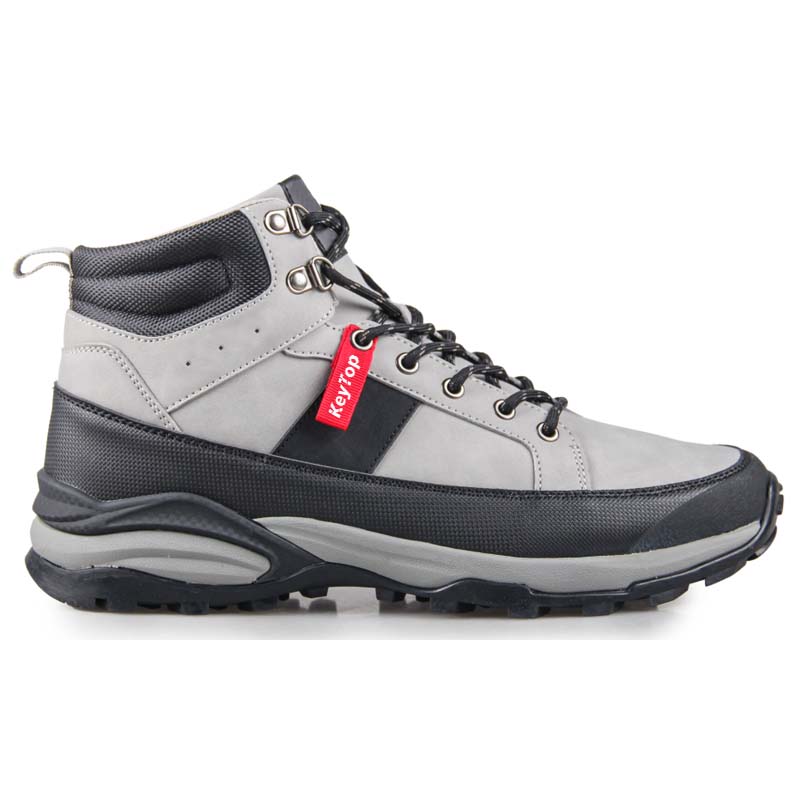
Does the side profile look too flat, too bulky, or too narrow?
Whether the side profile looks too flat, bulky, or narrow depends on the approved design spec and reference sample. Compare the actual side profile to the tech pack drawing and the original sample; any deviation beyond the agreed tolerance is a risk. Ask the supplier to document the measurement and provide a photo from the same angle. If the profile does not match the spec, reject the sample and request a revised version before bulk production. Confirm the acceptable tolerance in the RFQ.
RFQ handoff: For boot sample approval OEM, share product size, material, artwork, quantity, sample need, packing method, and deadline so the RFQ can be reviewed before sample approval. Send Specs for Review.