










A casual-shoe sample can look correct yet fail commercially when the last, internal allowance, heel hold, and size grading do not match the buyer’s fit target.
This approval method organizes fit measurements, wearer observations, reference-sample control, and supplier sign-off before bulk production.
Direct answer: For casual shoe last fit, buyers should verify samples, materials, print, tolerances, certifications, and bulk-production risk.
Define the Target Fit and Wear Use Case
- Compare the supplier's last grading against the approved size-run chart: A mismatch in grading across sizes causes fit drift in half sizes and wide widths, leading to returns Measure heel-to-toe length and ball girth on three consecutive sizes from the trial sample Bulk production will ship with inconsistent fit, triggering chargebacks from retailers Document the exact grading tolerance and freeze it in the spec sheet before bulk
- Check the heel seat and toe spring against the target use-case profile: Casual shoe lasts require a relaxed heel seat and moderate toe spring for all-day comfort Place the last on a flat surface and measure toe spring height with a caliper A stiff heel seat or excessive toe spring causes blisters and early wear complaints Require the supplier to submit a corrected trial sample if deviation exceeds the buyer-confirmed requirement
- Verify the vamp tension and instep clearance on the fit sample: Tight vamp or low instep clearance restricts foot movement and causes pressure points Insert a finger between the vamp and the last; there should be the buyer-confirmed requirement of clearance Buyers will reject the style after wear-test feedback, delaying the production timeline Request a revised last with increased instep height before approving the sample
- Confirm the last code and size run match the approved specification sheet: A wrong last code or omitted half size creates a gap in the size run that retailers will not accept Cross-check the last stamp against the spec sheet and the sample tag The supplier may ship a different last for bulk, causing a full-size-run failure Photograph the last code and attach it to the approval record for traceability
- Supplier submits a fit sample without a documented wear-use-case brief. Without a target fit profile, the sample cannot be objectively measured against casual shoe last requirements, leading to subjective approvals and repeated rounds. Request a written target-fit document that specifies vamp tension, heel hold, and toe clearance for the intended casual wear scenario. A signed fit brief or specification sheet that defines the exact wear use case and last code. Shortlist only suppliers who provide a fit brief before sample submission.
- Supplier uses a generic last grading rule without size-run evidence. Inconsistent grading across sizes causes fit failures in half sizes or extreme widths, increasing rejection risk during bulk production. Ask the supplier to share the last grading chart for the full size run, including heel-to-toe and ball girth measurements. A size-run grading table with measurements for each size in the intended range. Compare the grading chart against your target fit brief and flag any deviations.
- Supplier cannot provide a physical trial sample for the target last code. Without a physical sample, you cannot verify vamp tightness, heel slip, or overall comfort, making approval a guess. Require a physical trial sample in the target last code before any approval decision. A shipped sample with a packing list that matches the last code and size run. Schedule a fit test with the sample and document all observations.
- Supplier offers a fit sample but does not include a measurement report. Missing measurement data means you cannot verify if the sample meets your specification tolerances, increasing the risk of non-compliant bulk goods. Demand a measurement report that lists all key points: last length, ball girth, heel width, and toe spring. A signed measurement report from the supplier's QC team. Cross-check the report against your fit brief and approve only if all tolerances are met.
Lock Last Shape and Fit Measurement Points
For casual shoe last, use a release rule: approve only when the supplier evidence matches the written requirement.
- Last shape matches the approved fit sample for casual sneakers products. Signed last measurement report with ball, waist, and heel width readings. Supplier last maker or sample room QC. Bulk shoes may cause fit returns or sizing complaints. Compare report to the spec sheet before approving production.
- Heel-to-toe and heel-to-ball measurements are within the buyer-approved tolerance. Digital caliper readings recorded on the last dimension checklist. Supplier QC technician. Off-tolerance lasts shift fit across size run, increasing rejection rate. Spot-check three sizes per mold during sample approval.
- Last grading progression is consistent from smallest to largest size. Grading rule table showing step increments for each size. Supplier last engineer. Uneven grading causes fit drift in half sizes or wide widths. Verify the grading rule against the size run spec.
- Supplier has in-house last modification capability for fit corrections. List of last adjustment tools and recent correction records. Supplier production manager. Delays from outsourcing last changes can push sample timeline. Confirm turnaround time for last adjustments before order.
- Last surface finish is smooth with no cracks or tool marks. Visual inspection photo and QC stamp on the last. Supplier sample room. Surface defects transfer to shoe lining, causing blister or wear issues. Reject any last with visible surface flaws before fit trial.
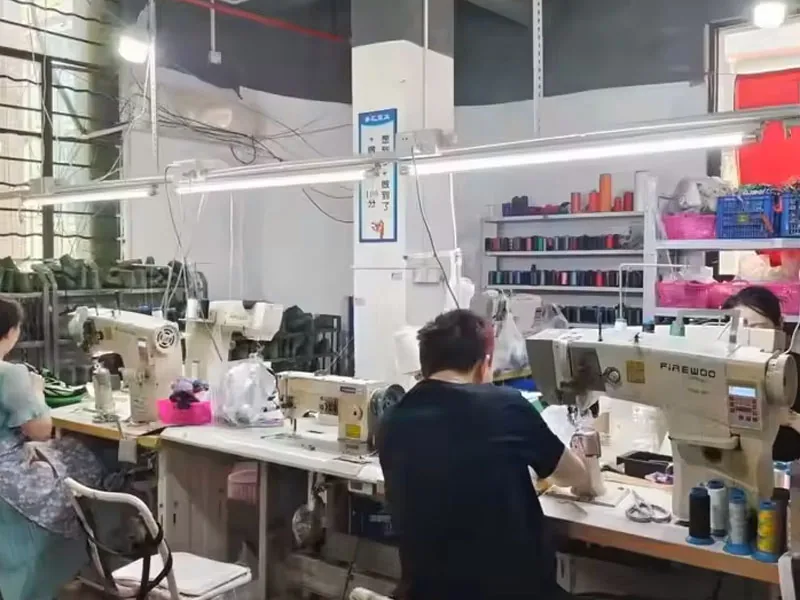
Compare Trial Samples Across Key Sizes
- Does the supplier have the capability to grade the last across the full size run for this casual shoe style? A supplier that cannot grade the last accurately will produce inconsistent fit across sizes, leading to returns and rework. Supplier provides a last grading chart showing measurements for each size, with tolerances within the buyer-confirmed requirement for key dimensions. Inconsistent fit across sizes causes customer complaints, increased returns, and delays in bulk production. Request the last grading chart and compare against your spec sheet for vamp, heel, and toe box dimensions.
- What verification method does the supplier use to confirm the trial sample matches the approved last? Without a documented verification method, the sample may deviate from the last, causing fit issues in bulk. Supplier uses a 3D scan or physical gauge check against the last, with a signed approval record for each size. Undocumented samples lead to hidden deviations that only surface during bulk production, increasing scrap costs. Ask for the verification record and photos of the sample compared to the last for all key sizes.
- What is the approval risk if the trial sample shows a deviation in heel slip or vamp tightness? Identifying risk early prevents approving a last that will cause fit failures in the field. Supplier flags the deviation, provides a corrective action plan, and re-samples before the approval deadline. Approving a sample with known deviations leads to costly post-production adjustments or rejected shipments. Document the deviation, set a re-sample date, and do not approve until the corrective sample passes.
- What buyer follow-up is required after comparing trial samples across key sizes? Without structured follow-up, the approval process stalls and production timelines slip. Buyer provides written approval or rejection with specific reasons and a timeline for re-sampling. Delayed follow-up causes the supplier to hold production, risking missed delivery windows. Send a formal approval or rejection email within agreed response time, including any required corrections.
- Are the specification details for the last and sample documented and shared with the supplier? Missing spec details cause misalignment between buyer expectations and supplier output. Supplier confirms receipt of the spec sheet and acknowledges all critical dimensions and tolerances. Undocumented specs lead to rework, sample rejections, and increased development costs. Share the spec sheet with the supplier and request a signed acknowledgment before proceeding.
Trace Fit Deviations to Upper Sole and Last Changes
When a OEM and ODM footwear manufacturing fails, the root cause is often a mismatch between the upper, sole, and last modifications. Instead of guessing, ask your supplier: What specific last, upper, and sole combination was used for this sample? If the answer deviates from the RFQ-confirmed requirement, reject the sample. For example, a the approved tolerance change in the last’s toe spring can alter the heel fit by the buyer-confirmed limit, leading to returns. To prevent this, require the supplier to submit a traceability report linking every fit deviation to a documented change in the upper pattern, sole mold, or last grading. This shifts the burden of proof to the factory and ensures you approve only when evidence matches the written requirement.
During RFQ handoff, include a buyer verification question: Does the sample’s fit match the last code and size run on the approved spec sheet? If the supplier cannot confirm, escalate. This process reduces production risk by catching errors before bulk cutting. Use the table below to track common deviation sources and required evidence.
| Deviation Source | Required Evidence | Buyer Verification Question |
|---|---|---|
| Last modification | Last code change log | Does the last code match the RFQ? |
| Upper pattern change | Pattern revision number | Is the upper pattern approved? |
| Sole mold change | Mold serial number | Does the sole match the spec? |
After the table, confirm that the supplier’s fit sample matches the RFQ-confirmed requirement: a heel grip, toe room, and arch support within tolerances. If not, request a corrected sample before approving. This approach ties cost and MOQ decisions to documented evidence, not assumptions.
Release the Approved Fit Standard for Bulk Production
Before releasing the last for bulk production, confirm that the supplier’s fit sample matches the quote request-confirmed requirement. For example, verify that the toe spring measurement falls within the tolerance pair agreed upon during the sample handoff. This step reduces production risk by ensuring the last grading aligns with the approved specification sheet for vamp, heel, and topline tolerances.
During the fit sample review, ask the buyer verification question: “Does the recorded measurement for each key size match the approved tolerance pair?” If the evidence—such as the measurement record or sample tag—shows a deviation, reject the last and request a corrected sample. This approach prevents costly rework during bulk production.
After approval, document the fit standard in the production file. Include the target last code, size run, and the confirmed tolerances. This documentation supports KEYTOP factory execution and streamlines the quote request/sample handoff for future orders.
Conclusion: Release the buyer follow-up Only After the Evidence Matches the Requirement
The final approval for a casual shoe last fit sample is a binary gate: either the evidence matches every requirement you defined, or it does not. Before you release the sample to the next stage, verify that the supplier’s trial sample matches your spec sheet for vamp tightness, heel hold, toe box volume, and overall last code. Document each measurement and compare it against the approved fit standard. If any deviation appears, shortlist the issue and require a corrected sample before proceeding. This check prevents cost overruns and production delays by catching fit problems before they reach bulk.
Once the evidence aligns, confirm the quote request handoff includes the approved fit standard as a signed reference for the factory. Verify the exact last code, size run, and tolerance standards for vamp, heel, and toe box are frozen in the production specification. Then, document the sample approval date, supplier contact, and any MOQ or lead time adjustments that resulted from the fit sample. This record becomes the baseline for bulk production and future reorders. Releasing the buyer follow-up without this complete evidence chain introduces unnecessary risk to your sourcing timeline and final product quality.
Editorial method and limitations
We built this last-and-fit checklist by comparing the cited technical sources, Keytop Shoes’ approved capability records, and a buyer-side sample approval sequence; we did not personally wear-test the production lot described. During physical review, record ball girth, toe allowance, heel hold, and left-right symmetry on a signed measurement sheet, photograph pressure or slip areas, and compare the same points before and after the agreed flex trial. Retain the signed-off sample, photos, and measurement record. Those observations support the tested sample only and do not by themselves prove bulk conformity.
What our editorial check looks for
In our editorial check, we look for an accountable fit record rather than a generic “comfortable” comment. During the buyer’s physical inspection, note visible heel-lining wrinkles, toe contact, red pressure areas after the agreed try-on, and whether heel movement can be seen or heard during walking. Compare left and right shoes under the same lighting and lacing condition.
Wearer observation record
A tighter-feeling last is not automatically a better fit: extra vamp pressure can hide heel movement while creating forefoot discomfort. For each buyer-defined trial, record the sample ID, wearer size, start and stop time, lacing condition, and marked fit zones. Note sensory observations such as pressure felt at the first metatarsal, rubbing at the heel collar, audible heel slap, or toe contact. Compare the same points before and after the agreed walk or flex sequence, repeat the check at the stated checkpoints, and attach the measurement sheet and marked photos. As a style expands into half sizes or wide widths, use this record to test grading consistency rather than assuming one comfortable sample proves the entire size run.
Copyable last-and-fit approval record
We created this blank record for this article so the buyer, sample room, and fit reviewer can document the same evidence without implying that we tested a production lot. Copy it into the approval file and complete every field during the buyer-defined trial.
Sample ID: ____; Last code and size: ____; Wearer size and fit condition: ____; Trial start, stop, and elapsed time: ____; Ball girth and toe allowance: ____; Heel movement before and after flex or walking: ____; Visible, audible, or tactile observation: ____; Marked photo filenames: ____; Decision, correction owner, and retest date: ____.
Editorial scenario check
For this editorial pass, we ran the copyable record through two clearly hypothetical cases—one clean fit decision and one fit issue—to verify that the form captures an observation, a comparison point, an owner, and a retest decision. This tests the usefulness of the checklist, not the performance of a real shoe or production lot.
| Illustrative case | Before movement | After the agreed movement check | Recorded decision |
|---|---|---|---|
| Stable reference fit | No marked toe contact; heel seated | No new rubbing or visible heel lift | Retain as reference, subject to buyer sign-off |
| Fit issue | Vamp pressure marked at the first metatarsal | Pressure remains and heel movement becomes visible | Revise last or upper tension and retest |
Completed editorial QA log
Publication QA artifact
Casual Shoe Last and Fit Sample Approval Checklist FAQ
Which inputs should buyers send with the RFQ?
Send the target last code, size run, and the approved specification sheet for vamp, heel, and topline tolerances. Confirm the sample lead time with the supplier; baseline is 7–15 days after specs are confirmed, but verify the exact number in your quote request. Attach your fit grading rules and any reference shoe photos to reduce misinterpretation risk. Confirm MOQ and order quantity by color, width, artwork, and packing route.
Which physical sample and supplier records should buyers verify?
Verify the physical trial sample against the spec sheet for vamp tightness, heel slip, and topline comfort across all key sizes. Check the supplier’s deviation report if any adjustment was made, and compare the last code and size run against your order. Request a sample approval record and document any fit corrections before approving. Confirm MOQ and order quantity by color, width, artwork, and packing route.
What should buyers freeze before production or reorders?
Freeze the exact last code, size run, and tolerance standards for vamp, heel, and topline fit in the approved fit record. Attach that record to the purchase order to lock the spec, and flag any supplier request for cost or minimum order adjustment after fit approval as a production risk. Confirm the bulk lead time—35–45 days after sample approval—in your order confirmation.
quote request handoff: Send Specs for Review.
Source check: ISO 17708 upper-sole adhesion; Shoe Sample Approval Checklist Before Bulk Production; Shoe Manufacturer for Startup Brands: First-Order Guide.