






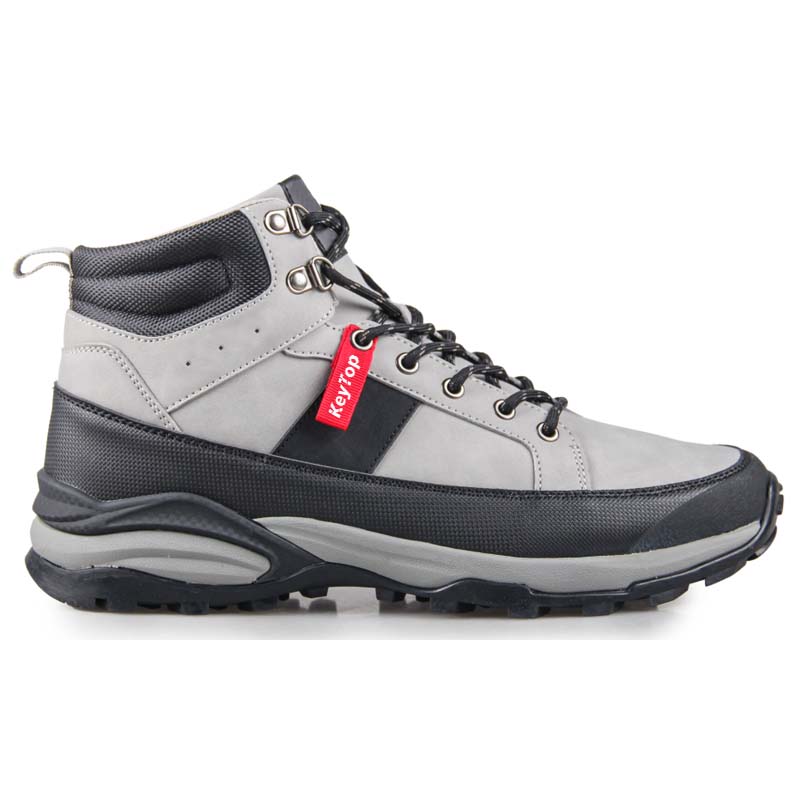
A chukka boot quote is weak when it only names a unit price. Importers need the boot height, upper material, lining, lace system, outsole, size run, logo surface, and packing scope before supplier answers can be compared.
A strong B2B footwear article should help the buyer make a controlled sourcing decision. For this topic, the decision is not which product looks nice. The decision is whether the supplier, sample path, MOQ, packaging, and QC record are clear enough to move from research to RFQ, sample, or deposit.
Keytop is a Fujian-based footwear manufacturer focused on casual sneakers, casual shoes, boots, outdoor footwear, sandals, and slippers or slides. Confirmed operating baselines include OEM/ODM support, private-label branding and packaging work, sample development, and QC checkpoints at incoming materials, in-line inspection, and final inspection before shipment.
This guide gives buyers a practical way to prepare the request, compare supplier answers, and avoid moving too quickly on a quote that does not show enough proof.
Quick Verdict
A chukka boot manufacturer can give a useful quote only after the buyer defines the boot structure, material direction, outsole choice, size plan, branding, packaging, and approval point for bulk production.
The buyer should slow down when a supplier answers only with a price. A useful answer should explain what is included, what is not included, what still needs buyer approval, and which order assumptions can change timing or cost.
Use this decision rule:
| Buyer situation | Best next action | Why it matters |
|---|---|---|
| You only have photos and a target price | Ask for category fit, material assumptions, MOQ basis, and sample path | Photos do not prove production control |
| You need private-label or retail packing | Confirm logo surfaces, box, label, barcode, and carton needs early | Late packaging files can delay approval |
| You are comparing several suppliers | Put every quote into the same table | Equal scope makes weak quotes visible |
| You are close to deposit | Reconfirm approved sample, timeline, QC, and change-control rule | Payment should follow a clear order record |
Chukka boot RFQ scope table
The fastest way to improve supplier comparison is to turn vague questions into a table. The table below makes the buyer’s decision visible and gives the factory a more precise way to answer.
| RFQ area | What to specify | Why it changes the quote |
|---|---|---|
| Boot height | ankle height, collar shape, opening width | changes fit and pattern work |
| Upper material | PU, textile, suede-look, mixed panels, color | changes sample material and finish |
| Lining and insole | lining material, padding, insole branding | affects comfort and brand execution |
| Lace system | eyelets, laces, stitch line, color | changes component sourcing |
| Outsole | existing sole, tread style, color, thickness | affects cost and timing |
| Packaging | box, label, hangtag, barcode, carton mark | affects approval before shipment |
A table like this does not replace a sample. It helps the buyer decide which supplier is ready for a sample conversation and which one is still too vague.
If a supplier gives a strong answer in one area but weak answers in two or three others, the buyer should not treat the supplier as ready. In footwear, missing details often appear later as sample revisions, packaging changes, or inspection disputes.
What Buyers Should Prepare Before Asking For Price
A useful quote starts with useful inputs. The buyer does not need a perfect document, but the request should be specific enough for the supplier to avoid guessing.
Prepare these items before asking for a serious quote:
- Product category and intended sales channel
- Reference photos, sketch, existing sample, or style notes
- Target quantity by style, color, and size run
- Material direction and outsole expectation
- Logo surfaces and available artwork files
- Packaging needs such as box, label, insert, barcode, and carton mark
- Sample purpose and expected approval path
- Target shipment window or launch date
These inputs protect both sides. The supplier can reply with more accurate assumptions, and the buyer can compare quotes without wondering whether one supplier excluded important work.
Send your product category, target quantity, logo scope, packaging needs, and delivery window. Keytop will review the project fit and confirm the next sampling step.
Supplier Questions That Expose Hidden Risk
Good supplier questions are not aggressive. They make the quote safer.
Ask these questions before moving from research to payment:
| Question | What it reveals | Buyer action |
|---|---|---|
| What does this quote include and exclude? | Whether packaging, logo, and sample revisions are inside the scope | Ask for missing items to be added or separated |
| What can change MOQ or timing? | Whether style, color, size run, material, or packaging affects the plan | Confirm assumptions before deposit |
| Which sample becomes the bulk reference? | Whether the factory understands sample control | Save photos, version, and approval notes |
| When does bulk lead time start? | Whether the supplier counts from deposit, approval, material, or production slot | Write the start point into the order record |
| What QC checkpoints apply to this order? | Whether quality control starts before final inspection | Ask for incoming, in-line, and final checks where relevant |
A supplier that answers these questions clearly is easier to work with. A supplier that avoids them may still be usable, but it should not move to the top of the shortlist until the open points are closed.
Buyer Process With Time, Cost, And Risk Anchors
Follow this process before treating the supplier as ready. The timing notes are practical anchors, not promises, because final timing depends on product type, materials, files, approval speed, and production slot.
- Start with one chukka boot reference and the target buyer channel.
- Write the material, lining, outsole, and lace-system assumptions.
- Ask whether MOQ changes by color, upper material, or outsole option.
- Separate sample lead time from revision and packaging approval time.
- Confirm which sample and file set controls bulk production.
- Review final inspection and carton records before shipment release.
Each step removes a different risk. Category and material decisions reduce quote confusion. Sample and packaging approval reduce bulk mismatch. QC and final records reduce disputes before shipment.
The buyer should keep one decision file for the order. That file can include the quote, approved sample photos, final artwork, packaging files, size run, carton marks, and inspection notes.
Common Mistakes Buyers Make
Most problems start before the factory makes the first sample. The buyer asks for price, but the supplier has to fill in missing order details.
| Mistake | Buyer risk | Better control |
|---|---|---|
| Comparing quotes without material assumptions | One supplier may quote a different boot than another | Use one RFQ scope table |
| Treating laces as a small detail | Eyelets, lace color, and stitch line may change sample output | Approve lace system in the sample record |
| Counting timing from deposit only | Bulk start may still wait for sample or packaging approval | Ask for the exact lead-time start point |
| Leaving carton marks until the end | Warehouse receiving can be delayed | Confirm labels and carton marks before bulk starts |
The safer method is to make all assumptions visible. A clear assumption can be approved, changed, or rejected. A hidden assumption usually becomes a sample problem later.
How To Choose The Right Supplier For This Topic
The right supplier is not only the one with a low unit price. The right supplier can explain what the quote is based on and what the buyer must approve next.
Use this checklist before sample payment or deposit:
- [ ] Boot height and shape are described.
- [ ] Upper, lining, insole, outsole, and lace details are clear.
- [ ] Size run and color plan are ready.
- [ ] Logo surfaces and packaging files are named.
- [ ] MOQ and lead time assumptions are tied to the written scope.
- [ ] Final sample approval is recorded before deposit.
This checklist is also useful for internal buyer teams. A sourcing manager, brand owner, designer, and logistics team can all see what is still open before the order moves forward.
RFQ Inputs To Send
A good RFQ is short but complete. It gives the supplier enough information to answer without guessing.
Send these inputs in the first serious RFQ:
| RFQ input | Why it belongs in the first message |
|---|---|
| boot reference | It helps the factory check scope, sample path, MOQ, timing, or approval needs |
| height notes | It helps the factory check scope, sample path, MOQ, timing, or approval needs |
| upper material | It helps the factory check scope, sample path, MOQ, timing, or approval needs |
| lining | It helps the factory check scope, sample path, MOQ, timing, or approval needs |
| lace system | It helps the factory check scope, sample path, MOQ, timing, or approval needs |
| outsole | It helps the factory check scope, sample path, MOQ, timing, or approval needs |
| size run | It helps the factory check scope, sample path, MOQ, timing, or approval needs |
| logo scope | It helps the factory check scope, sample path, MOQ, timing, or approval needs |
| packaging requirements | It helps the factory check scope, sample path, MOQ, timing, or approval needs |
The buyer does not need to solve every detail alone. The buyer does need to separate confirmed details from open questions. That is what lets the factory give a useful answer instead of a broad quote.
FAQs For Buyers
What should importers specify for chukka boot quotes?
Specify boot height, upper material, lining, lace system, outsole, size run, color plan, logo scope, packaging, target quantity, and approval timing.
Is chukka boot MOQ always the same as other boots?
Not always. MOQ can depend on style, material, color, outsole, and size run, so buyers should ask how the factory counts it.
When should logo placement be confirmed?
Confirm logo placement before sample approval. Insole print, tongue label, box artwork, and carton marks can each need separate files.
Can a chukka boot order use private-label packaging?
Yes, if the buyer confirms box, label, insert, barcode, and carton marks early enough for sample and bulk planning.
What is the biggest RFQ mistake?
The biggest mistake is asking for a unit price before defining the product scope that the price should cover.
Conclusion And Next Steps
chukka boot manufacturer research should lead to a controlled sourcing decision, not a loose price comparison.
Define the category, use case, material direction, size run, branding, packaging, sample approval path, and QC expectations before moving to deposit. That record will make supplier answers easier to compare and bulk production easier to control.
Send the product brief, target quantity, size run, logo scope, packaging needs, market, and delivery window. Keytop can review whether the project fits its current footwear range and confirm the next practical sampling step.