










Sneaker reorder control colorways size runs need a written specification before the buyer can plan custom artwork, dielines, samples, finishes, and production handoff; otherwise suppliers may quote different product and approval assumptions.
A sneaker reorder drifts in colorway before it drifts in fit. Comparing against the golden sample catches it while it is still fixable.
Direct answer: For sneaker reorder control colorways size runs, lock measurable specifications, application constraints, supplier evidence, and the next approval action before comparing options.
What buyers should confirm before choosing sneaker reorder control colorways size runs
A reorder should begin with a change comparison, not a copied purchase order. Put the previous approved baseline and the proposed order side by side. This exposes the risk of color, fit, packing, cost, or schedule mismatch before production.
| Specification | Acceptable range or condition | Risk to avoid | Verification check | Follow-up |
|---|---|---|---|---|
| Specification revision | Current reorder uses the signed baseline or a separately approved new revision | Conflicting revisions allow the wrong construction or material into production | Match the tech pack, sample ID, purchase order, and issue date | Resolve conflicts before quoting or sampling |
| Colorways and materials | Approved color standard and material code remain available, or the replacement is reapproved | Color or material drift creates visual mismatch and performance uncertainty | Review the current swatch or lab dip, material reference, availability, and change disclosure | Resample substitutions or new color lots where the affected risk requires it |
| Size run and grading | Current run follows the approved chart, lasts, tooling, and buyer measurement method | An unchecked grading or tooling change can increase fit returns | Compare the current run and selected size checks with the signed baseline | Require targeted size confirmation for any change |
| Artwork and labels | Current authorized file, version, placement, color, barcode, and legal text are signed | Outdated artwork causes rework or shipment rejection | Compare the production proof with the approved file and packing record | Hold production until the current version is approved |
| Packing and commercial conditions | Product category MOQ, allocation, component constraints, packing minimums, costs, and schedule are listed separately | Combining product and packaging minimums hides the true reorder constraint | Review the current product quote, packing-source quote, tooling, and readiness conditions | Reconfirm the full program instead of assuming prior terms still apply |
KEYTOP’s confirmed baseline is 1,000 pairs per category, not per colorway or packaging component. The supplier must confirm how style, colorway, size run, material, packing, and schedule affect the current reorder. Packaging minimums belong on a separate line because they may come from a different source or print process.
Which sneaker reorder control colorways size runs quality gates buyers should control
Move the reorder through explicit gates so a small change cannot bypass sample or production controls.
- Baseline retrieval: retrieve the signed specification, approved sample ID, color standards, size grading, artwork, packing file, inspection plan, and prior deviations. Stop if the baseline is incomplete or conflicting.
- Production change disclosure: obtain a dated list of changes to material or component sources, tooling, production line, process, subcontracting, packing source, and schedule. Record “no change” as a dated confirmation, not an assumption.
- Reorder comparison: classify every changed field and its effect on fit, appearance, performance, cost, MOQ, sample need, testing, and lead time. Decide which items need a new sample or targeted verification.
- Current approval: sign the colorway, size run, artwork, packing, and allowed substitution record for this order. The previous approval remains evidence, but it is not automatic approval of a changed reorder.
- Production release: confirm incoming, in-line, and final checkpoints, defect rules, sampling plan, change controls, and release authority before booking the slot.
The gate record should name the owner, input, decision, date, and required follow-up. If the current response cannot be traced to the approved baseline, keep the reorder pending.
Carry the signed gate record into the casual sneakers products before approving the next sample or production release.
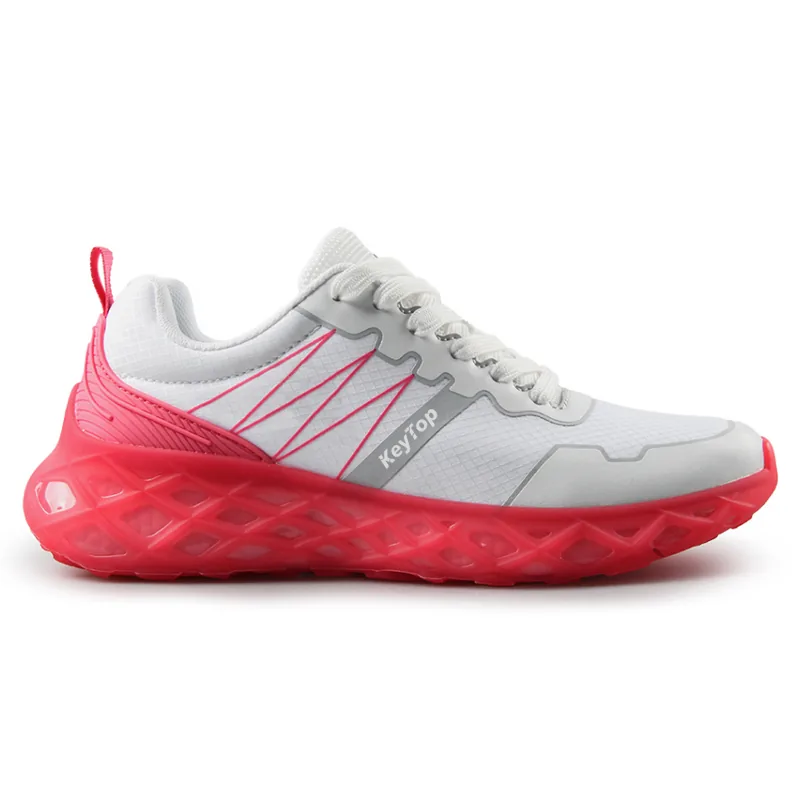
What sneaker reorder control colorways size runs packaging and reorder proof buyers keep
Build a reorder pack that can be handed to purchasing, production, QC, and logistics without verbal interpretation. If the pack is incomplete, the risk is a color, fit, packing, cost, or delivery mismatch that is discovered only after production starts.
- Step 1 — identify the order. Owner or input: style reference, purchase order, specification revision, approved sample ID, date, and accountable roles. Risk if missing: teams may use conflicting revisions. Verification: cross-check all identifiers. Follow-up: stop until one baseline is signed.
- Step 2 — confirm colorway proof. Owner or input: authorized color standard, material code, current approval result, and permitted variation. Risk if missing: the new lot may not match the marketed color. Verification: compare the current approval with the retained reference. Follow-up: approve or resubmit the affected colorway.
- Step 3 — confirm size-run proof. Owner or input: grading chart, lasts or tooling references, buyer measurement method, and selected size checks. Risk if missing: fit may drift outside the approved run. Verification: compare current measurements with the signed chart. Follow-up: request targeted size confirmation when anything changed.
- Step 4 — confirm artwork and packing. Owner or input: current artwork, placement, labels, barcode, retail pack, assortment, carton, and proof version. Risk if missing: rework, scanning failure, or logistics error. Verification: inspect the current proof against the signed packing file. Follow-up: release only the approved version.
- Step 5 — separate commercial constraints. Owner or input: product category MOQ, allocation, component constraints, packing minimum, tooling, cost changes, and current lead time. Risk if missing: the reordered quantity or budget may be infeasible. Verification: compare itemized quotes. Follow-up: reapprove cost and schedule changes.
- Step 6 — retain QC and change history. Owner or input: incoming, in-line, final, nonconformance, corrective-action, and release records. Risk if missing: prior defects can recur without warning. Verification: link records to the lot and sample revision. Follow-up: carry the closed record into the next baseline.
Use internal style and revision references when reviewing examples. Customer names, logos, and order numbers are not needed to prove the production process and should remain confidential.
Archive the completed pack with the footwear products so the current revision can be retrieved before the next reorder.
How to compare reorders with the approved golden sample
The golden sample is a physical reference, not the whole specification. Compare it with the signed documents and record the result for the current reorder.
- Confirm identity: sample ID, style, size, colorway, revision, approval date, storage condition, and any documented wear or aging.
- Compare materials and construction: upper, lining, reinforcement, insole, outsole, bonding route, stitching, trims, and workmanship against current production inputs.
- Compare color and finish: use the approved physical or documented standard and agreed viewing method; record any material-lot or finish change.
- Compare size and fit: use the signed grading chart and buyer-approved measurement method. A single golden size cannot prove the entire size run.
- Compare artwork and packing: verify file revision, placement, color, labels, barcode, retail pack, assortment, and carton details.
- Record disposition: unchanged and approved, changed and resampled, deviation accepted by authorized role, or rejected and corrected.
| Change | Likely follow-up |
|---|---|
| Only administrative PO data changed | Document review may be sufficient if product and packing evidence is unchanged |
| Material source, color lot, component, tooling, or line changed | Targeted sample, inspection, or test based on the affected risk |
| Construction, grading, artwork, or packing changed | New approval for the affected fields before production release |
If a changed input affects material booking, ask for the lead time consequence in the revised record instead of carrying the old calendar forward. File the signed comparison through OEM and ODM footwear manufacturing before authorizing the affected sample or production check.
What change controls belong in every repeat order
Use one change register to connect supplier disclosures, buyer decisions, updated documents, and the checks required for the current lot.
Supplier changes since the previous order
Ask whether material or component sources, tooling, production line, process, subcontractors, QC personnel, packing supplier, or production slot changed. Verify relevant changes through current records, a factory review where risk justifies it, or a targeted sample. Do not request confidential client references as a shortcut for evidence.
Approved substitutions and deviation limits
List which substitutions are prohibited, which require a new sample, and which may be accepted by a named buyer role within a pre-agreed boundary. Record the affected field, reason, evidence, cost and schedule effect, disposition, and date. Silence is not consent to substitute.
Updated QC, packing, and delivery records
Issue the current incoming, in-line, and final inspection plan with product and defect criteria, lot-sampling parameters where used, packing revision, delivery milestone, and release authority. Reconfirm KEYTOP’s sample and standard production timing only after the current specifications, approvals, material assumptions, packing, and production slot are resolved.
| Change-register field | Required entry |
|---|---|
| Old and new condition | Exact revision, component, process, or document affected |
| Risk assessment | Fit, appearance, performance, cost, MOQ, packing, or lead-time effect |
| Verification | Document review, sample, test, inspection, or audit evidence |
| Disposition | Approve, reject, resample, retest, or accept deviation |
| Accountability | Supplier owner, buyer approver, date, and linked records |
Keep the dated register with the blog resource record so purchasing, quality, and the supplier retrieve the same closed evidence for the next repeat order.
Source check: ISO 2859-1 sampling inspection standard.
For sneaker reorder control, use private label footwear programs to align the product baseline, sample evidence, packing record, and quote owner before order release.
In conclusion
A reliable sneaker reorder is a controlled comparison between the previous approved baseline and the current production proposal. The signed record should cover specification revision, colorways, size run, materials, artwork, packing, supplier and process changes, QC evidence, product and packing cost changes, commercial conditions, and every approved deviation.
Do not copy the old purchase order and assume the old approval still applies. Retrieve the baseline, obtain a dated change disclosure, verify the affected fields, separate product-category MOQ from component and packing constraints, and release production only when the current sample or document evidence is signed. Preserve the resulting pack as the new baseline for the next reorder.
Before requesting the RFQ, compare the controlled pack with the retail footwear sourcing. This is the matching commercial route for confirming assortment, packing, quality evidence, and cost changes; keep the order on hold when the records do not agree.
For supplier qualification, KEYTOP’s owner-confirmed ISO 9001 status is company-level quality-management evidence. Keep it separate from the reorder’s product-specific sample, inspection, and change-approval records.
Sneaker reorder control colorways size runs FAQ
What should buyers confirm before ordering Sneaker Reorder Control Colorways Size Runs Packing Records?
Confirm the previous approved baseline, all current changes, color standards, size grading, authorized artwork, packing version, allowed substitutions, QC plan, and accountable approval roles. The current reorder record should state which fields are unchanged, which were reverified, and which require a new sample.
How should buyers compare MOQ, lead time, and quote terms?
Separate KEYTOP’s 1,000-pair-per-category product baseline from style and color allocation, component constraints, and any packaging-supplier MOQ. Compare product, material, setup, tooling, packing, inspection, freight assumptions, and change charges line by line. Reconfirm the 35–45 day standard production range only after current specifications, sample approval, material assumptions, packing, and production slot are fixed.
What sample, quality, or supplier checks reduce risk?
Compare the current order with the signed golden sample and documents, review supplier and component changes, and define targeted sample or test requirements for affected risks. Keep incoming, in-line, final, defect, corrective-action, and release records for the current lot. Use de-identified process examples and protect other buyers’ names, logos, and order data.
RFQ handoff: Send Specs for Review.