









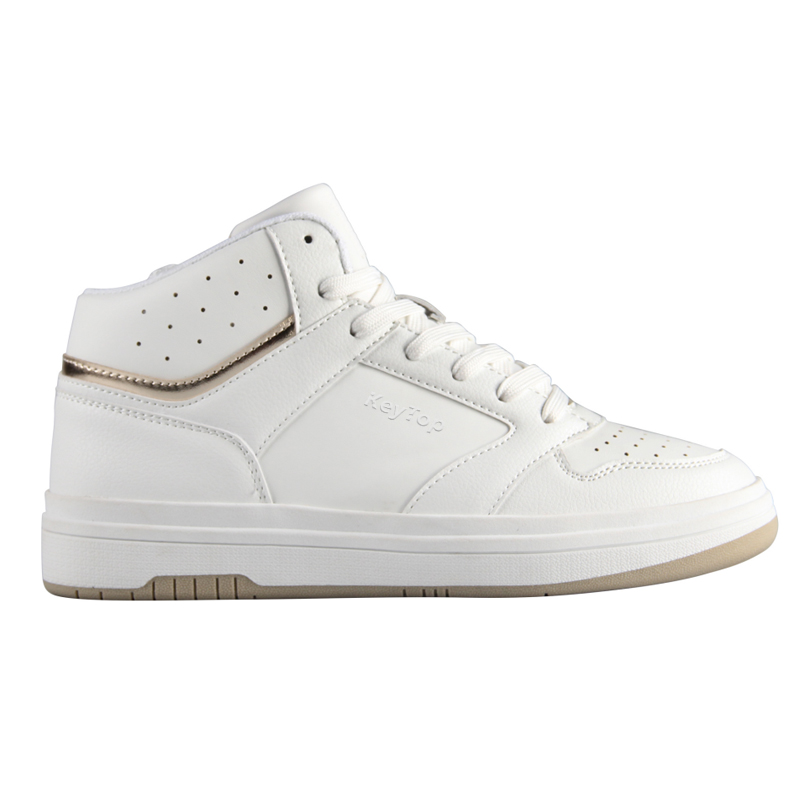
A sneaker upper materials needs a written RFQ path before price comparison, because material, structure, print, packing, and timing all change the supplier answer.
For sneaker upper materials, the useful factory reply is specific: what material, structure, artwork, packing, MOQ, and proof must be confirmed before sampling.
Use the sections below to make the quote, sample, and supplier follow-up easier to compare.
For importers and private-label footwear brands, keep sneaker upper materials quote-ready: specs to send, proof to request, sample checks to approve, and reorder notes to retain.
Introduction
| Option | Best fit | Trade-off | Risk to avoid | Verification | Follow-up |
|---|---|---|---|---|---|
| Specification package completeness | Programs with detailed tech pack, size run, material list, and packaging specs | Incomplete specs cause rework, sample delays, cost overruns | Misaligned expectations, wrong material sourcing, QC failures | Check tech pack includes upper material construction, stitching type, lining, and reinforcement | Submit complete tech pack before sample request; confirm with factory spec review |
| Upper material type and quality grade | Budget-driven programs using standard synthetic mesh or PU leather | Premium materials increase unit cost but improve perceived value | Underestimating material cost share (a material share of shoe cost) leads to margin erosion | Request material cost breakdown per pair; compare with MOQ volume pricing | Request RFQ with material options and per-unit cost at 1000 pairs |
| Material conformity to brand specification | Programs with pre-approved material library or standard stock materials | Custom materials require additional testing and approval cycles | Non-approved materials cause rejection at final inspection or compliance failure | Request supplier material data sheet and test reports; compare with brand spec | Submit material sample for approval before bulk production; document approval sign-off |
The RFQ should also cover sample and production milestone tracking: Set up weekly checkpoints with factory; request photo/video updates at key stages; Upper material inspection at incoming and in-process stages: Request QC plan including incoming material inspection and in-line checks; approve before production.
Use this opening table to put sample, MOQ, material, size, and finish checks into one supplier comparison. The buyer should turn the selected rows into written RFQ lines: final structure, material, artwork, finish, packing, sample owner, and supplier evidence. If a row cannot be confirmed before sampling, keep it out of the bulk order decision until cost, lead time, and QC impact are clarified.
What Sneaker Upper Materials Means
For sneaker upper materials, use this table to turn What Sneaker Upper Materials Means into specific RFQ lines, sample checks, approval risks, and supplier follow-up questions.
| Specification | Quality control | Verification method | Risk to avoid | Buyer action |
|---|---|---|---|---|
| Material / substrate | Inspect material type, thickness, color, and texture against approved swatch card | Compare physical swatch to specification sheet under buyer-approved viewing conditions; measure thickness with caliper | Receiving wrong material grade or color deviation after bulk production | Obtain material swatch set with Pantone references before sample approval |
| Artwork or logo file | Check logo placement, size, color accuracy, and resolution on upper | Overlay artwork file on sample photo using digital template; verify stitch density | Misaligned or blurry logos causing brand inconsistency and rework costs | Submit vector artwork in AI/EPS format with exact placement coordinates |
| Packing format | Verify packing method, box type, inner tray, and labeling per buyer spec | Inspect first packing sample for box dimensions, insert fit, and label barcode scan | Damaged goods in transit due to incorrect packing or missing retail-ready packaging | Approve packing sample and confirm MOQ per packing configuration |
The RFQ should also cover sample approval: Sign off on sample with written approval and list any corrections; MOQ and order quantity: Request RFQ with exact style, colorway, and size run quantities.
Core specifications to prepare
Compare the physical sample with the approved material, zero-drop geometry, width, size grading, and construction notes before bulk production.
Artwork, sample, and packing inputs
Add artwork, sample, and packing inputs to the RFQ with the last or fit reference, size range, materials, construction details, and sample acceptance criteria so the supplier can return comparable evidence.
Supplier information to confirm early
Move the approved sneaker upper materials sample into a production handoff that lists the final what Sneaker Upper Materials Means files, material, structure, print, finish, packing, QC checkpoints, and schedule basis.
Review solutions packaging path before sending the RFQ.
RFQ checkpoint
Ask buyers to send category, quantity, size run, material, branding, packaging, sample, QC, and timeline details for review.
Why It Matters for Buyers
- Define upper material type, weight, color, and backing construction. Determines quote accuracy and material sourcing feasibility. Specify 3D knit mesh, 200gsm, Pantone 19-4052, and a specified polyester backing. Factory may quote based on assumed material; sample may fail intent.
- Assess how upper material choice affects total cost and production risk. Upper material can represent a material share of shoe cost; wrong choice causes rework and delays. Premium leather adds cutting time and waste; synthetic mesh reduces cost but may lower durability.
- Provide factory with material sourcing details to enable reliable procurement. Factories depend on tier suppliers; early spec sharing prevents lead time creep. Share supplier contact, approved swatch, or material ID code for verification. Factory may substitute unapproved material without buyer notice.
- Document detailed specifications for the upper material including composition and finish. Incomplete specs lead to costly sample iterations and production deviations. Record material composition, GSM, thickness, color code, and coating type. Final production may not match intended performance or appearance.
Resolve MOQ per upper material and how it ties to order quantity. Material MOQ can increase total order cost and affect reorder flexibility. Custom printed mesh may require 500-yard minimum; standard mesh may be the quoted quantity. Confirm lead time for upper material sourcing and production. Material lead time directly impacts sample delivery and bulk shipment schedule.
Key parameters buyers should define
Before approving the sneaker upper materials sample, record the measured fit, component specifications, test observations, revision owner, and signed production reference.
Cost and risk implications
Put the stock or custom MOQ path, sample timing, bulk production range, tooling effect, and payment terms in the written quote.
Review products product route before sending the RFQ.
Key Considerations
- Confirm upper material category and construction type Determines cost, durability, and supplier capability for sneaker production Mesh, synthetic leather, or knit; single-layer vs.
- Supplier proof: material test reports and certifications Verifies material meets your quality and compliance requirements before quoting Request abrasion, tear strength, and colorfastness reports for each upper Non-compliant material causes production hold or buyer import rejection Ask supplier to provide third-party lab results or factory internal test data
- RFQ input: include detailed upper material specs in request Ensures suppliers quote on identical material requirements, avoiding price variation Specify GSM, thickness, color code, backing type, and any laminations Vague RFQ leads to inaccurate pricing and subsequent change orders Attach a material spec sheet or tech pack excerpt with every RFQ sent
- Specification details: material composition and construction parameters Defines how the upper is built and affects final fit, breathability, and cost Knit structure (jersey, mesh, spacer), synthetic leather thickness (0.8–the approved tolerance) Factory defaults may differ from your design intent, causing rework Confirm exact layer stack, stitch type, and any reinforcement areas
Keep these checks in the same approval record: MOQ or order quantity: confirm upper material minimum per style MOQ sets the smallest production run; affects unit cost and inventory risk Baseline MOQ is 1,000 pairs per category; negotiable by style and material Order below MOQ incurs premium charges or delays until batch consolidation Verify MOQ with supplier for each upper material and colorway before order; Lead time: sample and production schedule for upper materials Timing impacts launch date and cash flow; must align with material sourcing Sample: 7-15 days after spec approval; production: 35-45 days after sample sign-off Unplanned lead time gaps cause missed retail windows and rush freight costs Confirm current production slot availability for your chosen upper material.
Review OEM and ODM footwear manufacturing before sending the RFQ.
Common Mistakes
- Confirm that the submitted sample matches the approved upper material swatch and colorway. Ensures bulk production uses the exact material grade and finish approved. Sneaker upper mesh sample approved with 900D polyester; bulk must match.
- Verify that the tech pack includes upper material lay plan and cutting instructions. Prevents material waste and ensures consistent panel placement across sizes. Keytop requires cutting die confirmation before production starts. Cutting errors cause material shortage and delays in production.
- Check that reorder quantities maintain the same upper material spec and source. Material lot changes can cause color deviation or performance variation. Reordering 1200 pairs of same sneaker; confirm original upper yarn lot. Customers receive mismatched shoes from different production runs.
- List all upper materials with required thickness, weight, and finish in the spec sheet. Enables factory to source correct materials and avoid substitution. Knit upper specified as 280gsm single jersey with water-repellent coating. Factory sources cheaper material, compromising product quality and longevity.
The written approval record should cover that your order quantity meets Keytop’s baseline MOQ of 1,000 pairs per style. Below-MOQ orders incur higher unit cost or may be rejected. Order of 800 pairs per colorway not accepted unless combined with another style. Verify that sample lead time (7-15 days) and production lead time (35-45 days) are confirmed in the quote. Aligns your inventory planning with factory capacity and raw material availability.
Move the approved sneaker upper materials sample into a production handoff that lists the final common Mistakes files, material, structure, print, finish, packing, QC checkpoints, and schedule basis.
Review about us quality checks before sending the RFQ.
In conclusion
Selecting the appropriate sneaker upper material is a critical first step, but translating that choice into a manufacturable product requires rigorous specification verification and cost confirmation. For lifestyle footwear programs, such as casual sneakers, buyers should start by submitting a detailed tech pack with material callouts, colorway references, and size-grading requirements to a supplier like KEYTOP. The baseline MOQ for these programs is 1,000 pairs per category, and sample lead time begins after usable specs are confirmed; KEYTOP’s approved range is 7-15 days after all requirements are confirmed. During the RFQ stage, request a breakdown of material costs, construction methods, and any surcharges for custom finishes to avoid surprises in production.
Supplier risk is mitigated by upfront sample approval and quality control protocols. Once the sample is approved, standard production lead time is 35-45 days after material sourcing, packaging confirmation, and production slot scheduling. Buyers should request QC documentation—such as in-process inspection reports and final packing checklists—before full shipment. The final handoff from sourcing evaluation to production begins with a formal RFQ and sample order, ensuring all parameters are locked early. This structured approach helps importers and private-label brands avoid costly rework and delays when launching their sneaker lines.
Frequently Asked Questions
Which specs decide whether sneaker upper materials fits a bulk buying project?
Before ordering sneaker upper materials, confirm the exact specification: material type, thickness, color, texture, and backing. Baseline MOQ is 1,000 pairs per category, negotiable by style and colorway. sample lead time is 7-15 days after usable specs; production is the supplier-confirmed timeline after sample approval and material assumptions are locked. Risk includes color variation and quality inconsistency—mitigate by requesting a material sample kit and including detailed swatches in your RFQ. Separate material, setup, packing, freight, and reorder cost drivers in the RFQ.
What should I verify with the supplier before ordering sneaker upper materials at scale?
Common sneaker upper materials include leather, synthetic leather (PU/PVC), breathable mesh, canvas, and engineered knits. For lifestyle sneakers, KEYTOP works with these materials per your design brief. Confirm material composition, weight, and durability during RFQ; sample approval ensures the correct hand feel and performance before bulk production. Confirm production lead time after specifications and sample approval are fixed. Separate material, setup, packing, freight, and reorder cost drivers in the RFQ. Ask the supplier to confirm factory capability and who owns follow-up.
What sample approval proof should buyers request before producing sneaker upper materials?
Sneaker upper materials fall into categories like natural (leather, canvas) and synthetic (PU, polyester mesh, knitted fabrics). Each category affects cost, MOQ, and lead time. Verify the exact construction, backing, and coating with your supplier to match design intent. Request a material sample kit for touch and test before committing to bulk.
Which details should buyers document before requesting a quote for sneaker upper materials?
Buyers most often use leather, synthetic leather, breathable mesh, canvas, and engineered knits for sneaker uppers. The material choice directly impacts cost, MOQ, and production timeline. For lifestyle sneakers, KEYTOP can source these materials; include your preferences in the RFQ. Always test a sample for color, texture, and durability before finalizing the order. Ask the supplier to confirm factory capability and who owns follow-up.
Procurement note: Ask buyers to send category, quantity, size run, material, branding, packaging, sample, QC, and timeline details for review. Contact the team.