










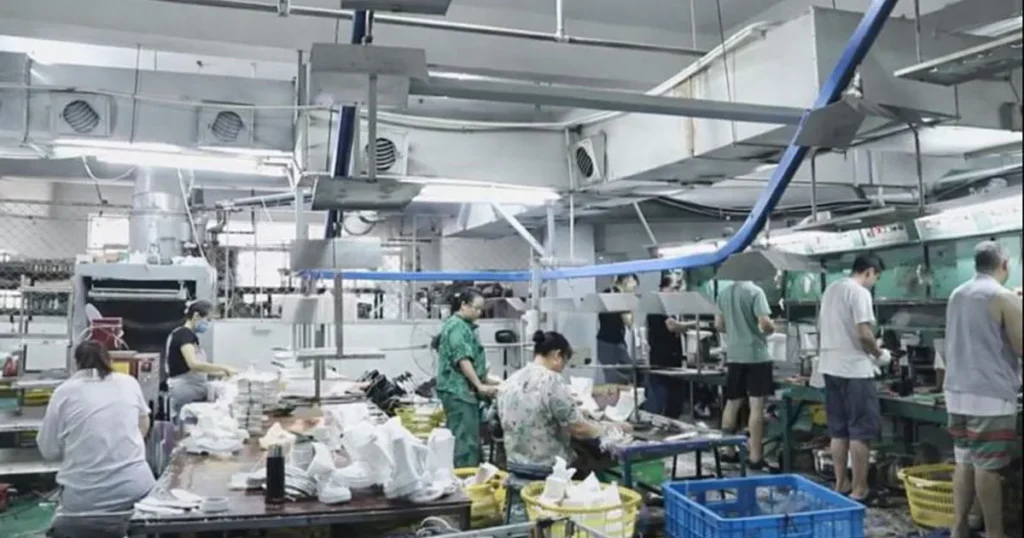
The sourcing record for ecommerce footwear: order risk control is incomplete until it supports this Verify samples, materials, print, tolerances, certifications, and bulk-production risk.
Ecommerce orders carry their risk in the reorder rather than the first run. Controls that only cover the launch leave the repeat exposed.
Direct answer: For ecommerce footwear: order risk control, buyers should verify samples, materials, print, tolerances, certifications, and bulk-production risk.
Define the Buyer Requirement
- Confirm upper material and lining composition: Prevents mismatched color, texture, or durability claims Request material data sheet and compare to physical swatch Bulk shoes differ from sample, causing returns Approve material spec before sample production
- Verify size run and grading accuracy: Ensures consistent fit across all sizes Measure sample shoes against size chart and tolerance Sizing errors lead to high return rates Document size measurements and approve grading
- Review sole adhesion and flexing test results: Confirms durability under normal wear Ask for flex test report or perform bend test on sample Sole separation causes safety complaints Request test evidence before bulk order
- Check stitching and glue line quality: Visible defects affect perceived quality Inspect sample under bright light for loose threads or gaps Poor finish leads to negative reviews Set acceptable defect rate and inspect pre-shipment
- Confirm packaging and labeling details: Ensures compliance with market and carrier rules Review packaging mockup and label artwork Wrong labels cause customs delays or fines Approve packaging proof before mass production
- Spec sheet lists materials but no construction method or tolerance. Without construction details, factory may choose shortcuts, causing sole separation or uneven sizing. Ask for a detailed spec including stitching, adhesive, and tolerance for each size. Request a sample with a written construction breakdown. Approve sample only after verifying construction matches spec.
- Supplier claims capability but cannot show similar footwear production. Lack of relevant experience leads to quality issues and delays. Ask for references or photos of past orders in your category. Request a list of past clients or product samples. Shortlist only suppliers with verifiable relevant experience.
- No clear approval gate for color or material before bulk production. Without a formal approval, bulk may run with wrong shades or materials. Set a written approval step for lab dips and material swatches. Request signed approval forms for each color and material. Hold production until all approvals are documented.
- Buyer follow-up plan lacks scheduled checkpoints during production. Issues surface late, leading to rework or missed delivery. Define checkpoints for mid-production and pre-shipment inspection. Request a production timeline with inspection milestones. Schedule and confirm inspections at each checkpoint.
Compare the Available Routes
For ecommerce footwear order, use a release rule: approve only when the supplier evidence matches the written requirement.
- Supplier can meet baseline MOQ of 1,000 pairs per category: Written MOQ confirmation by style, colorway, size run, and packaging supplier sales or production planner Hidden MOQ increases or split orders raise unit cost and delay launch Confirm MOQ in RFQ and re-verify before sample approval
- Factory has experience with outdoor footwear products: Production history or client references for similar outdoor styles Supplier account manager Inexperienced factory may miss durability or traction requirements Ask for photos or audit records of past outdoor runs
- Quality control covers inline and final inspection: Inspection checklist or QC report from last shipment Supplier QC team or third-party inspector Defects reach ecommerce customers, causing returns and chargebacks Request a pre-shipment inspection report before bulk release
- Supplier can handle order approval and production scheduling: Production timeline with sample and bulk lead times Supplier production planner Delays in approval or scheduling push back launch and cash flow Document approval gates and lead times in the purchase order
Review the Required Proof
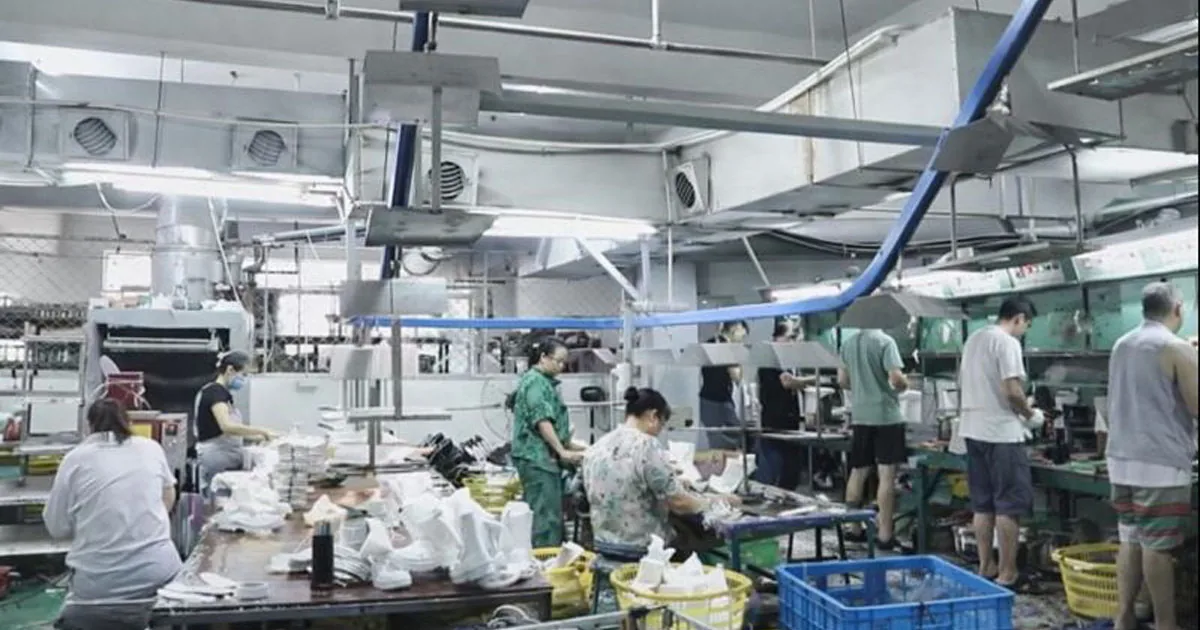
- Does the supplier have verified experience in OEM and ODM footwear manufacturing? Confirms production capability and reduces risk of sampling failures. Provides factory profile, production lines, and client references. Unvetted suppliers may lack capacity or quality control. Request factory audit report and sample order.
- What proof of quality control does the supplier provide? Verifies that production processes meet your standards. Shares inspection reports, QC checkpoints, and defect rates. Poor QC leads to returns and brand damage. Review QC documentation and schedule pre-shipment inspection.
- Can the supplier show a sample or prototype for approval? Confirms the product meets specifications before bulk production. Provides sample within agreed timeframe and matches specs. Approving without sample risks costly production errors. Evaluate sample against spec sheet and approve in writing.
- Does the supplier have a documented approval process for material and color? Ensures consistency and avoids last-minute changes. Provides material data sheets and color standards. Unapproved materials may fail durability or safety checks. Request material certifications and color swatches.
Build the Decision Asset
When an blog fails, the root cause is often a missing decision asset: a documented, evidence-backed record of what was approved and why. Without it, every reorder becomes a gamble. The control that prevents this is a structured checklist that forces supplier proof, sample approval, and reorder control into a single reference file.
Supplier evidence to request
Before you commit, verify that the supplier can actually execute your spec. Ask for proof of past production in your category—not generic claims. For outdoor footwear, this means confirming experience with waterproof membranes, lug outsoles, and abrasion-resistant uppers. Request factory audit reports, production process documentation, and references from comparable orders. If the supplier hesitates, treat it as a red flag.
Sample approval evidence
Samples are your only tangible proof of capability. Define a sample approval protocol: check material composition, color accuracy, stitching density, and dimensional tolerances against your written spec. Use a pass/fail matrix and photograph every detail. Do not rely on verbal confirmation—document the approval with a signed sample report. This becomes the baseline for production and future reorders.
Reorder control records
When you reorder, the decision asset prevents drift. Compare the new quote against the original: material costs, minimum order, and production timelines. Confirm that the supplier still uses the same approved materials and processes. If anything changes, require a new sample approval before you place the order. This check turns reordering from a leap of faith into a controlled process.
Build this asset before you need it. It is the difference between a supplier relationship that scales and one that unravels with every order.
Prepare Comparable RFQ Inputs
Before sending an RFQ for ecommerce footwear, verify that your specification sheet includes measurable evidence: a confirmed upper material and lining composition, a sole hardness value, and a stitch density per inch. Without these numbers, supplier quotes are not comparable, and the lowest price may hide a different build.
Use this practical checklist to standardize quote request inputs across suppliers:
- Specs: List material layers with weight (e.g., the approved tolerance PU upper, the buyer-confirmed limit rubber outsole), color codes, and hardware finish.
- Production risk: Ask for the supplier’s defect rate on the last three comparable orders and their rework policy.
- Factory execution: Require a production timeline with checkpoints for material approval, stitching, and final inspection.
- quote request/sample handoff: Define the sample approval process, including who signs off on fit and material, and what evidence (photos, measurements) must accompany the sample.
For example, a typical quote request table might look like this:
| Input | Required Evidence |
|---|---|
| Upper material | Composition % and thickness |
| Lining | Fiber type and weight |
| Sole hardness | Shore A value |
| Stitch density | Stitches per inch |
After collecting these inputs, compare quotes on the same basis. If a supplier cannot provide the requested evidence, flag it before sampling. The KEYTOP editorial team writes B2B footwear sourcing guides from approved company facts, and this checklist aligns with standard quote request practices described in industry guides like ‘quote request Process: What Happens After a BOM Hits Your Inbox’.
Source check: ISO 9001 quality management standard; Low minimum order Footwear Suppliers for B2B Buyers: Sourcing Guide & Sup…; Ecommerce Supplier Selection Guide: minimum order, Samples, Quotes, and Q….
For ecommerce footwear order, use private label footwear programs to align the product baseline, sample evidence, packing record, and quote owner before order release.
In conclusion
The final approval for an ecommerce footwear order rests on a disciplined checklist: confirm the specification is measurable, compare quotes on the same minimum order and cost basis, verify lead time and sample proof, and document every decision before the quote request goes out. By locking these parameters early, you reduce supplier risk and avoid the costly surprises that surface only after production begins.
Shortlist only those factories that can demonstrate capability through production samples and a clear QC plan, including pre-shipment inspection. When the specification, cost, minimum order, lead time, and quality checks are all verified and documented, you can approve the order with confidence and hand off to production knowing the risk has been controlled.
Frequently Asked Questions
How should a b2b buyer check quality risk?
Quality risk starts with a specification that is measurable. Confirm the exact upper material, lining, outsole, size run, colorway, and packaging before you compare quotes. Ask the supplier to document the production process and any subcontracted steps, then verify the sample against your written spec rather than a photo.
For cost and minimum order impact, note that baseline minimum order is 1,000 pairs per category, but confirm by style and colorway in the quote request. Lead time for samples is 7–15 days after specs are confirmed, and production is 35–45 days after sample approval. Use the sample approval to lock the quality baseline, and document any deviations before bulk production.
Which supplier proof should buyers request for ecommerce footwear brands?
Request proof of factory capability, not just a quote. Ask for a production process map, material sourcing details, and evidence of similar lifestyle or outdoor footwear programs. For ecommerce, confirm the supplier can handle your size run and packaging requirements, and verify that the sample matches your approved spec before you commit.
Supplier risk is reduced when you compare quotes on the same basis. Confirm minimum order, lead time, and payment terms in writing, and request a pre-production sample for QC verification. If the supplier cannot provide clear proof of process control, shortlist another factory before sending the quote request.
What should buyers lock before approving order risk control checklist?
Lock the specification, cost, minimum order, and lead time in the quote request before approving the checklist. Confirm the baseline minimum order of 1,000 pairs per category, and verify that sample lead time of 7–15 days and production lead time of 35–45 days are acceptable. Document the sample approval criteria, including material, color, size, and packaging checks.
Also lock the QC verification steps, such as a pre-shipment inspection and any test requirements, and confirm the supplier’s process for handling defects. Compare the final quote against the approved sample and specification to prevent drift, and document any changes before bulk production.
quote request handoff: Send Specs for Review.