










The sourcing record for ecommerce footwear: shortlist scorecard is incomplete until it supports this Shortlist Ecommerce Footwear: Supplier Shortlist Scorecard suppliers using proof, capability, quality, MOQ, and delivery criteria.
Shortlisting for ecommerce means scoring fit consistency and drop-test evidence, because those two are what generate the returns.
Direct answer: For ecommerce footwear: shortlist scorecard, buyers should shortlist Ecommerce Footwear: Supplier Shortlist Scorecard suppliers using proof, capability, quality, MOQ, and delivery criteria.
Define the Ecommerce Assortment and Returns Risk
Use Define the Ecommerce Assortment and Returns Risk as one RFQ checkpoint. Each row should identify the requirement, approval evidence, and buyer action before production.
| Requirement | Factory control | Evidence to verify | Order risk | RFQ follow-up |
|---|---|---|---|---|
| Sample approval | Supplier submits pre-production sample with material, color, and construction. | Inspect sample against spec sheet; measure dimensions and check workmanship. | Unapproved samples lead to off-spec bulk and costly returns. | Request sample and approve before production. |
| Material / substrate | Verify material type, weight, and composition match specification. | Check material certificates and lab test reports. | Substituted materials cause durability and comfort issues. | Ask for material data sheet and confirm in RFQ. |
| Width or size tolerance | Measure size run against approved last and grading rules. | Use calipers and size-fit trials on sample units. | Inconsistent sizing increases returns and fit complaints. | Request size set sample and verify tolerances. |
| Finish or color control | Check color consistency across panels and production batches. | Use light booth and colorimeter against approved standard. | Color mismatch leads to customer dissatisfaction and returns. | Approve color standard and request batch samples. |
| Packing format | Confirm packing materials, box size, and labeling per spec. | Inspect pre-production carton and inner pack. | Improper packing causes damage and higher shipping costs. | Request packing sample and confirm in RFQ. |
Keep the supplier response, marked sample, and approval owner under the same revision number. If any proof conflicts with the approved record, hold the quote, sample, or production release until the supplier explains the deviation in writing. Before closing the checkpoint, reconcile the latest drawing, sample, quotation, and approval comments, identify which record controls if they disagree, and document the resolution. Carry the signed Define the Ecommerce Assortment and Returns Risk table into the purchase order and production handoff so the same checks support quote comparison, sample approval, shipment release, and later reorders.
Compare the Available Routes
| Option | Best fit | Trade-off | Risk to avoid | Verification | Follow-up |
|---|---|---|---|---|---|
| Current specification | Matches your existing product line and approved samples. | No new design work; may miss newer material options. | Sticking with old specs can lock in outdated materials. | Confirm the spec sheet matches the last approved sample. | Check lead time for reorder against your launch date. |
| Alternative specification | Adjusts materials or construction to hit a target price. | May require new sampling and testing cycles. | Unproven materials can fail in the field. | Ask for material data sheets and a wear-test sample. | Verify lead time for the revised spec before committing. |
| Custom option | Builds a unique design for your brand identity. | Longer development time and higher sample costs. | Custom tooling or patterns may delay production. | Review a 3D render or prototype before tooling. | Document the custom spec and confirm lead time with the factory. |
| Safer fallback | Uses proven materials and construction to reduce risk. | Less differentiation in the market. | May not stand out against competitors. | Check that the fallback spec meets your minimum quality bar. | Compare lead time for the fallback against your launch window. |
Evaluate Compare the Available Routes as one decision scope. Use this decision matrix as an approval sequence, not as a supplier claim. For current specification, a poor decision can mean sticking with old specs can lock in outdated materials. Ask the supplier to confirm the spec sheet matches the last approved sample.
For ecommerce outdoor footwear products shortlist, preserve the current specification decision under one revision number: keep the supplier response, marked sample, approved specification, quotation, and approval owner together. If the evidence conflicts with the approved record, hold the quote, sample, or production release until the deviation is explained in writing. Once the buyer and designated technical authority have accepted the evidence, carry the signed Compare the Available Routes record into the purchase order, production handoff, shipment release, and later reorder review so every team works from the same baseline.
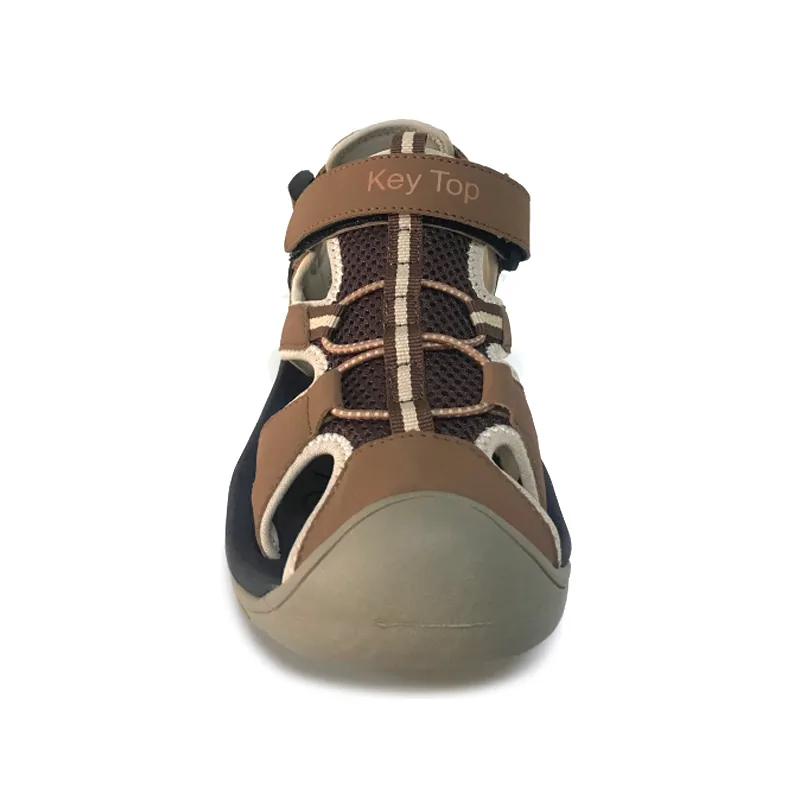
Verify Fit Consistency, Packaging, and Drop-Test Evidence
- Supplier capability: Verify factory experience with OEM and ODM footwear manufacturing. Portfolio shows similar category and material expertise. No proof of relevant production or sample room. Request factory profile and past order references.
- MOQ or order quantity: Confirm minimum order per style, colorway, and size run. minimum order aligns with your order volume and timeline. minimum order too high for test orders or reorders. Clarify minimum order and negotiate for pilot quantities.
- Quality control: Check QC process from material intake to final inspection. Documented inline and final QC checkpoints. No QC plan or only final inspection. Ask for QC checklist and inspection reports.
- Verification method: Require samples and third-party test reports. Samples match specs and test results are current. Samples delayed or test reports missing. Set sample approval gate before bulk order.
- The risk is that Assess risk of production delays or spec deviations. Clear approval process and responsive communication. Vague timelines or history of late approvals. Define approval milestones and penalties.
Project-specific decision lens: Request proof that protects the online listing and the delivered pair. Verify measured insole length and key fit points across the size run, left-right symmetry, color consistency under the agreed light source, outsole attachment, logo placement, care and country-of-origin labels, barcode readability, tissue and stuffing method, shoebox dimensions, and master-carton protection. Approve a photography sample that matches production specifications. For fragile finishes or premium boxes, define a parcel-handling or drop-test check. A product-page claim should be traceable to the same material and construction used in bulk production.
Build the Decision Asset
Hold the KEYTOP shortlist review when evidence for Supplier cannot show a live production line for your footwear category is unresolved; record the discrepancy, supplier owner, and release condition before approval.
- Supplier cannot show a live production line for your footwear category: A trading agent can quote low but lacks the factory capacity to hold your order quality and timeline. Ask for a video walkthrough of the actual line that will run your order, not a generic showroom clip. Factory license, line photos with your product type, and a live call from the production floor. Shortlist only suppliers who pass the live line check before sample approval.
- Quality control plan is vague or only final inspection: Without in-process checks, defects hide until bulk is packed, causing returns and chargebacks. Require a written QC plan with checkpoints during cutting, stitching, and finishing. QC checklist template and records from a recent order showing defect rates. Approve the QC plan before you sign off on samples.
- Sample approval owner is not named or changes between rounds: Without one owner, fit and material decisions drift, and the bulk run may not match the approved sample. Document the approval owner and require the same person to sign off on every sample revision. Signed sample approval sheet with dates and the owner's name. Hold the first bulk shipment until the named owner confirms the final sample.
- Supplier cannot show how they verify materials and components: Unverified soles, linings, or laces can fail early, hurting your brand and increasing returns. Ask how they check incoming materials and whether they test critical components before production. Material test reports or supplier certificates for the main components. Add a material verification step to your RFQ and sample approval process.
Supplier evidence to request
Before you compare quotes, verify the supplier can actually make your footwear. Ask for a live video walkthrough of the production line and a list of machines they use for your category. A trader or reseller may show samples from another factory, which leads to inconsistent quality and delays. Request factory registration and a date-stamped line tour to confirm their capability.
Sample approval evidence
Samples are your first proof of quality, but they only matter if the supplier follows the same process for bulk. Require a documented QC plan with checkpoints for material, stitching, sole bonding, and final inspection. Ask for photos from each checkpoint on a recent order. Approve the QC plan before you sign off on the sample, so bulk production matches what you approved.
Reorder control records
A supplier who cannot confirm reorder terms in writing puts your inventory at risk. Before the first order, ask for a signed reorder policy covering minimum order, lead time, and price validity. Without this, a second order could face different minimums or longer lead times, disrupting your stock. Confirm these terms early and keep the signed document with your purchase records.
Issue an Ecommerce-Ready Supplier RFQ
- Can you produce our footwear style in the required material and size run? Confirms the supplier's manufacturing capability matches your product spec before you invest in samples. Supplier lists the exact materials and size range they can handle, with no hedging. A mismatch here leads to sample failures and wasted time. Send your spec sheet and ask for a written capability confirmation.
- What is your sample development process and timeline? Verifies the supplier can turn your spec into a physical sample within your launch window. Clear sample steps, a 7–15 day timeline, and a named sample-room contact. Delays in sampling push back your entire production schedule. Request a sample development calendar and confirm the sample approval gate.
- What quality checks do you perform before shipping? Confirms the supplier has a QC process that catches defects before your customers see them. Specific inspection points (e.g., stitching, sole adhesion, packaging) and a final QC report. Without QC, you risk returns and damage to your brand reputation. Request a sample QC checklist and agree on pass/fail criteria.
Project-specific decision lens: The ecommerce quote request should connect purchase data to receiving data. Provide order quantity by SKU, size and color curve, replenishment expectation, last and construction files, material codes, packaging dimensions, label and barcode data, insert requirements, photography sample deadline, inspection plan, target ship date, and destination warehouse rules. Ask suppliers to quote packaging and testing separately and to disclose minimums at color, material, and outsole level. Compare carton volume, sample lead time, defect handling, replacement policy, and repeat-order component continuity alongside unit price, because these variables directly affect returns and receiving cost.
Source check: ISO 2859-1 sampling inspection standard; Low minimum order Footwear Suppliers for B2B Buyers: Sourcing Guide & Sup…; The B2B Buying Process: How It's Changed and Steps ..
For ecommerce footwear shortlist, use private label footwear programs to align the product baseline, sample evidence, packing record, and quote owner before order release.
In conclusion
The final approval of your ecommerce footwear supplier shortlist comes down to a disciplined check of the factors that actually affect your sell-through and margins. Before you commit, verify that each candidate can meet your exact specification—from materials and construction to sizing and packaging—and confirm that their minimum order and lead time align with your inventory plan. Quality risk is best managed by requesting samples and, where possible, a factory audit, so you can compare tangible proof rather than promises. Document your findings in a scorecard that weights these criteria according to your business model, then shortlist the supplier who scores highest on the combination of capability, cost, and reliability. With that shortlist in hand, you are ready to request a quote and move toward sample approval with confidence.
To request a quote for ecommerce footwear shortlist, use ecommerce footwear sourcing to confirm the final specification, quote assumptions, sample approval, QC evidence, approval risk, and supplier follow-up before bulk order.
Frequently Asked Questions
How should a b2b buyer compare supplier options?
Compare suppliers by scoring each against your exact footwear specification, including materials, size run, and packaging. Confirm the minimum order per category and lead time in the quote request, and verify the supplier can meet your cost targets without compromising quality. Shortlist only those who provide clear documentation of their production process and quality control.
Which supplier proof should buyers request for ecommerce footwear brands?
Request proof of capability through sample approvals and factory audits. For ecommerce footwear, verify that the sample matches your specification in materials, construction, and fit. Check the supplier’s quality control procedures and ask for references from similar brands. Confirm the sample lead time and ensure the supplier can scale to your order volume.
What should buyers lock before approving supplier shortlist scorecard?
Before approving the scorecard, lock down the final specification, minimum order per style, and production lead time in writing. Confirm the sample approval process and QC checkpoints. Verify the supplier’s reorder terms and capacity to avoid future delays. Document all agreements in the quote request and sample approval to ensure both parties are aligned.
quote request handoff: Send Specs for Review.