
The sourcing record for a footwear supplier shortlist is incomplete until it lets the buyer shortlist suppliers using proof, capability, quality, MOQ, and delivery criteria.
Suppliers are scored on last, upper, outsole, and QC evidence separately, because a factory strong in one is often weak in another.
Direct answer: For a footwear supplier shortlist, buyers should shortlist suppliers using proof, capability, quality, MOQ, and delivery criteria.
Define the Footwear Program and Construction Scope
Use the footwear program and construction scope as one RFQ checkpoint. Each row should identify the requirement, approval evidence, and buyer action before production.
| Requirement | Factory control | Evidence to verify | Order risk | RFQ follow-up |
|---|---|---|---|---|
| Sample approval | Pre-production sample sign-off before bulk | Request sealed sample; compare to spec | Mass production deviates from approved sample | Approve sample in writing; keep reference |
| Material / substrate | Material test report and in-house inspection | Verify material certificates and physical test | Substandard material affects durability and comfort | Ask for material data sheet and test report |
| Width or size tolerance | Last and size grading check with fit test | Measure samples against size spec; fit trial | Inconsistent sizing leads to returns and complaints | Request size run sample and fit report |
| Finish or color control | Color standard and finish sample approval | Compare to approved color chip under light | Color mismatch or finish defects hurt brand image | Approve color standard; request lab dip |
| Packing format | Packing specification and carton drop test | Inspect packing sample and carton strength test | Poor packing causes damage and higher freight cost | Confirm packing details in RFQ; request sample |
Keep the supplier response, marked sample, and approval owner under the same revision number. If any proof conflicts with the approved record, hold the quote, sample, or production release until the supplier explains the deviation in writing. Before closing the checkpoint, reconcile the latest drawing, sample, quotation, and approval comments, identify which record controls if they disagree, and document the resolution. Carry the signed program and construction scope table into the purchase order and production handoff so the same checks support quote comparison, sample approval, shipment release, and later reorders.
Compare the Available Routes
| Option | Best fit | Trade-off | Risk to avoid | Verification | Follow-up |
|---|---|---|---|---|---|
| Current specification | Matches your existing retail line and reorder history. | An unchanged specification still needs a current quotation and material/production-slot check. | Stale spec may miss material or construction updates. | Compare current spec against latest material options. | Document spec and request updated quote. |
| Alternative specification | Fits when you want cost savings or new material performance. | May require new samples and extended lead time. | New materials could alter fit or durability. | Request lab test or wear trial before approval. | Send alternative spec for sample and quote. |
| Custom option | Fits when you need unique design or branding for outdoor footwear products. | Higher development cost and longer timeline. | Custom tooling may not be reusable for other orders. | Confirm mold and material costs before commitment. | Review custom spec with factory and get detailed quote. |
| Safer fallback | Fits when you need a proven, low-risk option for quick orders. | May lack differentiation or premium features. | Fallback may not meet all performance expectations. | Check stock availability and past quality records. | Request fallback spec and confirm lead time. |
For current specification, a poor decision can mean stale spec may miss material or construction updates. Ask the supplier to compare current spec against latest material options.
For the supplier shortlist, preserve the current specification decision under one revision number: keep the supplier response, marked sample, approved specification, quotation, and approval owner together. If the evidence conflicts with the approved record, hold the quote, sample, or production release until the deviation is explained in writing. Once the buyer and designated technical authority have accepted the evidence, carry the signed route comparison record into the purchase order, production handoff, shipment release, and later reorder review so every team works from the same baseline.
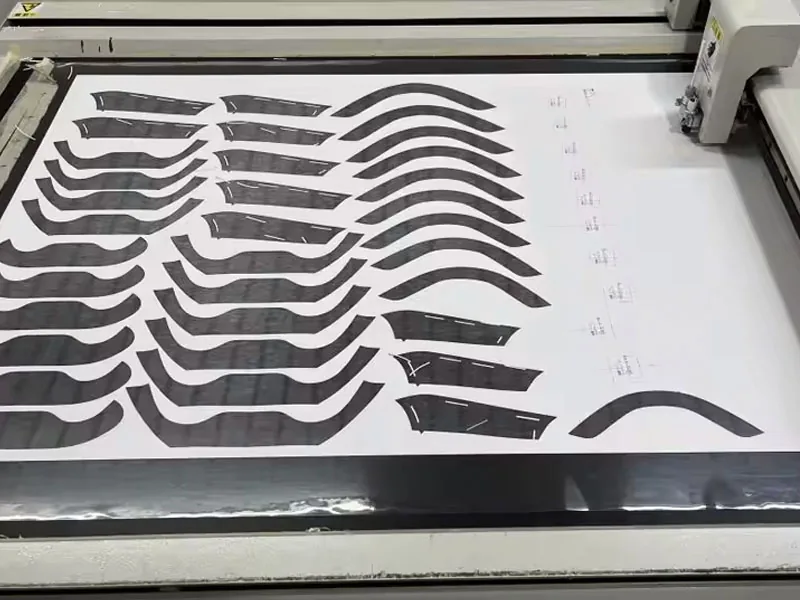
Verify Last, Upper, Outsole, and QC Evidence
- Supplier capability: Verify OEM and ODM footwear manufacturing experience and category fit. Factory shows proven runs in your product type. Vague portfolio or no category-specific samples. Request factory profile and category references.
- MOQ or order quantity: Confirm minimum order per style, colorway, and size run. minimum order aligns with your forecast and reorder plan. minimum order changes after sample approval or hidden costs. Get written minimum order breakdown before sampling.
- Quality control: Check QC process from material intake to final packing. Clear inspection points and defect thresholds. No documented QC or only final random check. Ask for QC checklist and inspection report sample.
- Verification method: Confirm how specs, samples, and approvals are documented. Digital sample approval and spec sheet sign-off. Verbal approvals or missing records. Require written approval for every spec change.
- Approval risk: identify what delays sample or bulk approval. Factory flags material or tooling risks early. Unclear approval owner or slow sample iterations. Set approval timeline and owner before sampling.
Evidence should follow the shoe from development to packed pair. Ask for a bill of materials, approved material swatches, last and pattern records, outsole drawing or mold reference, pre-production sample, inline inspection points, final measurement report, labeling check, and carton specification. Where a performance claim matters, define the test method and acceptance evidence before quoting. Review how the factory controls shade variation, bonding preparation, stitch density, lasting symmetry, outsole alignment, size marking, metal detection when applicable, and mixed-size carton accuracy. Treat photographs as supporting evidence, not a substitute for traceable records.
Build the Decision Asset
Hold unresolved capability claims for a scoped sample, record or visit. Complete this scorecard with returned evidence and buyer-assigned priorities; do not average an unresolved critical item into a favorable total.
| Criterion | Weight or gate | Evidence ID and scope | Buyer decision |
|---|---|---|---|
| Construction and fit | Buyer defines | Sample, last and size-set references | Accept, clarify or resample |
| Order readiness | Buyer defines | Material readiness and dated line allocation | Record dependencies before award |
| Quote inclusions and change ownership | Buyer defines | Same RFQ revision and signed exceptions | Close exclusions or retain a hold condition |
Keep the requirement revision and evidence filenames beside the final shortlist decision.
- Supplier claims capability without a sample or factory audit: Unverified claims hide production gaps that surface after order confirmation. Request a pre-production sample and schedule a virtual factory walkthrough. Factory profile, production line photos, and a sample from current stock. Shortlist only suppliers who provide a sample within the agreed sample lead time.
- Quality control process is undocumented or reactive: Without a documented QC plan, defects reach your shelves and returns spike. Ask for their in-line and final inspection checklist and defect rate history. QC checklist, inspection reports from recent orders, and a defect rate target. Approve only suppliers who share a written QC process before sampling.
- No clear approval gate for sample sign-off: Ambiguous approval leads to bulk production on unapproved specs and costly rework. Define a written approval gate: sign-off on sample, then confirm bulk run. Sample approval form with sign-off fields and a dated approval record. Document the approval gate in the RFQ and require a signed sample approval.
- Verification method relies on supplier self-reporting: Self-reported data can hide capacity or quality issues until it's too late. Insist on third-party inspection or a buyer-requested audit before bulk. Third-party inspection report or audit certificate from an accredited body. Include a third-party inspection clause in the purchase order.
Supplier evidence to request
Before you shortlist, verify that each supplier can actually produce your footwear category. Ask for a factory profile, production line photos, and a sample from current stock. A supplier who hesitates to share these may lack the capacity or experience you need. This proof check prevents wasted time on unqualified vendors and keeps your shortlist realistic.
Sample approval evidence
Sample approval is your control point before bulk production. Define a written approval gate: sign-off on the sample, then confirm the bulk run. Without this, you risk bulk production on unapproved specs. Require a dated sample approval form and keep it on file. This check ensures everyone agrees on the final product before you commit to a large order.
Reorder control records
For reorders, verify that the supplier can maintain the same quality and lead time. Ask for updated production schedules and confirm material availability. A reorder without this check can drift from the original spec. Use a reorder checklist that includes sample re-approval if specs changed. This control keeps your repeat orders consistent and avoids surprises.
Issue a Factory-Comparable Footwear RFQ
- Can you provide a factory capability statement covering your production lines for sports, hiking, and lifestyle footwear? Confirms the supplier can handle your product mix and not just one category. A written capability statement with line details and category examples. A supplier may claim broad capability but lack dedicated lines for your styles. Request the capability statement and cross-check against your product list.
- What verification method do you use to confirm material and construction quality before bulk production? Ensures the supplier has a systematic check, not just final inspection. A clear process mentioning pre-production samples, in-line checks, and final QC. Without a defined method, defects may surface only after shipment. Ask for a copy of their QC checklist and sample approval procedure.
- How do you manage approval risk for samples, especially for color, material, and fit? Sample approval is your control point before bulk production. A defined approval process with sign-off steps and revision handling. Unclear approval steps can lead to bulk production on unapproved specs. Document the approval workflow and require written sign-off for each sample.
- What follow-up do you provide after sample approval to keep production on schedule? Ensures the supplier maintains communication and addresses issues proactively. A production schedule with milestones and regular progress updates. Lack of follow-up can cause delays or quality drift without your knowledge. Agree on a communication cadence and key milestones to track.
Send the same footwear quote request pack to every shortlisted factory. It should contain annotated design views, construction notes, last and size data, material specifications, outsole files, color references, logo placement, packaging and label requirements, sample quantity, expected test evidence, inspection checkpoints, order quantity by size and color, destination, and required ship window. Require suppliers to list exclusions and buyer-supplied items separately. Compare the response for missing assumptions: an attractive quote is not comparable if one factory included outsole tooling, testing, branded packaging, and size-set samples while another priced only the basic pair.
Source check: ISO 2859-1 sampling inspection standard.
For the supplier shortlist, use private label footwear programs to align the product baseline, sample evidence, packing record, and quote owner before order release.
In conclusion
The final approval of your footwear supplier shortlist comes down to documented evidence, not first impressions. Check each candidate against your written specification, verify cost and minimum order alignment with your order plan, and confirm lead times that match your launch schedule. Quality risk drops when you require proof of production capability—sample approvals, factory audits, or reference orders—before you commit. Document every comparison on your scorecard so the decision is transparent and repeatable.
Once you have shortlisted suppliers that pass these checks, move to the quote request and sample stage. Validate the spec in writing, approve a sample that meets your quality bar, and lock the commercial terms before bulk production. This structured handoff turns your shortlist into a reliable sourcing plan.
To request a quote, use solutions to confirm the final specification, quote assumptions, sample approval, QC evidence, approval risk, and supplier follow-up before bulk order.
Frequently Asked Questions
How should a b2b buyer compare supplier options?
Compare suppliers by scoring them against your written specification, not by price alone. For each candidate, check that they can meet your size run, material, and packaging requirements, and confirm the minimum order per style and colorway—at KEYTOP it is 1,000 pairs per style, per color and per size for casual sneakers, casual shoes, boots and outdoor footwear, and 1,500 pairs for sandals, slippers and slides, with no mixing of styles, colors or sizes. Also assess lead time (sample 7–15 days after sample requirements and usable specifications are confirmed; production 35–45 days after specifications, sample approval, material assumptions, packaging and production slot are confirmed) and request a sample to verify quality before shortlisting.
Which supplier proof should buyers request for footwear sourcing solutions?
Request proof of production capability, not just marketing claims. Ask for a sample that matches your spec, and verify that the supplier can handle your order volume within the stated lead time. Check their QC process and ask for references or photos of similar footwear they’ve made. Confirm the minimum order and cost per pair in writing, and ensure they can maintain quality on reorders.
What should buyers lock before approving supplier shortlist scorecard?
Lock the specification, cost, and minimum order in the quote request before approving any scorecard. Define your size run, materials, packaging, and quality standards, and confirm the lead time for samples and bulk production. Also document the sample approval process and QC checks, so you have a clear gate before mass production. Verify the supplier’s risk profile by checking their capacity and past performance.
quote request handoff: Send Specs for Review.