










The sourcing record for footwear retailers: custom program planning is incomplete until it supports this Plan custom artwork, dielines, samples, finishes, and production handoff.
Retail programs run on the launch calendar, and the size-set sample is the gate that most often misses it.
Direct answer: For footwear retailers: custom program planning, buyers should plan custom artwork, dielines, samples, finishes, and production handoff.
Lock the Retail Assortment, Size Run, and Launch Calendar
Use Lock the Retail Assortment, Size Run, and Launch Calendar as one RFQ checkpoint. Each row should identify the requirement, approval evidence, and buyer action before production.
| Requirement | Factory control | Evidence to verify | Order risk | RFQ follow-up |
|---|---|---|---|---|
| Width or size tolerance | Factory uses calibrated lasts and in-line measurement checks. | Measure sample against spec; request size-run fit test. | Returns and poor fit if tolerance drifts. | Ask for size-run sample and measurement report. |
| Finish or surface effect | Factory holds finish standard and visual inspection at each stage. | Compare sample to approved finish chip under standard light. | Inconsistent appearance across production batches. | Request finish sample and approve before bulk. |
| Artwork or logo file | Factory verifies file format, color codes, and placement. | Check proof against original vector file and Pantone values. | Misprinted logos or color mismatch. | Send final print-ready file and request proof. |
| Sample approval | Factory holds production until signed sample approval. | Inspect pre-production sample for all specs and fit. | Bulk production deviates from approved sample. | Approve sample in writing and confirm production date. |
Read the rows as one approval sequence for this order. Start with width or size tolerance; use the risk and buyer-action columns to decide whether its evidence is sufficient. Verify it with the inspection method and approval evidence recorded in the table.
Keep the supplier response, marked sample, and approval owner under the same revision number. If any proof conflicts with the approved record, hold the quote, sample, or production release until the supplier explains the deviation in writing. Before closing the checkpoint, reconcile the latest drawing, sample, quotation, and approval comments, identify which record controls if they disagree, and document the resolution. Carry the signed Lock the Retail Assortment, Size Run, and Launch Calendar table into the purchase order and production handoff so the same checks support quote comparison, sample approval, shipment release, and later reorders.
Compare the Available Routes
| Option | Best fit | Trade-off | Risk to avoid | Verification | Follow-up |
|---|---|---|---|---|---|
| Current specification | Use when your existing outdoor footwear products meet sales targets and you need a repeatable production baseline. | Locks in current materials and construction; limits cost-down or feature upgrades without a formal change order. | Spec creep during sampling can raise costs or delay approval if changes aren't documented. | Confirm the spec sheet matches the last approved bulk sample, including size run and colorways. | Document the current spec as the control; require written change requests for any deviation. |
| Alternative specification | Use when you want to test a lower-cost material or a new colorway without committing to a full custom design. | May require a new sample round and could shift lead time by 7–15 days. | Alternative materials might not meet your durability or compliance expectations if not verified. | Request a sample of the alternative spec and compare it against your current spec's performance criteria. | Shortlist two alternative specs and request samples for side-by-side evaluation. |
| Custom option | Use when you need a unique design, branding, or feature set that differentiates your line from competitors. | Requires a longer development cycle and higher MOQ (1,000 pairs per category) to justify tooling and setup. | Custom specs carry higher upfront risk if the design isn't validated with a prototype before bulk. | Confirm the factory can produce the custom spec within your required timeline and MOQ. | Submit a detailed custom spec sheet and request a development sample for approval. |
| Safer fallback | Use when you need a proven, low-risk option to meet a tight deadline or when testing a new market. | May sacrifice some differentiation or margin potential for reliability and faster turnaround. | A fallback spec might not fully match your brand's quality or performance expectations. | Verify the fallback spec is a current production style with a track record of consistent quality. | Request a production sample of the fallback spec and confirm lead time before committing. |
Evaluate Compare the Available Routes as one decision scope. Use this decision matrix as an approval sequence, not as a supplier claim. For current specification, a poor decision can mean spec creep during sampling can raise costs or delay approval if changes aren't documented. Ask the supplier to confirm the spec sheet matches the last approved bulk sample, including size run and colorways.
For footwear retailers custom, preserve the current specification decision under one revision number: keep the supplier response, marked sample, approved specification, quotation, and approval owner together. If the evidence conflicts with the approved record, hold the quote, sample, or production release until the deviation is explained in writing. Once the buyer and designated technical authority have accepted the evidence, carry the signed Compare the Available Routes record into the purchase order, production handoff, shipment release, and later reorder review so every team works from the same baseline.
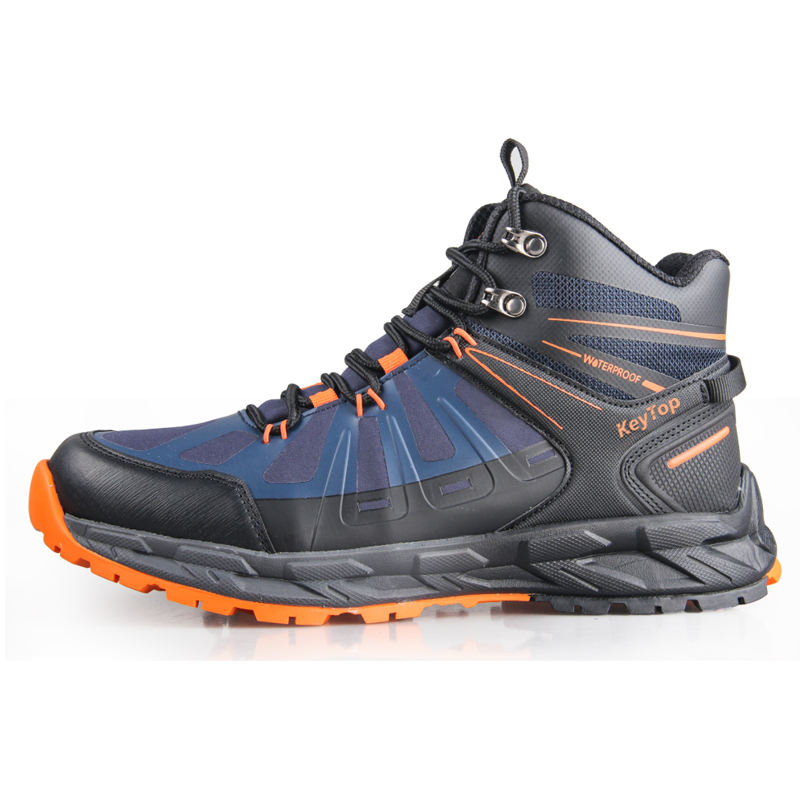
Approve Materials, Colorways, and the Size-Set Sample
Before you commit to a custom footwear program, the proof you need is a physical sample, a measurement record, or a test report—not a promise. Start by reviewing the evidence that makes your decision verifiable: the actual sample against your spec sheet, the material swatches, and the last measurements.
Use this practical checklist to structure your review:
- Specs: Confirm the sample matches your size grading, material stack, and construction details. Measure the heel height, toe spring, and stitch density.
- Cost or MOQ: Verify the quoted price per pair against the sample’s material and labor inputs. Ask for a cost breakdown that ties to the sample.
- Production risk: Identify any deviations from the spec and ask the factory to explain the cause. Flag any material substitutions or process changes.
- Factory execution: Check the sample for consistent stitching, adhesive lines, and sole attachment. Request a video of the production line if needed.
- quote request/sample handoff: Ensure the quote request includes the sample reference, approved spec, and a clear approval sign-off. Keep a record of the sample date and any revisions.
For outdoor footwear, the proof must also cover performance elements like traction, waterproofing, and abrasion resistance. Document the evidence in a simple table for your internal review:
| Requirement | Approval Evidence | Status |
|---|---|---|
| Size and fit | Sample measurement vs. spec | Pending |
| Material quality | Swatch and test report | Pending |
| Construction durability | Stitch and adhesive inspection | Pending |
| Performance features | Outsole traction test | Pending |
Once the evidence is reviewed, you can move to the next stage with confidence. For more on the OEM/ODM process, see our OEM and ODM footwear manufacturing.
Project-specific decision lens: Retail approval needs more than one attractive sales sample. Request a size-set review for fit consistency, a color standard for each upper and trim, outsole hardness or slip-test evidence appropriate to the use case, and a signed component sheet covering lining, sockliner, laces, eyelets, branding, labels, and packaging. Compare left and right shoes, measure the agreed fit points, and record any allowed variation. The approved package should also identify which changes require a new sample, so a factory cannot substitute an upper material or outsole compound without reopening approval.
Build the Decision Asset
At this checkpoint, your custom footwear program must produce a single decision asset: a spec confirmation table that captures every requirement, approval evidence, and the buyer follow-up. This table is the output that must exist before you move to sampling or production.
Complete the spec confirmation table
Use the table below as a working document. Each row should identify the requirement, the approval evidence, and the buyer follow-up. Keep it to three to five rows to stay focused on the critical decisions.
| Requirement | Approval Evidence | buyer follow-up |
|---|---|---|
| Specs | Dimensioned drawings or measurement record | Confirm with factory |
| Cost or MOQ | Quoted price and minimum order quantity | Validate against budget |
| Production risk | Risk assessment for materials or construction | Mitigate with alternatives |
| Factory execution | Sample or trial run record | Schedule sample review |
| RFQ/sample handoff | Signed RFQ and sample request form | Send to factory |
This table becomes your approval sequence, not just a checklist. It forces you to verify each element before committing. For example, if the factory cannot provide a measurement record, you have not met the approval evidence for specs. The KEYTOP editorial team writes B2B footwear sourcing guides from approved company facts, and our brand capability relevant to this topic is outdoor footwear. For more guidance, visit our blog at blog.
Send a Retailer-Ready Footwear RFQ Pack
- Does the supplier have a dedicated sample room with footwear-specific lasts and sole molds? Confirms the factory can produce accurate fit samples without retooling delays. A sample room with in-house last library and sole mold inventory for lifestyle and outdoor footwear. A factory without dedicated sample tooling may outsource samples, causing fit drift and longer lead times. Request a video walkthrough of the sample room and a list of available lasts and molds.
- Can the supplier provide a written QC plan that includes inline and final inspection checkpoints? Verifies the factory has a documented process to catch defects before bulk shipment. A QC plan with defined checkpoints for materials, stitching, sole adhesion, and final pack-out. Without a written QC plan, defects may only surface at your receiving dock, causing returns and delays. Ask for the QC plan and a sample inspection report from a recent production run.
- What is the supplier's process for approving a production sample before bulk? Ensures there is a clear gate where you sign off on the sample before mass production starts. A formal sample approval procedure with a sign-off form and a defined response window. If the sample approval gate is vague, production may start without your final sign-off, leading to costly rework. Define the sample approval form and response deadline in your quote request.
- How does the supplier handle material substitutions when a specified material is unavailable? Reveals whether the factory will proactively flag changes or silently swap materials. A substitution policy that requires buyer approval before any material change. Silent material swaps can alter fit, durability, or look, damaging your brand. Ask for the substitution policy and include a clause in your contract requiring written approval.
- What is the supplier's reorder process for the same style and colorway? Confirms the factory can replicate your approved sample consistently on repeat orders. A documented reorder process that references the original sample and spec sheet. Without a clear reorder process, you may get slight variations in color or fit on subsequent runs. Request a sample of a reorder from a previous customer to check consistency.
Lock specifications, quantities, and approval gates
Before sending an quote request, define every specification, including materials, colors, and size run. Confirm the exact quantity per style and the MOQ of 1,000 pairs per category. Set clear approval gates for samples and production milestones. This prevents misunderstandings and ensures both parties agree on quality and delivery expectations.
Project-specific decision lens: Make the retailer quote request comparable at SKU level. Include the last and size system, size curve by color, upper and lining materials, outsole construction, logo method, packaging artwork, barcode or label format, pair-per-carton plan, target inspection level, required test documents, sample milestones, launch date, and destination market. Ask each factory to separate development cost, mold or tooling cost, sample timing, production timing, and repeat-order assumptions. This lets merchandising compare a launch plan rather than a headline shoe price that hides size, packaging, or testing differences.
Source check: ISO 2859-1 sampling inspection standard; Bulk Shoe Order Process: Key Steps Brands Should Prepare For -…; Custom Size Athletic Shoes: A Complete B2B Guide – Alibaba.com….
For footwear retailers custom, use private label footwear programs to align the product baseline, sample evidence, packing record, and quote owner before order release.
In conclusion
The final approval of your custom footwear program should rest on a documented comparison of supplier evidence against your specification, cost and MOQ impact, and quality risk. Verify each quote request input, confirm the sample meets every material and construction detail, and ensure the production timeline aligns with your retail calendar. Only then can you confidently shortlist a supplier and move to sample approval.
To request a quote for footwear retailers custom, use retail footwear sourcing to confirm the final specification, quote assumptions, sample approval, QC evidence, approval risk, and supplier follow-up before bulk order.
Frequently Asked Questions
How should a b2b buyer plan custom order?
Plan a custom order by defining the buyer requirement as a single quote request checkpoint. Each row should identify the specification, cost and MOQ impact, supplier risk, and sample or QC verification. Confirm the baseline minimum order of one thousand pairs per category, then verify the exact quantity by style, colorway, size run, material, packaging, and production schedule in the quote request. Document the supplier-confirmed timing for samples and bulk production in the written quotation, and follow up on the sample approval before committing to the full run.
Which supplier proof should buyers request for footwear retailers?
Request supplier proof that covers the specification, cost and minimum order impact, supplier risk, and sample or QC verification. Check for a documented sample approval that matches your materials, colors, sizing, and packaging, and verify the supplier’s production schedule and capacity in writing. Confirm the minimum order per category and the exact quantity in the quote request, and ask for a pre-production sample to validate quality before bulk production. Follow up on the sample approval and any corrective actions before approving the order.
What should buyers lock before approving custom program planning checklist?
Lock the specification, cost and minimum order impact, supplier risk, and sample or QC verification before approving the custom program planning checklist. Confirm the baseline minimum order of one thousand pairs per category and the exact quantity by style, colorway, size run, material, packaging, and production schedule in the quote request. Verify the supplier-confirmed timing for samples and bulk production in the written quotation, and approve the sample before the production run. Document the approval sequence and follow up on any missing or unclear items before commitment.
quote request handoff: Send Specs for Review.