
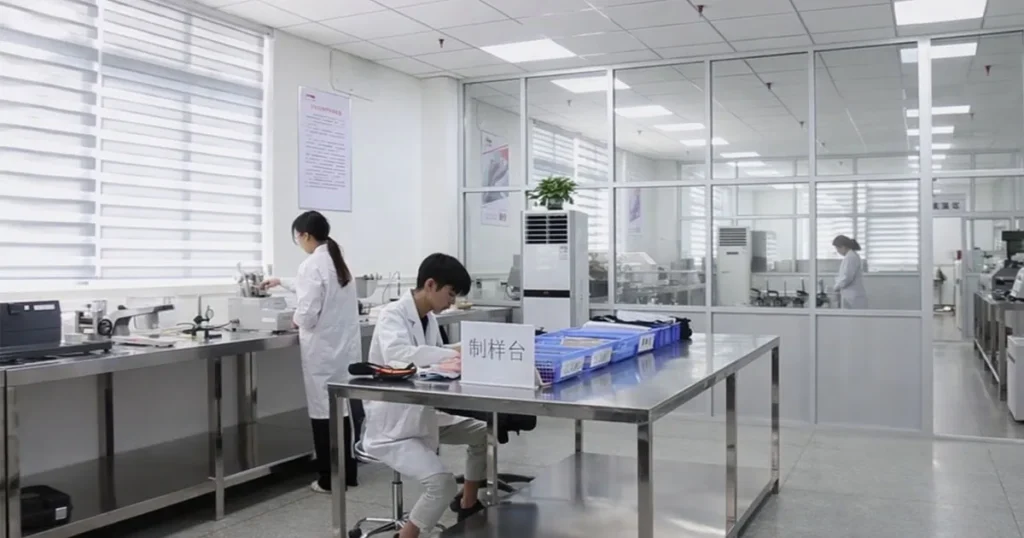
Due diligence: custom program planning needs a written specification before the buyer can plan custom artwork, dielines, samples, finishes, and production handoff; otherwise suppliers may quote different product and approval assumptions.
A custom program touches processes a trial order never reaches. Diligence has to cover the ones that only appear at scale.
Direct answer: For due diligence: custom program planning, lock measurable specifications, application constraints, supplier evidence, and the next approval action before comparing options.
Define the Buyer Requirement
Compare Define the Buyer Requirement for due diligence custom against one RFQ revision. Each row should identify the requirement, approval evidence, and buyer action before production.
| Requirement | Factory control | Evidence to verify | Order risk | RFQ follow-up |
|---|---|---|---|---|
| Finish or surface effect | Factory submits approved texture/gloss swatch | Compare swatch to approved reference under standard lighting | Surface variation causes aesthetic rejection at final inspection | Request RFQ line item for finish tolerance and sample swatch |
| Artwork or logo file | Factory confirms vector file compatibility and placement | Verify artwork matches brand guide dimensions and color codes | Misaligned or low-resolution artwork delays production approval | Ask for sample proof with artwork applied before bulk order |
| Sample approval | Factory holds approved sample as production benchmark | Inspect first article against spec sheet and signed-off sample | Unapproved sample leads to full container rejection | Approve sample in writing and shortlist factory for RFQ follow-up |
For due diligence custom, use Define the Buyer Requirement as the decision scope. Read the rows as one approval sequence. Start with finish or surface effect; use the risk and buyer-action columns to decide whether its evidence is sufficient. Verify it with the inspection method and approval evidence recorded in the table.
For this due diligence custom sourcing record, keep the supplier response, marked sample, and approval owner under the same revision number. If any proof conflicts with the approved record, hold the quote, sample, or production release until the supplier explains the deviation in writing. Before closing the checkpoint, reconcile the latest drawing, sample, quotation, and approval comments, identify which record controls if they disagree, and document the resolution. Carry the signed Define the Buyer Requirement table into the purchase order and production handoff so the same checks support quote comparison, sample approval, shipment release, and later reorders.
Compare the Available Routes
| Option | Best fit | Trade-off | Risk to avoid | Verification | Follow-up |
|---|---|---|---|---|---|
| Current specification | Matches existing production line setup with tested materials and lasting construction methods. | Limited to approved material grades and colorways; no room for new upper or sole combinations. | Stale design may lose shelf appeal against competitors who refresh private label footwear programs seasonally. | Compare last season's approved spec sheet against current factory work instructions and sample tags. | Request a pre-production sample to confirm repeatability before committing to bulk. |
| Alternative specification | Uses a different but available material or component that reduces cost or lead time without changing the silhouette. | May require new tooling or a separate QC check for the alternative component's tolerance range. | Substituting without a wear-test can cause sole separation or upper distortion after first wash. | Ask for a bonded-sample pull test and a flex test at the cycle count agreed with the buyer on the alternative construction. | Approve the alternative only after a signed deviation memo from the factory's production manager. |
| Custom option | Full design freedom: buyer specifies last shape, material stack, lining, and packaging artwork. | MOQ is 1,000 pairs per style, color and size (1,500 for sandals, slippers and slides), and standard production takes 35–45 days after specifications, sample approval, material assumptions, packaging and production slot are confirmed. | Confirm the quoted last and mold charges, cancellation stage, refund or credit conditions and tooling ownership in writing before authorizing work. | Inspect the sample-room prototype against the technical packet; measure every point listed in the spec sheet. | Lock the full specification package—materials, construction details, packaging—before requesting a quote. |
| Safer fallback | A pre-developed stock upper or sole unit that the factory has already run in production. | Fewer color or material choices; the fallback may use a different lining or outsole compound than your ideal. | Relying on a fallback without checking current inventory can delay production if the component is out of stock. | Confirm the fallback component's last production date and remaining inventory in the factory warehouse. | Request a sealed sample of the fallback construction and a written lead-time commitment before approving. |
For current specification, a poor decision can mean stale design may lose shelf appeal against competitors who refresh private label footwear programs seasonally. Ask the supplier to compare last season's approved spec sheet against current factory work instructions and sample tags, then request a pre-production sample to confirm repeatability before committing to bulk.
For due diligence custom, preserve the current specification decision under one revision number: keep the supplier response, marked sample, approved specification, quotation, and approval owner together. If the evidence conflicts with the approved record, hold the quote, sample, or production release until the deviation is explained in writing. Carry that signed Compare the Available Routes record into the purchase order, production handoff, shipment release, and later reorder review so every team works from the same baseline.
Review the Required Proof
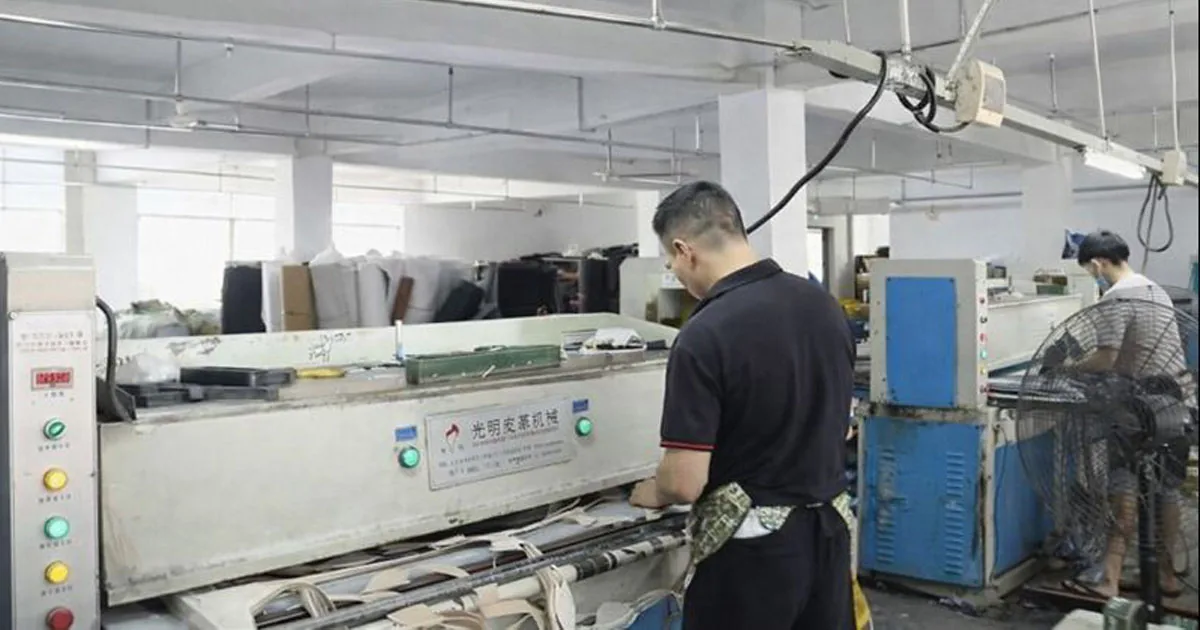
Before committing to a factory, confirm that the supplier can produce a physical sample matching your quote request specifications. Ask for a pre-production sample (PPS) and a sealed reference sample to lock in materials, construction, and tolerances.
Practical Checklist
- Specs: Does the factory provide a detailed specification sheet with material grades, component sources, and dimensional tolerances?
- Cost or MOQ: Request a cost breakdown per pair and confirm the minimum order quantity in writing.
- Production risk: Ask for a production timeline and capacity plan for your order volume.
- Factory execution: Verify that the factory has a quality control process (e.g., inline inspection, final random inspection).
- quote request/sample handoff: Ensure the factory acknowledges your quote request revisions and commits to a sample delivery date.
| Checkpoint | Buyer Verification Question |
|---|---|
| Specs | Can you share a spec sheet with material and tolerance details? |
| Cost/MOQ | What is the unit cost and minimum order quantity? |
| Production risk | What is your current lead time for a similar order? |
| Factory execution | Do you have inline and final inspection procedures? |
| Sample handoff | When can you deliver the pre-production sample? |
After collecting these proofs, you can proceed to compare factory responses against your quote request baseline. For more on sample management, see footwear products.
Build the Decision Asset
At this process checkpoint, you must have a verified supplier proof record that confirms the factory can replicate your specifications. Before committing to a factory, open with the proof that makes the decision verifiable: a signed quote request confirmation listing your exact material, construction, and packaging requirements. This document becomes the baseline for all subsequent checks.
Supplier evidence to request
Compare the factory’s submitted specification sheet against your quote request-confirmed requirements. For each critical spec—such as sole hardness, stitch density, or lining material—ask: “Can you provide a test report naming the laboratory, relevant method, specimen identity and result for this requirement?” Do not accept generic certificates. If the factory cannot produce a matching report, flag the gap as a production risk.
Sample approval evidence
Once the proof is validated, move to sample approval. Require a pre-production sample that matches the quote request-confirmed specs. Verify the sample against your buyer verification checklist: measure dimensions, check color against a Pantone reference, and test fit. Only approve the sample when all measured values fall within the tolerance stated in your quote request. This step ensures factory execution aligns with your cost and quality expectations.
Reorder control records
Finally, establish reorder control. Define a clear handoff process: after sample approval, the factory must submit a production plan that includes batch traceability and inspection milestones. For reorders, require the same quote request-confirmed specs and a new pre-production sample when a change to the material, tooling, process or specification makes the retained approval evidence insufficient for the proposed reorder. This prevents drift in production consistency and protects your MOQ investment.
Prepare Comparable RFQ Inputs
Before comparing factories, turn every custom-program promise into an quote request field and a named evidence request. The shortlist should show capacity allocation, incoming material checks, a sample gate, reporting cadence, and inspection records for the same order plan.
- What is the factory’s confirmed production capacity for custom footwear programs per style and colorway within the standard 35- to 45-day lead time? Capacity determines whether the supplier can meet your order volume without splitting across multiple runs, which raises cost and inconsistency risk. A documented production schedule that allocates dedicated lines for your program, with buffer for sample rework and material delays. Overcommitted factories cause late deliveries, partial shipments, or forced substitutions that break your launch timeline. Request the factory’s capacity plan for the upcoming quarter and cross-check against your proposed order quantity and delivery window.
- How does the factory verify incoming material specifications against the quote request-confirmed bill of materials before production? Raw material deviations are a common cause of color mismatch, shrinkage, and sole adhesion failure in custom programs. Supplier shares a written incoming inspection checklist with passing records for each component lot, including upper leather, lining, outsole, and adhesives. Accepting uncertified materials locks in defects that only surface at final inspection, forcing costly rework or order rejection. Ask for the last three incoming inspection reports for similar custom orders and verify the material specification columns match your quote request.
- What is the factory’s sample approval gate and how long does it take from spec confirmation to first sample delivery? Sample timeline directly impacts your go-to-market schedule; a delayed sample approval leads to compressed production or missed season. Factory quotes a 7- to 15-day sample lead time after usable specs are confirmed, with a clear sign-off process before moving to bulk. Without a fixed approval gate, the factory starts bulk production on incomplete specs, causing expensive post-production changes. Define in the quote request that sample approval must be a written sign-off with photos and measurements, and request a sample timeline commitment.
- How does the factory communicate production status and what reporting frequency do they offer for custom programs? Visibility into production progress prevents surprises and lets you intervene early if a bottleneck occurs. Agree the update dates and responsible contact, and request a sample progress record showing the relevant cutting, stitching, lasting and finishing milestones. No reporting means you discover delays only at the promised delivery date, leaving no time to expedite or adjust. Include in the quote request a requirement for a production tracking sheet with milestone dates and request a sample report from a similar program.
- What inline and final inspection procedures does the factory apply to custom footwear orders, and are they documented? Consistent quality control reduces the risk of a full container rejection and protects your brand’s reputation. Factory provides a QC checklist specifying pass/fail criteria for fit, appearance, adhesion, and packaging, with third-party inspection options. Without documented QC, the factory may ship defects that pass only under their own subjective judgment, leading to returns or chargebacks. Request the factory’s QC manual and a sample inspection report from a recent custom order; confirm that your own inspector can be present at final inspection.
Request program-specific line allocation, sample timing, and inspection evidence for the quoted order.
Source check: ISO 2859-1 sampling inspection standard; Best practices guide for managing suppliers of API manufacturer…; How to Find a Manufacturer for Your Womenswear Brand: The Due-D….
For due diligence custom, use footwear sourcing solutions to align the applicable specification, proof record, supplier responsibility, and quote request handoff before comparing quotes.
In conclusion
The final approval for your custom program begins with a side-by-side check of the factory’s submitted specification sheet against your confirmed quote request inputs. Compare the quoted cost and MOQ per style against your budget and volume targets, then verify that the sample approval record matches the approved spec before locking the production schedule. Document any quality risk flags—such as material substitutions or lead-time gaps—and shortlist only those suppliers whose proof records pass every gate. Once the spec, cost, sample, and timeline are all validated, you can confidently request a quote for the full program.
To request a quote for due diligence custom, use KEYTOP factory to confirm the final specification, quote assumptions, sample approval, QC evidence, approval risk, and supplier follow-up before bulk order.
Frequently Asked Questions
How should a b2b buyer plan custom order?
Only if you first define the full specification for each style, including materials, colorways, size runs, and packaging. Shortlist factories that can match your quote request requirements, then compare their cost and MOQ against your budget. Verify sample lead time and request pre-production samples to confirm quality before approving the program.
Which supplier proof should buyers request for shoe factory due diligence?
Request the factory’s specification sheet for your custom design, along with evidence of past production for similar footwear categories. Check that the submitted specs match your quote request-confirmed requirements, and document any deviations. Then verify sample quality through a pre-production sample approval process, and confirm the production lead time and minimum order for your chosen style.
What should buyers lock before approving custom program planning checklist?
Lock the approved specification sheet, sample approval record, and confirmed production schedule before moving forward. Ensure the factory has verified material sources and packaging details that match your requirements. Document the cost breakdown and minimum order per style, and establish a reorder control process to maintain consistency across future orders.
quote request handoff: Send Specs for Review.