
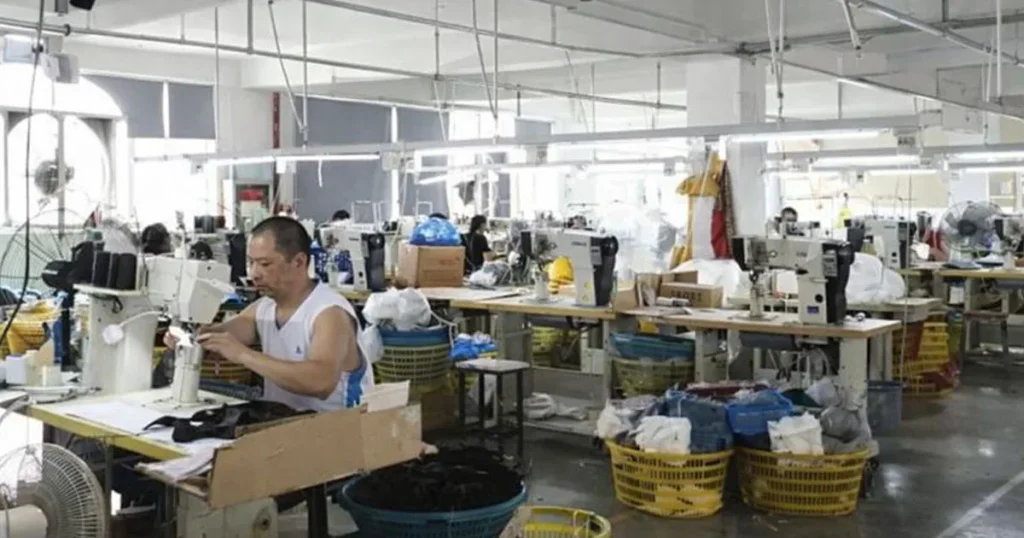
The sourcing record for factory due diligence on buyer use-case fit should translate the selected footwear use case into product and packing specifications, risks, and RFQ questions.
Diligence scope should match order size. A trial order and a season program need different evidence, and demanding both wastes everyone's time.
Direct answer: For due diligence: buyer use-case fit, buyers should translate the selected footwear use case into product and packing specifications, risks, and RFQ questions.
Define the Buyer Requirement
| Application | Fit condition | Risk to avoid | Specification or proof | Follow-up |
|---|---|---|---|---|
| Casual sport shoe line for ecommerce | Vulcanized rubber outsole with canvas upper | Factory lacks last-grade or outsole-mold library for your size run | Past production order showing same construction and size range | Request spec sheet and mold list before sample approval |
| Outdoor hiking boot program for retail chain | Injection-molded PU midsole with waterproof membrane | Supplier has no documented membrane-lamination or waterproof-test protocol | Test report for water-column pressure on identical build | Verify test method and request third-party lab report |
| Private-label sandal collection for summer launch | EVA compression-molded footbed with textile strap | Colorfastness or strap-peel failure after short wear | AATCC rub-test and peel-adhesion data for strap material | Include colorfastness and peel thresholds in RFQ spec sheet |
| Slipper program for hospitality contract | Non-slip TPR outsole with brushed fleece lining | Outsole slip-resistance fails on wet tile; lining sheds after first wash | Coefficient-of-friction test and wash-cycle retention report | Confirm test standard and request pre-production sample for in-house trial |
For casual sport shoe line for ecommerce, a poor decision can mean factory lacks last-grade or outsole-mold library for your size run. Request written proof and compare it with the approved sample or specification, then request spec sheet and mold list before sample approval.
For due diligence buyer, preserve the casual sport shoe line for ecommerce decision under one revision number: keep the supplier response, marked sample, approved specification, quotation, and approval owner together. If the evidence conflicts with the approved record, hold the quote, sample, or production release until the deviation is explained in writing. Carry that signed Define the Buyer Requirement record into the purchase order, production handoff, shipment release, and later reorder review so every team works from the same baseline.
- Spec sheet matches the buyer's material, construction, and size-run assumptions. Signed spec sheet with material callouts, component list, and tolerance ranges. Factory production or sample-room manager. Approving a spec that differs from the buyer's assumptions leads to rejected bulk goods. Compare the spec sheet against the buyer's original requirement document and lock any deviations before sample.
- Factory has documented production experience with this footwear category. Past production orders showing style codes, quantities, and delivery dates for similar products. Factory sales or production planning team. Selecting a factory without category-specific production history increases the chance of process errors. Verify that the order volume and complexity match the factory's documented prior runs.
- Quality control method is defined and applied consistently. QC process document or inspection checklist used during production and final inspection. Factory quality manager. Without a documented QC method, defects may go undetected until shipment. Request a sample inspection report from a recent order to confirm the QC method was followed.
- Supplier can meet the required MOQ and lead time. Written quotation confirming MOQ per style and colorway, plus sample and bulk lead times. Factory sales or production planning team. Approving a supplier that cannot meet MOQ or lead time delays the entire program. Confirm the quotation matches the buyer's program schedule and volume requirements.
- Factory has capacity to run the order within the required window. Production schedule showing available line time for the buyer's order window. Factory production planning team. Overlapping orders can push delivery dates or reduce quality attention. Request a line-loading plan that reserves capacity for the buyer's order.
Compare the Available Routes
Use this checklist to compare specs, cost or MOQ, production risk, factory execution, and RFQ/sample handoff:
- Specs: Confirm material grade, tolerance, and testing protocol match your use case.
- Production risk: Assess defect rate history and lead time buffer for each route.
- Factory execution: Verify on-site quality control steps and approval process for deviations.
- quote request/sample handoff: Define sample approval milestones and communication cadence.
Review these checks against your buyer use-case fit checklist before proceeding to quote request. For more on factory evaluation, visit solutions.
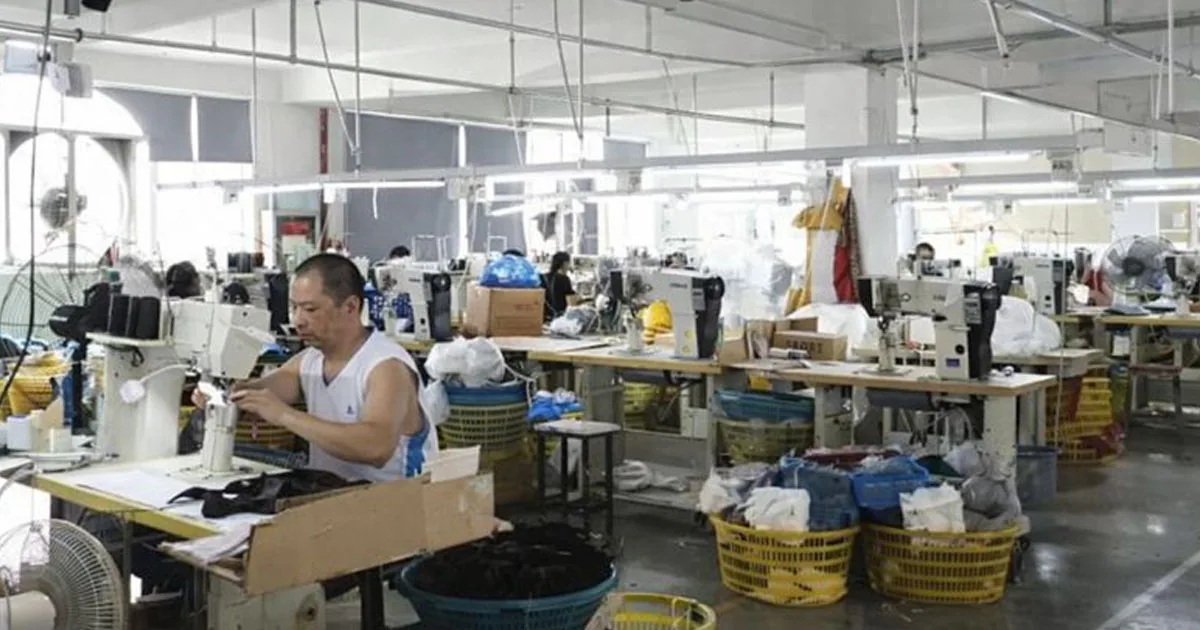
Review the Required Proof
For due diligence buyer, use a release rule: approve only when the supplier evidence matches the written requirement.
- Footwear buyer verifying spec completeness for a new sports shoe program: Full material stack, size run, colorways, and construction method per style Missing spec details cause sample rework and delay production slot confirmation Compare your spec sheet against the factory's quote request template before sample approval
- Procurement officer checking QC alignment with buyer's AQL and test requirements: In-process inspection points, final random inspection procedure, and test lab scope Unmatched QC protocols lead to shipment holds and chargeback disputes at destination Request the factory's QC plan and cross-check against your footwear products quality manual
- Private-label brand confirming order quantity feasibility for a new category: Minimum order per style, color and size (for KEYTOP, 1,500 pairs for sandals, slippers and slides; 1,000 pairs for casual sneakers, casual shoes, boots and outdoor footwear) Under-ordering risks production slot loss; over-ordering without confirmed sell-through ties working capital Submit a preliminary volume forecast per style to confirm allocation before quotation
- Sourcing manager planning post-sample follow-up and production timeline: Sample approval gate, revision limit, and bulk lead time from confirmed spec Unclear follow-up steps delay production start and miss seasonal launch windows Document a written sample-approval checklist and revision cap in the quote request response
- Buyer evaluating approval risk before committing to a full production run: Proof of prior similar program execution, sample pass rate, and revision history Unverified approval risk can stop production mid-run and trigger renegotiation of terms Request anonymized sample approval records from the last three comparable programs
Build the Decision Asset
The buyer’s failure mode is approving a supplier based on a single sample or a verbal promise, only to discover during reorder that the factory cannot replicate the spec or cost. The control is a structured approval sequence that locks in evidence at three checkpoints.
Supplier evidence to request
Before any sample order, require the supplier to submit documented proof of capability: machinery list, quality system summary, and a signed spec sheet for your target product. This eliminates factories that claim capacity but lack the actual equipment or process control.
Sample approval evidence
During sample handoff, compare the physical sample against the written spec for material thickness, stitch density, and color tolerance. Approve only when the sample matches the spec within your agreed tolerance band. This prevents ambiguity in the quote request-to-sample handoff.
Reorder control records
For reorders, verify that the factory still holds the same tooling, material sources, and process parameters. A simple checklist—tooling condition, material batch traceability, and last production run date—ensures repeatability and flags production risk before you commit to a new PO.
These three checks form a decision asset: a repeatable, evidence-based release rule that reduces cost surprises and execution failures. Use this table to track each checkpoint:
| Checkpoint | Evidence Required | Risk Mitigated |
|---|---|---|
| Supplier proof | Machinery list, quality system, signed spec | Capability overstatement |
| Sample approval | Physical sample vs. written spec | Spec ambiguity |
| Reorder control | Tooling, material traceability, last run date | Execution drift |
By embedding these checks into your quote request and sample handoff process, you build a decision asset that scales across multiple factories and product lines, ensuring consistent results without reinventing the process each time.
Prepare Comparable RFQ Inputs
At this stage, the buyer has defined the requirement and must now prepare quote request inputs that enable direct, apples-to-apples comparison across suppliers. The output required before moving to supplier evaluation is a standardized quote request package containing the following elements:
- Specs: Include all critical dimensions, materials, and performance criteria in a shared format (e.g., a technical data sheet or BOM). This ensures each supplier quotes against the same baseline, reducing ambiguity.
- Cost or minimum order: Request pricing broken down by component (materials, labor, tooling) and state the target order quantity. This reveals cost drivers and flags suppliers who inflate minimum order to mask unit price.
- Production risk: Ask for a process flow chart and quality control checkpoints. This exposes bottlenecks or single-source dependencies that could delay delivery.
- Factory execution: Require a sample run or pilot batch to validate that the factory can replicate the spec at scale. Agree a proportionate trial quantity, intended line and acceptance record before committing to bulk. Distinguish trial approval from release of the quoted production quantity.
- quote request/sample handoff: Define a clear timeline for sample submission, review, and approval. Include a sign-off form that both parties must complete before production begins.
Using a standardized quote request package reduces the risk of approving a supplier based on incomplete data. The table below summarizes the key inputs and their purpose.
| Input | Purpose |
|---|---|
| Technical spec sheet | Ensures all suppliers quote against identical requirements |
| Cost breakdown | Reveals hidden costs and enables fair price comparison |
| Process flow chart | Identifies production risks and single points of failure |
| Pilot batch sample | Validates factory execution at scale |
| Sample handoff timeline | Sets clear milestones and accountability |
Once the quote request package is complete, the buyer can issue it to shortlisted factories and evaluate responses against the same criteria. This step prevents the common failure mode of comparing quotes that reference different specs or volumes.
Use ISO’s quality-management overview for management-system context and SATRA’s footwear testing scope to distinguish material, component and finished-footwear evidence. These references do not prove this factory’s capacity or an order-specific result; retain the actual trial and inspection records for those decisions.
For due diligence buyer, use private label footwear programs to align the applicable specification, proof record, supplier responsibility, and quote request handoff before comparing quotes.
In conclusion
The final approval in factory due diligence is not a single signature—it is the cumulative result of verifying that the supplier’s documented production experience, spec sheet accuracy, material assumptions, and packaging requirements align with your footwear program’s use-case fit. By systematically checking these parameters against your quote request package and sample handoff process, you reduce the risk of approving a factory based on a single sample or a prior run that does not match your exact style, colorway, and size run. This evidence-based release rule lets you shortlist only those suppliers whose capability is proven, not promised, and ensures that cost and minimum order discussions start from a validated baseline.
To request a quote for due diligence buyer, use KEYTOP factory to confirm the final specification, quote assumptions, sample approval, QC evidence, approval risk, and supplier follow-up before bulk order.
Frequently Asked Questions
How should a b2b buyer match industry use case?
Only if the factory has documented production experience with your specific footwear category. Compare their existing product portfolio against your spec requirements, material types, and construction methods. Shortlist only factories that can show past orders with similar size runs and upper materials. Ask how QC will check the sample, color, finish, packing, and bulk order. Approving the wrong structure or supplier proof can create quality, cost, or delivery problems. Ask for a sample, specification confirmation, or QC evidence before approval.
Which supplier proof should buyers request for shoe factory due diligence?
Request documented proof of capability: past production orders with spec sheets, material sourcing records, and QC pass rates for comparable footwear. Verify that the factory holds tooling for your required sole type and can meet your lead time—confirm the exact number in your quote request. During sample handoff, compare the physical sample against the written spec for material, construction, and fit. Approving the wrong structure or supplier proof can create quality, cost, or delivery problems.
What should buyers lock before approving buyer use-case fit checklist?
Lock the spec sheet, material assumptions, packaging requirements, and production schedule before approving the use-case fit. Confirm minimum order per style, colorway, and size run—KEYTOP’s minimum is 1,500 pairs for sandals, slippers and slides and 1,000 pairs for casual sneakers, casual shoes, boots and outdoor footwear, with no mixing to reach it; verify the production slot in your quote request. Document sample approval with written sign-off on all parameters to reduce supplier risk.
quote request handoff: Send Specs for Review.