
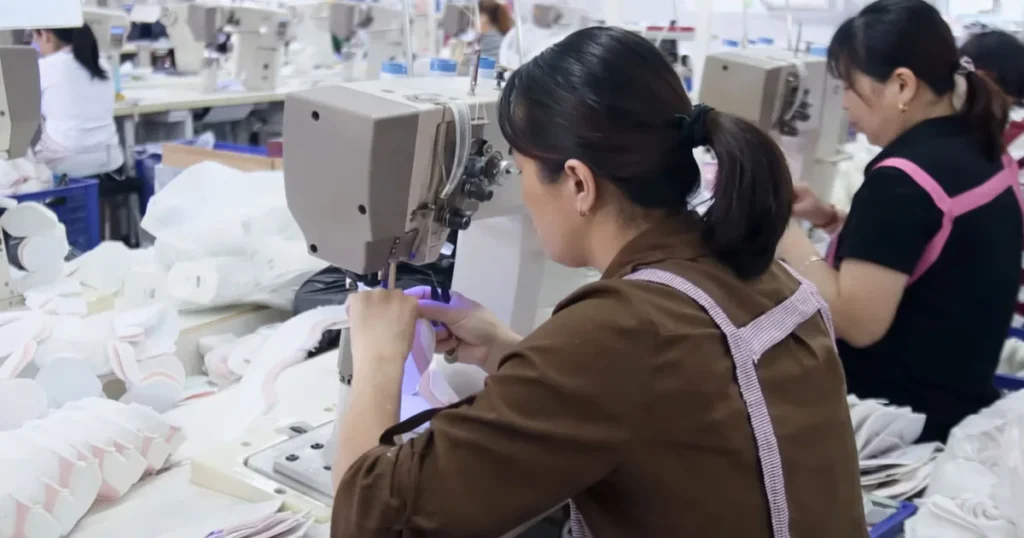
Footwear solutions: buyer use-case fit needs a written specification before the buyer can translate an industry use case into product specifications, risks, and RFQ questions; otherwise suppliers may quote different product and approval assumptions.
This guide maps footwear solutions: buyer use-case fit specifications and evidence to comparable sample requests and RFQ fields.
Direct answer: For footwear solutions: buyer use-case fit, start with the use conditions and required performance, then convert them into measurable specifications, supplier evidence, sample checks, and RFQ exclusions.
Define the Buyer Requirement
Start with the requirement, not the supplier list. A buyer who writes the use case, the volume, and the acceptance test first will compare quotes on the same basis, while a buyer who starts from a supplier name usually compares two different products.
A written sampling basis supports that discipline. The ISO 2859-1 sampling inspection standard defines attribute sampling procedures that judge whether a lot meets an acceptance criterion, which is the logic behind agreeing the pass and fail rules before a route is chosen.
| Application | Fit condition | approval risk | Spec or proof needed | Next action |
|---|---|---|---|---|
| Retail chain assortment | Style, size run, and colorway fit the store plan | A route that cannot hold the size plan causes markdowns | The size curve and color plan | Write the assortment into the RFQ |
| Ecommerce catalog | Photography, fit, and packing suit a remote buyer | A fit surprise returns cost more than a lower unit price saves | A measured sample and image set | Approve the fit before listing |
| Private-label program | Branding, materials, and packaging are controlled | An unapproved revision reaches the shelf | The brand and packaging specification | Lock the specification before sampling |
| Climate-specific use | Water resistance, warmth, or breathability fit the end use | A route that ignores the climate fails in the field | A use-case test brief | Confirm the test with the factory |
- Requirement: the supplier can hold the approved construction. Proof to request: a signed sample with construction notes. Who provides it: the supplier sample room. approval risk: a quote built on an unverified route. Buyer follow-up: attach the construction to the quote request.
- Requirement: the route matches the target market. Proof to request: one reference order in the same category. Who provides it: the supplier account manager. approval risk: a route that cannot serve the channel. Buyer follow-up: confirm the reference before shortlisting.
Compare the Available Routes
Compare routes on the requirement, not on the price alone. Two suppliers can quote the same style at different costs because they are using different materials, construction, or packing, so the comparison only works when each quote answers the same brief.
A footwear industry benchmarking report on material and production routes shows how much a material or construction choice changes the finished product, which is the reason a route check belongs before the quote. Buyers planning a specific use case can also review outdoor footwear to see how a category narrows the route choices.
| Route to compare | Scope to keep fixed | Evidence to review | Approval limit |
|---|---|---|---|
| Tech-pack OEM development | Buyer supplies original design or a usable Tech Pack | Feasibility response, tooling scope and identified development sample | Keep tooling and bulk approval as separate decisions |
| Reference-based or adapted ODM | Identify the existing base and each proposed component change | Base reference, marked change list and revised sample | Review affected fit, finish and joining evidence |
| Private-label layer on either route | Add authorized branding and packing to the selected OEM or ODM scope | Artwork permission, application proof and packing revision | Branding does not replace construction or quantity approval |
Review the Required Proof
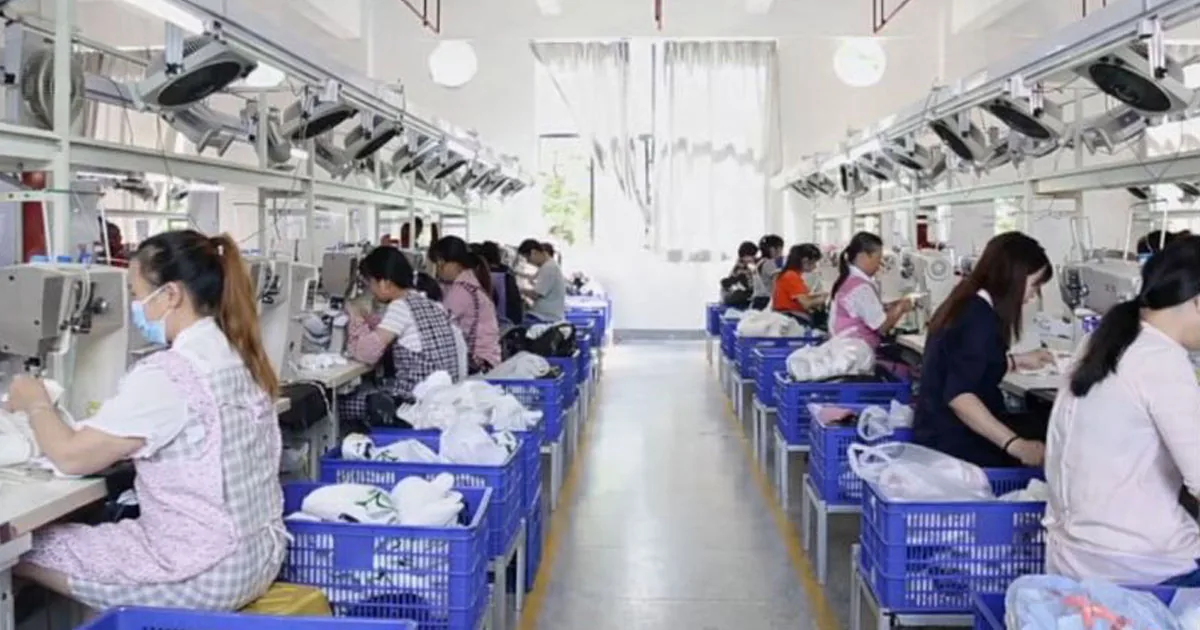
Every route should come with proof the buyer can check. Ask the factory for the record behind each claim, and treat a claim with no record as a question rather than a promise. Buyers who need development support can review OEM and ODM footwear manufacturing before locking the proof list.
- Industry requirement: the product must suit the target market. Spec to confirm: the material and performance expectation. approval risk: a product that cannot be sold in that market. Proof or test: a use-case test brief and result. Buyer follow-up: confirm the test before the quote.
- Industry requirement: the construction must hold in use. Spec to confirm: the construction and material codes. approval risk: a failure after delivery. Proof or test: a signed sample and a flex or adhesion check. Buyer follow-up: attach the construction to the quote request.
- Industry requirement: the order quantity must fit the line. Spec to confirm: the minimum order quantity by style, color, and size. approval risk: a quantity surprise after setup. Proof or test: the written quantity basis. Buyer follow-up: confirm MOQ in the quote.
- Industry requirement: the packing must suit the channel. Spec to confirm: the label, carton mark, and packing count. approval risk: a rejected carton at goods-in. Proof or test: a printed label and one packed carton. Buyer follow-up: approve the packing proof.
Build the Decision Asset
The application fit table becomes useful when each row carries a decision, not only a description. Fill the table with the use case, the condition that makes the route fit, the risk if it does not, the proof to request, and the buyer action.
Complete the application fit table
Work row by row and stop when a row cannot be completed, because an incomplete row is a question for the supplier rather than a decision. For a climate-specific use case, the fit condition is a performance test; for a retail assortment, it is the size and color plan; for a private-label program, it is the control of branding and materials.
Use the completed table to compare quotes on the same terms. When two suppliers answer the same row differently, the difference is the material, construction, or packing decision the buyer has to make, and that is the point at which the route choice becomes visible.
- Confirm the use case and the acceptance test for each row.
- Name the proof that closes each row, such as an inspection record or a signed sample.
- Record the buyer action before the quote is compared.
Prepare Comparable RFQ Inputs
An quote request produces comparable quotes only when every supplier receives the same inputs. Build the input set before the first enquiry, and keep the fields fixed so a later quote can be compared with the first one instead of restarted.
Lock specifications, quantities, and approval gates
Lock the material and component codes, the construction, the color and artwork references, the size chart, the packing version, and the quantity basis. Then lock the approval gates: who approves the sample, which record each gate produces, and what happens when a check fails.
- Step 1 – write the specification and the acceptance test, so each supplier quotes the same product. Without this, two quotes cannot be compared, and the verification is a written specification that names the material, construction, and finish.
- Step 2 – state the quantity basis and the size run, because the order quantity drives the tooling, the material buy, and the unit cost. Verify the minimum by style, color, and size before the quote is treated as final.
- Step 3 – define the sample and approval path, including the sample revision, the approver, and the deviation rule. A quote that skips the approval path hides the rework risk inside the unit price.
- Step 4 – agree the packing, label, and delivery requirement, since a change at packing can move the schedule and the cost. Verify the packing version with a printed proof before the order is released.
- Step 5 – record the commercial terms that affect comparability, such as the sample cost, the setup, the freight basis, and the reorder assumption, so a lower unit price is not hiding a higher total.
For casual sneakers, casual shoes, boots, and outdoor footwear, KEYTOP plans 1,000 pairs per style, color, and size, with samples taking 7 to 15 days after sample requirements and usable specifications are confirmed, and standard production taking 35 to 45 days after specifications, sample approval, material assumptions, packaging and the production slot are confirmed, so the quote request should state the quantity and the approval date it assumes.
For footwear solutions buyer, use private label footwear programs to align the product baseline, sample evidence, packing record, and quote owner before order release.
In conclusion
A use-case fit decision is only as good as the requirement behind it. Write the use case and the acceptance test, compare routes on the same brief, and ask for the proof that sits behind each claim before the quote is treated as final.
Keep the completed fit table, the specification, and the approval record with the order, and recheck them when the requirement or the channel changes. That record is what makes the next quote comparable instead of a fresh negotiation, and it limits the risk of a route that no longer fits.
To move the decision forward, compare the routes you are considering and request a quote against the locked specification so the supplier can confirm the material, construction, and packing before sampling. Review footwear sourcing solutions to match the route to your buying situation.
Frequently Asked Questions
How should a b2b buyer match industry use case?
Start from the end use and the acceptance test, then map each requirement to a material, construction, or packing decision. Confirm the fit condition with the supplier, ask for one reference order in the same category, and keep the requirement written so a route that does not fit can be rejected before the quote.
Which supplier proof should buyers request for footwear sourcing solutions?
Ask for the signed specification, the retained sample, incoming-material records, in-line records, the final inspection report, and any corrective-action record. KEYTOP’s quality checkpoints are incoming materials, in-line inspection, and final inspection before shipment. When comparing suppliers, one who can show records at each stage is easier to shortlist than one who only quotes a price.
What should buyers lock before approving buyer use-case fit checklist?
Lock the use case and acceptance test, the material and construction codes, the size chart, the packing version, the quantity basis, and the approval owner. Confirm that the supplier’s proof answers the same requirement, and treat any change to the requirement as a new approval rather than a verbal update.
quote request handoff: Send Specs for Review.