
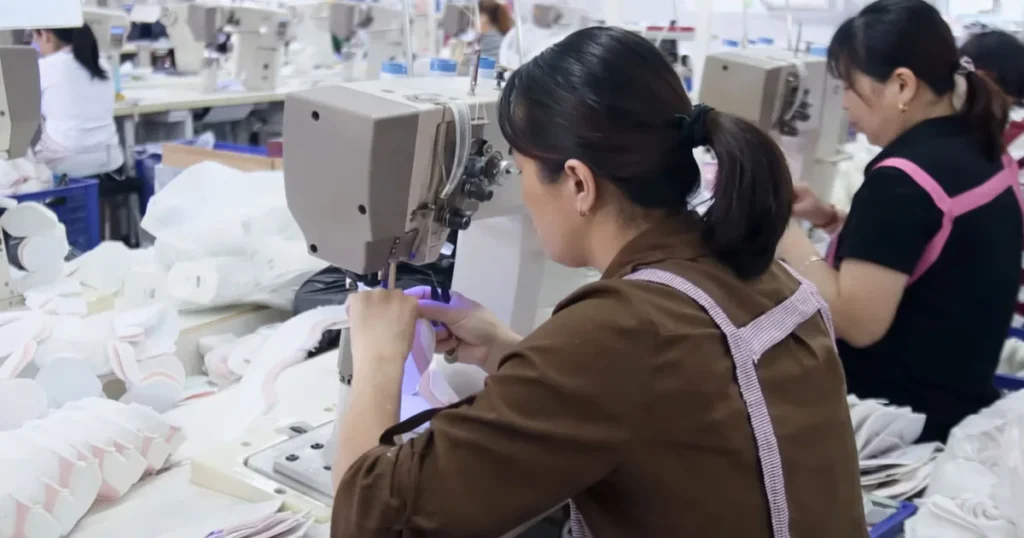
The sourcing record for ecommerce footwear: custom program planning is incomplete until it covers artwork, samples, finishes, and production handoff.
Identify the ordered style, color and size combinations and the related last, tooling, artwork and material dependencies before sampling. Agree which inputs must be fixed for this actual program, then ask the supplier to quote the cost and timing impact of any later change.
Direct answer: For ecommerce footwear: custom program planning, buyers should plan custom artwork, samples, finishes, and production handoff.
Define Ecommerce Footwear Program Inputs
Keep the ecommerce style, color and ordered-size quantities with the artwork files, component references and packing requirements in the same RFQ version. Name who accepts the fit sample and branding proof, and record any remaining platform or receiving requirement before the order decision.
| Requirement | Factory control | Evidence to verify | Order risk | RFQ follow-up |
|---|---|---|---|---|
| Finish or surface effect | Factory submits a sealed finish sample card with gloss, texture, and color values per approved spec. | Compare production finish to sealed sample under buyer-approved viewing conditions; measure gloss units with a 60° glossmeter if specified. | Surface variation or batch-to-batch drift can cause returns and brand inconsistency in multi-SKU programs. | Request RFQ line item for finish sample card and approve before bulk material cutting. |
| Artwork or logo file | Factory confirms artwork file format (AI, EPS, PDF) and placement coordinates on last and upper pattern. | Request a digital placement mockup overlaid on the approved 2D pattern; verify registration marks and color separations. | Misaligned or low-resolution artwork leads to rejected uppers and rework costs at the printing or embroidery stage. | Approve artwork placement mockup and request a strike-off or embroidery sample before production. |
| Sample approval | Factory produces first article (base size) per spec pack; buyer signs off on fit, materials, construction, and packaging. | Conduct a physical fit test on a size run sample; measure critical points (length, width, heel height) against spec tolerance. | Without signed sample approval, bulk production may deviate from intended design, causing order rejection or chargebacks. | Expect the sample 7–15 days after sample requirements and usable specifications are confirmed; approve in writing before production slot is locked. |
Review the proposed footwear finish on the identified material and sample. Check the artwork position, surface or application method, relevant evaluation conditions and agreed acceptance criteria; record which requirement is covered by actual evidence and which still needs development or buyer approval.
Keep the artwork placement, finish sample and size measurements with the approved Tech Pack. Close any disagreement between the drawing and physical reference before the supplier cuts bulk material.
Compare Ecommerce Footwear Development Routes
| Option | Best fit | Trade-off | Risk to avoid | Verification | Follow-up |
|---|---|---|---|---|---|
| Current specification from existing tech pack | Buyer with approved sample, confirmed size run, and documented material construction from prior production | Faster sample approval but limited to proven components; any material substitution triggers requalification | Hidden cost from last-minute component change when original material is discontinued or unavailable at order placement | Cross-check each component against current supplier inventory and confirm lead time for each material before sample sign-off | Request written confirmation that every specified component is available for the planned production window |
| Alternative specification using in-stock component library | Buyer needing faster sample turnaround by selecting from factory’s existing material bank | Narrower design flexibility but reduced material procurement risk and shorter lead time for sample approval | Final product appearance or performance may differ from original concept; buyer must approve aesthetic trade-offs before bulk | Review the physical swatch or sample against the selected footwear-family requirements. For an outdoor-style program, compare the referenced outdoor footwear products with the actual approved material, fit and finish specification. | Request a comparison sample showing both original and alternative material side-by-side before committing to bulk production |
| Custom option with new mold or tooling | Buyer launching proprietary design requiring unique outsole, last, or component not available from standard catalog | Higher upfront tooling investment and longer development timeline but design and tooling rights to be agreed in writing, alongside the proposed differentiation | Tooling cost becomes sunk if the design fails market testing or requires revision after first production run | Confirm tooling amortization schedule, revision allowance, and ownership terms in writing before approving mold production | Document the number of revision rounds included in the tooling quote and the cost per additional revision |
| Safer fallback using existing production mold | Buyer needing confirmed fit and faster time-to-market by using an existing last and outsole mold from factory’s active production | Limited to available size runs and silhouette options but may avoid new-mold development, while requiring checks of the existing tooling condition and permitted use and reduces sample-to-bulk timeline | Competing brands may use the same mold, reducing exclusivity; verify mold ownership and availability for ongoing orders | Request mold usage history and confirm no other active buyer is using the same mold for the same target market or distribution channel | Ask factory to reserve the mold for your production window and confirm any exclusivity terms in the quotation |
For current specification from existing tech pack, a poor decision can mean hidden cost from last-minute component change when original material is discontinued or unavailable at order placement. Ask the supplier to cross-check each component against current supplier inventory and confirm lead time for each material before sample sign-off, then request written confirmation that every specified component is available for the planned production window.
List which components are available and which would change the shoe’s fit, appearance or finish. Agree material-comparison samples and tooling terms for the chosen route before sample approval.
Review the Required Proof
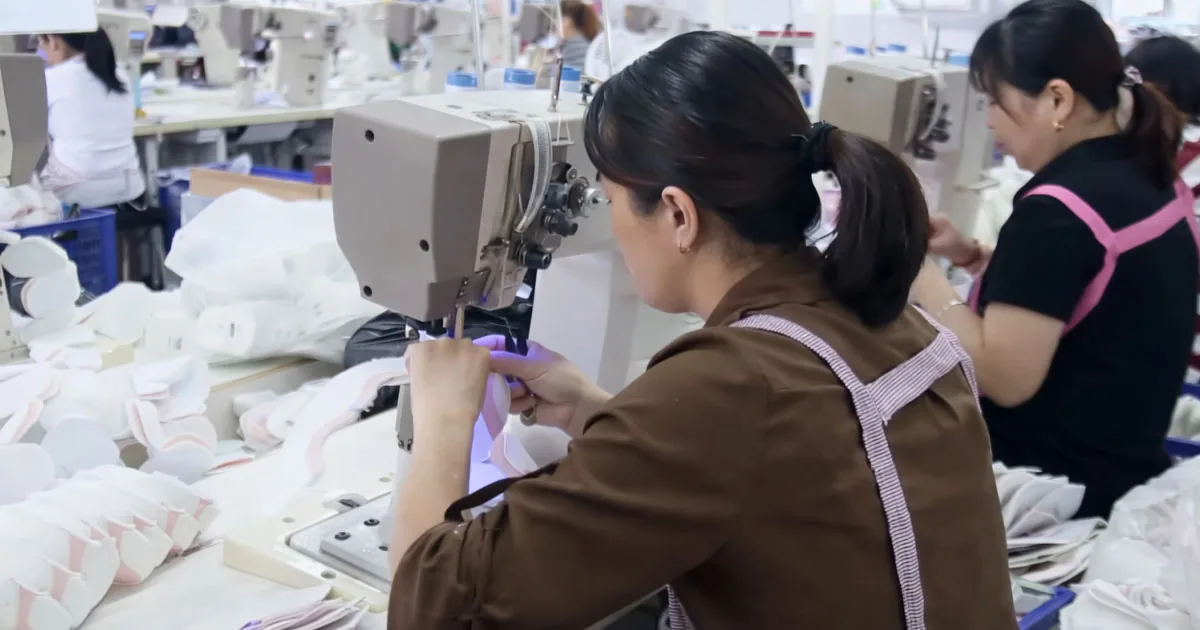
Start with the physical sample or measurement record that makes the decision verifiable. For ecommerce OEM (original equipment manufacturer) and ODM (original design manufacturer) footwear manufacturing custom programs, the proof set must confirm three things: the spec matches the RFQ, the cost aligns with the MOQ structure, and the production risk is documented.
- Specs: Compare the last sample against the approved tech pack. Verify size grading, material thickness, and sole hardness using a durometer reading.
- Cost or MOQ: Request a cost breakdown per component (upper, outsole, insole, labor). Confirm the family MOQ per style, color and size: KEYTOP requires 1,000 pairs for casual sneakers, casual shoes, boots and outdoor footwear and 1,500 pairs for sandals, slippers and slides; styles, colors and sizes cannot be mixed to reach it.
- Production risk: Ask for a risk register covering tooling failure, material substitution, and seasonal capacity constraints.
- Factory execution: Review a recent production run report for defect rates and on-time delivery.
- quote request/sample handoff: Ensure the signed quote request and sample approval form are filed before production.
For a quick cross-check, use this table to verify each proof element before sign-off.
| Proof Element | Verification Method | Acceptance Criteria |
|---|---|---|
| Spec compliance | Sample vs. tech pack audit | Match within agreed tolerance on critical dimensions |
| Cost breakdown | Component-level quote | Within the agreed range of target cost |
| Production risk | Risk register review | All high risks have mitigation |
| Factory execution | Last 3 production reports | Defect rate and OTIF within agreed limits |
Once these proofs are collected, you can proceed to the quote request handoff with confidence.
Build the Decision Asset
At the supplier proof check, match each document to its stated site, material, product and market scope. A factory quality-system certificate or social audit is not an order-specific product result. Record which component evidence is available, which needs clarification and who will review the remaining gap before sampling.
Supplier evidence to request
Verify factory credentials against your brand’s quality standards. Use a checklist covering material sourcing, production capacity, and ethical practices. This step identifies evidence gaps; it does not by itself prove the supplier can meet the specification.
Sample approval evidence
Evaluate the physical sample against the tech pack. Measure key dimensions, test material durability, and assess stitching quality. Approval requires a signed-off sample report that matches the agreed design.
Reorder control records
Establish reorder triggers based on sales data and inventory levels. Define minimum order quantities and lead time buffers to avoid stockouts. Reconfirm the actual quote, production slot and changed requirements before releasing a reorder.
Use the following table to track key decision points:
| Checkpoint | Key Action | Output |
|---|---|---|
| Supplier proof | Match document scope to the order | Scoped evidence record |
| Sample approval | Test physical sample | Signed sample report |
| Reorder control | Set reorder triggers | Reorder plan |
After these checks, hand off the approved sample and quote request to production. This decision record states approved requirements and open exceptions for production follow-up.
Prepare the Ecommerce Development RFQ
- Does the supplier have documented experience producing custom ecommerce footwear programs with comparable construction and materials? Confirms the factory can handle your specific program requirements, not just generic production. Supplier provides a list of past ecommerce footwear programs with similar materials, construction methods, and order volumes. Risk of production delays, quality issues, or inability to meet specifications if supplier lacks relevant experience. Request references or case studies for at least two comparable programs and verify with a brief call.
- What is the supplier’s standard verification method for material and construction compliance before bulk production? Documents the proposed checkpoints for specification deviations; assess actual records rather than inferring execution from a checklist. Supplier describes a documented pre-production sample approval process, including material test reports and dimensional checks. Without a verification method, you may receive bulk goods that do not match the approved sample, leading to rework or rejection. Request a copy of their pre-production sample checklist and agree on a sign-off gate before production starts.
- What are the main approval risks for a custom ecommerce footwear program at your factory? Identifies potential bottlenecks or failure points in the approval process that could delay your timeline. Supplier transparently lists risks such as material availability, color matching, or sole mold adjustments, with mitigation steps. Unexpected approval delays can push back your launch date and increase carrying costs. Incorporate the identified risks into your program timeline with buffer days and confirm mitigation plans in writing.
- What buyer follow-up actions do you require after sample approval to secure the production slot? Clarifies the exact steps and documents needed from your side to avoid miscommunication and lost production slots. Supplier provides a clear list: signed sample approval, confirmed PO, material deposit, and production schedule confirmation. Missing a follow-up step can result in the production slot being reassigned, causing weeks of delay. Create a checklist from the supplier’s requirements and assign a team member to track each action to completion.
- How do you ensure quality control consistency across multiple production runs for the same ecommerce footwear program? Verifies the supplier has repeatable QC processes to maintain product quality from first run to reorders. Supplier describes inline inspections at key stages, final AQL (acceptance quality limit) sampling, and a documented corrective action process for defects. Inconsistent QC can lead to variable product quality, increased returns, and damage to your brand reputation. Request a copy of their QC plan for your program and schedule a mid-production inspection for the first run.
Method reference: ISO 2859-1 attributes sampling scope. Agree the relevant inspection inputs and plan; a sampling reference does not verify a supplier’s development capability.
For ecommerce footwear custom, use private label footwear programs to align the product baseline, sample evidence, packing record, and quote owner before order release.
In conclusion
The final approval for your ecommerce footwear custom program comes down to verifying that every checklist item—specification accuracy, cost and MOQ alignment, lead time feasibility, document scope, and sample quality—has been documented and cross-checked. Compare your quote request inputs against the approved sample and tech pack, then shortlist only those suppliers that meet all agreed parameters. After specification review and sample approval, record the production-readiness decision, agreed dates and approval owners. Track unresolved material, supply and production risks before releasing the order; the signed record does not guarantee future timing or execution.
To request a quote for ecommerce footwear custom, use ecommerce footwear sourcing to confirm the final specification, quote assumptions, sample approval, QC evidence, approval risk, and supplier follow-up before bulk order.
Frequently Asked Questions
How should a b2b buyer plan custom order?
Start by documenting the product specification—style, colorway, size run, material, and packaging—then shortlist suppliers that meet those requirements. Then confirm KEYTOP’s MOQ (1,500 pairs for sandals, slippers and slides; 1,000 pairs for casual sneakers, casual shoes, boots and outdoor footwear; per style, color and size) and the standard production lead time of 35–45 days after specifications, sample approval, material assumptions, packaging and production slot are confirmed, and verify the supplier’s risk profile through factory credentials and previous order history.
Which supplier proof should buyers request for ecommerce footwear brands?
Request factory certifications, production capability documents, and a sample approval record that matches the tech pack. Only if you check the physical sample against key dimensions, test material performance, and compare the cost per pair with the minimum order impact, then document the QC results before moving to the quote request stage.
What should buyers lock before approving the custom footwear program?
Lock the final specification, agreed minimum order, lead time, and approved sample before approving the custom footwear program. Only if you have compared the cost breakdown, verified the supplier’s production capacity for the required volume, and documented the sample approval with measurement and material confirmations for the production-readiness review.
Next step: Send Specs for Review.