










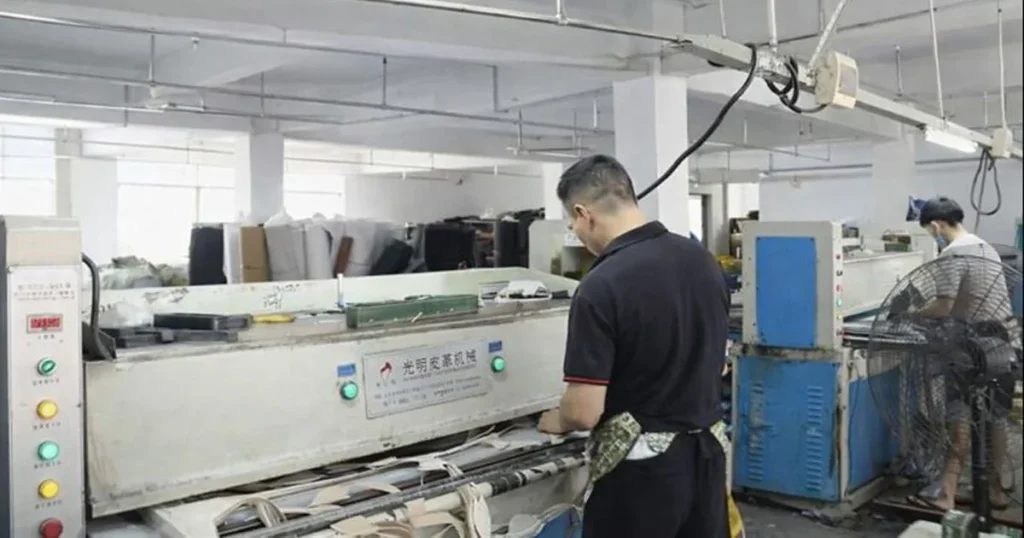
The sourcing record for footwear retailers: product selection is incomplete until it supports this Choose the right product type, structure, material, or specification.
Retail selection is constrained by size run and assortment depth before it is constrained by price.
Direct answer: For footwear retailers: product selection, buyers should choose the right product type, structure, material, or specification.
Define the Buyer Requirement
Compare Define the Buyer Requirement for footwear retailers product against one RFQ revision. Each row should identify the requirement, approval evidence, and buyer action before production.
| Requirement | Factory control | Evidence to verify | Order risk | RFQ follow-up |
|---|---|---|---|---|
| Sample approval | Factory submits counter samples against signed spec sheet before bulk production. | Compare production sample to approved reference using ISO 2859-1 the agreed sampling plan normal inspection. | Deviation in fit, material, or construction leads to order rejection or returns. | Request sealed sample with measurement report and approve in writing before production. |
| MOQ and order quantity | Factory confirms minimum order quantity per style, colorway, and size run per category. | Review MOQ schedule in supplier quotation; verify against production line capacity. | Under-ordering triggers per-unit cost increase; over-ordering creates dead stock. | Request RFQ with MOQ breakdown by SKU and negotiate volume breaks for repeat orders. |
| Material / substrate | Factory sources approved upper, lining, and outsole compounds per specification sheet. | Request material test report (abrasion, flex, colorfastness) and compare to physical swatch. | Substituted material causes performance failure or visual mismatch in final goods. | Ask for material data sheet and production sample with traceable lot numbers. |
| Finish or color control | Factory matches upper finish and sole color to approved lab dip or master standard. | Conduct visual inspection under buyer-approved viewing conditions; use spectrophotometer for buyer-approved color tolerance. | Color variation across production batches causes mismatched pairs and brand inconsistency. | Shortlist supplier after reviewing color continuity history; request bulk shade bands. |
For footwear retailers product, use Define the Buyer Requirement as the decision scope. Read the rows as one approval sequence. Start with sample approval; use the risk and buyer-action columns to decide whether its evidence is sufficient. Verify it with the inspection method and approval evidence recorded in the table.
For this footwear retailers product sourcing record, keep the supplier response, marked sample, and approval owner under the same revision number. If any proof conflicts with the approved record, hold the quote, sample, or production release until the supplier explains the deviation in writing. Before closing the checkpoint, reconcile the latest drawing, sample, quotation, and approval comments, identify which record controls if they disagree, and document the resolution. Carry the signed Define the Buyer Requirement table into the purchase order and production handoff so the same checks support quote comparison, sample approval, shipment release, and later reorders.
Compare the Available Routes
| Option | Best fit | Trade-off | Risk to avoid | Verification | Follow-up |
|---|---|---|---|---|---|
| Current specification – existing category stock | Retailers needing quick restock with proven design and construction. | Limited design flexibility; may not differentiate from competitors. | Risk of stale inventory if market shifts before sell-through. | Check current stock levels and confirmed production slot for repeat order. | Request sample of current model and confirm lead time for 1,000 pairs. |
| Alternative specification – different material or construction | Buyers seeking updated features or cost reduction without full custom development. | Requires new sample approval; may have different durability or perception. | New material may not meet retail margin or consumer expectations. | Confirm material specs, test results, and supplier's experience with the alternative. | Request alternative material swatches and sample pairs for wear test. |
| Custom option – ODM/OEM with buyer's design | Retailers wanting exclusive styles or specific branding for outdoor footwear products. | Longer lead time; MOQ of 1,000 pairs per category; development cost. | Design may not translate to production; risk of sizing or fit issues. | Review tech pack, request development sample, and confirm production timeline. | Submit tech pack for quotation and sample development timeline. |
| Safer fallback – proven bestseller with minor modifications | Retailers minimizing risk; minor color or trim changes to existing model. | Limited uniqueness; still shares basic platform with competitors. | Minor changes may not create enough retail excitement. | Confirm supplier's capacity for small modifications without affecting lead time. | Select existing base model and specify color/trim options for quote. |
Evaluate Compare the Available Routes as one decision scope. Use this decision matrix as an approval sequence, not as a supplier claim. For current specification – existing category stock, a poor decision can mean risk of stale inventory if market shifts before sell-through. Ask the supplier to check current stock levels and confirmed production slot for repeat order, then request sample of current model and confirm lead time for 1,000 pairs.
For footwear retailers product, preserve the current specification – existing category stock decision under one revision number: keep the supplier response, marked sample, approved specification, quotation, and approval owner together. If the evidence conflicts with the approved record, hold the quote, sample, or production release until the deviation is explained in writing. Carry that signed Compare the Available Routes record into the purchase order, production handoff, shipment release, and later reorder review so every team works from the same baseline.
Review the Required Proof
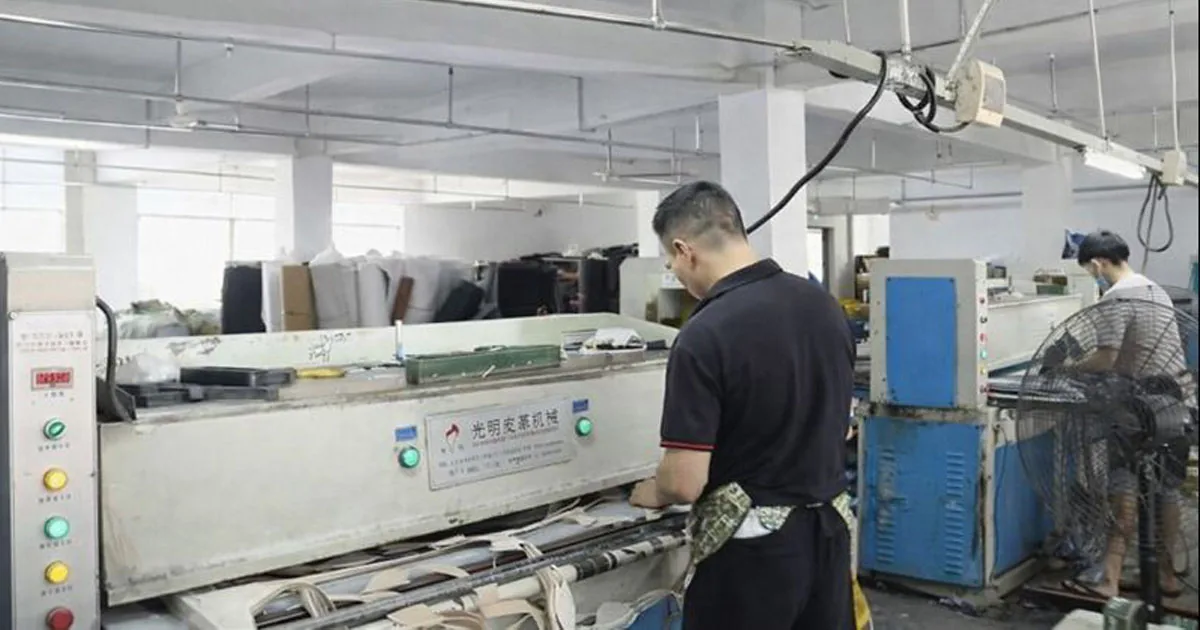
Start with the evidence that makes your decision verifiable: request a confirmation sample and its accompanying measurement report. For outdoor footwear, this means checking the outsole adhesion test, waterproof seam integrity, and flexing endurance data. Use this checklist to review the proof:
- Specs: Compare the sample’s weight, stack height, and last shape against your RFQ revision. Discrepancies over a supplier-confirmed variance require a revised sample.
- Cost or MOQ: Confirm the unit price matches the quotation and that the MOQ is feasible for your test order. No hidden tooling or setup fees.
- Production risk: Ask for a production timeline showing raw material procurement, cutting, stitching, and assembly. Identify bottlenecks like sole molding or lining lamination.
- Factory execution: Review the factory’s inline inspection report for the first 100 pairs. Look for defects in stitching, glue lines, and trim.
- quote request/sample handoff: Ensure the sample tag includes your PO number, style code, and date. Sign off on the sample approval form before bulk production.
This structured review, based on KEYTOP editorial team’s B2B footwear sourcing guides, ensures you catch issues early. For more on sample evaluation, see our footwear products.
Build the Decision Asset
Open at the workflow checkpoint where you have received supplier responses to your quote request. The output that must exist before the next stage is a verified decision asset: a structured record of supplier proof, sample approval, and reorder control checks that confirms the factory can execute your order.
Supplier Proof Check
Request a confirmation sample and its accompanying measure report. Ask the supplier: “Can you provide a signed quote request confirmation and a sample measurement report from your last production run for a similar outdoor footwear style?” This verifies that the factory has the capability to meet your specs, cost, and MOQ requirements without relying on unsupported claims.
Sample Approval Check
Before approving a sample, confirm that the factory has executed a production trial for the exact materials and construction you specified. Use a buyer verification question: “What was the actual cost per pair on your last trial run, and how did it compare to your quote request quote?” This checks production risk and ensures the sample reflects real factory execution.
Reorder Control Check
To manage reorder consistency, ask: “What is your process for maintaining the same materials and specifications across multiple orders?” The factory should provide a documented reorder control procedure that includes a frozen spec sheet and a reorder checklist. This step ensures that cost, MOQ, and quality remain stable for future runs.
| Check | Buyer Verification Question | Decision Asset Output |
|---|---|---|
| Supplier Proof | Can you provide a signed RFQ confirmation and sample measurement report? | Confirmed RFQ and measurement report |
| Sample Approval | What was the actual cost per pair on your last trial run? | Cost comparison and trial evidence |
| Reorder Control | What is your process for maintaining specs across orders? | Documented reorder procedure |
Use this decision asset to hand off to the next stage: order placement or further negotiation. The KEYTOP editorial team writes B2B footwear sourcing guides from approved company facts, and this checklist aligns with the OEM and ODM footwear manufacturing process for outdoor footwear.
Prepare Comparable RFQ Inputs
- What is your production capacity per style per month? Ensures the factory can handle your order volume without delaying other buyers. Factory states a clear monthly pair capacity per style and confirms available slot for your timeline. Overcommitted factory may push your delivery date or split orders across shifts, increasing defect risk. Request a capacity allocation letter for your target style and quantity.
- Do you have a pre-production sample (PPS) approval process? Confirms the factory will produce a sample from your final spec before bulk production. Factory describes a documented PPS step with sign-off before cutting bulk material. Skipping PPS can lead to color, material, or fit mismatches in the full run. Ask for a sample timeline and request a PPS checklist in your quote request.
- What is your defect rate target and how do you track it? Reveals the factory's quality control rigor and willingness to share measurable data. Factory provides a target AQL (e.g., 2.5) and shows how they record defects per batch. No stated target means you have no baseline to hold them accountable during inspection. Request last three production batch defect reports to verify consistency.
- How do you handle reorder consistency for the same style? Ensures repeat orders match the original sample in material, color, and construction. Factory keeps archived specs, material swatches, and production records for each style. Without archived records, reorders may drift in shade, fit, or packaging. Ask for a reorder protocol document and confirm it includes material lot tracking.
- Can you provide a reference from a footwear retailer with a similar order size? Verifies the factory has relevant experience with retail buyers and comparable order complexity. Factory shares a contact or written reference from a retailer with similar minimum order and product type. No relevant reference may mean the factory lacks experience with retail packaging, labeling, or delivery schedules. Contact the reference to confirm on-time delivery and quality consistency.
Source check: ISO 2859-1 sampling inspection standard; How do I confirm stock availability for footwear before paying?…; What to Look for in a Footwear Component Supplier: A Procuremen….
For footwear retailers product, use private label footwear programs to align the product baseline, sample evidence, packing record, and quote owner before order release.
In conclusion
The final approval of your footwear product selection comes down to verifying that every specification, cost parameter, and quality checkpoint has been documented and cross-checked. Compare the confirmed minimum order against your order volume, validate the lead time against your retail calendar, and ensure the supplier’s measurement report matches the approved sample. By shortlisting only those factories that provide signed spec sheets and production trial evidence, you reduce the risk of reorder inconsistency and protect your margin. Once you have locked the final specification sheet and agreed cost per pair, you are ready to hand off the decision to order placement.
To request a quote for footwear retailers product, use retail footwear sourcing to confirm the final specification, quote assumptions, sample approval, QC evidence, approval risk, and supplier follow-up before bulk order.
Frequently Asked Questions
How should a b2b buyer choose product type?
Only if you first match the product type to your retail price point and target customer. Compare the available construction methods—cemented, vulcanized, or direct-injection—and verify which one the factory offers for your chosen category. Check the minimum order quantity per style and colorway, then confirm the sample lead time after you submit detailed specs. Document the material stack, outsole compound, and size run before you request a quotation.
Which supplier proof should buyers request for footwear retailers?
Shortlist suppliers that provide a confirmation sample with a signed measurement report and a production test report before you approve. Verify that the sample matches your specification sheet for upper material, lining, insole, outsole, and stitching tolerance. Ask the factory how they maintain reorder consistency and what quality checks they run during production. After you receive the sample, compare it against your approved reference and document any deviations before you place the bulk order.
What should buyers lock before approving product selection checklist?
Lock the final specification sheet, the approved sample, and the agreed cost per pair before you approve the product selection checklist. Confirm the production lead time after sample approval and ensure the factory has reserved a production slot for your order. Verify the payment terms and the minimum order per style, then document the packaging requirements and carton markings. Send a follow-up quote request to confirm the unit price and delivery schedule before you issue the purchase order.
quote request handoff: Send Specs for Review.