
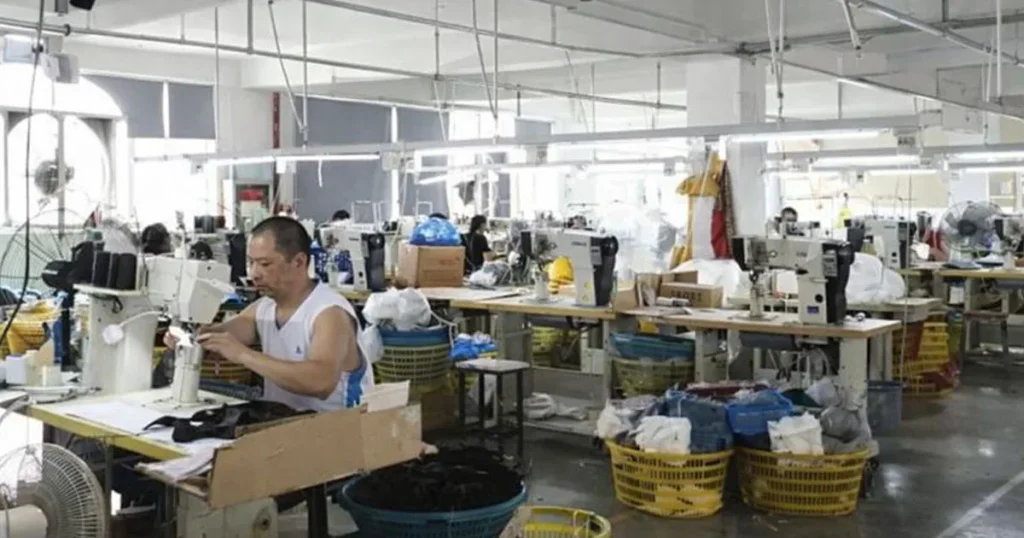
An outdoor shoe supplier audit should connect the proposed shoe to evidence for the programme itself; a workshop visit alone leaves product approval unresolved.
Use this lifestyle footwear checklist to separate material identity, fit and assembly questions, then carry the findings into the appropriate quotation or sample task.
Direct answer: Shortlist on traceable product evidence, keep unresolved findings open, and approve each later stage against its agreed records. A visual sample review does not establish waterproof performance.
Define the Buyer Decision for Outdoor Footwear Oem Supplier Audit
Material identity and assembly evidence make outdoor shoe suppliers comparable. A catalogue photo can show appearance, but it cannot establish the components inside the submitted pair. Start the shortlist with a labelled reference and the supplier’s response to that reference; reserve product approval for the sample review.
| Requirement | Factory control | Evidence to verify | Order risk | RFQ follow-up |
|---|---|---|---|---|
| Upper and lining as specified | Identify proposed materials | Labelled swatches beside the reference | Unaccepted substitution | Mark each proposed difference |
| Agreed sole construction | Describe the assembly route | Component notes and sample photographs | Different construction quoted | Resolve the sample task |
| Defined size reference | State measurement points | A sheet tied to the submitted size | Fit comparison without a baseline | Assign the size-set review |
The footwear materials training manual distinguishes materials and components. A material name alone is therefore a starting point, not evidence that a particular finished shoe meets a performance claim.
- Which component differs from the brief? A marked swatch makes the change reviewable before accepting it.
- Which record identifies this sample? A dated revision link reduces the risk of approving a different pair.
Confirm Product and Order Scope
A dated enquiry and a written supplier response define the scope being audited. First establish whether the supplier proposes a matching reference or new development. The agreed specification then becomes the baseline. Neither route makes a catalogue style available stock or gives a sample photograph the status of buyer approval.
- An unlabelled photograph: the pair may belong to a different programme, risking approval of the wrong reference. Obtain its revision identity before using it in the shortlist.
- A waterproof claim without a product-specific basis: appearance cannot establish that performance; using it as proof risks a disputed product claim. Hold the claim outside approval until the requirement and applicable evidence are agreed.
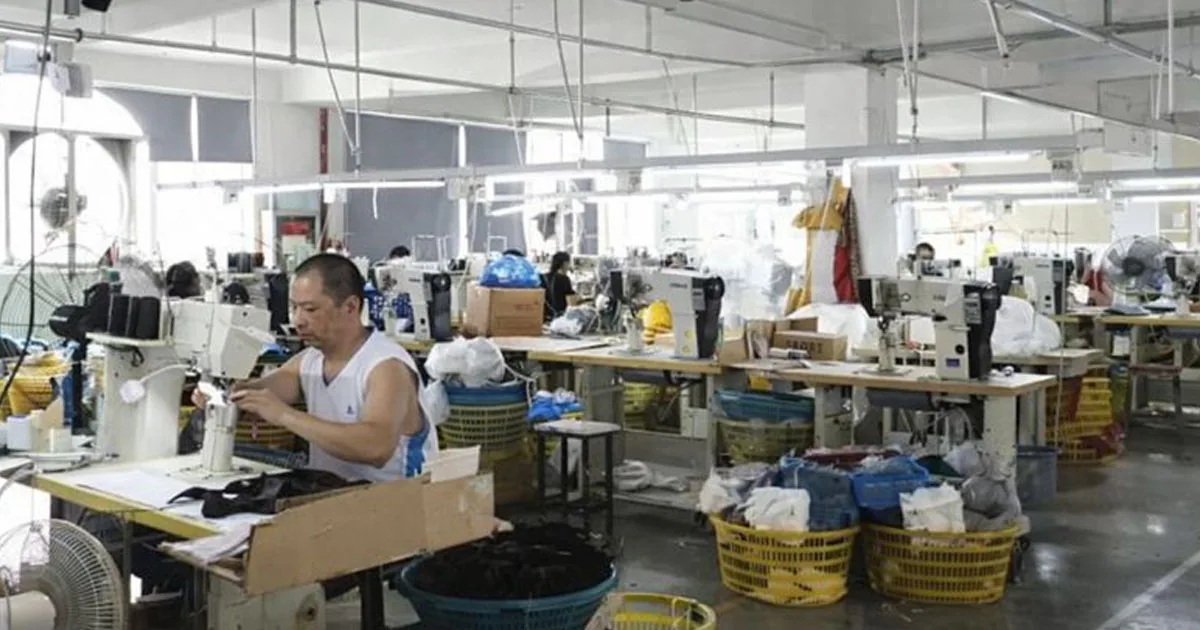
- An unexplained subcontracted operation: the visible workshop may not cover every step, leaving a missing control outside the review. Identify the operation and responsible site before deciding whether the audit scope is sufficient.
ISO 2859-1 addresses lot sampling; an agreed inspection plan still has to define its use for the order. Use OEM and ODM footwear manufacturing to discuss the development route. Later approval should identify the answers that closed the enquiry.
Build the Verification Checklist
Appearance, fit and assembly require separate review routes. Keep observations separate so a passed cosmetic check cannot hide an unresolved construction risk.
| Review option | Best fit | Risk to resolve | Evidence check | Buyer follow-up |
|---|---|---|---|---|
| Component comparison | A changed upper or lining | A substitution changes the quoted cost | Compare labelled materials with the approved description | Accept the change or request correction |
| Size-set review | A fit question across requested sizes | A single sample masks a size mismatch | Record measurement points and buyer fit comments | Approve the size reference or resample |
| Pair inspection | Appearance and assembly observations | Glue marks or misaligned seams reach retail | Photograph the reviewed pair beside its reference | List accepted deviations and repairs |
| Defined testing | An agreed requirement needing measured evidence | A visual check is mistaken for proof | Match report method and sample identity to the requirement | Resolve the result before the relevant approval |
In the sample room, photograph the sole edge and heel seams beside the reference under the same lighting. Mark visible deviations for review; this records workmanship rather than measured bond strength.
An absent acceptance limit stays open; it is not an automatic pass. Specialist testing belongs here only when applicable and agreed. For retail footwear sourcing, keep appearance findings apart from product claims so the buying team can see which decision each record supports.
Compare Quote and Production Assumptions
A comparable quotation states what its price includes and which unfinished tasks control delivery. KEYTOP’s outdoor footwear MOQ is 1,000 pairs for one style, one color and one size, with no mixing to reach that minimum.
KEYTOP sample time is 7–15 days after sample requirements and usable specs are confirmed. KEYTOP standard production takes 35–45 days after specs, sample approval, material assumptions, packaging and the production slot are confirmed. Neither interval is an unconditional shipment promise.
- Send the requested allocation. Does each line meet the stated minimum? Correct an incomplete allocation before comparing unit prices.
- Identify included packing and any development charges. Which items are excluded from the quote? Separate them to avoid hidden cost changes.
- Record open sample tasks beside the proposed dates. Which approval starts the production clock? Ask the supplier to name the condition so a development delay is visible.
The KEYTOP factory provides company context. A dated order-specific response still establishes the commercial terms for this programme; a profile is not evidence of its available production slot.
Run the Review Before Approval
Continue with a supplier when the evidence supports the next decision, and pause the specific approval when a required answer is missing. Use a finding-based scorecard: closed, open or disputed. These are review labels, not calibrated quality ratings. A closed cosmetic issue should not cancel an unresolved construction question.
- Product fit: verify the supplier’s proposed route against the agreed reference. Record the applicable evidence and its revision. An unexplained mismatch stays open until the supplier provides a corrected response.
- Quality controls: KEYTOP records incoming-material, in-line and final inspection checkpoints. Request the records applicable to the proposed programme; a general description is a weak signal when the buyer needs an actual inspection finding.
- Quantity acceptance: check the quoted allocation against the minimum stated above. Retain the supplier’s written acceptance. An incompatible order basis needs correction before commercial approval.
- Communication: name an owner for each unresolved audit finding. A promised correction without a record or responsible contact leaves the same risk in the next review; ask for a documented response.
Keep rejected evidence and the reason for rejecting it alongside accepted evidence. If the supplier answers a different question, return the finding for clarification rather than increasing or lowering an arbitrary numerical score. Stop the relevant approval when a necessary agreed record remains unavailable.
Move from Review to RFQ or Sample
At the end of the audit review, the useful output is a dated decision list with open findings and the person responsible for each reply. It supports the next enquiry or sample task. It should not imply that development is complete merely because a factory visit took place.
- For a first RFQ, send the current brief and the questions needing a quotation response. An approved sample does not yet have to exist.
- After a quote arrives, separate accepted terms from unanswered items. The resulting change list supports a revised response or a development sample.
- At sample approval, close the applicable review findings and retain the agreed reference. Before bulk release, collect the inspection evidence required by the order’s agreed plan.
Inputs to include in the next message
Attach the findings being discussed and identify the decision sought. For a sample revision, marked photographs should distinguish accepted details from corrections. An inspection observation and a specialist test result answer different questions; identify the purpose of each attachment so the recipient does not treat either as broader proof.
Ownership and sign-off for the next gate
Name the buyer contact who can accept a deviation and the supplier contact who will answer it. Record the reply against the finding, with the approval date where applicable. A forwarded message without an explicit decision can leave a correction unresolved. Keep that item open instead of treating silence as acceptance.
In conclusion
The audit should leave a shortlist decision that another buyer can trace to the reviewed evidence. Separate accepted findings from open ones, and carry those findings to the appropriate quote or sample task. This keeps a supplier’s general presentation from becoming approval of a shoe that has not yet been reviewed.
Review the outdoor footwear for the relevant lifestyle product route, then send the current specification with the audit findings requiring a response. State whether the request is for quotation, development or revision. That distinction helps the factory answer the next decision and exposes any changed cost assumption before approval.
Outdoor Footwear Oem Supplier Audit FAQ
What should buyers confirm first?
Confirm the intended lifestyle use and the current product specification. Then decide what this review is meant to approve: a supplier shortlist, a development task or a finished sample. A first enquiry can contain open questions. Write those questions beside the decision required, and retain the reply. A workshop photograph supports an observation about that workshop; it does not establish a waterproof result for the proposed shoe.
Which proof should be retained for approval and reorders?
Retain the dated approved reference and the findings that explain what the buyer accepted. Keep marked photographs with the relevant inspection record so another reviewer can identify the same pair and see which deviations were closed. Where testing was agreed, retain the report with its sample identity and scope. These records serve different purposes; a report from another style does not settle an unanswered finding in this programme.
Which warning signs should stop the order?
Pause the affected approval for an unexplained substitution or a missing record required by the agreed review plan. A performance claim with no applicable evidence also needs a separate decision before it is used commercially. Identify the finding and the response that would close it. An optional external report is not a universal condition for every order; the agreed requirement determines whether its absence blocks approval.
RFQ handoff: Send Specs for Review.