
Before you can shortlist Footwear suppliers using proof, capability, quality, MOQ, and delivery criteria, the specification has to say enough for a supplier to price the same job you have in mind.
Footwear factories specialize by construction and by channel. Matching both before the RFQ saves a full round of unusable quotes.
Direct answer: For footwear manufacturers, buyers should shortlist Footwear suppliers using proof, capability, quality, MOQ, and delivery criteria.
Which footwear manufacturers category fits the buyer's channel
| Option | Best fit | Trade-off | Risk to avoid | Verification | Follow-up |
|---|---|---|---|---|---|
| Current specification | Matches existing retail channel requirements with proven materials and construction | Limits supplier pool to those already tooled for your exact spec | Supplier may not hold the precise lasts or molds; sample failure delays launch | Request supplier capability sheet and compare every dimension and compound | Send current spec for sample approval and confirm lead time by RFQ |
| Alternative specification | Opens supplier options when channel flexibility allows minor material or construction changes | Requires additional wear testing and end-use validation before bulk commitment | Performance differences may affect customer returns or brand perception in that sales channel | Document alternative material specs and request a pre-production sample for field trial | Review alternative spec with supplier and agree on a sample approval gate |
| Custom option | Ideal for premium or direct-to-consumer channels where brand differentiation is critical | Longer development timeline, with the full MOQ per style, color and size | Design changes after approval increase cost and delay; supplier’s custom capacity must be verified | Audit supplier’s track record on custom development and request a design brief review | Brief supplier design team and approve a prototype before sample production |
| Safer fallback | Best for risk-averse channels or fast replenishment where proven standard specs are needed | Less differentiation may not support premium pricing or brand image in that distribution network | Standard spec may conflict with brand requirements or channel exclusivity agreements | Check supplier’s standard stock list and request a stock sample for evaluation | Order a stock sample for channel fit assessment and confirm MOQ by RFQ |
For current specification, a poor decision can mean supplier may not hold the precise lasts or molds; sample failure delays launch. Request supplier capability sheet and compare every dimension and compound.
For footwear manufacturers, preserve the current specification decision under one revision number: keep the supplier response, marked sample, approved specification, quotation, and approval owner together. If the evidence conflicts with the approved record, hold the quote, sample, or production release until the deviation is explained in writing. Once the buyer and designated technical authority have accepted the evidence, carry the signed channel-fit record into the purchase order, production handoff, shipment release, and later reorder review so every team works from the same baseline.
The buyer needs to decide which supplier or factory signals are strong enough for a footwear supplier shortlist: what to confirm, what supplier proof to request, and which RFQ, sample, or approval step comes next.
- Which specification sheet do you require for this footwear category? The specification details determine whether the supplier can produce the exact style, material, size run, and packaging you need. The supplier provides a detailed spec sheet with confirmed material, construction, sizing, and packaging parameters. Missing or vague specifications lead to sample rejection, rework, and delayed timelines. Request the supplier's standard spec sheet template and compare it against your requirements.
- What drives the cost per pair for this footwear category? Cost drivers such as material, construction complexity, and minimum order quantity directly affect your budget and pricing. The supplier breaks down cost by component and explains how the quoted quantity influences the unit price. Unexpected cost increases can arise from unlisted materials, tooling, or packaging charges. Ask for a cost breakdown per component and confirm the minimum order that matches your order volume.
- Does the supplier have experience serving your distribution channel? Supplier capability in your channel ensures they understand labeling, compliance, packaging, and delivery expectations. They share references from clients in the same retail, e-commerce, or private label channel. An inexperienced supplier may cause compliance delays, packaging errors, or missed delivery windows. Request channel-specific client references and verify their understanding of your packaging and labeling requirements.
- What is the sample approval process and how is timing confirmed? Clear approval gates prevent delays and ensure the first sample matches your requirements before bulk production. The supplier documents each approval step and provides confirmed timing for each stage. Without a written approval process, sample revisions can stretch timelines and disrupt production planning. Document the approval criteria in writing and confirm the supplier’s timing in the RFQ response.
What footwear manufacturers specs buyers should confirm before sampling
The buyer needs to decide which supplier or factory signals are strong enough for a footwear supplier shortlist: what to confirm, what supplier proof to request, and which RFQ, sample, or approval step comes next.
| Requirement | Factory control | Evidence to verify | Order risk | RFQ follow-up |
|---|---|---|---|---|
| Sample approval | Factory sends pre-production samples per approved spec sheet. | Compare sample against color, material, and construction references. | Approving without full size run check may cause fit failures at delivery. | Request sealed sample and fit test across all sizes before sign-off. |
| MOQ and order quantity | KEYTOP’s MOQ is 1,000 pairs per style, color and size (1,500 for sandals, slippers and slides); no negotiation and no mixing to reach it. | Confirm MOQ by style, colorway, size run, and packaging in writing. | A quantity below KEYTOP’s applicable per-style, per-color and per-size minimum needs the program to be revised; a surcharge is not a stated exception. | Document exact quantity per SKU in RFQ and request production slot confirmation. |
| Material / substrate | Factory sources and tests upper, lining, and outsole compounds per spec. | Request material data sheet and conduct abrasion or flex test on swatch. | Substituted substrate can alter durability, weight, or regulatory compliance. | Approve material swatch and request certificate of composition before bulk. |
| Width or size tolerance | Factory uses graded last and measures against approved size chart. | Measure sample across heel, ball, and toe for the buyer-approved tolerance. | Off-tolerance widths cause returns and chargebacks from retail accounts. | Verify size grading report and request fit trial on half sizes. |
| Finish or color control | Factory applies finish under standard lighting and checks against master swatch. | Use spectrophotometer reading and visual approval under buyer-approved viewing conditions. | Batch-to-batch color shift leads to mismatched pairs and markdowns. | Approve finish standard and request first-piece color hold before production. |
Questions to confirm before ordering:
- Specification completeness: Verify full spec pack includes materials, construction method, size run, colorways, and packaging for each style. Supplier provides a spec sheet with tolerances and approved material sources before sampling. Missing or vague specs lead to sample rework and delays; supplier may substitute materials without approval. Compare spec pack against your product brief and request missing details before sample approval.
- Minimum order quantity alignment: Confirm minimum order per style, colorway, and size; at KEYTOP it is 1,000 pairs (1,500 for sandals, slippers and slides) per style, color and size. Supplier clearly states minimum order by product family and whether colorway splits count toward it. Hidden minimum order per SKU can inflate initial order cost; supplier may refuse partial runs. Document minimum order by style, colorway and size in the RFQ before committing to sampling.
- Quality control process: Check supplier's in-line and final inspection procedures, defect tolerance, and testing for outdoor footwear products. Supplier shares a QC checklist covering material, stitching, sole adhesion, and packaging checks. No documented QC process increases risk of defects in bulk production and costly returns. Request a copy of the QC plan and agree on acceptable defect rates before production.
- Supplier capability for lifestyle footwear: Assess supplier's experience with lifestyle footwear manufacturing, including outdoor footwear products and private label programs. Supplier has a dedicated ODM/OEM team and references for similar lifestyle footwear programs. Supplier focused on technical footwear may lack the finishing and packaging quality for lifestyle lines. Ask for case studies or sample references from past lifestyle footwear programs.
- Sample approval gate: Define approval criteria for first samples, including fit, material, color, and construction accuracy. Supplier provides a sample approval form with sign-off fields and a timeline for revisions. Without a formal approval gate, sample changes may drift from original specs and delay production. Set a written approval rule: sign off on all sample aspects before authorizing bulk production.
quote request checkpoint
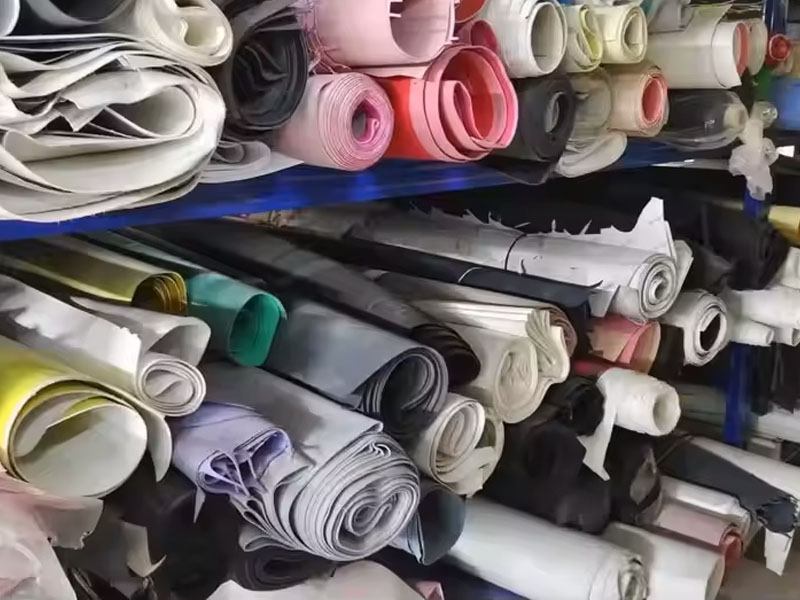
Which footwear manufacturers category fits the sales channel
- Supplier lacks documented capability for private label footwear programs. Category mismatch causes production delays and quality issues. Request factory capability list specific to your product category. Category-specific production records or sample order history. Verify against quote request requirements before shortlisting.
- No documented quality control process for footwear production. Inconsistent output leads to returns and brand damage. Request QC checklist and inspection records from last run. In-process and final inspection reports with defect rates. Schedule factory audit or third-party inspection before order.
- Sample approval process is unclear or missing. Without approval gate, production may not match spec. Define sample approval milestones and sign-off requirements. Written approval procedure with sign-off for each stage. Include sample approval timeline in the contract.
- Supplier cannot provide verified proof of capability. Claims are unverifiable, increasing supply chain risk. Request third-party audits or verifiable customer references. Audit certificates or reference letters from known buyers. Validate references with direct contact or audit report.
How seasonality shapes the footwear manufacturers order plan
An unclear specification or approval record can delay seasonal launches and inflate costs. For outdoor footwear, timing is critical: a missed sample approval may push production into peak freight season, eroding margins. To avoid this, buyers must verify three checkpoints during quote request handoff.
Supplier evidence to request
Request documented evidence of the factory’s ability to handle seasonal volume shifts. Ask: “What is your confirmed lead time for sample development under a 30-day order window?”
Sample approval evidence
Confirm the approval process includes a signed-off spec sheet and a physical sample match. A buyer question: “Do you require a counter-sample before production, and what is the turnaround for that step?” This clarifies handoff risk.
Reorder control records
Seasonal reorders often face capacity constraints. Verify via quote request: “What is your minimum reorder quantity for the same style within 60 days?” This avoids last-minute minimum order surprises.
Below is a summary of verification questions to use during quote request:
| Checkpoint | Buyer Verification Question |
|---|---|
| Supplier proof | What is your confirmed lead time for sample development under a 30-day order window? |
| Sample approval | Do you require a counter-sample before production, and what is the turnaround for that step? |
| Reorder control | What is your minimum reorder quantity for the same style within 60 days? |
These questions shift the conversation from assumed timelines to factory-confirmed execution, reducing seasonality risk.
Which footwear manufacturers category assumptions cause rework
Rework often starts with category assumptions about material grade and sole construction, or about the manufacturer’s capabilities and the buyer’s requirements, so verify specification details early.
Specification details to confirm
Before quote request submission, confirm every material layer, from upper to outsole, with exact thickness, density, and supplier. Assume nothing. For example, a ‘rubber outsole’ can mean different durometers across factories. Use a table to map each component to its required test method.
| Component | Common Assumption | Rework Risk |
|---|---|---|
| Upper material | Leather grade | Color mismatch, delamination |
| Outsole | Rubber density | Premature wear, poor traction |
This table shows how ambiguous details cause rework. Confirm each spec with the factory’s quality manual.
Sample approval record
The sample approval record documents the reviewed design and accepted deviations; state its role alongside the specification and order terms agreed by both parties. It must include photos, measurements, and deviation notes. Without a signed record, the production handoff becomes guesswork. Factory execution relies on that record. Buyers should require a digital sample approval form that includes fit, color, and material comments.
Production handoff notes
Handoff notes bridge the gap between sample approval and bulk production. They should capture tooling changes, last modifications, and any verbal agreements. Production risk increases when handoff notes are missing. A standard template with checkboxes for each critical step reduces rework.
Source check: ISO 2859-1 sampling inspection standard; News – 10 Questions Every Brand Should Ask Before Hiring a Shoe…; 10 Questions Every Brand Should Ask Before Hiring a Shoe Manufa….
For footwear manufacturers, use footwear sourcing solutions to align the product baseline, sample evidence, packing record, and quote owner before order release.
In conclusion
The final approval step for footwear manufacturers requires a systematic check of specification clarity, cost and minimum order alignment, and lead time commitments. Before committing to a supplier, verify that every material layer—from upper to outsole—is documented in the sample approval record, and confirm that the production timeline fits within your seasonal launch window. A cross-category quote request must include exact construction methods and material stack-ups to avoid rework, while the sample handoff notes should bridge the gap between design intent and bulk production.
Shortlist manufacturers that provide transparent sample approval records and multi-category capability, but also compare their minimum order thresholds (at KEYTOP, 1,000 pairs per style, color and size, or 1,500 for sandals, slippers and slides) and production lead times (at KEYTOP, 35 to 45 days after specifications, sample approval, material assumptions, packaging and production slot are confirmed). By validating the spec, approving the sample, and documenting every handoff, you reduce quality risk and ensure a smooth transition from sample to bulk. Once these checks are complete, request a quote from the shortlisted suppliers to finalize the procurement decision.
To request a quote for footwear manufacturers, use OEM and ODM footwear manufacturing to confirm the final specification, quote assumptions, sample approval, QC evidence, approval risk, and supplier follow-up before bulk order.
Footwear manufacturers FAQ
How can buyers verify that a manufacturer supports several footwear categories?
Shortlist manufacturers that list multiple footwear categories on their capability sheet and request a reference list of past programs per category. During quote request, ask for the specific production line and last order date for each category you need, and verify that the factory can assign separate QC checkpoints for different constructions like cemented vs. injection-molded soles.
When is one multi-category supplier riskier than several specialists?
A multi-category supplier becomes riskier when a single production line handles both high-volume sandals and precision outdoor footwear, as material cross-contamination or last-fitting errors can increase. Compare the factory’s dedicated lines per category; if they share tooling or workers between very different product types, the risk of specification drift rises, and you should request a separate sample approval for each category.
What should be included in a cross-category footwear RFQ?
A cross-category quote request must include the exact construction method, material stack-up, and size run for each footwear type, plus the minimum order per category and the lead time for combined orders. Confirm whether the factory can stagger production schedules to avoid capacity conflicts, and request a sample for each category before bulk approval to verify that quality standards are consistent across product lines.
What should buyers verify before approving footwear manufacturers?
Before approving a footwear manufacturer, verify their sample approval record includes signed-off specifications for upper, lining, outsole, and packaging, and check that the QC report matches the approved sample. Confirm the minimum order per style and colorway, the sample lead time, and the bulk production lead time in writing, and request a factory audit report or third-party inspection certificate to validate their quality management system.
quote request handoff: Send Specs for Review.