









Ecommerce shoe supplier checklist private label brands becomes difficult to approve when fit, size grading, materials, construction, and packing assumptions are split across different messages.
For ecommerce shoe supplier checklist private label brands, supplier review should connect the intended use, last and fit target, materials, sample evidence, and size-run approval in one record.
The sections below turn those decisions into sample checks, supplier questions, and RFQ inputs for footwear production.
Why the Right Manufacturer Matters
- Factory QC process: In-line and final inspection records for last order. Supplier provides AQL report with defect class and lot details. Supplier only offers summary pass rate without batch traceability. Request inspection records for three recent shipments.
- Proof and sample-approval method: Verify supplier uses layered approval with evidence at each stage. Supplier documents ART-LOCK ledger with proof, first-article, packout. Supplier accepts screen proof as final sign-off for production. Define proof routes for every approval stage in the contract.
- Approval gate risk: Identify stage where approval error costs most. Supplier has change-control ledger recording revision and reopen. Supplier allows verbal approval for artwork or material changes. Require written sign-off at proof, first-article, and packout.
- Buyer follow-up after release: Confirm supplier notifies buyer of production deviations promptly. Supplier issues weekly production status with deviation log. Supplier only contacts buyer when deviation becomes critical. Set notification thresholds for material, fit, or schedule changes.
Additional RFQ items include minimum order quantity per style: Verify MOQ applies per category, not per individual style. Supplier states 1,000-pair baseline per category, split across colorways. Supplier quotes MOQ per SKU without category aggregation option. Request written MOQ breakdown by style, color, and size run.
Resolve these questions before approval: what is your in-process and final inspection protocol for private label footwear? To confirm defect rate accountability before bulk shipment. How do you verify the sample matches approved specs before production? To ensure the sample approval is the sole reference for bulk production. What is your corrective action if a production batch fails internal inspection? To understand liability and rework terms before committing.
ISO 2859-1 provides sampling procedures for lot-by-lot inspection by attributes. For production approval, align the inspection plan with ISO 2859-1 sampling procedures. Pantone’s physical Formula Guide is a production reference for spot-color specification and approval. Where color is specified, approve it against a physical Pantone Formula Guide rather than an on-screen value.
Evaluation Criteria
- Supplier cannot document inline inspection records for every production lot. Undetected defects pass to final packout, causing rework and returns. Request inspection plan with AQL, recorded pass/fail per lot, and corrective action log. Provide last two production lot inspection reports including defect class and count. Include mandatory inline inspection clause in the supply agreement.
- Supplier treats sample approval as final production release without first-article check. Material or process changes between sample and bulk can produce non-conforming goods. Require a separate production first-article approval before bulk shipment. Submit first-article report signed by both supplier QC and buyer. Set gate: bulk production begins only after FA approval.
- Supplier relies on visual pass/fail with no documented measurement or photo evidence. Subjective checks miss dimension or color deviation; no traceability for reorders. Define measurable criteria per spec (dimensions, color tolerance, material thickness). Supply measurement record per inspection point with reference standard and tolerance. Align measurement method and tolerance values in the tech pack.
- Supplier quotes lead time without defining when the clock starts. Delays from spec clarification, sample changes, or material availability are unaccounted. Require lead time to start after all inputs (spec approved, sample OK, material ready, production slot confirmed). Ask supplier to state exactly which inputs trigger the production clock. Document the start condition in the order confirmation.
For related specifications, sample inputs, and RFQ details, review casual shoes products.
RFQ checkpoint
Match the solution route to the buyer scenario, proof requirement, and RFQ step before sampling ecommerce shoe supplier checklist private label brands.
Top Manufacturers Shortlist
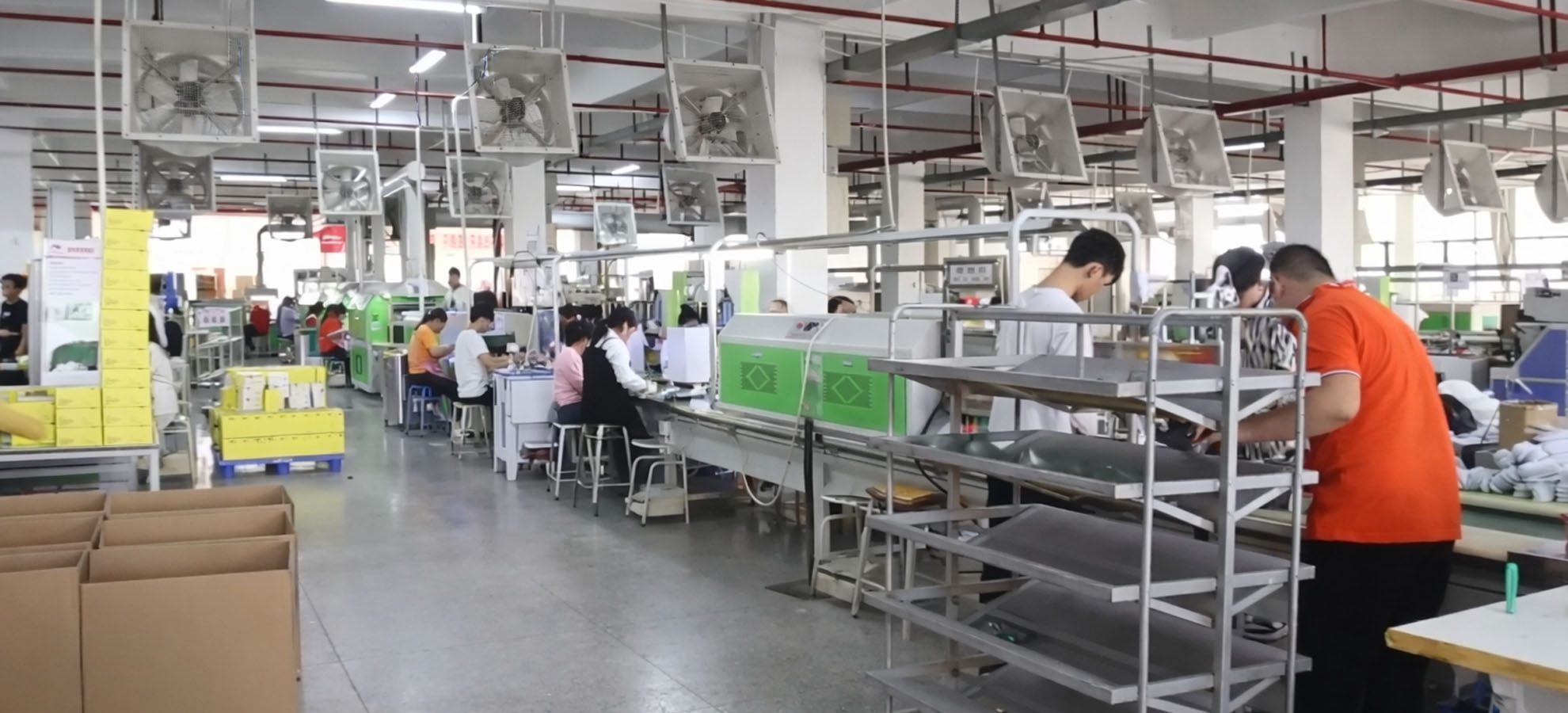
The shortlist decision starts with the supplier’s sample consistency record and factory registration, not a catalog or price list. A single good sample does not guarantee repeatable quality; defective bulk delivery is the commercial risk. Verify the factory’s legal registration and request sample AQL reports from the last three production runs to compare failure rates across runs before bulk order.
Use this buyer check block to separate supplier claims from verifiable proof. Each item names the decision point, risk to avoid, and verification method.
- Sample consistency record. Risk: a single good sample does not guarantee repeatable quality; defective bulk delivery. Verification: request sample AQL reports from the last three production runs and compare failure rates. buyer follow-up: hold shortlist until reports are reviewed.
- MOQ flexibility and unit cost impact. Risk: below-standard MOQ often means higher per-pair cost or inconsistent capacity. Verification: compare unit cost at both MOQ levels; ask supplier to break down cost by style and size run. buyer follow-up: include cost breakdown in RFQ.
- In-process quality checks before final inspection. Risk: without in-line checks, defects accumulate and become expensive to rework at the end. Verification: ask for a copy of the last three pre-production and in-line inspection reports. buyer follow-up: verify that QC checkpoints match your requirements.
- Documented lead time adherence. Risk: quoted lead time restarts after sample approval or material changes, causing schedule delays. Verification: request written proof of past lead time adherence and confirm the start trigger (e.g., after specifications, sample approval, material assumptions, packaging, and production slot are confirmed). buyer follow-up: include lead time conditions in RFQ.
In the sample room, ask to see the last three pre-production inspection reports and compare failure rates across runs. This factory-side check exposes whether the supplier can maintain consistent quality between sample and bulk production. If the evidence conflicts with the approved record, hold the quote or sample release until the deviation is explained in writing.
Carry the signed decision record into the purchase order, production handoff, shipment release, and later reorder review so every team works from the same baseline. For related supplier verification methods, review OEM and ODM footwear manufacturing. Reference The Retail Buyer’s Playbook for additional risk checks like material substitution and inconsistent stitching. Shortlist only suppliers that pass these initial QC indicators, then move to the RFQ and sample handoff with confidence.
Comparison Table
| Criteria | Baseline option | Confirmed option | Buyer meaning | Risk to avoid | Follow-up |
|---|---|---|---|---|---|
| Sample consistency record | Factory provides the agreed sampling plan records from three consecutive production runs | Factory provides only a single sample photo and a verbal promise | Verifies that the factory can reproduce the same quality across multiple batches | A single good sample does not guarantee repeatable quality; defective bulk delivery | Request sample AQL reports and compare failure rates across runs before bulk order |
| MOQ flexibility and unit cost impact | Standard MOQ of 1,000 pairs per category; sample lead time 7–15 days; bulk 35–45 days | MOQ negotiable below 500 pairs; lead time quoted after spec confirmation | Reveals whether the supplier can scale with your order volume and timeline | Below-standard MOQ often means higher per-pair cost or inconsistent capacity | Compare unit cost at both MOQ levels; ask supplier to break down cost by style and size run |
| In-process quality checks before final inspection | Pre-production, in-line, and final random inspection with documented pass/fail criteria | Only final inspection at end of production line; no in-line records shared | Indicates how early defects are caught and corrected during production | Without in-line checks, defects accumulate and become expensive to rework at the end | Ask for a copy of the last three pre-production and in-line inspection reports |
| Sample approval and change control method | Formal approval ledger (e.g., ART-LOCK) with revision tracking and signed sign-off per change | Informal email approval with no version history or signed acceptance | Prevents unauthorised changes between sample sign-off and bulk production | Email‑based approval can be lost or disputed; approved sample may differ from bulk output | Require the supplier to use a structured approval form that names the revision, date, and approver for every change |
Use this comparison table as an approval sequence, not as a supplier claim. For sample consistency record, a poor decision can mean a single good sample does not guarantee repeatable quality; defective bulk delivery. Ask the supplier to provide written proof and compare it with the approved sample or specification, then request sample aql reports and compare failure rates across runs before bulk order. For MOQ flexibility and unit cost impact, a poor decision can mean below-standard MOQ often means higher per-pair cost or inconsistent capacity. Ask the supplier to provide written proof and compare it with the approved sample or specification, then compare unit cost at both MOQ levels; ask supplier to break down cost by style and size run. For in-process quality checks before final inspection, a poor decision can mean without in-line checks, defects accumulate and become expensive to rework at the end. Ask the supplier to provide written proof and compare it with the approved sample or specification, then ask for a copy of the last three pre-production and in-line inspection reports.
Keep the supplier response, marked sample, quotation, and approval owner under the same revision number. If the evidence conflicts with the approved record, hold the quote, sample, or production release until the deviation is explained in writing. Carry the signed decision record into the purchase order, production handoff, shipment release, and later reorder review so every team works from the same baseline.
For related specifications, sample inputs, and RFQ details, review KEYTOP.
How to Shortlist Suppliers
At this workflow checkpoint, you have a list of candidate suppliers. Before requesting samples, you must output a verified shortlist that matches your brand profile and passes initial risk checks.
Best-fit supplier profiles
Match supplier specialization to your product category. The KEYTOP editorial team, with brand capability in sports shoes, recommends verifying factory type—casual vs. performance—against your design complexity.
| Profile Type | Best For | Key Indicators |
|---|---|---|
| Casual shoe specialist | Lifestyle, low-complexity designs | Flexible MOQ, quick sampling |
| Sport performance specialist | Technical, high-performance footwear | Advanced material sourcing, certification processes |
| Hybrid or ODM | Brands needing design support | In-house design team, pattern grading |
Use this table to align supplier strengths with your product requirements.
MOQ, capacity, and lead-time signals to verify
- Request minimum order quantities per style and confirm they fit your initial run.
- Review factory capacity reports to ensure they can scale with your growth.
- Check lead-time consistency through past order records or reference calls.
Quality-control risks before you shortlist a supplier
Reference the China Shoe Supplier Verification: Factory Checklist and The Retail Buyer’s Playbook to assess risks like material substitution, inconsistent stitching, or sole adhesion defects. A shortlist should only include suppliers that pass these initial QC indicators.
In conclusion
The final approval of a private label shoe supplier depends on verifying the evidence behind each checklist item—sample consistency across production runs, MOQ flexibility and its unit cost impact, in-process quality checks, and documented lead time adherence. Without written proof such as sample AQL reports, pre-production inspection records, and cost breakdowns by style and size run, a single good sample does not guarantee repeatable quality or reliable delivery. By comparing supplier responses against approved specifications and maintaining a signed decision record under a single revision number, buyers can move from the shortlist to the RFQ and sample handoff with confidence that the chosen factory meets both quality and commercial requirements.
To request a quote, visit ecommerce brands solutions and confirm the final specification, quote assumptions, sample approval, QC evidence, approval risk, and supplier follow-up before bulk order.
Frequently Asked Questions
What should buyers confirm before ordering ecommerce shoe supplier checklist private label brands?
Buyers should confirm the supplier’s sample consistency record, MOQ per category, and lead time before ordering. For KEYTOP, the baseline MOQ is 1,000 pairs per category, sample lead time is 7–15 days after usable specifications are confirmed, and standard production is 35–45 days after sample approval. Verify the factory’s legal registration and request sample AQL reports from the last three production runs to compare failure rates.
How should buyers compare MOQ, lead time, and quote terms?
Compare MOQ and unit cost at both the minimum and higher volumes, and confirm whether the quoted lead time restarts after sample approval or material changes. Ask the supplier to break down cost by style and size run, and document the lead time start trigger—for KEYTOP, that is after specifications, sample approval, material assumptions, packaging, and production slot are confirmed. Request written proof of past lead time adherence and include these conditions in the RFQ. Approving the wrong structure or supplier proof can create quality, cost, or delivery problems.
What sample, quality, or supplier checks reduce risk?
Request sample AQL reports from the last three production runs, verify pre-production and in-line inspection reports, and cross-check the sample against the approved specification. A single good sample does not guarantee repeatable quality; ask for written proof of sample consistency. For KEYTOP, use the 7–15 day sample window to review and request corrections before bulk order. Document the approval decision under the same revision number as the quotation and sample record. Approving the wrong structure or supplier proof can create quality, cost, or delivery problems.
RFQ handoff: For ecommerce shoe supplier checklist private label brands, share product size, material, artwork, quantity, sample need, packing method, and deadline so the RFQ can be reviewed before sample approval. Send Specs for Review.