










The sourcing record for slipper slides workflow is incomplete until it supports this Verify samples, materials, print, tolerances, certifications, and bulk-production risk.
Slide samples come out of the same mold as production, so approval is really about material and color consistency across runs.
Direct answer: For slipper slides workflow, buyers should verify samples, materials, print, tolerances, certifications, and bulk-production risk.
Define the Buyer Decision for Slipper Slides Sample Approval Workflow
- Specification sheet for slipper slides sole thickness and material: Incorrect sole thickness or material grade causes sole separation or premature wear, leading to returns and chargebacks. Compare the factory spec sheet against your approved sample measurement and material swatch. Bulk production with wrong sole specs results in a non-compliant shipment and rework costs. Document the approved sole thickness and material on the inspection checklist before bulk cutting.
- MOQ allocation per style, colorway, and size run: Misaligned MOQ allocation delays production or forces overproduction of slow-moving sizes, increasing inventory risk. Request a written MOQ breakdown per style, color, and size from the supplier before sample sign-off. Approving samples without confirming MOQ allocation can lead to minimum order penalties or stock imbalance. Confirm the MOQ allocation in writing and attach it to the sample approval record.
- Sample measurement tolerance against approved spec: Tight tolerance ensures consistent fit across production runs; loose tolerance causes size grading errors and customer complaints. Measure the sample slipper slide length, width, and heel height with a calibrated ruler and compare to the spec sheet. Out-of-tolerance samples passed as approved lead to bulk units that do not match the fit standard. Record all measurement deviations on the inspection checklist and require supplier corrective action before bulk approval.
- Visual and tactile quality of upper material and lining: Defects in upper material or lining (stains, loose threads, uneven texture) reduce perceived value and increase return rates. Inspect the sample under natural light for color consistency, surface defects, and lining adhesion. Approving a sample with visible defects sets a lower quality baseline for the entire production run. Photograph any defects and include them in the sample approval report with a clear pass/fail decision.
- Packaging and labeling specifications for slipper slides: Incorrect packaging or labeling delays customs clearance and retail shelf placement, causing missed launch dates. Check the sample packaging against the approved packaging spec: box dimensions, insert, barcode, and care label. Approving a sample with wrong packaging leads to re-packaging costs and potential chargebacks from retailers. Sign off on packaging and labeling only after the sample matches the approved spec exactly.
Confirm Product and Order Scope
For slipper slides workflow, treat Confirm Product and Order Scope as a release rule: approve only when the supplier evidence matches the written requirement.
- Supplier cannot produce slipper slides samples that match approved spec. Sample mismatch leads to order rejection, rework costs, and delayed market entry. Compare sample against golden sample and spec sheet; reject if any deviation exceeds tolerance. Signed sample approval form and sealed reference sample (golden sample). Stop order until supplier provides a matching sample.
- Supplier lacks documented quality control for slipper slides products. Without QC records, sole density, colorfastness, and sizing may fail buyer requirements. Request QC checklist and in-process inspection reports for sample run. QC checklist with pass/fail criteria and inspection photos. Require supplier to submit QC documentation before bulk production.
- Supplier cannot verify material composition or sole density for slipper slides. Unverified materials cause performance issues, returns, and compliance gaps. Ask for material test reports and density measurement from sample. Material test certificate and density measurement data. Hold sample approval until test reports are provided.
- Supplier has no sample approval workflow or sign-off process. Without formal approval, production may proceed with unapproved specs, causing order rejection. Request supplier's sample approval procedure and sign-off records. Sample approval workflow document and signed approval form. Require supplier to implement a written sample approval process.
- Supplier must have proven experience producing slippers slides products for the relevant category. Factory profile with product images, client list, and production capacity summary. Supplier Inexperienced supplier may cause delays or rejections. Verify factory capability by reviewing submitted profile and conducting reference checks.
- In-house quality control plan must cover material, construction, and packaging for the order. QC plan document, previous inspection reports, and sample approval records. Supplier No proper QC plan leads to inconsistent quality and high return rates. Request QC documentation and cross-check with sample approval history.
- Sample approval must be signed off by both parties before bulk production begins. Signed sample approval form and a sealed golden sample (reference sample). Supplier and buyer Unapproved samples cause production errors and costly rework. Sign off on sample and retain golden sample for production comparison.
- Verification method must include measurement checks and material tests per agreed tolerances. Third-party inspection report or in-house measurement records with photos. Supplier or third-party inspector Non-conforming products may slip through without documented verification. Arrange inspection or request supplier to share measurement reports before shipment.
RFQ checkpoint
Build the Verification Checklist
Start Build the Verification Checklist with evidence for solutions workflow:
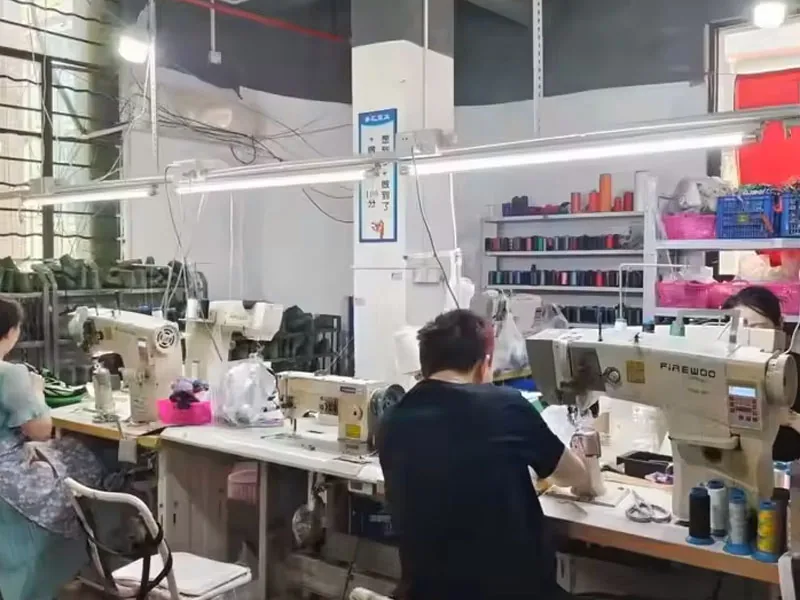
- Does the supplier have dedicated slipper/slide production lines and sample-room staff? Verifies that the factory can handle the specific construction, lasting, and outsole methods for slipper slides without reallocating capacity from other footwear categories. Supplier confirms a separate slipper/slide production area and a sample-room technician who has produced at least three approved reference samples this season. A general footwear line may produce inconsistent sole adhesion or uneven strap alignment, leading to sample rejections and delayed approval. Request a factory layout photo or video showing the dedicated slipper/slide line and sample room.
- Does the supplier require a signed sample approval form and a sealed reference sample before bulk production? Establishes a clear approval gate that prevents the factory from starting production without buyer sign-off, reducing the risk of unauthorized runs. Supplier states that bulk cutting begins only after the buyer returns a signed approval form and the factory retains a sealed reference sample (golden sample). Without this gate, the supplier may proceed with production based on verbal approval, leading to costly mismatches between sample and bulk goods. Include a clause in the purchase order that ties the production start to receipt of the signed approval form and sealed reference sample.
- Does the supplier keep a record of previous slipper slide sample approvals and the corresponding production outcomes? Reveals whether the supplier uses historical data to improve sample accuracy and avoid repeating past mistakes in construction or material selection. Supplier can provide a sample approval log showing dates, spec changes, and production results for at least three past slipper slide programs. A supplier without a record system may repeat the same sample errors across different buyers, wasting time and samples. Request a redacted sample approval log entry from a recent slipper slide order to assess the supplier's traceability.
Compare Quote and Production Assumptions
When the supplier response deviates from the approved spec—such as an unverified sole density or ambiguous colorfastness—the buyer must resolve the ambiguity before proceeding. The control is a structured checklist that flags mismatches between the quote, sample, and production assumptions.
Practical Checklist
- Verify that the quoted unit cost matches the approved sample’s material and construction specs.
- Confirm that the MOQ stated in the RFQ aligns with the supplier’s production batch size for blog.
- Check that the production timeline assumes the same tooling and mold setup as the sample approval.
- Ensure that any cost-saving assumptions (e.g., alternative sole compound) are documented and approved.
Use this table to cross-check key variables:
| Checkpoint | Specs | Quote | Sample |
|---|---|---|---|
| Material density | 0.45 g/cm³ | 0.45 g/cm³ | 0.44 g/cm³ |
| Colorfastness | Grade 4 | Grade 4 | Grade 3-4 |
| Mold cavity | Single | Single | Single |
After the table, reconcile any discrepancies with the supplier before the RFQ handoff. This step prevents production risks like material substitution or mold mismatch.
Run the Review Before Approval
At this checkpoint, the buyer must confirm that the supplier response aligns with the approved specification, sample, and quotation. The output required before moving to the next stage is a verified checklist showing no unresolved discrepancies in specs, cost, or production risk.
Questions to send back to the supplier
- Does the sample match the approved spec for material, color, and construction?
- Are the RFQ-confirmed cost and MOQ reflected in the final quote?
- What is the confirmed lead time based on the sample approval?
- Are there any deviations from the original RFQ that require buyer approval?
When to revise, escalate, or reject
If the supplier response includes changes to specs or cost not previously agreed, the buyer should request a revised quote or sample. Escalate when the supplier cannot provide evidence of compliance with the approved spec. Reject if the response introduces production risks or cost increases beyond the RFQ-confirmed threshold.
Use the table below to document key checks during review:
| Check Item | Supplier Response | Buyer Decision |
|---|---|---|
| Spec compliance | Matches approved sample | Approve |
| Cost alignment | Within RFQ-confirmed range | Approve |
| Production risk | No new risks identified | Approve |
| Execution capability | Factory has capacity per RFQ | Approve |
After completing the review, ensure all discrepancies are resolved and documented before proceeding to the next stage.
Move from Review to RFQ or Sample
When the supplier response shows an unverified sole density or ambiguous colorfastness claim, the buyer must resolve that ambiguity before proceeding. The control is a verification checklist that ties each spec line to a confirmed test method or buyer-asked question.
Inputs to include in the next message
- Confirmed requirement: sole density per applicable market compliance evidence or equivalent, with test report attached.
- Buyer verification question: ‘Has the supplier run a 24-hour rub test for colorfastness on the upper material? Provide results.’
- Cost or MOQ: Request a line-item breakdown for the approved spec, not a lump sum.
- Production risk: Ask for a written statement on sole adhesion failure rate over the last 12 months.
- Factory execution: Require a photo of the production line with the approved sample and spec sheet visible.
Ownership and sign-off for the next gate
Before moving to RFQ or sample, the buyer must confirm that the supplier has answered all verification questions and provided evidence. The sign-off is a simple email or system update: ‘All spec points verified; proceed to RFQ/sample.’
| Checkpoint | Buyer Action | Supplier Evidence Required |
|---|---|---|
| Spec alignment | Compare supplier response to approved spec | Test report for sole density, colorfastness |
| Cost breakdown | Request line-item pricing per approved spec | Quotation with material, labor, overhead |
| Production risk | Ask for defect history on sole adhesion | Written statement with failure rate |
| Factory readiness | Verify sample matches production line | Photo of line with sample and spec sheet |
Once the buyer has collected and reviewed these assets, the handoff to RFQ or sample is clean and traceable. No ambiguity remains about what was approved and what is being quoted or sampled.
Source check: ISO 2859-1 sampling inspection standard; Custom Size & Low MOQ Slippers: A Complete B2B Guide for Southe….
For slipper slides workflow, use private label footwear programs to align the product baseline, sample evidence, packing record, and quote owner before order release.
In conclusion
The sourcing choice for slipper slides ultimately depends on how thoroughly you verify each sample against your approved spec, cost assumptions, and production timeline. Before moving to bulk, confirm that the sample matches your material, size, and construction requirements, then document any deviations with the supplier. Use the quality inspection checklist to check for defects, color consistency, and sole adhesion, and ensure the proof requirements—such as a sealed golden sample and signed approval form—are completed before production begins. This diligence reduces the risk of costly rework or shipment delays.
When reviewing the supplier’s quote, compare the MOQ and per-pair cost against your budget and order volume, and verify that the lead time aligns with your schedule. For sample approval, plan for 7 to 15 days after you provide clear specs; once the sample is approved, standard production typically takes 35 to 45 days. If the supplier cannot meet these timelines or the sample fails your checks, shortlist alternative factories before committing to a purchase order. Document every handoff—from sample request to final approval—so both parties have a clear record of what was agreed.
Slipper Slides Sample Approval Workflow FAQ
What should buyers confirm first?
Buyers should first confirm that the slipper slides sample matches the approved specification sheet, including material type, sole hardness, color code, and size-run dimensions. Check the supplier’s cost breakdown against the sample, confirm the MOQ per style, and request the sample lead time (typically 7–15 days after spec confirmation) to align with your production schedule. Approving the wrong structure or supplier proof can create quality, cost, or delivery problems.
Which proof should be retained for approval and reorders?
Retain the signed sample approval form, a sealed reference sample (golden sample), and detailed photos with measurement notes for both approval and reorder consistency. For reorders, compare the new production sample against the golden sample to verify material, color, and fit, and document any deviations before bulk production begins.
Which warning signs should stop the order?
Stop the order if the supplier cannot provide a sample that matches the approved spec within the agreed lead time, or if the sample shows poor workmanship, material substitution, or dimensional errors. Also halt if the supplier refuses to share a QC report or third-party test results, as this signals production risk that could delay delivery or affect final quality.
RFQ handoff: Send Specs for Review.