









The sourcing record for leather boot OEM audit is incomplete until it supports this Compare suppliers, factory proof, samples, MOQ, lead time, and risk signals.
Leather boot audits turn on tannery traceability and lasting capability. Both are verifiable on site and almost never in a brochure.
Direct answer: For leather boot OEM audit, buyers should compare suppliers, factory proof, samples, MOQ, lead time, and risk signals.
Define the Buyer Decision for Leather Boot Oem Supplier Audit Checklist
Compare the decision criteria for leather boot OEM against one RFQ revision. Each row should identify the requirement, approval evidence, and buyer action before production.
| Requirement | Factory control | Evidence to verify | Order risk | RFQ follow-up |
|---|---|---|---|---|
| Sample approval | Counter samples must match approved reference on construction, fit, and material. | Inspect first article against signed spec sheet; measure all critical points. | Deviation in sample approval delays production and may cause order cancellation. | Request counter sample with full measurement report before production release. |
| MOQ and order quantity | Factory confirms minimum per style, colorway, and size run before quoting. | Review written MOQ policy; verify capacity for your target order volume. | Under-ordering triggers premium per pair; over-ordering ties up working capital. | Ask for MOQ breakdown by style and negotiate volume breaks in RFQ. |
| Material / substrate | Incoming leather lots are tested for thickness, grain, and tensile strength. | Request mill test certificate and cross-check against approved material swatch. | Substituted substrate alters durability, appearance, and may fail end-use requirements. | Specify material grade in RFQ and require pre-production material approval. |
| Width or size tolerance | Factory uses graded last system with the buyer-approved tolerance on width measurements. | Measure sample pairs on a calibrated last; compare to size specification chart. | Loose tolerance causes fit returns; tight tolerance increases rejection rate. | Define acceptable width deviation in the spec sheet and confirm during sample approval. |
| Finish or color control | Each dye lot is checked against a sealed master color standard under buyer-approved viewing conditions. | Conduct visual and spectrophotometer comparison; require pass/fail report per batch. | Color variation between production runs leads to mismatched pairs and customer complaints. | Submit finish standard with RFQ; request lab dip approval before bulk production. |
For leather boot OEM, use the decision criteria as the decision scope. Read the rows as one approval sequence. Start with sample approval; use the risk and buyer-action columns to decide whether its evidence is sufficient. Verify it with the inspection method and approval evidence recorded in the table.
For this leather boot OEM sourcing record, keep the supplier response, marked sample, and approval owner under the same revision number. If any proof conflicts with the approved record, hold the quote, sample, or production release until the supplier explains the deviation in writing. Before closing the checkpoint, reconcile the latest drawing, sample, quotation, and approval comments, identify which record controls if they disagree, and document the resolution. Carry the signed the decision criteria table into the purchase order and production handoff so the same checks support quote comparison, sample approval, shipment release, and later reorders.
Questions to confirm before ordering:
- What is the supplier's documented method for verifying upper leather thickness and tensile strength before cutting? Leather variance directly affects boot durability and fit consistency across production runs. Supplier provides a written spec sheet with tolerance ranges and shows in-process thickness checks using a calibrated gauge. Accepting verbal assurance may lead to rejected uppers during final inspection or inconsistent shaft stiffness. Request a copy of the leather incoming inspection protocol and a sample test record from the last three lots.
- Does the factory maintain separate last and size-grading records for each boot style in production? Mismatched lasts cause sizing drift, heel-slip complaints, and higher return rates in private-label programs. Factory shows a last library with style-specific records and a documented size-grading chart signed by the sample-room manager. Without records, a reorder may produce boots that fit differently than the approved sample. Verify during the factory walkthrough that the last used for your sample matches the production last on file.
- How does the supplier control sole adhesion and cement application during the lasting and bottoming stages? Sole separation is a top field failure for leather boots and often traces back to inconsistent cement application or cure time. Factory uses a timed cement-drying rack, records temperature and humidity in the lasting area, and performs a peel test on every shift's first pair. Skipping adhesion checks can result in a container of boots with delaminated soles, triggering chargebacks from retailers. Ask for the adhesion test log from the last three production orders and confirm the test method matches your spec.
- What is the supplier's procedure for approving a bulk production sample before cutting begins? A signed bulk sample approval locks the material, construction, and fit, preventing unauthorized changes during production. Supplier requires a written sign-off from both the buyer and their own QC manager before releasing the cutting ticket. Without a formal approval gate, the factory may start bulk on a verbal go-ahead, then ship boots that differ from the sealed sample. Include a sample-approval form in your RFQ that specifies the sign-off steps and the deadline for submission.
- Does the factory have a dedicated inspection point for finished boots before packing, and what AQL level is applied? A final inline inspection catches defects like loose stitching, sole gaps, or lining wrinkles before the boots are boxed. Factory uses a documented the agreed sampling plan normal inspection for finished boots, with a separate inspector who does not report to production. Without a final check, defective boots reach the carton, leading to costly sorting at the destination warehouse. Request the factory's AQL chart and inspection report template, and confirm the inspector's independence during the audit.
Confirm Product and Order Scope
| Option | Best fit | Trade-off | Risk to avoid | Verification | Follow-up |
|---|---|---|---|---|---|
| Split leather upper, cemented construction | Budget-friendly boot for light-duty use; faster production | Shorter lifespan; cannot be resoled | Adhesive failure in wet conditions if cement process is rushed | Request peel-test report and humidity-cure time from factory | Include peel-test pass/fail in inspection checklist |
| Nubuck leather upper, direct-inject PU sole | Casual or fashion boot with soft feel; consistent sole bond | Nubuck requires special care; PU may hydrolyze in storage | Color variation across dye lots; sole hardness mismatch | Review dye-lot continuity plan and PU density spec with supplier | Approve sealed color standard and sole hardness test method |
| Synthetic leather upper, stitch-and-turn construction | Vegan or low-cost entry boot; quick sample turnaround | Less breathability; synthetic wear pattern differs from leather | Supplier may use non-spec backing material that delaminates | Confirm backing fabric type and adhesion test in audit | Verify backing material on first production sample |
Evaluate Confirm Product and Order Scope as one decision scope. Use this decision matrix as an approval sequence, not as a supplier claim. For split leather upper, cemented construction, a poor decision can mean adhesive failure in wet conditions if cement process is rushed. Request peel-test report and humidity-cure time from factory, then include peel-test pass/fail in inspection checklist.
For the split leather upper, cemented construction checkpoint, keep the supplier response, marked sample, approved specification, quotation, and approval owner under the same revision number. If the evidence conflicts with the approved record, hold the quote, sample, or production release until the deviation is explained in writing. Carry the signed decision record into the purchase order, production handoff, shipment release, and later reorder review so every team works from the same baseline.
Material and specification fit
For OEM and ODM footwear manufacturing, the leather type and construction method define the boot's durability, cost, and resale position. Compare the supplier's offered material against your spec sheet. A full-grain upper with Goodyear welt suits heavy use but raises cost. Split leather or synthetic options lower price but reduce lifespan. Always request a sealed sample and material certificate before approving.
MOQ, cost structure, and lead time
Standard manufacturing orders start at 1000 pairs per category, with allocation by style, colorway, size run, and packaging confirmed in the quotation. Sample lead time is 7-15 days after specs are confirmed; bulk production takes 35-45 days after sample approval. Negotiate cost breaks on repeat orders, but do not assume lower MOQ without a confirmed production slot.
Supplier reliability and quality checks
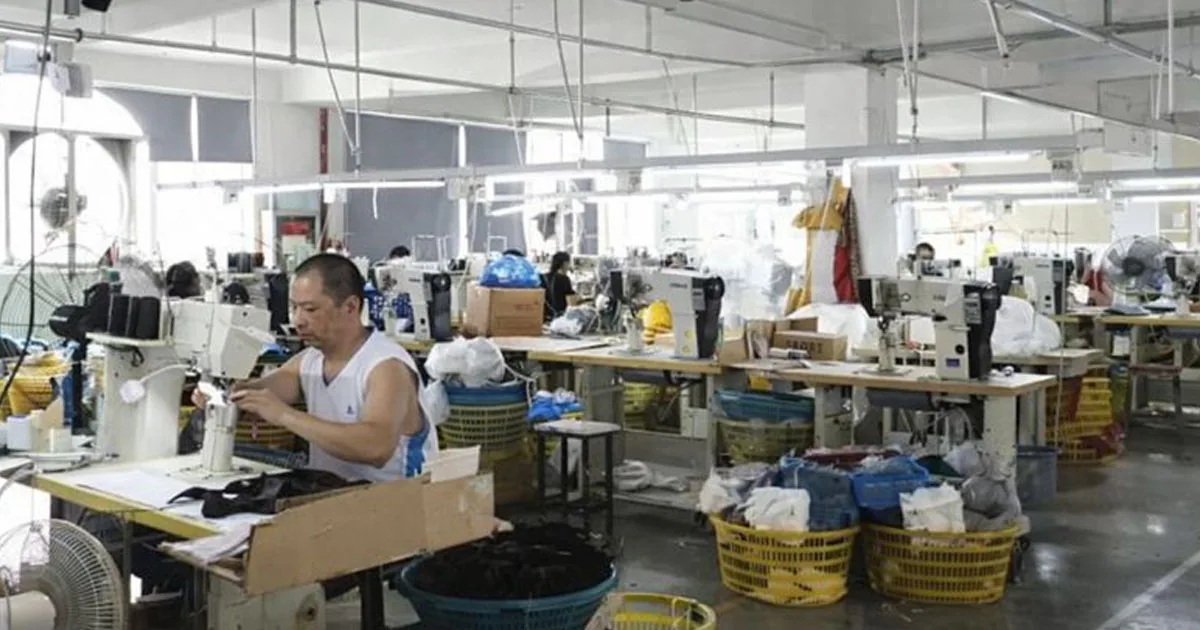
Audit the supplier's sample room and QC bench for leather grading, stitching consistency, and sole adhesion tests. Request a factory inspection report or third-party audit covering business license, export license, and ISO 9001 certification. Verify that the supplier has experience with your chosen construction method. A failed peel test or inconsistent dye lot signals production risk.
Build the Verification Checklist
At this process checkpoint, the output that must exist before the next stage is a completed verification checklist that confirms each supplier meets your technical and commercial requirements. Use this ordered list to build your own checklist.
- Specs Verification – Confirm that leather type, thickness, stitching gauge, sole construction, and hardware match the approved sample spec sheet. Cross-check against the quote request revision.
- Cost or MOQ Alignment – Validate that the quoted unit price and minimum order quantity (minimum order) are within the agreed range. Any deviation requires a written explanation from the supplier.
- Production Risk Assessment – Review the factory’s production plan for lead time buffers, material sourcing risks, and contingency for defects. Flag any single point of failure.
- Factory Execution Audit – Inspect on-site quality control checkpoints, including incoming material inspection, in-process checks, and final packing. Ensure traceability records are maintained.
- quote request/Sample Handoff – Verify that the final quote request document and approved sample are physically or digitally handed off to the production team. Document the handoff date and responsible parties.
Use this checklist as a gate before moving to production approval. The KEYTOP editorial team writes B2B footwear sourcing guides from approved company facts. For more on OEM procurement strategy, see solutions.
Compare Quote and Production Assumptions
for this order, treat the listed items as quote request inputs. Match each buyer input to written supplier confirmation, approval evidence, and the risk that would hold the quote.
- Confirm leather type, thickness, and construction method per quote request spec sheet. Specification alignment prevents material substitution that alters boot durability and cost. Split leather upper with cemented construction; supplier must provide a cut sample for thickness gauge check. Factory may use lower-grade leather or change construction, leading to sole separation or appearance rejects. Document approved spec sheet and attach to quote for production reference.
- Verify minimum order per style, colorway, and size run against the quoted category baseline. minimum order mismatches cause order delays or force overcommitment on slow-moving sizes. Standard manufacturing orders start at 1000 pairs per category; confirm allocation by style, color, and size run. Supplier may split orders or charge premium for below-minimum order runs, inflating unit cost. Shortlist only suppliers whose quote matches your order quantity range.
- Check lead time from sample approval to bulk shipment against production slot availability. Lead time gaps disrupt launch calendars and inventory planning. Standard production lead time is 35–45 days after sample approval and material confirmation. Unconfirmed slot may push delivery past season window, incurring airfreight or markdowns. Approve quote only after supplier confirms a reserved production slot in writing.
- Identify the primary cost driver: material, labor, or tooling per pair. Knowing the cost driver lets you negotiate where margin is thinnest or substitute materials. Leather grade and cemented construction labor are the top cost drivers for this boot style. Supplier may hide cost allocation, making price comparisons across quotes misleading. Request a cost breakdown by component before shortlisting.
- Document buyer follow-up on sample approval and QC benchmarks before bulk production. Unresolved sample feedback leads to production errors and rework costs. Check stitching tolerance, leather grading, and sole adhesion against approved sample. Bulk run may deviate from sample, resulting in failed inspection or return at KEYTOP factory. Set a written approval gate for sample sign-off before releasing production order.
Run the Review Before Approval
At this process checkpoint, the output that must exist before the next stage is a completed verification checklist that confirms each quote request requirement against supplier documentation. The buyer must have written confirmation for every critical spec, cost term, and production risk factor before authorizing sample development or bulk production.
Questions to send back to the supplier
Send these questions to the supplier as part of the final quote request review. Each answer must be documented and traceable to a specific email or signed document.
- What is the confirmed leather type, thickness, and finish for the upper, and does it match the approved sample swatch?
- What is the exact unit price per pair at the agreed minimum order, and does it include all tooling, packaging, and freight charges?
- What is the confirmed lead time from order confirmation to shipment, and what are the penalties for delay?
- What quality checks are performed at each stage (cutting, stitching, lasting, finishing), and are inspection reports shared with the buyer?
- What is the process for handling defective or non-conforming pairs, including replacement timeline and cost responsibility?
When to revise, escalate, or reject
Use the following decision criteria to determine the buyer follow-up. Each row corresponds to a specific quote request-confirmed requirement.
| Requirement | Supplier Confirmation | Action |
|---|---|---|
| Leather spec matches swatch | Yes / No | If No, revise spec or reject |
| Price within budget | Yes / No | If No, escalate to renegotiate |
| Lead time acceptable | Yes / No | If No, revise schedule or reject |
| Quality plan documented | Yes / No | If No, escalate for clarification |
| Defect handling defined | Yes / No | If No, revise terms or reject |
If any requirement is not confirmed, do not proceed to sample handoff. Revise the quote request, escalate to a senior buyer, or reject the supplier based on the table above.
Move from Review to RFQ or Sample
Before advancing to quote request or sample request, verify that the completed audit checklist includes measurable proof of factory execution. For example, a confirmed sample measurement record or a signed production risk assessment form ensures the decision is based on verifiable data, not assumptions.
Inputs to Include in the Next Message
- Specifications: Finalized leather grade, thickness, stitching density, and hardware type with tolerance ranges.
- Cost or minimum order: Unit price breakdown by component (leather, sole, lining, labor) and minimum order quantity per style.
- Production Risk: Factory’s documented defect rate from last three production runs and corrective action records.
- Factory Execution: On-time delivery percentage for past orders and lead time adherence evidence.
- quote request/Sample Handoff: Written confirmation of sample type (e.g., counter sample, salesman sample) and delivery timeline.
Ownership and Sign-Off for the Next Gate
Assign a single owner (e.g., sourcing manager) to compile the checklist and obtain sign-off from quality assurance and production teams. The sign-off must include a dated approval stamp or digital signature before proceeding to quote request or sample request.
| Checkpoint | Required Evidence | Owner |
|---|---|---|
| Specs verified | Signed spec sheet | Product developer |
| Cost confirmed | Quotation with valid date | Sourcing manager |
| Production risk assessed | Risk assessment report | Quality engineer |
| Factory execution reviewed | Performance scorecard | Supply chain lead |
Once all inputs are documented and signed off, the quote request or sample request can be issued. This structured handoff reduces rework and ensures alignment between buyer and supplier.
Source check: ISO 2859-1 sampling inspection standard; OEM/ODM Manufacturing Services Procurement Guide: Supplier .; The OEM Audit Checklist: 50 Questions to Ask Before Signing.
In conclusion
The sourcing choice for a leather boot OEM comes down to how thoroughly you compare, verify, and document each supplier’s capability against your specification, cost/minimum order structure, and quality risk. By checking that the completed audit checklist includes confirmed leather type, construction method, sizing, and packaging details, you can shortlist only those factories that provide clear specification sheets and signed sample approval records. This disciplined approach ensures that when you request a quote or approve a sample, the supplier has already demonstrated the process proof needed to move forward with confidence.
To request a quote for the current product, use boots products to confirm the final specification, quote assumptions, sample approval, QC evidence, approval risk, and supplier follow-up before bulk order.
Leather Boot Oem Supplier Audit Checklist FAQ
What should buyers confirm first?
It depends on the leather boot specification, including leather type, construction method, and hardware. Check that the supplier can meet your exact specification, confirm the minimum order per style and colorway, and request a lead time estimate. Verify the supplier’s experience with boot production and request references for similar orders. Document all specifications in the quote request and confirm the sample timeline. Approving the wrong structure or supplier proof can create quality, cost, or delivery problems.
Which proof should be retained for approval and reorders?
Retain a signed sample approval record that includes the approved specification, material swatches, and color standards. Store a sealed reference sample for each approved style and colorway. Document the sample approval date and any revisions. For reorders, confirm that the supplier still holds the same materials and tooling, and request a new pre-production sample if the original approval is older than the supplier’s standard validity period. Approving the wrong structure or supplier proof can create quality, cost, or delivery problems.
Which warning signs should stop the order?
Stop the order if the supplier cannot provide a clear specification sheet or sample approval record, or if they refuse to share material sourcing details. Also stop if the lead time is significantly longer than the standard 35–45 days after sample approval, or if the minimum order is non-negotiable without a clear reason. Verify the supplier’s production capacity and request a factory audit report. If the supplier avoids sample QC steps, do not proceed. Approving the wrong structure or supplier proof can create quality, cost, or delivery problems.
quote request handoff: Send Specs for Review.