








White label sneakers vs custom sneakers need a written specification before the buyer can plan custom artwork, dielines, samples, finishes, and production handoff; otherwise suppliers may quote different product and approval assumptions.
White label and custom differ in MOQ, development cost, and lead time — three numbers that rarely move in the same direction.
Direct answer: For white label sneakers vs custom sneakers, lock measurable specifications, application constraints, supplier evidence, and the next approval action before comparing options.
How buyers should compare white label sneakers vs custom sneakers before choosing
The route names are useful only when both sides define what is already fixed and what the buyer may change. Here, white label means an existing factory platform with buyer branding and agreed cosmetic options; ODM modification means adapting an existing last, outsole, or pattern within a documented change scope; full OEM development means producing from buyer-controlled specifications that may require new patterns, components, lasts, or tooling.
| Option | Best fit | Risk to avoid | Verification check | Follow-up |
|---|---|---|---|---|
| White label | A launch that can use an existing model, last, outsole, and construction with authorized branding and selected available options | Limited structural change and non-exclusivity may conflict with differentiation or fit requirements | Review the current model specification, component availability, branding proof, fit sample, and written non-exclusivity terms | Lock selected options, artwork, packing, and the approved sample revision |
| ODM modification | A buyer who wants defined upper, material, color, or branding changes while retaining an existing platform | Each modification can reopen fit, bonding, color, cost, and schedule assumptions | Review the change list, platform references, revised sample, affected tests, cost ownership, and deviation record | Approve every affected field before production handoff |
| Full OEM development | A buyer who needs buyer-controlled specifications, fit targets, size grading, materials, construction, and packing | Incomplete inputs can create repeated revisions, tooling exposure, and an unstable production baseline | Review the tech pack, tooling schedule, material confirmations, size-run approval, test plan, and handoff record | Release production only after the complete development package is signed |
- Which last, outsole, pattern, and materials remain fixed? Ask because the route label does not define the change scope. The risk is approving a route that cannot support the intended fit or design. Request the current platform specification, then mark every fixed and variable field in the RFQ.
- Who owns the design files, tooling, and approved changes? Ask before development cost is committed. The risk is a later dispute over reuse or revisions. Request written ownership and storage terms, then include them in the approval record.
- Which components are current and which are made to order? Ask to expose availability, separate minimums, and schedule conditions. The risk is a quote that changes after sampling. Request a component-status list, then price unresolved items separately.
- What de-identified approval records can be reviewed? Ask to inspect the control process without exposing another buyer. The risk is relying on a generic capability claim. Request scrubbed examples with sample, method, result, owner, and disposition fields, then verify the same fields will be used for this order.
- What event reopens sample approval? Ask to control changes after sign-off. The risk is production using an unapproved material, artwork, or construction revision. Request the change-control rule, then name the buyer role authorized to release a revision.
KEYTOP’s confirmed baseline MOQ is 1,000 pairs per category, subject to confirmation by style, colorway, size run, material, packing, and schedule. It should not be described as universally “low,” and it does not prove that every route has identical commercial conditions.
What white label sneakers vs custom sneakers inputs buyers should prepare before RFQ
Build one RFQ revision that names the intended route, controlling product requirements, approval evidence, and release owner. Suppliers can then quote the same scope and flag any field their current platform cannot support.
| Requirement | Factory control | Evidence to verify | Order risk | RFQ follow-up |
|---|---|---|---|---|
| Finish or surface effect | Check gloss level, texture, and adhesion against approved sample. | Visual inspection under standard lighting; compare to physical reference. | Inconsistent finish, peeling, or color shift in bulk production. | Request RFQ with finish specification and sample approval. |
| Artwork or logo file | Verify logo placement, size, color accuracy, and resolution. | Measure placement coordinates; compare Pantone against approved proof. | Wrong logo, misalignment, or color mismatch after production. | Supply vector artwork; request artwork proof approval before sampling. |
| Sample approval | Confirm sample matches all spec dimensions, materials, and construction. | Measure against tech pack; check fit, components, and finish. | Mass production of incorrect design leads to full order rejection. | Approve sample in writing before bulk production starts. |
Review casual sneakers products to identify the platform evidence that should accompany the quote request.
Before sending the file, identify which fields are fixed by an existing platform and which require fresh development. Name the last, outsole, upper package, size run, artwork, retail packing, testing responsibility, and approved substitution rule. Ask each factory to return exceptions against the numbered revision rather than rewriting the scope in its own quotation. This makes missing capability or evidence visible before the buyer compares price, sample work, or production readiness.
quote request checkpoint
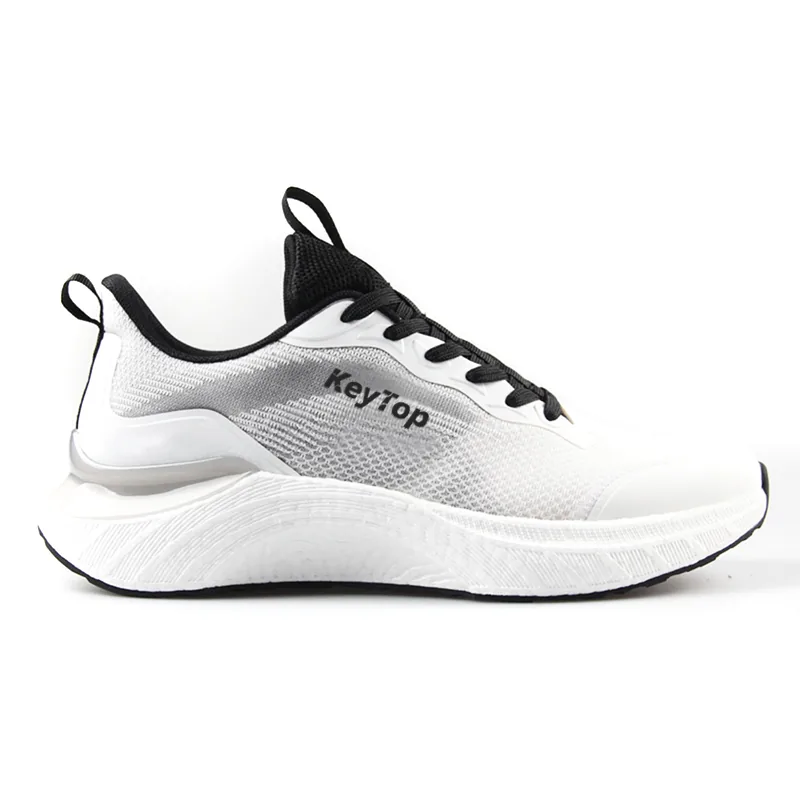
How buyers should approve white label sneakers vs custom sneakers samples before production
- White label sole mold and outsole pattern approval: Unapproved mold change delays production and increases tooling cost Buyer and factory QC manager Compare mold revision number against approved sample record Document mold approval in production handoff before bulk order
- Custom sneaker material specification and color dip sign-off: Material substitution without approval causes color mismatch and order rejection Buyer design lead and supplier material team Match lab dip to approved color standard under buyer-approved viewing conditions; record buyer-approved color tolerance Hold production start until signed lab dip and material spec are filed
- Artwork and logo placement approval for white label branding: Misaligned logo or artwork version error leads to scrap at final inspection Buyer brand manager and factory artwork coordinator Overlay approved artwork PDF on sample photo; confirm pantone and position Lock artwork revision in spec sheet and provide print-ready file to supplier
- Production sample approval with signed gate release: Bypassing sample sign-off allows mass production of incorrect design Buyer and supplier quality manager Verify fit, size grading, construction, and packaging against approved spec Issue signed approval email before factory proceeds to bulk production
If a revised component or approval changes the material-booking sequence, request the lead time consequence in writing. Carry the signed sample record into the footwear products before bulk release.
How MOQ, development cost, and lead time differ by route
Do not assume that a route label determines the final MOQ, price, or calendar. The quote must connect the chosen platform, requested changes, component availability, approvals, and production slot. KEYTOP’s approved baseline is 1,000 pairs per category, with the exact program confirmed by style, colorway, size run, material, packing, and schedule.
MOQ and component availability
An existing platform may reduce the number of new components to source, but branding, colors, materials, size coverage, and packing can still introduce separate minimums or availability constraints. Ask the supplier to identify which components are current, which are made to order, how the category baseline is allocated, and what changes if a component becomes unavailable. Keep product MOQ and packaging-supplier minimum order as separate quote lines.
Development work and approval ownership
List every required output: artwork proof, material confirmation, fit sample, color approval, size-run check, tooling trial, test record, and production handoff. For each output, name the owner, included revision scope, change charge, and approval authority. A full-OEM route may require more of these outputs, but the decisive issue is the documented work package, not the label itself.
Lead-time exposure when specifications change
KEYTOP’s confirmed sample range is 7–15 days after usable requirements and specifications are confirmed. Standard production is 35–45 days after specifications, sample approval, material assumptions, packing, and production slot are confirmed. These are conditional baselines, not promises for unresolved development. If the buyer changes tooling, material, color, size run, or packing after approval, the supplier should reissue the affected cost and schedule rather than silently carrying the old dates forward.
| Quote field | White label | ODM modification | Full OEM |
|---|---|---|---|
| Starting platform | Identify current model and available options | Identify retained platform and approved change scope | Identify buyer specification and new development scope |
| One-time cost | Artwork, proofs, or setup where applicable | Pattern, material, or tooling changes | New development, tooling, trials, and approvals |
| Readiness condition | Model and component availability confirmed | Modified sample and affected tests approved | Complete handoff and all required approvals released |
Use OEM and ODM footwear manufacturing to confirm which development outputs, component constraints, quality checks, and cost lines belong to the selected route before accepting the quote.
What records keep repeat orders consistent after approval
Before sampling, the buyer must assemble a single approval file that ties the spec sheet, artwork, sample record, QC checks, and reorder change rules. Without this file, repeat orders drift—materials change, artwork shifts, and inspection standards reset. The shortlist decision depends on whether the supplier can produce a traceable record that a new order can be checked against.
Approved specification and artwork files
Verify that the final vector artwork, Pantone color references, material spec, and size-run chart are locked in a single revision. The sample room should retain the approved artwork batch number and spec sheet version. Risk: a misprinted logo or wrong material grade in a reorder is traced back to an unapproved file. Check: ask the supplier to confirm the file revision number and store it in the quote request.
Sample, QC, and deviation records
The signed sample approval must include photos, measurement notes, and a list of any deviations accepted. QC records should show incoming material, in-line, and final inspection results. Without deviation records, a reorder may repeat a one-time fix as a permanent change. Verify: request a QC report with pass/fail criteria and the sample version used. Document the exact sample number and inspection date.
Reorder change-control responsibility
Define who can approve a change and what evidence is needed. Common risk: the supplier adjusts a material or color without written approval, then the reorder arrives different. The factory should have a written change-control procedure that names the decision owner and acceptance threshold. For more on reorder controls, see the blog.
- Lock the final artwork and spec sheet in one revision file before sampling.
- Approve the sample with photos, measurements, and a deviation list.
- Require QC reports covering incoming, in-line, and final inspection tied to the sample version.
- Document a change-control procedure with named owner and acceptance threshold.
- File the complete approval record so a reorder can be checked against the same reference.
Source check: ISO 2859-1 sampling inspection standard.
For white label sneakers vs custom sneakers, use footwear sourcing solutions to align the product baseline, sample evidence, packing record, and quote owner before order release.
In conclusion
Choose the route by the control your launch actually needs, not by the shortest label. White label can work when an existing platform, limited change scope, and non-exclusivity are acceptable. ODM modification fits when the buyer needs defined changes to an existing platform. Full OEM fits when buyer-controlled specifications and development ownership justify the added approval work.
Before shortlisting, require one comparison record covering route definition, fixed and variable components, authorized design assets, ownership, sample outputs, QC evidence, commercial conditions, and reorder control. Confirm KEYTOP’s category minimum order and timing baselines against the exact style, colorway, size run, material, packing, and production schedule. Then release the route only when its current sample and specification revision are signed.
Compare the signed route record with the private label footwear programs before requesting an quote request. This matching commercial route shows why platform scope, supplier capability, sample evidence, and cost drivers must be reviewed together; a mismatch can reopen development after selection.
KEYTOP’s ISO 9001 quality-management-system status can support the factory-screening file, while the 1,000-pair category baseline still has to be allocated against the selected route, style, colorway, size run, material, packing, and schedule.
White label sneakers vs custom sneakers FAQ
What should buyers confirm before ordering White Label Sneakers Vs Custom Sneakers?
Confirm the route definition, fixed platform, allowed changes, design and tooling ownership, material availability, sample outputs, size coverage, QC records, packing, and reorder rights. For any branding, supply original or authorized assets. KEYTOP’s 1,000-pair-per-category baseline still needs program-level confirmation by style, colorway, size run, material, packing, and schedule.
How should buyers compare MOQ, lead time, and quote terms?
Use the same cost worksheet for every route: product, material, tooling, artwork, sample, testing, packing, freight assumptions, revision charges, and reorder cost. KEYTOP’s sample range is 7–15 days after usable specifications are confirmed, and standard production is 35–45 days after all production-readiness conditions are met. Ask the supplier to mark which conditions are already resolved for each route.
What sample, quality, or supplier checks reduce risk?
For white label, verify the current platform, component availability, branding proof, fit, and non-exclusivity terms. For ODM, verify every modification and any affected fit, bonding, color, or test requirement. For full OEM, verify the tech pack, tooling, size grading, materials, tests, and handoff. Use de-identified sample records to inspect the supplier’s process without requesting confidential buyer identities.
quote request handoff: Send Specs for Review.