







Introduction
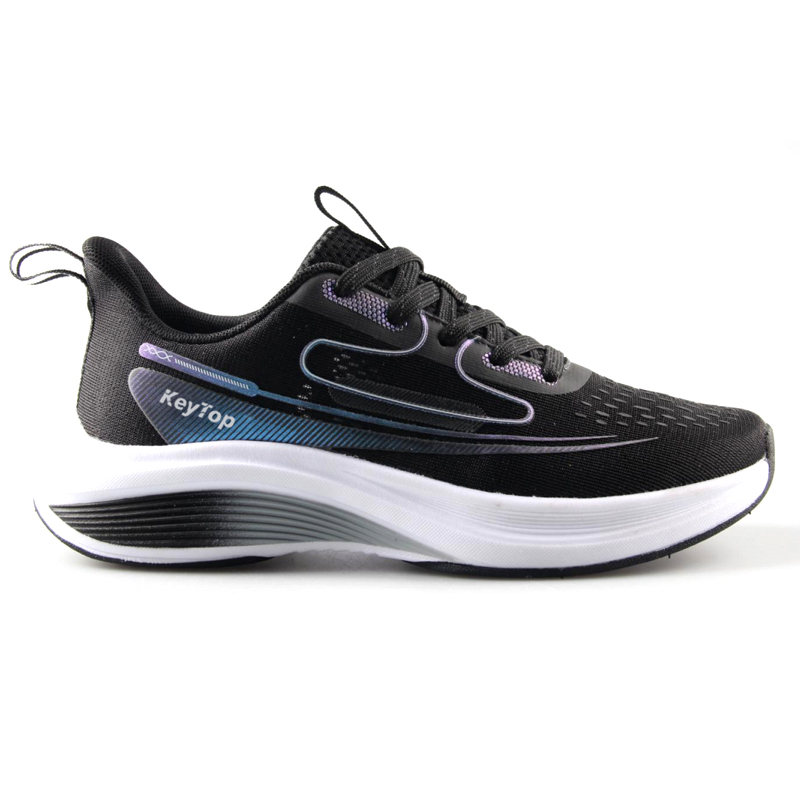
Casual sneakers are lifestyle sneaker styles with sport-inspired construction, while casual shoes cover broader daily footwear such as slip-ons, loafers, vulcanized shoes, and relaxed lace-up shoes.
Importers should choose between casual sneakers and casual shoes by retail channel, season, price band, material system, branding plan, and how much product variation they can control in the first order.
Buyers usually want a fast price, but footwear orders become safer when the buyer first controls the product brief. Category, material, MOQ, size range, branding, packaging, sample approval, QC, and shipment timing all affect whether a supplier can give a useful answer.
This guide is written for importer / retailer buyers who are planning casual footwear orders and want a clearer sourcing discussion before deposit.
Keytop’s documented baseline should stay practical: MOQ is commonly planned around 1,000 pairs by category, sample lead time is 7-15 days depending on order details, and bulk lead time is 35-45 days after approval. These are planning references, not a substitute for a written project confirmation.
Industry Truth: A low opening quote does not protect the buyer if the sample, packaging, size run, or approval record is unclear.
Why This Topic Matters For B2B Buyers
A footwear buyer is not only buying shoes. The buyer is buying a controlled workflow that turns a commercial idea into a sample, a bulk order, and a shipment-ready product.
If the early brief is weak, the supplier must guess. A guessed material, guessed size run, or guessed packing method can create a sample that looks acceptable but fails later when the order moves into bulk production.
The right discussion should make hidden assumptions visible. The buyer should know what the supplier thinks is included, what is still open, and what must be approved before production starts.
For casual footwear orders, the main control points are usually product type, material direction, sample process, MOQ, size range, logo scope, packaging, carton records, QC checkpoints, and export communication.
Send your product category, target quantity, logo scope, packaging needs, and delivery window. Keytop will review the project fit and confirm the next sampling step.
Real-World Use Cases For Casual Footwear Buyers
Real-world use cases help the supplier understand what the buyer is trying to sell. The same product can require different decisions if it is sold by a retailer, ecommerce brand, importer, or distributor.
Use case 1: A retailer needing everyday sneakers for youth and adult buyers. The buyer should write the category, intended quantity, size range, logo scope, packaging needs, and timing before asking for a final quote.
Use case 2: A distributor adding slip-ons or casual lace-ups to a value range. The buyer should write the category, intended quantity, size range, logo scope, packaging needs, and timing before asking for a final quote.
Use case 3: An ecommerce brand testing a logo sneaker against a broader casual shoe line. The buyer should write the category, intended quantity, size range, logo scope, packaging needs, and timing before asking for a final quote.
The buyer does not need to solve every detail before first contact. The buyer does need to separate known facts from open questions. A supplier can help refine the order only when the starting point is clear.
Common Mistakes Buyers Make
A sourcing mistake is an unclear decision that lets the supplier and buyer move forward with different assumptions.
These mistakes often stay hidden until sampling, packing, or inspection. By then, the buyer may face revised pricing, delayed approval, or a bulk order that does not match the sales plan.
| Mistake | Buyer Risk | Better Approach |
|---|---|---|
| Using both terms as the same category | The factory may quote the wrong construction. | Define the exact shoe type. |
| Mixing too many silhouettes | MOQ and size planning become harder. | Start with one category direction. |
| Ignoring channel fit | Retail presentation may not match customer demand. | Match category to channel and season. |
| Leaving packaging generic | Brand or retail requirements may be missed. | Confirm box and carton needs early. |
The safer approach is to force important decisions into the RFQ stage. A clear RFQ does not need to be long. It needs to name the decisions that affect sample, cost, MOQ, packaging, and QC.
How To Control The Process
A controlled process moves from category fit to sample approval, then from approval to bulk production. Each step should reduce uncertainty before the next step begins.
- Choose the sales channel first. This step keeps the buyer and factory working from the same assumptions.
- Define whether the product is sneaker-led or broader casual footwear. This step keeps the buyer and factory working from the same assumptions.
- List material, outsole, logo, and packaging needs. This step keeps the buyer and factory working from the same assumptions.
- Confirm MOQ by style, color, and size. This step keeps the buyer and factory working from the same assumptions.
- Sample the category that has the clearest commercial use. This step keeps the buyer and factory working from the same assumptions.
- Use sales data before expanding into the second category. This step keeps the buyer and factory working from the same assumptions.
This process protects both sides. The buyer gets clearer answers, and the factory avoids quoting a project that later changes direction.
Buyer Checklist
Use this checklist before confirming a sample, deposit, or bulk order.
- [ ] Retail channel is defined.
- [ ] Main footwear category is clear.
- [ ] Material direction is written.
- [ ] Size run is planned.
- [ ] Logo and packaging needs are listed.
- [ ] MOQ is checked by category.
- [ ] Sample approval owner is named.
A checklist cannot replace supplier communication, but it helps the buyer ask better questions. It also creates a written record that can be reviewed before production begins.
What Buyers Should Ask Suppliers
Supplier questions should be specific enough to reveal how the order will be handled. General answers such as “we can do it” or “quality is good” do not show enough control for a B2B footwear order.
| Decision Point | What Buyer Should Confirm | Risk If Unclear |
|---|---|---|
| Casual sneakers | Brand-led sneaker programs | More outsole and logo decisions |
| Slip-on casual shoes | Easy daily footwear lines | Fit and size consistency |
| Loafers | Smart casual retail range | Upper material and finishing |
| Canvas/vulcanized | Simple lifestyle range | Color and outsole bonding checks |
| Mixed assortment | Distributors with broader channels | SKU and carton complexity |
If a supplier cannot answer these questions clearly, the risk is not only price. The bigger risk is that the order may move forward with open decisions.
How To Keep The First Order Narrow
Many buyers want a complete product range immediately. That can work for mature teams, but it can create unnecessary risk for a first supplier relationship.
A narrow first order lets the buyer test the category, supplier communication, sample process, packaging workflow, and inspection standard. After the buyer has sales feedback and shipment experience, it becomes easier to add styles, colors, and packaging variants.
A narrow order can still be commercially useful. It should focus on the product with the clearest demand, the simplest approval path, and the strongest fit with the buyer’s channel.
FAQs For Buyers
Are casual sneakers and casual shoes the same?
No. The terms overlap in retail language, but sourcing decisions can be different.
Which is better for a first private-label order?
The better choice is the one with clearer channel demand, fewer SKU decisions, and simpler approval requirements.
Can one supplier handle both categories?
A supplier can review both if the product scope fits its range, but buyers should separate quotes by category.
Should packaging differ by category?
It can. Sneakers, loafers, and slip-ons may need different box, label, or carton plans.
Conclusion And Next Steps
Casual Sneakers vs Casual Shoes: Which Category Should Importers Source? is not only a keyword topic. It is a sourcing control topic.
Buyers get better results when they define category, quantity, material direction, sample approval, packaging, and QC before the order becomes urgent.
Send the product type, intended quantity, size run, logo scope, packaging needs, market, and delivery window. Keytop can review whether the project fits its current footwear range and confirm the next practical sampling step.