
Footwear to bulk deviation approval OEM (original equipment manufacturer) needs a written specification before the buyer can verify samples, materials, print, tolerances, certifications, and bulk-production risk; otherwise suppliers may quote different product and approval assumptions.
Define how a proposed difference from the golden sample will be reviewed before bulk release. For a branded order, keep the private-label requirements with that review so artwork, components and packing changes follow the same approval record.
Direct answer: Approve footwear to bulk deviation approval OEM only when the production-intent sample, test evidence, tolerances, and release record all refer to the same controlled revision.
Define the approved sample baseline
| Requirement | Factory control | Evidence to verify | Order risk | RFQ follow-up |
|---|---|---|---|---|
| Material / substrate | Lock upper, lining, outsole, and adhesive references against approved sample. | Inspect swatches, compare supplier batch labels, and flex-test trial panels. | Unapproved substitutions change handfeel, bonding, costing, and buyer claims exposure. | Request RFQ (request for quotation) material breakdown and approve any alternative before bulk booking. |
| Sample approval | Freeze golden sample status with signatures, date, style, colorway, and size. | Sample-approve against measurement sheet, photo marks, and last confirmed comments. | Ambiguous approval lets bulk teams choose convenience over buyer intent. | Ask for sealed duplicate samples before shortlisting the production supplier. |
| Width or size tolerance | Set last, insole, and finished shoe fit checkpoints per size run. | Measure pairs across the size run with calibrated gauges and fit notes. | Tight or loose bulk fitting increases returns and market complaints. | Request RFQ tolerance notes and approve corrective actions before release. |
| Finish or color control | Define color standard, gloss level, texture, and acceptable shade movement. | Compare bulk uppers under agreed light, then inspect cleaned outsole edges. | Shade drift creates mixed cartons, markdown pressure, and retailer rejection. | Ask for lab dips or panels, then approve the control limit. |
| Packing format | Confirm shoebox, tissue, hangtag, carton mark, and pair orientation. | Inspect pilot cartons, drop-check handling simulation, and verify shipping marks. | Wrong packing raises freight disputes, warehouse delays, and presentation damage. | Request RFQ packaging specification and supplier follow-up on carton artwork. |
The comparison turns on how tightly the approved pair, written specification, and factory control plan describe the same product. Once that baseline is signed, any later variation becomes a managed exception rather than a casual production judgment. For KEYTOP lifestyle or outdoor footwear OEM work, buyers should keep approval language practical, linking visible appearance, fit intent, packaging expectation, and supplier responsibility in the written approval file.
Approval should trigger a sourcing decision, not just a quality note. If the supplier cannot restate the baseline and the acceptable deviation path, bulk production may carry avoidable rework, carton dispute, or sell-through risk. The next buyer action is to request the RFQ in writing, confirm all commercial numbers there, and ask for a controlled pre-production sample before release.
Questions to confirm before ordering:
- Record approved sample code, last number, colorway, materials, trims, packaging, and tolerances. Locks the commercial baseline before the factory prices or cuts bulk materials. Compare signed sample, tech pack, BOM (bill of materials), and marked photos on the QC bench. Uncontrolled substitutions can trigger disputed claims, rework, or shipment rejection. Issue one signed baseline file before purchase order release.
- Verify outsole compound, upper pattern, stitching density, logo position, and size grading rules. Small construction drift changes fit, appearance, carton allocation, and buyer acceptance. Check bulk pre-production pairs against sample-room records and buyer-approved dimensions. Factory interpretation may replace the buyer standard with a workable internal version. List any deviation as approve, reject, or remake before cutting.
- Define acceptable shade, glue line, bonding, cleanliness, and packaging variance. Clear QC limits stop inspectors treating normal variance as random judgment. Use photo standards and inspection notes, not verbal sample-room comments. Borderline pairs pass inconsistently, creating avoidable chargebacks and sorting costs. Add the limits to the inspection checklist before bulk inspection booking.
- Require comparison samples from the first bulk line before full output. Early line proof shows whether approved details survive production tooling and labor. Match first-line pairs to the signed sample under the same lighting. Late discovery leaves only discount, repair, or delayed shipment options. Hold written release until buyer or authorized QC signs the comparison.
- Document approved deviations with owner, date, reason, scope, and affected SKUs. Procurement needs traceability when reordering, disputing invoices, or briefing another factory. Check the change log against the purchase order and final inspection report. Unrecorded approvals can repeat as permanent defects in the next order. Attach the signed change log to the reorder package and production briefing.
Classify sample-to-bulk deviations
- Supplier submits bulk material swatch that differs from approved sample: A material substitution without prior approval can alter fit, durability, or appearance, leading to rejected finished goods and rework costs. Compare the swatch against the approved sample under consistent lighting and note any variance in color, texture, or thickness. Request the supplier's incoming material inspection report and a side-by-side photo of the swatch next to the approved sample. Place the deviation on hold until the buyer's quality team reviews the material evidence and issues a written decision.
- Supplier fails to document the deviation in a change-control file: Without a written record, the deviation may be repeated in future orders, causing inconsistent quality and no audit trail. Insist that the supplier create a deviation summary sheet with the updated spec, a marked photo, and the approval date. Request a copy of the deviation summary sheet and the updated golden sample label before bulk production begins. Store the approved deviation pair alongside the original golden sample and attach the change-control file to the purchase order.
- Supplier proposes a material change for outdoor footwear products without cost impact analysis: A hidden cost increase may erode margin, and the new material may not meet the required durability or weather resistance for outdoor footwear products. Ask the supplier to provide a cost breakdown and a material performance test report for the proposed substitute. Request the supplier's cost impact statement and a lab test certificate showing the material meets the original specification tolerances. Review the cost and test data, then issue a formal approval or rejection with a clear reason documented in the change-control file.
RFQ checkpoint
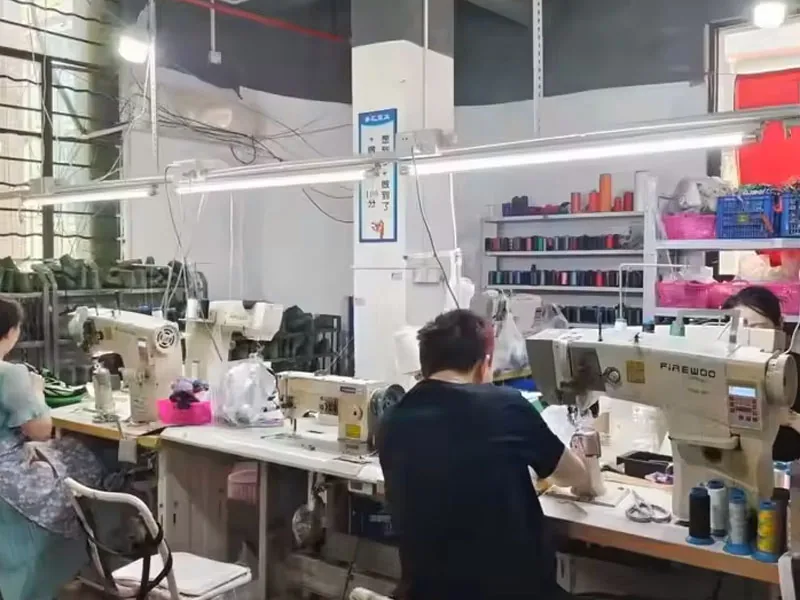
Inspect the pilot and early bulk output
- Pilot run matches approved sample dimensions and material specs: Signed pilot inspection report with measured tolerances and material batch IDs Supplier QC manager Bulk output may deviate from sample, causing fit or durability failures Compare report against golden sample spec before releasing bulk production
- Supplier has verified inline QC during pilot run: Inline QC checklist with pass/fail records for each assembly station Supplier production supervisor Undetected defects compound in bulk, raising the rejection rate Request a copy of the checklist and flag any station with repeated failures
- Deviation from sample is documented and approved before bulk: Deviation approval form with spec change, reason, and buyer sign-off Supplier sourcing or quality manager Unapproved deviations lead to costly rework or shipment rejection Verify the form is signed and filed with the golden sample record
- Pilot run output is within agreed lead time and production slot: Pilot run completion certificate with date and production line ID Supplier production planner Delayed pilot compresses bulk schedule, risking missed delivery window Confirm the pilot date against the production schedule and adjust bulk slot if needed
- Supplier has capacity to scale pilot output to bulk without quality loss: Capacity utilization report for the assigned production line Supplier operations manager Overloaded line causes rushed work and inconsistent quality in bulk Review the report and request a buffer line if utilization is above the agreed level
Approve exceptions and corrective actions
- Document the approved deviation pair: Store the approved deviation pair alongside the original golden sample Attach a deviation summary sheet with updated spec and marked photo Supports deviation traceability and identifies changed inputs that need inspection review Send the supplier the deviation summary sheet before bulk production
- Check lead time impact: Confirm the deviation does not delay the production slot Provide a revised production schedule if the deviation changes material or assembly Avoids missed delivery dates and air freight costs Compare the revised schedule against the original PO delivery window
- Verify quality control parameters: Inspect the deviation against the written specification tolerance Submit a QC report showing the deviation is within agreed limits Catches out-of-tolerance deviations before bulk production Approve the QC report or request a re-sample
Supplier evidence to request
Before approving a deviation, identify the affected construction and agree the checks needed for that change. Request the marked-up specification, identified sample photos and the relevant check records, including the named method, conditions, observed results and agreed acceptance criteria. Compare those records with the approved sample; an email, specification or photo alone does not establish wear performance or guarantee later bulk results.
Sample approval evidence
Compare the approved deviation sample against the original golden sample side by side. Check for differences in material, color, stitching, and fit. If the deviation changes the last or sole, identify the affected fit or construction checks and agree which evidence is needed for that change. Where a wear-test report is required, retain its sample identity, method, conditions, observed results and agreed acceptance criteria. Use this check to compare the inspected production evidence with the approved sample and document any differences before deciding on release.
Reorder control records
When a deviation is approved for one order, it does not automatically apply to reorders. Document the deviation in a change-control file and attach it to the original spec. Before the next order, confirm with the supplier that the deviation is still valid or needs re-approval. This prevents repeat issues and keeps your spec library clean. For more on managing reorder specs, see our blog.
Control reorders after release
Once a deviation is approved, the golden sample and change-control file become the binding reference for the next order. Review the earlier approved change against the materials, process and conditions of the proposed reorder. Obtain a new buyer decision for any change that the earlier approval did not cover.
Golden-sample and change-control files
Store the approved deviation pair alongside the original golden sample. Attach a change-control record that lists the specific spec change, the date of approval, and the authorized signatory. This file is the single source of truth for production and quality teams.
Supplier handoff for the next order
Send the supplier a deviation summary sheet with the updated spec, a marked photo of the changed area, and the inspection criteria for that feature. Confirm receipt and understanding before the next PO is issued.
Practical checklist for reorder control
- Verify the deviation pair is physically labeled and stored with the golden sample.
- Update the change-control file with the approved spec, date, and signatory.
- Send the supplier a deviation summary sheet including a marked photo and inspection criteria.
- Confirm which earlier disposition remains applicable and obtain a new buyer decision for any changed or uncovered requirement.
- Include the deviation reference in the next PO and inspection instructions.
For each reorder, compare the actual lot and change-control evidence with the approved deviation and record unresolved differences before release. The checklist itself does not prove that a deviation was followed in subsequent production.
Inspection scope: ISO 2859-1 attributes sampling supports an agreed lot-inspection plan. Keep a sample-to-bulk deviation in its own record: affected component, specification revision, evidence, buyer disposition and scope of any carryover.
For footwear to bulk, use footwear sourcing solutions to align the product baseline, sample evidence, packing record, and quote owner before order release.
In conclusion
The final approval of a footwear deviation from sample to bulk production records the agreed change and the evidence reviewed before release; it does not guarantee freedom from rework or delivery delays. Before you sign off, check that the supplier’s written proof covers the exact spec change, cost impact, and any MOQ or lead time adjustment. Compare the approved deviation sample against the original golden sample side by side, document the differences on a deviation summary sheet, and store both pairs together for future reference. Use the checklist to compare each factory’s documented process and sample evidence with the approved specification. Record unresolved questions before supplier selection; a completed checklist does not guarantee future production quality.
To request a quote for footwear to bulk, use OEM and ODM (original design manufacturer) footwear manufacturing to confirm the final specification, quote assumptions, sample approval, QC evidence, approval risk, and supplier follow-up before bulk order.
Sample-to-bulk deviation FAQ
What must match the approved sample?
Every measurable parameter on the approved sample must match bulk production: materials, construction, color, fit, and finish. Shortlist only suppliers who provide a written deviation report for any change, then compare the deviation sample side-by-side with the original golden sample under controlled lighting. Verify that the cost impact and MOQ adjustment are documented in the RFQ before approving any material or construction substitution.
Who should approve a deviation?
The buyer’s quality or sourcing manager must approve every deviation in writing, never the factory QC alone. Check that the supplier’s deviation request includes a root-cause explanation, a risk assessment for production consistency, and a sealed deviation sample. Document the approval on a change-control form and attach it to the original spec file, then confirm the lead time impact and any sample re-approval cycle before releasing bulk production.
Next step: Send Specs for Review.