B2B footwear manufacturing programs start at 1,000 pairs. Allocation is confirmed in the quotation.

Buyer sourcing guide

Footwear Restricted-Substances Document Request Checklist

Footwear Restricted-Substances Document Request Checklist

Footwear restricted substances test report document checklist is hard to compare when buyers do not define the intended use, fit target, sample checks, and size-run approval path before quotation.

For footwear restricted substances test report document checklist, compare suppliers by the shoe samples, measurement records, material confirmations, and QC evidence behind the quote.

The checks below help buyers compare footwear samples and quotations against one written approval record.

Direct answer: For footwear restricted substances test report document checklist, the real decision is whether the locked specification, factory proof, and signed sample result, quotation assumptions, and approval owner describe the same order.

Buyer approval record — footwear restricted substances test report document checklist

Copy this footwear restricted substances test report document checklist approval record into the RFQ file. Keep every checked item on the same revision before releasing the order.

  • ☐ Final specification and intended use
  • ☐ Supplier feasibility and documented exceptions
  • ☐ Sample or inspection evidence
  • ☐ Commercial assumptions, owner, decision, and date
Four-gate order-release map — footwear restricted substances test report document checklist
1 · Define
Use case and written specification
2 · Prove
Supplier feasibility and sample evidence
3 · Compare
Commercial assumptions and exceptions
4 · Release
Decision, owner, date, and revision

Move the footwear restricted substances test report document checklist order forward only when each gate leaves written evidence for the next. Return an unresolved specification, sample, or quote exception to its owner before bulk production.

Map the footwear BOM before requesting reports

OptionBest fitTrade-offRisk to avoidVerificationFollow-up
Upper leather, lining, sock, outsole compound, and lace supplierSingle-source BOM with one RSL per material layerFewer test reports to manage but higher risk if one supplier fails complianceA missing RSL for a secondary component can halt production at final inspectionCross-check each BOM line item against the supplier's RSL certificate number and test dateRequest the RSL for each material layer before the first sample is cut
Colorway-specific dye and finish batch recordsSeparate test reports for each color variant in the same styleMore reports to file but eliminates color-based compliance gapsA single batch of dark-dye upper may exceed heavy-metal limits while the light version passesCompare the dye-lot number on the test report to the batch used in the approved sampleAsk the supplier to provide batch-level RSL data for each colorway before bulk production
Destination-market restricted substances list (EU REACH, US CPSIA, China GB)Align the test scope to the final retail market's legal limitsNarrower test scope reduces cost but may miss substances regulated in other regionsSelling into the EU with a US-only RSL can trigger a recall and market banConfirm the lab test method matches the destination market's official RSL versionSpecify the target market's RSL edition in the RFQ and require the lab to cite it on the report
Adhesive, cement, and solvent supplier declarationsInclude volatile organic compound (VOC) limits in the RSL scopeAdding VOC testing raises per-material cost but avoids odor and off-gassing complaintsUnchecked adhesives can cause insole delamination and fail physical durability testsRequest the adhesive supplier's safety data sheet and cross-reference the VOC content against the RSL thresholdAdd a line item in the BOM for adhesive RSL and request a signed declaration from the glue supplier

For footwear restricted substances test report document checklist, evaluate Map the footwear BOM before requesting reports as one decision scope. Use this decision matrix as an approval sequence, not as a supplier claim. For upper leather, lining, sock, outsole compound, and lace supplier, a poor decision can mean a missing rsl for a secondary component can halt production at final inspection. Ask the supplier to cross-check each bom line item against the supplier's rsl certificate number and test date, then request the rsl for each material layer before the first sample is cut. For colorway-specific dye and finish batch records, a poor decision can mean a single batch of dark-dye upper may exceed heavy-metal limits while the light version passes. Ask the supplier to compare the dye-lot number on the test report to the batch used in the approved sample, then ask the supplier to provide batch-level rsl data for each colorway before bulk production. For destination-market restricted substances list (eu REACH, us cpsia, china gb), a poor decision can mean selling into the eu with a us-only rsl can trigger a recall and market ban. Ask the supplier to confirm the lab test method matches the destination market's official rsl version, then specify the target market's rsl edition in the rfq and require the lab to cite it on the report.

For the upper leather, lining, sock, outsole compound, and lace supplier checkpoint in footwear restricted substances test report document checklist, keep the supplier response, marked sample, approved specification, quotation, and approval owner under the same revision number. If the evidence conflicts with the approved record, hold the quote, sample, or production release until the deviation is explained in writing. Carry the signed decision record into the purchase order, production handoff, shipment release, and later reorder review so every team works from the same baseline.

Materials, components, colors, and suppliers

Map every material layer, component, colorway, and supplier to a single BOM line before requesting any restricted substances test report. A missing line for a lining or adhesive can cause a compliance gap that stops production. Use the BOM as the master checklist so each test report covers exactly one material, one color, and one supplier batch.

Buyer and destination-market inputs

The buyer must provide the target market's restricted substances list edition and any retailer-specific limits before the supplier selects a lab. Without this input, the test scope may miss regulated substances, causing a failed final inspection. Confirm the lab's accreditation covers the required test methods for the destination market's RSL version.

Review report identity and scope

For footwear restricted substances test report document checklist, compare Review report identity and scope against one RFQ revision. Each row should identify the requirement, approval evidence, and buyer action before production.

SpecificationQuality controlVerification methodRisk to avoidBuyer action
Sample approvalVerify sample RSL report matches BOM line and colorway.Cross-check sample ID, dye lot, and test report date.Approving sample without matching RSL report halts production.Request signed sample approval record with RSL reference.
Material / substrateConfirm material composition and RSL certificate per substrate.Compare supplier RSL certificate against material spec sheet.Missing RSL for lining or adhesive causes compliance gap.Obtain RSL for each material layer before sample cut.
Width or size toleranceCheck width tolerance against spec and RSL test method.Measure sample width; compare to approved spec range.Out-of-tolerance width may indicate different material batch.Collect width measurement report with sample submission.
Finish or color controlVerify dye lot matches RSL data for each colorway.Compare dye-lot number on test report to batch used.Dark-dye batch may exceed heavy-metal limits while light passes.The buyer should request batch-level RSL data for each colorway before bulk.
Packing formatEnsure packing label cites RSL edition and lab accreditation.Inspect label for market-specific RSL version and test method.Missing RSL edition on label can trigger recall at customs.Require lab to cite target market RSL edition on report.

For footwear restricted substances test report document checklist, use Review report identity and scope as the decision scope. Read the rows as one approval sequence. Start with sample approval because approving sample without matching rsl report halts production. Verify it by asking the supplier to cross-check sample id, dye lot, and test report date. Then resolve material / substrate; missing rsl for lining or adhesive causes compliance gap., so request rsl for each material layer before sample cut. Finish with width or size tolerance, confirm that the supplier can measure sample width; compare to approved spec range., and request width measurement report with sample submission.

Keep the footwear restricted substances test report document checklist supplier response, marked sample, and approval owner under the same revision number. If any proof conflicts with the approved record, hold the quote, sample, or production release until the supplier explains the deviation in writing. Before closing the checkpoint, reconcile the latest drawing, sample, quotation, and approval comments, identify which record controls if they disagree, and document the resolution. Carry the signed Review report identity and scope table into the purchase order and production handoff so the same checks support quote comparison, sample approval, shipment release, and later reorders.

Use outdoor footwear products to place review report identity and scope in the wider buying path.

RFQ checkpoint

Review the supplier route for footwear restricted substances test report document checklist

Confirm the route, specs, proof requirements, and quote step before sampling footwear restricted substances test report document checklist.

Review OEM and ODM Footwear Manufacturing

Footwear restricted substances document review
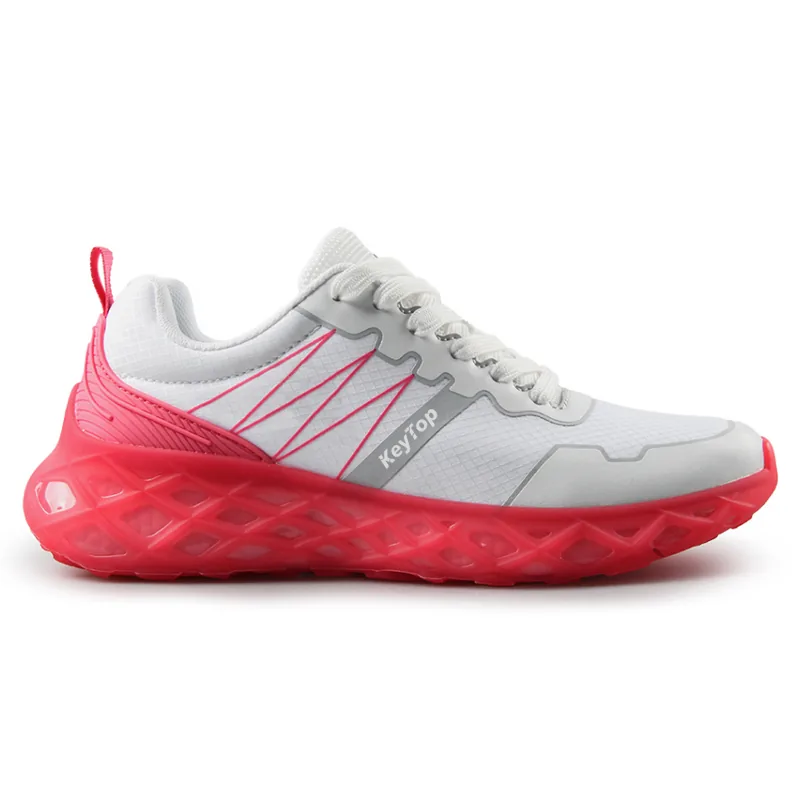
Image note: existing KEYTOP media provides project context only; it is not article-specific approval evidence.

Find evidence gaps before approval

Start Find evidence gaps before approval with evidence for footwear restricted substances test report document checklist:

  • BOM-to-report cross-reference: Each material layer in the BOM must have a corresponding RSL test report to avoid a compliance gap. Compare every BOM line item to the RSL certificate number and test date on the supplier's report. A missing RSL for a secondary component can halt production at final inspection. Request the RSL for each material layer before the first sample is cut.
  • Lab test method alignment: The test method must match the destination market's official RSL edition to ensure regulatory acceptance. Confirm the lab's test method citation matches the target market's RSL version (e.g., EU, US CPSIA, China GB). Using a non-compliant test method can cause a false pass or a market recall. Specify the target market's RSL edition in the RFQ and require the lab to cite it on the report.
  • Sample identity match: Approving a sample without a matching RSL report can halt production and create rework. Ask the supplier to cross-check the sample ID, dye lot, and test report date against the approved sample. A sample approved based on the wrong report leads to a compliance gap and production delays. Hold sample approval until the RSL report matches the sample ID and batch.
  • Batch-level colorway data: A single dark-dye batch may exceed heavy-metal limits while the light version passes, causing batch failure. Compare the dye-lot number on the test report to the batch used in the approved sample for each colorway. Batch-level variation in restricted substances can cause a failed final inspection and rework. Request batch-level RSL data for each colorway before bulk production begins.

Use private label footwear programs to place find evidence gaps before approval in the wider buying path.

Request and compare supplier documents

The main failure mode in Request and compare supplier documents is approving footwear restricted substances test report document checklist before the supplier has resolved the listed evidence gaps.

  • Which lab accreditation does the supplier hold for the test methods cited in the RSL? A test report is only valid if the issuing lab is accredited for the specific methods required by the destination market's RSL edition. Supplier provides the lab name, accreditation body, scope of accreditation, and validity dates, matching the methods listed in the RSL. Accepting a report from a non-accredited lab can result in failed final inspection, recall, or market ban. Verify the lab's accreditation online via the accreditation body's directory before approving the report.
  • How does the supplier cross-reference each BOM line item to its corresponding test report number and test date? Each material layer—upper, lining, sock, outsole compound, lace—must be covered by a separate test report to avoid compliance gaps. Supplier provides a matrix linking every BOM component to a specific report number, test date, and material batch. Missing a single component can halt production at final inspection or cause a shipment rejection. Request the BOM-to-report matrix before sample approval and hold it under the same revision as the approved spec.
  • How does the supplier ensure test method consistency across multiple production batches for the same material type? Changing test methods or labs between batches makes reports incomparable and may miss regulated substances specific to the original method. Supplier uses the same lab and test method version per material type, and maintains a method-version log for each material code. Inconsistent methods can hide a substance that is only tested under one method, leading to a compliance gap in subsequent batches. Request the method-version log at the time of each batch report submission and compare it to the original approved method.

Document request checklist

Obtain the supplier's lab accreditation certificate, the BOM-to-report cross-reference matrix, batch-level test reports for each colorway, and the non-conformance procedure. Include the target market's RSL edition and any retailer-specific limits in the request. Confirm each document references the same RFQ revision to prevent misalignment between the quote, sample, and production handoff.

Scope comparison table

Compare the test report's scope—material type, test method, RSL edition, and batch number—against the BOM line item and approved sample. Verify that every material layer, colorway, and supplier batch is covered. Mark any mismatch as a critical deviation that must be resolved before sample approval, and carry the signed comparison into the production release gate.

Before comparing suppliers, review blog for the related product or solution route.

Control substitutions and reorders

An unclear approval record or vague specification on a reorder can trigger a full retest cycle, adding two to three weeks and unexpected cost. For outdoor footwear, where materials like waterproof membranes or rubber outsoles are often substituted between seasons, the factory needs explicit evidence that the new batch matches the original restricted-substances profile. Without a documented version trail, the production line may proceed with an unverified material, raising the risk of a failed audit at final inspection.

When updated evidence is required

Any change in supplier, colorant, or adhesive formulation—even if the article number stays the same—demands a fresh test report. The factory execution team should flag these substitutions at the RFQ stage, not after sampling.

Approval and version records

Maintain a simple table linking each material to its approved report ID and revision date. This prevents the commercial team from quoting on an outdated spec and ensures the sample handoff includes the correct document set.

MaterialApproved Report IDRevision Date
Upper leatherRS-2024-0452024-03-10
Rubber outsoleRS-2024-0672024-05-22
Lining meshRS-2024-0892024-07-01

When a reorder is placed, cross-check the version record against the current supplier declaration. If the revision date is older than 12 months or the supplier has changed, request updated evidence before approving the purchase order.

Source check: Understanding Chemical And Physical Requirements For Footwear; SKECHERS rESTRICTED SUBSTANCES LIST. Use these research sources as context, then record the project-specific acceptance rule, evidence owner, and approval step in the RFQ or quality file.

In conclusion

The final approval for a footwear restricted substances test report rests on a single cross-check: verify that every material layer, colorway, and supplier batch in the BOM is tied to a test report that cites the correct destination-market RSL edition. Compare the supplier’s cross-reference matrix against the approved sample and specification; any mismatch in dye lot, substrate, or test method is a critical deviation that must be resolved before production release. This verification protects against retest costs, compliance delays, and audit failures at final inspection. Once the matrix is signed off, you can approve the sample and carry the same revision into the purchase order, ensuring the quote, sample, and production handoff all refer to the same compliance baseline.

To approve a sample, visit OEM and ODM footwear manufacturing and confirm the final specification, quote assumptions, sample approval, QC evidence, approval risk, and supplier follow-up before bulk order.

Restricted-substances document FAQ

Does one report cover every SKU?

Only if every SKU shares the same material, colorway, dye lot, and supplier batch. A single report covers one material layer, one color, and one production batch. Ask the supplier to provide a separate test report for each SKU’s upper, lining, outsole, and any adhesive or lace, and cross-check each report against the BOM line item and dye-lot number. Confirm the report cites the correct destination-market RSL edition, and request batch-level data for each colorway before bulk production. Compare the supplier’s cross-reference matrix against the approved sample; any mismatch is a critical deviation that must be resolved before production release.

What can buyers verify without legal conclusions?

Buyers can verify that the test report’s scope—material type, test method, RSL edition, and batch number—matches the BOM line item and approved sample. Check that the lab’s accreditation covers the required test methods for the destination market’s RSL version, and confirm the supplier’s dye-lot number on the report matches the batch used in the approved sample. Request the supplier’s lab accreditation certificate and non-conformance procedure, and compare the report against the RFQ revision to ensure the quote, sample, and production handoff refer to the same compliance baseline. Any deviation in substrate, test method, or RSL edition must be resolved before sample approval.

RFQ handoff: For footwear restricted substances test report document checklist, share product size, material, artwork, quantity, sample need, packing method, and deadline so the RFQ can be reviewed before sample approval. Send Specs for Review.