
Footwear reorder colorway SKU control becomes difficult to approve when fit, size grading, materials, construction, and packing assumptions are split across different messages.
For footwear reorder colorway SKU control, supplier review should connect the intended use, last and fit target, materials, sample evidence, and size-run approval in one record.
The sections below turn those decisions into sample checks, supplier questions, and RFQ inputs for footwear production.
Set the procurement decision and approval boundary
Direct answer: Use this guide to turn a footwear reorder into controlled specs, risks, and RFQ questions. In this article, “Footwear Reorder Colorway Sku Control” means the buyer-side process of fixing inputs, checking supplier evidence, closing exceptions, and carrying one approved record into the order.
Prepared by KEYTOP Footwear Editorial Team: The KEYTOP editorial team writes B2B footwear sourcing guides.
Last updated: July 19, 2026 · Article revision 1.0.
Buyer scope → comparable RFQ → supplier evidence → identified physical approval → exception closure → controlled order or reorder handoff.
This guide supports procurement control and does not replace laboratory testing, project engineering, regulatory review, or a qualified professional’s decision where those are required.
A footwear reorder is ready to quote only when the buyer can identify which SKU, colorway, size-run, material, artwork, and packing baseline the supplier should reproduce. The decision is not simply whether the previous style can be made again; it is whether every proposed change is visible, evidenced, costed where necessary, and approved before production release.
| Claim or requirement | Proof to request | Who provides it | approval risk | Buyer action |
|---|---|---|---|---|
| Each reorder SKU and colorway matches an approved baseline | SKU list linked to the approved sample code, tech-pack revision, color reference, and artwork version | Buyer merchandiser and supplier product team | Old and new versions can be mixed, producing the wrong color, branding, or construction | Freeze one controlled baseline for every SKU before accepting the quote |
| Materials remain available without an unapproved substitution | Material confirmation showing supplier, code, color, finish, and any proposed replacement | Supplier sourcing team | A visually similar replacement can change fit, durability, shade, cost, or delivery timing | Request a replacement sample and written approval for every changed component |
| Size run, pair ratio, and carton plan are current | Reorder breakdown by SKU, colorway, size, pair quantity, carton assortment, and carton mark | Buyer planner and supplier packing team | The total quantity may be correct while sellable size ratios or carton contents are wrong | Reconcile the breakdown against the purchase order before production release |
| Every reorder change has a named owner and disposition | Change register listing request, reason, affected SKU, evidence, cost or timing effect, approver, and status | Both parties’ nominated approval owners | Verbal changes can bypass quotation, sampling, or quality controls | Keep unresolved changes open and exclude them from the approved production baseline |
The shortlist boundary is therefore evidence-based: a supplier may proceed when it acknowledges the controlled files, returns a complete exception list, and can show how the approved baseline will be carried into production records and carton identification. If any SKU or colorway cannot be traced to its approval evidence, hold that line outside the release rather than approving the reorder as one undifferentiated order.
Use the completed register when discussing retail footwear sourcing, so quotation, sample approval, and repeat-order control refer to the same commercial record.
Confirm buyer-owned specifications before supplier review
| Use case | Recommended choice | Spec note | Cost or MOQ note | Risk to avoid | Follow-up |
|---|---|---|---|---|---|
| Colorway reorder without a signed reference | Pantone code or physical swatch signed by buyer | Confirm the color standard is a signed reference, not a visual impression. | KEYTOP’s MOQ is 1,000 pairs per style, color and size (1,500 for sandals, slippers and slides). | Factory matches a different shade, causing returns or reorder mismatch. | Compare the sample against the approved color standard and ask the supplier to confirm the reference in writing. |
| Supplier shortlist without documented evidence layers | Physical sample, signed spec sheet, and material confirmation | Request three evidence layers before shortlisting: a physical sample, a signed spec sheet, and material confirmation. | Sample lead time is 7–15 days after sample requirements and usable specifications are confirmed; standard production lead time is 35–45 days after specifications, sample approval, material assumptions, packaging and production slot are confirmed. | Factory has no binding reference; every reorder introduces spec drift, color mismatch, or hidden cost increases. | Shortlist only after the supplier provides all three evidence layers; send the acceptance record with the RFQ. |
| Spec drift during reorder due to verbal assurance | Signed spec sheet with material codes and size-run tolerances | Verify the supplier marks each spec line as accepted or open; if any critical requirement remains unresolved, hold the shortlist. | Unresolved risks can shift the quote after approval, increasing the final price. | Supplier assumes a different material or construction, leading to cost overruns or reorder mismatch. | Ask the supplier to return a signed confirmation matching your inputs; send the acceptance record with the RFQ. |
| Deviation from approved spec after sample sign-off | Deviation log with date, approver, change description, and cost/timing impact | Only named individuals may approve any change after sample sign-off; verbal approvals cause rework. | Changes may affect cost or timing; document the impact in the deviation log. | Factory substitutes materials or adjusts construction without buyer consent. | Include the deviation log in the RFQ package so every quote and reorder references the same approved baseline. |
For colorway reorder without a signed reference, a poor decision can mean factory matches a different shade, causing returns or reorder mismatch. Require written proof and compare it with the approved sample or specification, then compare the sample against the approved color standard and ask the supplier to confirm the reference in writing. For supplier shortlist without documented evidence layers, a poor decision can mean factory has no binding reference; every reorder introduces spec drift, color mismatch, or hidden cost increases. Require written proof and compare it with the approved sample or specification, then shortlist only after the supplier provides all three evidence layers; send the acceptance record with the rfq. For spec drift during reorder due to verbal assurance, a poor decision can mean supplier assumes a different material or construction, leading to cost overruns or reorder mismatch. Require written proof and compare it with the approved sample or specification, then ask the supplier to return a signed confirmation matching your inputs; send the acceptance record with the rfq.
Keep the supplier response, marked sample, quotation, and approval owner under the same revision number. If the evidence conflicts with the approved record, hold the quote, sample, or production release until the deviation is explained in writing. Carry the signed decision record into the purchase order, production handoff, shipment release, and later reorder review so every team works from the same baseline.
Use outdoor footwear products to align the related specifications and RFQ inputs.
RFQ checkpoint
Match the solution route to the buyer scenario, proof requirement, and RFQ step before sampling footwear reorder colorway SKU control.
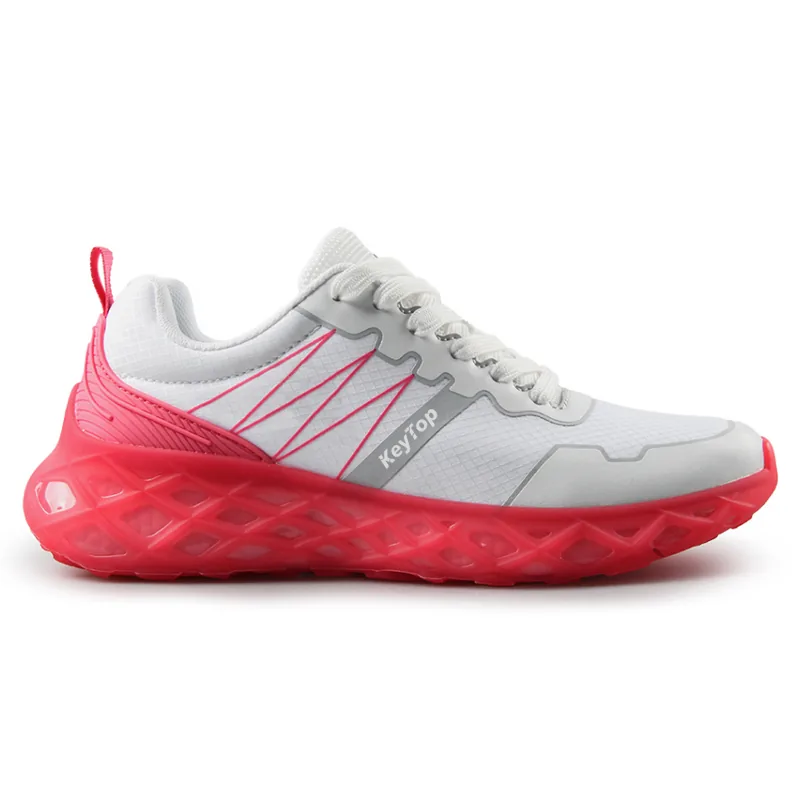
Build the SKU and colorway reorder register
- Footwear reorder colorway SKU control: Approved spec sheet, colorway references, material codes, size-run chart, packing requirements Missing these locks risks spec drift, color mismatch, and hidden cost increases on every reorder Ask supplier to return signed confirmation matching your inputs; hold shortlist if any critical requirement remains unresolved
- Supplier shortlist without documented evidence layers: Three evidence layers: physical sample, signed spec sheet, material confirmation Without binding reference, factory introduces spec drift, color mismatch, or cost overruns per reorder Shortlist only after supplier provides all three evidence layers; send acceptance record with RFQ
- Quote drift from unverified baseline: KEYTOP MOQ per style, color and size (1,000 pairs; 1,500 for sandals, slippers and slides), sample lead time (7–15 days after usable specifications are confirmed), standard production lead time (35–45 days after specifications, sample approval, material assumptions, packaging and production slot are confirmed) Supplier assumes different material or construction, causing cost overruns or reorder mismatch Send acceptance record with RFQ to lock quote to verified baseline
- In-line and final quality inspection for reorder control: Deviation log with date, approver, change description, and cost or timing impact Unapproved substitutions or construction changes cause non-conforming goods and shipment rejection Verify written record signed by buyer; include deviation log in RFQ package
Additional RFQ items include color approval traceability for reorder consistency: Signed color reference (Pantone code or physical swatch) tied to approved sample Factory may match different shade, leading to returns or mismatch Compare sample against approved color standard; ask supplier to confirm reference in writing.
For related specifications, sample inputs, and RFQ details, review OEM and ODM footwear manufacturing.
Request supplier evidence without assuming capability
Quote drift starts when the buyer assumes a supplier can reproduce a colorway or SKU without documented proof of capability. The control is a structured evidence request that separates capable factories from those that rely on verbal assurance.
For footwear reorder colorway SKU control, a buyer should request three evidence layers before shortlisting:
- Physical sample from a recent production run of a similar colorway, with a signed spec sheet and material codes attached. Risk: without this, the quote and MOQ are estimates, and reorder quality may drift.
- Verification: compare the sample against the spec sheet for material, color, and construction; document any deviations in a signed record.
- Factory-side judgment: In the sample room, confirm that the supplier retains a reference sample with a traceable ID and revision number. If the supplier may not reproduce a retained sample, pause the shortlist.
Shortlist only after the supplier provides a physical sample, signed spec, and material confirmation. This check prevents reorder variation by locking the baseline before production. Without these evidence layers, the factory has no binding reference, and every reorder introduces the risk of spec drift, color mismatch, or hidden cost increases.
Review quote or sample evidence before approval
Before sampling, the output that should exist is a documented comparison between the supplier’s quote or sample evidence and your approved spec. Without this comparison, you cannot shortlist a factory with confidence. The risk is approving a supplier whose quote assumes a different material, color, or construction than what you specified, leading to cost overruns or reorder mismatch.
- Compare the quote against your spec: verify that material, colorway, size run, and packing assumptions match the approved baseline. If the supplier quotes a generic material or a different outsole compound, flag it as an unresolved risk.
- Request a physical sample that matches the quote line. In the sample room, check that the sample’s construction, color, and finish align with the spec sheet. A sample that deviates from the quote signals a capability gap.
- Document acceptance points and unresolved risks in a single record. Acceptance points include confirmed material codes, color references, and size-run tolerances. Unresolved risks include any deviation that the supplier has not corrected or explained.
- Shortlist only after the supplier provides a signed spec confirmation that matches the physical sample. If the supplier may not reproduce this record, the quote is not verifiable, and the factory should be removed from consideration.
Acceptance points are the spec items the supplier has proven they can reproduce: confirmed material codes, color standards, and size-run tolerances. Unresolved risks are deviations the supplier has not corrected or explained. The cost driver is that an unresolved risk—such as a substitute material or unapproved color—can shift the quote after approval, increasing the final price. Verify by asking the supplier to mark each spec line as accepted or open. If any critical requirement remains unresolved, hold the shortlist until the supplier provides a corrected sample or written justification. The buyer follow-up is to send the acceptance record with the RFQ so the quote is locked to the verified baseline.
Freeze changes for bulk production or repeat orders
The main risk when freezing changes for bulk production or repeat orders is that the factory relies on the approved sample alone, leaving version, SKU, and packing changes undocumented. The control is a single change-control record that ties every revision—material, colorway, size run, artwork, and packaging—to a signed spec sheet. A supplier that can produce this record is strong enough for the shortlist; one that cannot will introduce spec drift on every reorder.
Before freezing the order, verify the supplier maintains a version log listing the date, approver, and description for every change after sample approval. The risk: a verbal adjustment to SKU width or packing carton mark becomes the default, causing reorder mismatch. Request a signed change-control record matching your approved tech pack. If any critical requirement remains unresolved, hold the shortlist. Include the MOQ breakdown (at KEYTOP, 1,000 pairs per style, color and size, or 1,500 for sandals, slippers and slides) so every cost assumption is locked to the same revision. Send the signed record with the RFQ or reorder request.
Prepare a comparable RFQ and handoff record
Before production release, the output that should exist is a single RFQ and handoff record that ties your approved spec to the supplier’s quote and sample evidence. Without this record, you cannot compare quotes accurately, and every reorder risks spec drift or cost changes. The risk is approving a supplier whose quote assumes a different material, color, or construction than what you specified.
Buyer inputs to send to the supplier
Send the supplier a structured package that includes your approved spec sheet, colorway references, material codes, size-run chart, and packing requirements. The supplier should confirm each line as accepted or note deviations. Verify by asking the supplier to return a signed confirmation that matches your inputs. If any critical requirement remains unresolved, hold the shortlist until the supplier provides a corrected sample or written justification.
- Compare the supplier’s quote against your approved spec: check material codes, color standards, and size-run tolerances.
- Obtain the supplier to mark each spec line as accepted or open; unresolved lines indicate risk.
- Document the acceptance record and send it with the RFQ so the quote is locked to the verified baseline.
- Archive the signed record as the binding reference for production and reorder.
The buyer follow-up is to send the acceptance record with the RFQ so the quote is locked to the verified baseline. For related specifications, sample inputs, and RFQ details, review retail footwear sourcing.
Record the handoff decision
Keep the controlled input revision, open exceptions, evidence received, approval owner, and buyer follow-up in the same handoff record. This lets procurement compare the supplier response against the approved baseline before quote, sample, or production release.
Buyer questions about footwear reorder colorway SKU control
Quote drift starts when the buyer assumes a supplier can reproduce a colorway or SKU without documented proof of capability. The control is a structured evidence request that separates capable factories from those that rely on verbal assurance. For footwear reorder colorway SKU control, a buyer should request three evidence layers before shortlisting: a physical sample, a signed spec sheet, and material confirmation. Without these, the factory has no binding reference, and every reorder introduces the risk of spec drift, color mismatch, or hidden cost increases.
What must be confirmed before quotation?
Before requesting a quote, confirm that the supplier has received and acknowledged your complete tech pack, including material codes, color standards, size-run chart, and packing requirements. The risk is that a supplier quoting without these details will assume a different material or construction, leading to cost overruns or reorder mismatch. Verify by asking the supplier to return a signed confirmation that matches your inputs. If any critical requirement remains unresolved, hold the shortlist until the supplier provides a corrected sample or written justification. The buyer follow-up is to send the acceptance record with the RFQ so the quote is locked to the verified baseline.
What evidence belongs in sample approval?
Approval evidence should connect the physical sample to the controlled color reference, material codes, size-run tolerances, and accepted deviations. Ask the supplier to mark every line as accepted or open; unresolved items remain outside the released reorder baseline until the buyer records a disposition.
For footwear reorder colorway SKU control, use private label footwear programs to align the product baseline, sample evidence, packing record, and quote owner before order release.
Conclusion and next procurement action
The practical decision in footwear reorder colorway SKU control is to shortlist a supplier only after you have verified three documented evidence layers: a physical sample, a signed spec sheet, and material confirmation. Without these, the factory has no binding reference, and every reorder introduces spec drift, color mismatch, or hidden cost increases. This structured evidence request separates capable factories from those relying on verbal assurance, locking the baseline before you move to the RFQ or sample handoff.
Once the evidence is approved, document the comparison between the supplier’s quote or sample and your approved spec. Include material codes, color standards, size-run tolerances, and packing requirements. Send this acceptance record with the RFQ so the quote is locked to the verified baseline. This single handoff prevents cost overruns, reorder mismatch, and production delays by ensuring every supplier works from the same approved spec before sampling or bulk production begins.
To shortlist a supplier, visit retail footwear sourcing and confirm the final specification, quote assumptions, sample approval, QC evidence, approval risk, and supplier follow-up before bulk order.
Footwear reorder colorway sku control FAQ
What should a buyer confirm for footwear reorder colorway sku control?
The buyer should confirm the approved spec sheet, colorway references, material codes, size-run chart, and packing requirements. Without these, every reorder risks spec drift, color mismatch, or hidden cost increases. Verification requires the supplier to return a signed confirmation matching your inputs; if any critical requirement remains unresolved, hold the shortlist until corrected. KEYTOP’s MOQ is 1,000 pairs per style, color and size (1,500 for sandals, slippers and slides), with no mixing to reach it; sample lead time is 7–15 days after sample requirements and usable specifications are confirmed, and standard production lead time is 35–45 days after specifications, sample approval, material assumptions, packaging and production slot are confirmed. Send the acceptance record with the RFQ so the quote is locked to the verified baseline.
What evidence should a supplier provide for footwear reorder colorway sku control?
The supplier should provide three documented evidence layers before shortlisting: a physical sample, a signed spec sheet, and material confirmation. Verbal assurance alone leads to reorder variation and cost overruns. Verify by asking the supplier to mark each spec line as accepted or open; if any critical requirement remains unresolved, request a corrected sample or written justification. The buyer follow-up is to send the acceptance record with the RFQ so the quote is locked to the verified baseline.
How should changes be recorded before production or reorder?
Changes should be recorded in a deviation log that includes the date, approver, change description, and impact on cost or timing. Only named individuals may approve any change after sample sign-off; verbal approvals cause rework and cost overruns. The risk is that the factory substitutes materials or adjusts construction without buyer consent. Verification requires a written record signed by the buyer. Include the deviation log in the RFQ package so every quote and reorder references the same approved baseline.
How should the buyer release a changed SKU on a reorder?
Link the SKU to the accepted sample, material and colorway records. Mark which specification, artwork or packing field changed and keep the requested quantity by size with that revision. Release the changed line only after its critical open requirements have a documented buyer disposition; unchanged SKUs should remain identifiable beside it.