










Sandal wholesale needs a written specification before the buyer can verify samples, materials, print, tolerances, certifications, and bulk-production risk; otherwise suppliers may quote different product and approval assumptions.
This guide connects sandal sample approval wholesale to parameters, cost impact, supplier risk, factory process, and procurement advice.
Direct answer: Approve sandal wholesale only when the production-intent sample, test evidence, tolerances, and release record all refer to the same controlled revision.
Quick Decision: Define the Approval Standard
- Compare sample material and construction against sealed reference and spec sheet. Bulk production must match the approved sample to avoid order rejection. Use the sealed reference sample and written spec to check each component. Unmatched materials or construction lead to batch rejection and rework costs. Document any discrepancy and request a corrected sample before production.
- Verify measurement tolerances for size, sole thickness, and strap placement. Out-of-tolerance sandals cause fit issues, returns, and chargebacks. Use calibrated tools to measure against the approved spec tolerances. Shipping incorrect sizes results in costly returns and lost buyer trust. Record all measurements and flag any deviation to the supplier immediately.
- Assess whether sample approval is conditional on material or color sign-off. Partial approval can start production with unresolved attributes, risking rework. Confirm that all attributes (material, color, construction, packaging) are signed off in writing. Starting production with unapproved elements forces costly rework or order cancellation. Require a written confirmation of full approval before production is released.
- Request an updated production schedule immediately after sample sign-off. Sample approval triggers production scheduling; delays affect delivery dates. Compare the sign-off date with the supplier’s standard production lead time. Missed production slot leads to late delivery and potential order cancellation. Obtain a written production schedule and confirm capacity before proceeding.
Decision owner
Assign the footwear product developer or sourcing manager to approve strap alignment, footbed contour, outsole bonding, and size-run fit. Name the factory sample-room owner responsible for returning the signed measurement sheet, material swatches, and corrected sample revision.
Evidence handoff
Before releasing sandal production, reconcile the signed sample tag with strap-width and placement measurements, the footbed reference, outsole material and bond check, color standard, and approved size-run pair. Log every mismatch against the sample revision, owner, and due date.
For sandal sample approval wholesale, use the quick decision: define the approval standard evidence check to compare the supplier record with How To Choose A Custom Sandals Manufacturer For Private Label A… before accepting the requirement.
Critical Specifications and Tolerances
Lock sandal specifications as observable acceptance rules before the sample is judged. Material names alone do not control strap position, footbed geometry, outsole appearance, fit or artwork, and an unstated tolerance gives the factory no approved boundary for production.
Treat each item below as a red flag because it identifies a requirement the supplier cannot yet verify. If ignored, the buyer risks approving a sample that production cannot repeat; the appropriate response is to request evidence, clarify the rule or resample.
- A strap location or attachment differs from the controlled drawing and the factory supplies no written disposition.
- The footbed length, width, contour or edge finish is described only as “similar” to a reference sample.
- The outsole surface, color or joining method changes without a revised component record.
- Artwork, logo placement or packing proof lacks a revision that can be attached to the order.
- A performance or compliance statement has no product-specific evidence and market scope.
For every claim or requirement, retain proof that names who provides it and which approval risk it closes. The package should include:
- Buyer-issued drawings or tech-pack pages identifying the point checked and the accepted boundary.
- Labeled upper, strap, footbed and outsole references matched to the sample bill of materials.
- Fit and size-set records identifying the sizes reviewed and the approval owner.
- Color, finish, artwork and complete pack-out proofs under one style revision.
- A deviation log showing the issue, factory response, buyer disposition and whether resampling is required.
An external guide on choosing a custom sandal manufacturer provides a comparison point for supplier proof. KEYTOP’s solutions can then align the accepted specification with the buyer’s channel and order workflow.
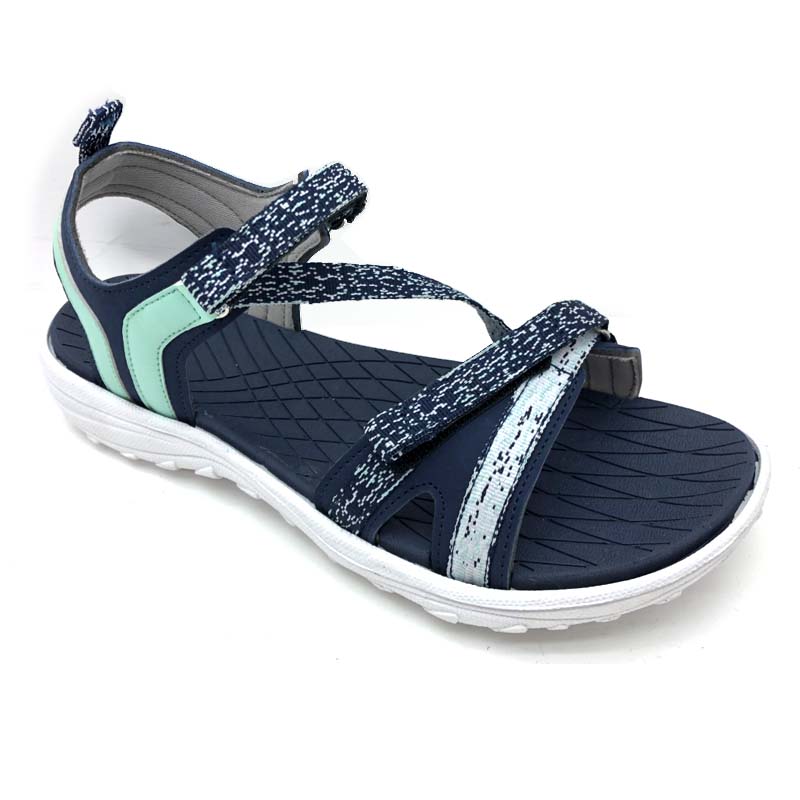
How to Inspect the Sample
Inspect the sandal against the controlled specification and intended approval gate, then record the evidence needed to reproduce the accepted result. The key risk is approving appearance while construction, fit or pack-out remains undefined.
- Which approval gate is this? Ask whether the item is a first, revised, size-set or pre-production sample. The factory should provide the sample ID and revision; if the gate is unclear, pause the sign-off and relabel the sample.
- Does every component match the approved reference? Compare the upper, strap, footbed and outsole with labeled material and color records. A mismatch can change feel, appearance or production consistency, so record the deviation and request a corrected sample or written acceptance.
- Has fit been checked beyond one presentation size? Review the target market, reference size, footbed dimensions, strap position and proposed size-set evidence. Hold bulk release when the supplier cannot show how grading will be verified.
- Are artwork and packing production-ready? Inspect logo placement, print or finish, labels, retail packing and carton marks under the same revision. Missing pack-out proof can create late rework, so request one complete packed sample.
- Can the factory repeat the approved sample? Ask which material, process and QC records will accompany production. Keep the approved item and evidence package as the baseline for final inspection and reorders.
The official BIS page for the sandal and slippers specification IS 6721:2023 provides an authority reference for product requirements, while the buyer’s approved specification remains the order baseline. Review the relevant footwear products before carrying the accepted sample record into the wider sourcing decision.
Evidence and Approval Records to Keep
During quote review, the output that must exist before the next stage is a signed approval record that ties the sample ID, spec revision, material codes, artwork version, and packing reference to the order scope. Without this record, a reorder or bulk production has no verified baseline, and spec drift becomes the default outcome.
- Document the sample approval gate. Record the sample number, date, and the exact revision of the spec sheet, artwork file, and material list that were approved. Risk: a verbal approval or email thread can be misinterpreted, leading to production using an outdated file. Verification: request a signed approval form that names the file revision and the person who approved it.
- Keep the physical or digital proof of material and color. Retain the approved color swatch, Pantone reference, or material sample alongside the signed record. Risk: a reorder may match the wrong shade if only a photo was kept. Verification: ask the supplier to store a sealed reference sample and provide a photo with the color code in the approval file.
- Archive the QC inspection plan and results. Store the incoming, in-line, and final inspection criteria, defect definitions, and the signed pass/fail report for the approved sample. Risk: without this, a future order may be inspected against a different standard. Verification: request a QC report that references the sample ID and lists the measured tolerances and acceptance results.
- Maintain a change-control log. Record every deviation, substitution, or revision after sample approval, including the date, reason, approver, and impact on cost or schedule. Risk: unapproved changes can enter production silently. Verification: ask the supplier to provide a dated log that shows the affected field, disposition, and the buyer role who authorized it.
- Preserve the reorder baseline. Keep the complete approval package—sample ID, spec revision, material codes, artwork version, packing reference, QC report, and change log—as the starting point for the next order. Risk: a reorder that copies an old purchase order may inherit outdated specs. Verification: before releasing a reorder, compare the current package against the archived baseline and document any differences.
An external shoe sample approval checklist before bulk production can be used as a comparison point while keeping the project-specific acceptance record authoritative. After these records are in place, review OEM and ODM footwear manufacturing before transferring the approved sample record into production.
Bulk Production Risks and Change Control
The supplier’s change-control ledger is the proof that separates a capable partner from a costly bulk production failure. Shortlist only suppliers that document every material, artwork, and construction change with a dated approval record. Without this, a small adjustment in production can drift the order away from the approved sample, causing rework, delays, or returns.
The confirmed baseline MOQ is 1,000 pairs per category, but each style, colorway, size run, material, and packing schedule may adjust the minimum. Verify the supplier’s current MOQ allocation before releasing the order.
- Material substitution – risk if the supplier changes a component without notice. Request a material confirmation document that lists every component code and supplier. If a change is needed, require a new sample approval.
- Artwork and color changes – risk if the factory uses a different shade or print version. Compare the approved artwork file revision number against the production file. Require a signed deviation for any variation.
- Size-run consistency – risk if the grading drifts across sizes. Measure each size sample against the approved grading chart. Document any deviation and obtain written approval before production.
- QC plan – risk if the supplier does not have a documented incoming, in-line, and final inspection plan. Request the QC plan and check that it references the approved sample and spec revision.
In the sample room, the supplier should measure each size against the approved grading chart using a calibrated footbed gauge. If any measurement deviates from the spec, the supplier must document the variance and obtain written approval before proceeding to the next size. This factory-side check prevents the common failure of approving a sample that fits only one size while the rest of the run drifts off spec.
Use these checks to shortlist only suppliers that return traceable evidence. For the full factory capability and quality control process, review the KEYTOP factory. For a detailed QC checklist, refer to the Footwear Inspection: Quality Control and PSI Checklist.
RFQ Handoff and Supplier Questions
The RFQ handoff should give the factory one controlled sample baseline and require a written response to every production assumption. An incomplete handoff exposes the buyer to the risk that the quotation, approved sample and bulk construction describe different products.
- Attach the approval package. Send the sample ID, specification revision, labeled component references, size-set decision, artwork and complete packing file. Ask the supplier to confirm that the same revision is being priced.
- Request the production interpretation. The factory should identify materials, tooling, construction, outsourced processes and any proposed substitution. If an answer differs from the approved sample, require a change record and disposition.
- Define the QC evidence. Ask which incoming-material, in-line and final-inspection records will be available and who owns each check. Hold the order when critical controls have no proof or owner.
- Confirm readiness conditions. Separate buyer-supplied files and approvals from factory-controlled material and line readiness. Record open conditions beside the quotation rather than treating them as accepted.
- Return a decision. Approve the RFQ basis, request clarification or require another sample. Keep the response with the purchase order so later changes can be compared with the same baseline.
Use the sandals products to send the approved construction, evidence package and target schedule for factory review. A supplier should enter the final comparison only when its quote, sample and production controls describe the same item.
In conclusion
A sandal sample is ready for approval only when the signed record identifies the sample, specification revision, upper and strap materials, footbed and outsole references, size and fit checks, artwork version, packing reference and every accepted deviation. That record—not memory, chat history or a showroom sample—should become the baseline for bulk production and reorders.
Before releasing the quote request or purchase order, confirm that quantity, sample and production timing, material assumptions, quality checkpoints and any setup charges match the approved construction. Hold the order when a supplier cannot connect its quotation to the same specification and approval trail.
Send the final package with the approved sample record, labeled component references, size-set decision, artwork, packing file and target schedule. This gives the factory a checkable production brief and gives purchasing a clear basis for approving, resampling or rejecting a change.
Frequently Asked Questions
What inputs should buyers confirm for sandal sample approval?
Buyers should confirm material options, width tolerance, print/finish limits, and MOQ per category. KEYTOP baseline MOQ is 1,000 pairs per category, but confirm by style, colorway, size run, material, packaging, and production schedule. The risk of inconsistent specs is rework. Verify the sample against the approved spec sheet and include these inputs in the quote request.
What sample evidence is needed for sandal sample approval?
Sample evidence must include a signed approval record tying sample ID, spec revision, material codes, artwork version, and packing reference. Without this record, reorder or bulk production has no verified baseline, and spec drift becomes the default outcome. Check that the record exists and is traceable, then shortlist the supplier only after evidence is documented. Use this record to verify consistency across future orders. Approving the wrong structure or supplier proof can create quality, cost, or delivery problems.
What should be included in a sandal sample approval RFQ?
The sandal sample approval quote request should include confirmed specs, sample lead time, minimum order, setup fees, bulk lead time, and packing method.
KEYTOP’s sample lead time is 7-15 days after requirements confirmed, and production is 35-45 days after sample approval.
Missing details risk delays, so verify all variables with the supplier and compare quotes against documented capability.
Request a written confirmation from the factory and use the quote request to shortlist only suppliers that provide traceable evidence.
Does the side profile look too flat, too bulky, or too narrow?
Check the side profile against the approved spec and reference sample. Any deviation from the agreed tolerance should be flagged and revised before approval. The risk is ill-fitting sandals causing returns and comfort issues. Verify using a side profile gauge or compared photo, and document the deviation to request a revised sample if needed. The condition is that the side profile must match the approved design within the defined tolerance.
quote request handoff: Send Specs for Review.