










Outdoor footwear OEM specification needs a written specification before the buyer can prepare quote-ready specifications before contacting suppliers; otherwise suppliers may quote different product and approval assumptions.
This guide connects outdoor footwear OEM specification to parameters, cost impact, supplier risk, factory process, and procurement advice.
Direct answer: For outdoor footwear OEM specification, prepare the RFQ by locking measurable specifications, sample evidence, packing details, quantity terms, and approval checkpoints before requesting a supplier quote.
Quick Decision: Lock the RFQ Inputs
An outdoor-footwear quotation is comparable only when every supplier receives the same application, construction, quantity, approval and packing inputs. The buyer risks price changes and missed launch dates when a factory must fill gaps with its own assumptions.
- Product and use: send the intended market, lifestyle or outdoor use, upper, lining, outsole, joining method, size range and fit reference. Ask the supplier to mark any assumption or unsupported performance claim, then clarify it before material selection.
- Quantity and allocation: state pairs by style, colorway and size run. KEYTOP’s baseline MOQ is 1,000 pairs per footwear category, subject to confirmation by material, packaging and production schedule. Ask whether the proposed allocation fits production, then revise the range or quotation if it does not.
- Artwork and packing: attach authorized logo files, color standards, labels, box or bag details, inserts and carton marks. Ask which proof rounds and setup costs are included, then lock the approved files before bulk material commitment.
- Sample and size-set gates: identify the reference sample, required revisions, sizes to review and buyer sign-off owner. Ask which evidence will be returned at each gate, then hold production until the agreed record is complete.
- Timing and cost basis: separate tooling, materials, sample work, tests, packing and freight assumptions. KEYTOP’s standard production lead time is 35–60 days after the stated approvals and readiness conditions are confirmed. Ask for a dated milestone plan and recheck it after any specification change.
- Inspection evidence: define incoming-material, in-line and final-inspection expectations. For sampling plans, buyers can reference the ISO 2859-1 sampling inspection standard and agree the actual inspection level and acceptance criteria for the order.
Return the checklist with inclusions, exceptions, proof owners and timing conditions marked. Only then should procurement compare unit price or release a sample.
Product and Application Requirements
An outdoor-footwear quote request should describe the intended environment and product limits before it names materials or tests. The supplier can then interpret the upper, lining, outsole, fit and construction against one declared use case instead of guessing what hiking, weather-ready or multi-use means to the buyer.
Separate the consumer promise from the evidence available for the style. If water resistance, grip, cold conditions or another performance attribute matters, state the target market and ask which product-specific test method, sample condition and acceptance result will be used.
| RFQ input | What to define | Exposure if vague | How to verify | Buyer follow-up |
|---|---|---|---|---|
| Use environment | Terrain, climate, wear duration and retail promise. | The supplier may select a construction that fits the image but not the application. | Require a written interpretation and evidence for every performance statement. | Clarify unsupported claims before material selection. |
| Construction and fit | Upper, lining, outsole, joining method, target market, size run and fit reference. | Quotes cannot be compared when construction or grading assumptions differ. | Review the component list, cross-section, reference last and size-set controls. | Freeze the accepted construction before final pricing. |
| Appearance and pack-out | Color, finish, authorized artwork, labels, retail packing and carton marks. | Late presentation changes can trigger rework, new proofs and shipment delay. | Approve labeled swatches, artwork proofs and one complete packing sample. | Attach the approved revision to the purchase order. |
An external shoe tech-pack checklist for OEM quotations provides a comparison point for quote request completeness. Use KEYTOP’s OEM and ODM footwear manufacturing route to align technical files, sample gates and production handoff, then require the supplier to return exceptions in writing.
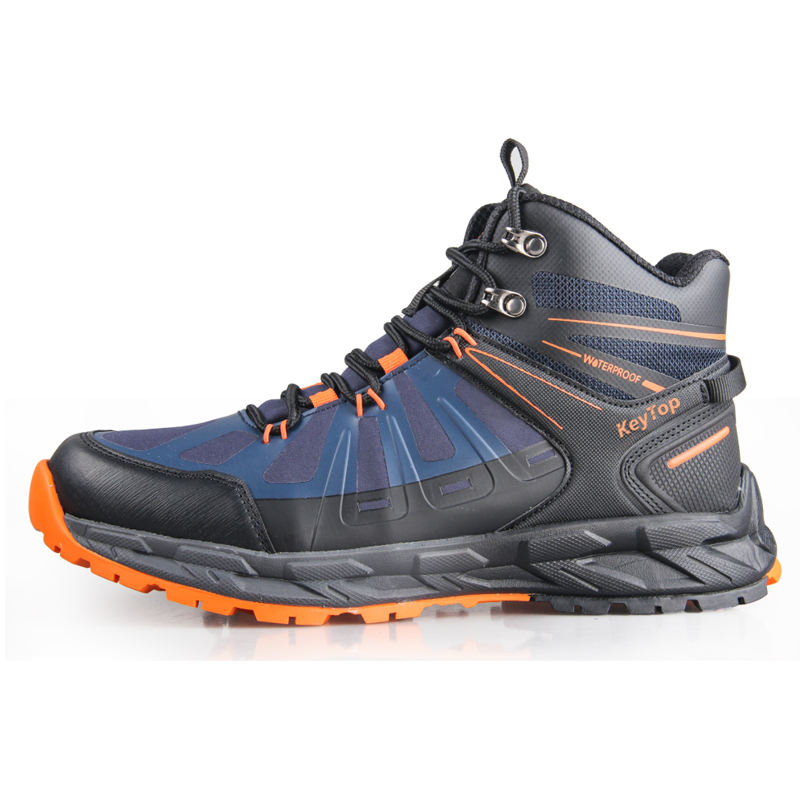
Specifications That Change the Quote
- How do you verify that the production sample matches the approved spec sheet and color swatch? Without a verified match, bulk production may ship off-spec goods. Supplier provides a signed comparison report with measurements and color values. Rejected goods, rework costs, and shipment delays. Request the comparison report; hold sample approval until signed.
- What is the approval risk if the material data sheet is not submitted before production? Substandard material causes premature wear, returns, and brand damage. Supplier submits MDS with test results for each component. Accepting non-conforming material leads to quality failures. MDS must be approved before production start; if missing, hold release.
- How is the QC release documented before bulk shipment? Without a QC release, shipment may contain defective units. Supplier provides QC inspection report with pass/fail criteria and sample photos. Receiving defective goods, incurring return freight and reputation loss. Require QC report as part of shipping documents; do not release payment without it.
- What follow-up action is required after sample approval but before bulk production? To ensure all changes are captured before production. Supplier updates the tech pack with approved sample comments. Changes may be missed, leading to production errors. Document sample approval comments and update the tech pack revision.
Review private label footwear programs before carrying the approved specifications that change the quote requirements into the wider outdoor footwear oem specification sourcing decision.
Sample and Document Approval
During quote review, the sample and document approval record is the output that must exist before the next stage. A supplier that cannot produce a signed spec sheet, approved physical sample, and material confirmation is not ready for the shortlist. The risk of proceeding without this record is that bulk production may use a different construction, material, or color than what was quoted.
- Compare the sample against the spec sheet. Request the supplier to issue a signed material and construction confirmation document that matches the sample. If the factory cannot produce this, hold the shortlist.
- Verify artwork and color approvals are traceable to a signed reference. Keep the approved artwork file, color swatch, and size-run record in the same file as the sample approval.
- Confirm that the lead-time clock starts only after all approvals are signed. Document the approval date and keep a signed record to avoid schedule drift.
- Ask the supplier to retain the approved spec sheet and physical sample in the sample room to check reorder consistency. This factory-side check prevents spec drift in repeat orders.
- Before closing the checkpoint, reconcile the latest drawing, sample, quotation, and approval comments. Identify which record controls if they disagree, and document the resolution. Carry the signed record into the purchase order and production handoff.
For more on how these checks connect to factory capability, review the KEYTOP factory page. Shortlist only the supplier that returns traceable sample IDs, a signed spec sheet, and a material confirmation document. Send the missing record back before quotation or sample release.
Cost, MOQ, and Lead-Time Drivers
Cost changes when the buyer submits an incomplete specification, because the supplier must quote with assumptions that shift MOQ, sample timing, and production schedule.
Shortlist suppliers that can confirm three signals: how MOQ is structured by material and process, what sampling and bulk lead times are locked,
and how rush orders or reorders are handled.
MOQ structure by material and process
minimum order is not a single number. It depends on material sourcing—custom outsole molds vs. standard components—and process requirements such as new lasts or existing tooling. The baseline is 1,000 pairs per category, but the supplier must confirm by style, colorway, size run, material, packaging, and schedule. Risk: assuming a uniform minimum order leads to cost surprises. Verify: request an itemized minimum order breakdown by material and process in the quote request. Buyer action: approve only when the breakdown matches the spec.
Sampling and bulk lead-time assumptions
Sample lead time is 7–15 days after usable specs are confirmed; standard production is 35–45 days after specs, sample approval, material assumptions, packaging, and production slot are confirmed. Risk: if the spec is incomplete, the clock resets. Verification: confirm that the supplier’s lead-time clock starts only after all approvals are signed. Buyer action: document the approval date and keep a signed record to avoid schedule drift.
Rush-order and reorder constraints
Rush orders may require expedited material sourcing or overtime, affecting cost and schedule. Before committing, verify production slot availability. Reorders must compare the current spec against the approved golden sample and material records. In the sample room, ask the supplier to retain the approved spec sheet and physical sample to check reorder consistency. For a template that supports reorder traceability, review the Footwear Tech Pack Guide. Buyer action: include reorder triggers in the quote request and confirm the reorder protocol before the first order.
RFQ Handoff and Supplier Questions
At sample approval, the supplier must return a signed spec confirmation that validates each quote request line—outsole material, upper construction, size run tolerance, and packaging—against their production capability. This document is the gate before quote comparison: without it, the buyer cannot shortlist a factory with confidence.
- Request the supplier to complete a spec confirmation form that matches your quote request lines. Include fields for material sourcing feasibility, mold availability, and QC checkpoints.
- Verify that the supplier’s itemized cost breakdown by material and process aligns with the confirmed spec. A mismatch indicates an assumption that will shift the quote.
- Confirm that the lead-time clock starts only after the signed spec confirmation is returned. Standard production lead time is 35–45 days after all approvals are signed.
- Ask the supplier to document the reorder protocol, including how they retain the approved sample and spec sheet for future consistency.
- Shortlist only suppliers that return the signed confirmation within 5 business days. Delays signal poor coordination or incomplete capability.
In the sample room, the buyer should ask the supplier to compare the spec confirmation against the physical sample and mark any deviation on the document before approving the sample. This step prevents rework and aligns the quote request handoff with production reality. For a deeper guide on communicating with Chinese outdoor footwear manufacturers, see B2B Procurement: Chinese Outdoor Footwear Guide. Then use the confirmed spec to shortlist the factory and proceed to quote comparison on our outdoor footwear page.
In conclusion
The sourcing choice for outdoor footwear OEM specification rests on verifying that every requirement—style, colorway, size run, material, packaging,
and production schedule—is documented and matched to an itemized minimum order breakdown by material and process.
Cost surprises arise when the supplier quotes on assumptions
the buyer avoids that risk by approving only a breakdown that aligns with the spec and confirming that sample and bulk lead times start only after all approvals
are signed.
Quality risk is controlled when the supplier provides evidence: approved marked sample, spec sheet, color swatch, material data sheet, and size tolerance check.
Before production, the buyer should confirm that the spec sheet, approved sample, and QC checkpoints are consistent and signed off.
A supplier that can document these signals—minimum order structure, locked lead times, and reorder protocol—is ready for the handoff.
Shortlist the supplier that meets these proof points and proceed to sample approval.
To shortlist a supplier, visit outdoor footwear and confirm the final specification, quote assumptions, sample approval, QC evidence, approval risk, and supplier follow-up before bulk order.
Frequently Asked Questions
What inputs should buyers confirm for outdoor footwear oem specification?
Buyers should confirm style, colorway, size run, material, packaging, and production schedule for the outdoor footwear OEM specification.
The baseline minimum order is 1,000 pairs per category, but the supplier must confirm by each variable to avoid cost surprises.
Verify by requesting an itemized minimum order breakdown by material and process in the quote request, and approve only when the breakdown matches the spec.
Ask how QC will check the sample, color, finish, packing, and bulk order.
What sample evidence is needed for outdoor footwear oem specification?
Sample evidence needed includes the approved marked sample, spec sheet, color swatch, and material data sheet. Sample lead time is 7–15 days after usable specs are confirmed. Risk: substandard material causes premature wear or returns. Verify by requesting the material data sheet for approval and confirming size tolerance with a calibrated size stick and fit test. Then request a size run sample to confirm tolerance limits.
What should be included in a outdoor footwear oem specification RFQ?
The quote request should include style, colorway, size run, material, packaging, production schedule, and an itemized minimum order breakdown by material and process.
The baseline minimum order is 1,000 pairs per category, but the supplier must confirm by each variable.
Risk: incomplete specification leads to cost changes.
Verify by comparing the quote request against the supplier’s itemized breakdown, and confirm that sample and bulk lead times are locked after all approvals.
What should buyers verify before approving outdoor footwear oem specification?
Before approving, buyers should verify that the spec sheet, approved sample, material data sheet, and size tolerance are consistent and signed off. The lead-time clock starts only after all approvals are signed, so document the approval date and keep a signed record. Risk: inconsistent approvals cause production delays. Reconcile the latest drawing, sample, and quotation before closing the checkpoint.
Which construction, materials, and outsole direction are expected?
Expected construction includes upper, lining, midsole, outsole, and closure details; each material should be specified with a data sheet and outsole direction indicated on the spec. The supplier needs clear construction steps to avoid mold errors. Verify by requesting the outsole drawing and mold confirmation. Follow up by confirming mold availability and the minimum order for custom outsoles, which the buyer records in the quote request. Ask how QC will check the sample, color, finish, packing, and bulk order.
quote request handoff: Send Specs for Review.