
For a repeat sneaker order, a changed fit, material, colorway or packout can invalidate the affected approval. Compare the affected shoe or material sample, size evidence or packing proof with the corresponding accepted reference before authorizing bulk production.
Retail chain buyers, ecommerce footwear brands, and sourcing companies can use the same record to compare casual sneakers without treating a prior approval as proof for changed output.
Use REORDER-LOCK: Reference order, Evidence baseline, Options and colorways, Data and size run, Expected materials, Record of packaging, Line/sample recheck, Owner release, Change triggers, and Keep/archive. Every pass states what stayed the same, what changed, who approved it, and which checks reopened.
This guide covers B2B reorder control. It does not infer future sell-through, set one universal size ratio, or claim that an old retained sample proves a new material lot or production run.
Is this sneaker reorder unchanged, changed, or a new variant?
Choose the route before reusing any prior approval. An unchanged order preserves every controlling input; a controlled change reopens the affected proof; a new sellable variant requires its own identity and release decision.
Key takeaways
- Start from the last accepted order and retained evidence, not from memory or the supplier’s current material list.
- Approve the commercial change and the physical change separately: a new quantity or delivery date does not approve a changed color, size ratio, material, or carton.
- Reopen affected checks after any change; keep unchanged controls linked to the same reference IDs.
Decision rule
Size identity needs a declared system and measurement basis. ISO 9407:2019 defines Mondopoint designation and marking from measurements of the foot the footwear is intended to fit. It supports recording the sizing basis; it does not prescribe the buyer’s SKU ratio or prove that the last and grading are unchanged.
Specification release matrix
| Spec | Acceptable range or state | Risk to avoid | Verification check | Follow-up |
|---|---|---|---|---|
| Style, colorway, and item identity | Exactly the approved IDs, or a declared new variant/change | Wrong SKU is ordered, packed, or listed | Reconcile PO, product file, color standard, labels, and item data | Correct IDs or open a new-variant route |
| Size system, last, grading, and ratio | Same signed basis, or buyer-approved changed chart and breakdown | Fit drift or inventory imbalance | Compare last ID, grading chart, boundary-size evidence, and SKU quantity total | Reapprove affected sizes and ratio |
| Materials, components, color, and finish | Same approved specification and reference, or documented substitution | Appearance, fit, wear, or cost changes silently | Check declarations, lot/reference IDs, retained sample, and affected tests | Hold or run substitution approval |
Pair, shoebox, labels, inserts, and master carton. Use this option for same signed packout and data, or approved change. The main risk is mis-pairs, mislabels, carton mismatch, or receiving disputes. Verification requires pack a sample and reconcile item, size, color, box, label, quantity, and carton mark. The Follow-up is to correct data/packout before release.
Figure 1. REORDER-LOCK specification matrix. The buyer defines the acceptable state; this guide does not invent one tolerance for all sneakers.
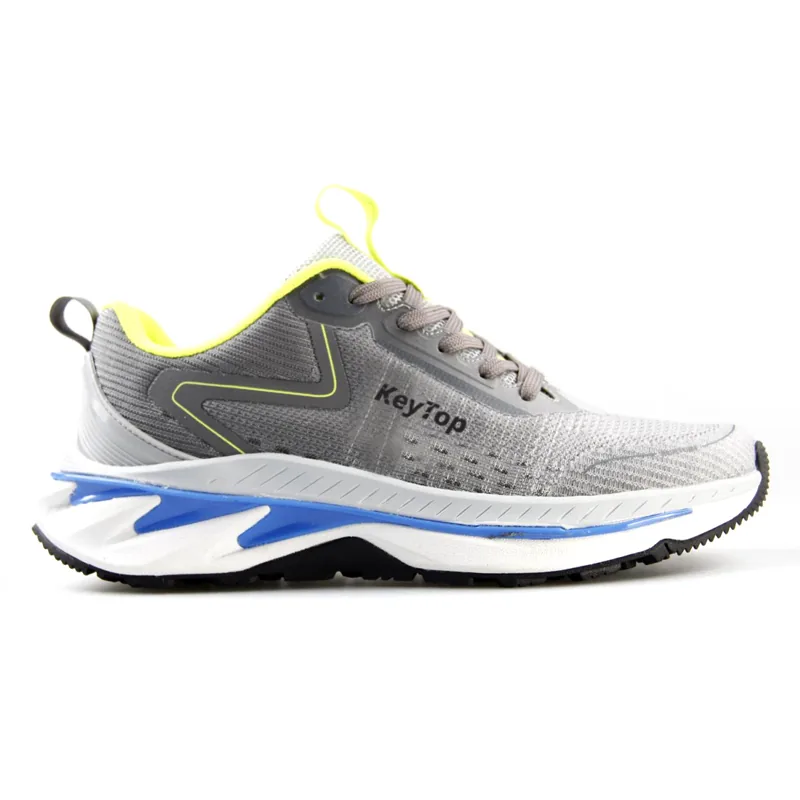
How should the buyer route a reorder change?
Counterintuitive rule: the smallest visible change may need the largest data review. A new color, size, pack quantity, or seasonal version can alter item identity, labels, packing, inventory, and channel records even when the shoe construction is unchanged.
Lead time must be rechecked whenever a changed material, color approval, size/tooling need, packaging file, or order split adds a new dependency. Ask the supplier to separate base production timing from the buyer’s approval time and any reset event.
REORDER-LOCK route selection
Sizing conversion has evolved from older fragmented systems toward explicit foot-length-based guidance. ISO 19407:2023 provides major-system conversion tables based on foot length and states that conversions are guidelines. Therefore a conversion table cannot replace the last, grading chart, boundary-size evidence, and buyer-approved SKU map.
Question: Is this an unchanged reorder, a controlled production change, or a new sellable variant? Why ask: each route reopens different checks. Risk reduced: a new item inherits old records. Expected answer or proof: side-by-side change declaration and item-identity decision. Follow-up: assign the correct approval route.
Controlled process
- Step 1 — Reference order. Owner/input: buyer PO, final specification, retained sample, QC release, packing list, and issue log. Risk to avoid: an incomplete baseline. Verification: reconcile IDs and missing records. Follow-up: stop until the reference package is complete.
- Step 2 — Change declaration. Owner/input: supplier and buyer list every changed and unchanged field. Risk to avoid: hidden substitutions or data changes. Verification: compare specification, BOM/material declarations, size ratio, color standard, packout, item IDs, price, and dates. Follow-up: route each change to an owner.
- Step 3 — Evidence route. Owner/input: sample, swatch, lab/strike-off where relevant, size/boundary check, packing sample, and QC plan. Risk to avoid: commercial approval without physical proof. Verification: test only applicable changed controls and record method/limitations. Follow-up: close or reopen each check.
- Step 4 — Release and archive. Owner/input: accountable buyer and supplier roles. Risk to avoid: verbal approval or overwritten history. Verification: confirm signed revision, open deviations, order scope, and change triggers. Follow-up: release the PO and retain the evidence package.
For related specifications, sample inputs, and RFQ details, review OEM and ODM footwear manufacturing.
RFQ checkpoint
Compare the prior order, declared changes, size-and-color quantity map, proof status, and open deviations before release.
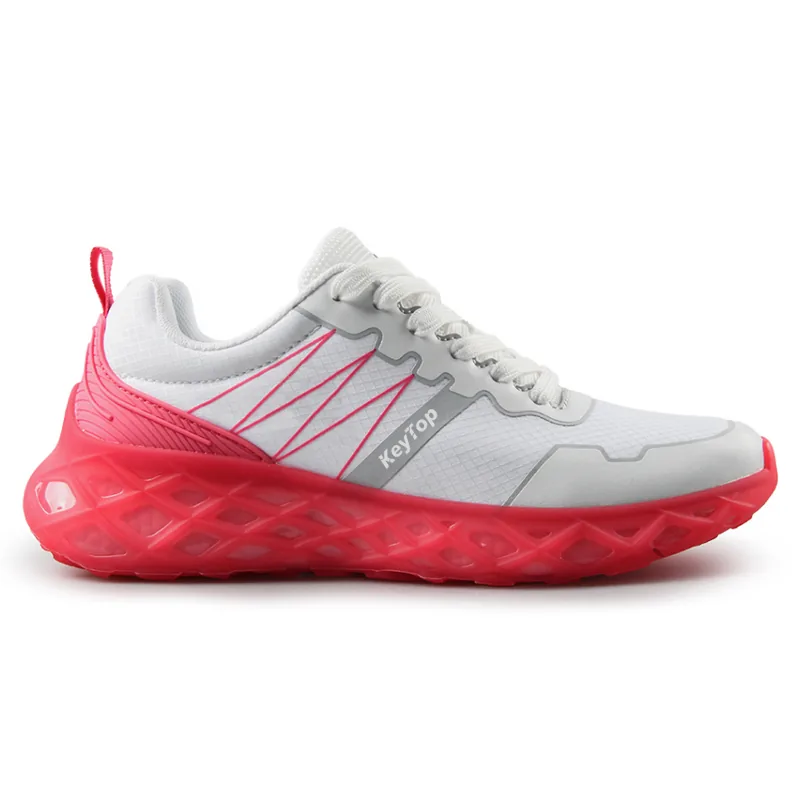
What must the reorder specification lock?
The specification should make change control visible. The GS1 GTIN Management Standard 1.1, ratified in September 2023, covers trade-item identity and rules including new products, dimensional/gross-weight change, pack/case quantity, and predefined assortments. It also notes that local requirements supersede the minimum standard. Use the brand owner’s item-data decision; do not assume the factory may reuse an identifier because the upper looks similar.
- Approval item: style/colorway/item identity. Change risk: the wrong sellable variant or label is produced. Who signs off: brand item-data and merchandising owners. Verification check: reconcile PO, SKU/GTIN decision, color name/code, artwork, and channel data. Follow-up: correct or create the item record.
- Approval item: last, grading, size system, and size-run quantity. Change risk: fit or inventory allocation drifts. Who signs off: product/fit and merchandising owners. Verification check: compare last ID, grading chart, boundary-size evidence, ratios, and line totals. Follow-up: reapprove affected sizes and quantities.
- Approval item: materials, components, color, and finish. Change risk: physical output, quote, or testing need changes. Who signs off: product, sourcing, and quality owners. Verification check: compare declarations, references, retained sample, and applicable test plan. Follow-up: run substitution/change approval.
- Approval item: packaging, pack/case quantity, labels, and carton. Change risk: receiving, identification, shipping, or storage mismatch. Who signs off: operations/item-data and supplier packing owners. Verification check: pack an identified pair and reconcile all data and quantities. Follow-up: correct the packout and update relevant records.
Commercial fields belong in the same record: KEYTOP’s MOQ for casual sneakers is 1,000 pairs per style, color and size, with no mixing; sample planning is 7–15 days after sample requirements and usable specifications are confirmed; standard production is 35–45 days after specifications, sample approval, material assumptions, packaging, and production slot are confirmed. Ask which change restarts sampling, pricing, or scheduling.
Which gates must reopen before production?
Run the reorder as a four-gate handoff. First reconcile records; second approve changed evidence; third inspect the production transfer; fourth release the identified order. A pass in one gate does not close another.
Four-gate handoff
| Gate | Evidence | Hold condition | Release action |
|---|---|---|---|
| Reference gate | Last order, final spec, retained sample, issues, QC and packing records | IDs conflict or a critical baseline is missing | Reconcile before quotation |
| Change gate | Declared differences and targeted sample/proof results | A changed input carries the old approval | Approve, revise, or reject each change |
| Transfer gate | Production materials, size/color/label controls, packout, and QC plan | Line inputs do not match the signed reorder | Hold and correct production setup |
Release gate. Request order ids, quantities, open deviations, approvals, archive and triggers. Hold approval if no accountable owner or defined scope. The release owner must release only the identified order.
Figure 3. REORDER-LOCK gate ledger. Keep the failed row and link its corrective action instead of replacing history.
Changed-input sample reapproval matrix
Use the changed field to choose a targeted sample check. The supplier provides current evidence; the named buyer approver decides whether it closes the change. An unchanged prior sample is a baseline, not proof that a changed input has passed.
| Change trigger | Current sample or proof to recheck | Decision owner | Hold condition |
|---|---|---|---|
| Color standard, material lot, or component source changed | Compare a current swatch or affected sample with the signed color and material reference; request the changed component record and any buyer-required test evidence. | Supplier material/QC owner presents evidence; buyer product approver signs the affected colorway. | Hold that colorway until the current reference and any required checks are accepted. |
| Last, grading, size system, or size-run boundary changed | Compare the current size chart, declared measurement method, and affected boundary-size sample against the approved fit reference. One sample size cannot prove the whole run. | Supplier development owner records measurements; buyer fit approver signs the affected sizes. | Hold affected sizes when the grading basis or comparison evidence is missing. |
| Construction, tooling, bonding route, or production process changed | Compare a current construction sample with the signed build and identify the affected inspection or test requested by the buyer; record the changed process owner. | Supplier technical/QC owner supplies the change record; buyer technical approver releases the affected build. | Hold bulk release for the affected build until the change and its checks are approved. |
| Logo artwork, label, box, barcode, or carton packout changed | Review the current artwork proof and a packed sample; match style, color, size, item data, label, box, quantity, and carton mark to the signed order file. | Supplier packaging owner prepares the proof; buyer brand/data approver signs the current revision. | Hold the affected packout when the proof, item identity, or scan/data check is unresolved. |
Figure 4. Reopen only the checks affected by the declared change; retain the approver, evidence ID, disposition and date with the reorder record.
Ledger and calculation method
First-party data method: record number of changed fields, applicable checks, first-pass approvals, reopened checks, sample rounds, request date, approval date, production release date, defect/change class, and responsible cause. Calculate first-pass closure as checks passed on first review divided by applicable checks; calculate change-related reopen share as reopened changed checks divided by closed changed checks. This article publishes the method and fields, not invented Keytop batch statistics.
Which records should the supplier return?
A useful answer names the record, owner, verification method, hold condition, and release instruction. “Same supplier” or “same quality” is not enough because materials, personnel, tooling, data, and production conditions may change between orders.
- Which final order and physical sample are you using as the baseline? Expect matching order, specification, sample, color, size, and packing IDs. Stop if the supplier cannot identify them.
- What changed since the last accepted order? Expect a field-by-field declaration covering suppliers, materials, components, color, last/grading, artwork/data, packout, price, timing, tooling, and production location.
- Which evidence will be repeated for each change? Expect an order-specific plan, method, acceptance owner, and stated limitation—not a claim that the old sample still applies.
- How will size/color pairs and cartons be protected from mix-up? Expect item identities, packing instructions, line controls, inspection records, and discrepancy handling.
Superseded-record control: require revision control, archive or quarantine rules, accountable owners, and a retained release package. If an old file can re-enter production without a recorded exception, hold the supplier response and assign the correction before order release.
Compare supplier replies by record completeness, ownership, and stop authority—not by how confidently the factory says the reorder is “the same.” Shortlist only the supplier that returns traceable baseline IDs, a change declaration, the affected evidence plan, pair-and-carton controls, and archive rules; send the missing record back before quotation or sample release.
To request a sneaker reorder sample recheck, send the previous approved sample ID, the changed fields, the current sample or proof IDs, and the open buyer decisions through private label footwear programs. Ask which affected checks must pass before this order can move to bulk production.
In conclusion
REORDER-LOCK makes the sneaker reorder decision explicit: preserve the accepted baseline, identify every changed input, repeat the affected proof, transfer the correct records to production, and release only the named order. “Same as last time” is not evidence.
The cost driver is the change route: material or tooling changes, added sample/proof work, revised size ratios, split packing, label or box replacement, and schedule resets should appear as separate quote assumptions. Compare the revised price only after those assumptions are aligned.
The final handoff is a signed reorder package that marks each field unchanged, changed, approved, held, or not applicable. Use the retail footwear sourcing when colorway, size-run, item data, packing, and delivery planning must be aligned. Send the REORDER-LOCK ledger, prior order reference, proposed changes, quantity map, proof status, and open deviations with the RFQ so a visually similar sneaker cannot carry the wrong sizes, identity, materials, or packaging.
Sneaker reorder FAQ
What should buyers verify before order release?
Verify the baseline order and sample IDs; declared changes; style/color/SKU or GTIN decision; last, grading, and size ratio; material and component references; labels, shoebox and carton; targeted samples or proofs; QC and packout controls; open deviations; quantities; approvers; and archive. Hold release if a changed field still points to the old approval.
Which records should stay with the RFQ?
Keep the prior final order package, current change declaration, revised specification, item and size/color map, quotation assumptions, material/color references, sample and proof dispositions, QC plan, packing instructions, first-output checks, signed release, discrepancy log, and change triggers. These records make the next reorder comparable.
When must a reorder be treated as a changed product or variant?
Start a change decision whenever the consumer or trading partner must distinguish the result, a regulated or declared attribute changes, or the change materially affects supply-chain handling. The brand owner should apply the relevant GTIN and market rules; the footwear supplier should not decide identity by visual similarity alone.
RFQ handoff: Send the prior order reference, proposed changes, size-and-color quantity map, proof status, and open deviations for one reorder review. Send Specs for Review.