







Private label sneakers manufacturer comparisons fail when buyers start from catalogs instead of sample control, QC ownership, production change rules, and communication evidence.
For private label sneakers manufacturer, the useful proof is process ownership: who controls samples, printing or finishing, QC records, and production changes.
The checks below show what evidence to request before treating a supplier as quote-ready.
For importers and private-label footwear brands, keep private label sneakers manufacturer quote-ready: specs to send, proof to request, sample checks to approve, and reorder notes to retain.
Introduction
Before comparing private label sneakers manufacturers, use this table to align specifications, MOQ, sample approval, QC proof, and buyer follow-up.
| Specification | Quality control | Verification method | Risk to avoid | Buyer action |
|---|---|---|---|---|
| Finish or surface effect | Visual check under buyer-approved viewing conditions at 45° angle | Compare against sealed reference sample; measure gloss units | Color mismatch or uneven texture across production runs | Request physical finish chip before production approval |
| Artwork or logo file | Confirm vector format, minimum 300 DPI, no embedded fonts | Inspect artwork proof at full scale on material mockup | Pixelation, incorrect color registration, or misaligned placement | Submit final .ai or .eps file with PMS color callouts |
| Sample approval | Check all materials, measurements, stitching, and hardware against tech pack | Fit test on last, weigh, measure critical dimensions with calipers | Approving sample with unverified changes leads to bulk defects | Sign sample approval form and upload photos within the supplier-confirmed timeline |
Use this opening table to put sample, MOQ, material, size, and finish checks into one supplier comparison. The buyer should turn the selected rows into written RFQ lines: final structure, material, artwork, finish, packing, sample owner, and supplier evidence. If a row cannot be confirmed before sampling, keep it out of the bulk order decision until cost, lead time, and QC impact are clarified.
What Private Label Sneakers Manufacturer Means
- Provide detailed specs: upper, lining, sole, color, size run, branding. Incomplete specs cause multiple sample rounds and delayed approval. Specify suede or mesh upper; rubber outsole; size run US 5–12. Factory assumes standard components, leading to wrong sample and rework.
- Confirm MOQ per style, colorway, size run, and packaging. MOQ determines factory slot and unit price; under MOQ delays production. Baseline MOQ: 1,000 pairs per category; confirm by style and color. Order below MOQ gets rejected or repriced at higher per-pair cost.
- Specify sample and production lead times in days. Lead time affects launch planning, inventory, and cash flow. Sample: 7-15 days after spec approval; production: 35-45 days after sample sign-off. Unrealistic timelines cause missed market windows or rush charges.
- Identify cost drivers: materials, tooling, labor, packaging, transport. Understanding drivers helps negotiate target price and value engineering. Premium materials (e.g., leather vs synthetic) add a material share of unit cost. Hidden costs inflate landed cost and kill margin.
Keep these checks in the same approval record: schedule regular follow-ups: spec, sample, production, shipping milestones. Proactive follow-up prevents delays and maintains quality alignment. Weekly calls during sampling; biweekly during production. Communication gaps lead to last-minute changes and shipment delays. Define QC points: incoming material, in-process, final random inspection. QC reduces defects, returns, and brand reputation damage. Pre-shipment inspection per the agreed sampling plan; reject if defective rate exceeds an approved tolerance. Defective goods shipped, causing costly returns and lost trust.
Review private label solutions packaging path before sending the RFQ.
RFQ checkpoint
Ask buyers to send category, quantity, size run, material, branding, packaging, sample, QC, and timeline details for review.
Why It Matters for Buyers
- Key parameters buyers should define Defining parameters upfront prevents spec mismatches that cause costly sample revisions. Specify last shape, material type, sole construction, size run, and colorways. Ambiguous specs lead to samples that fail fit, appearance, or durability requirements.
- Cost and risk implications Understanding cost drivers and risks avoids budget overruns and production delays. Material costs, labor complexity, tooling fees, and QC failure costs are key factors.
- Factory-side procurement advice Factory insights on material sourcing and production planning improve delivery reliability. Factories recommend domestic materials for faster lead times versus imported ones. Ignoring factory advice may cause material shortages or incompatible production schedules.
- Specification details Complete specs ensure the factory produces exactly what you intend to sell. Include upper pattern, lining, insole, outsole, heel height, stitching, and branding placement. Missing specs cause rework and additional sample rounds, delaying launch by weeks.
Keep these checks in the same approval record: MOQ or order quantity MOQ determines minimum financial commitment and production feasibility per style. Baseline MOQ is 1,000 pairs per category; confirm by style, colorway, and size run. Ordering below MOQ may incur custom fees, long delays, or rejection by factory. Lead time Lead time dictates inventory planning, launch timing, and cash flow management. sample lead time: 7-15 days after specs confirmed; bulk: 35-45 days after sample approval. Unclear lead times cause missed retail windows and last-minute air freight costs.
Key parameters buyers should define
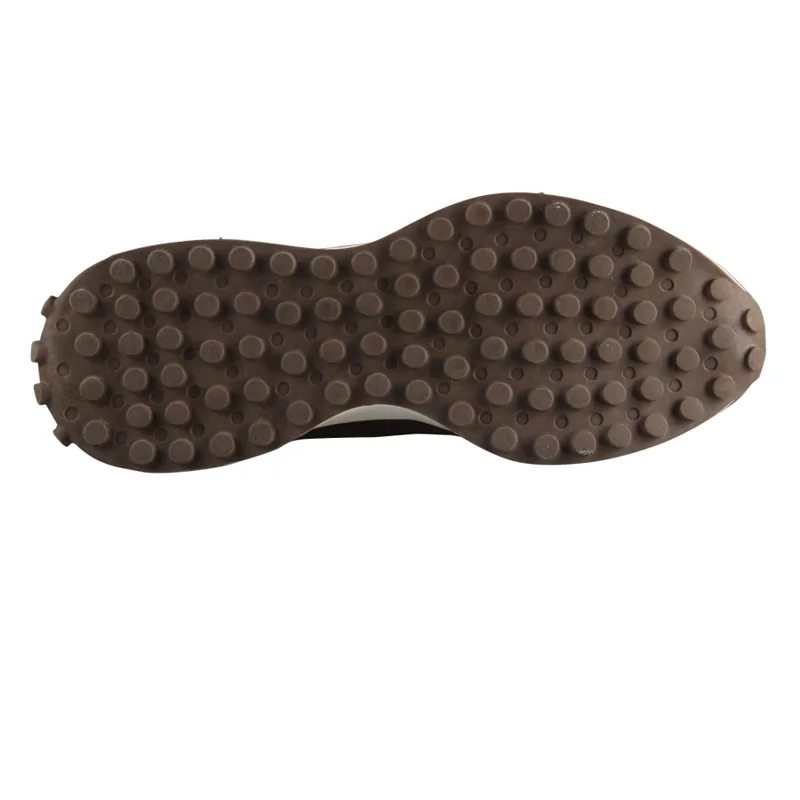
For private label sneakers manufacturer, use key parameters buyers should define to compare the physical shoe sample with the approved fit target, construction notes, material specification, and intended use.
Cost and risk implications
Put the stock or custom MOQ path, sample timing, bulk production range, tooling effect, and payment terms in the written quote.
Factory-side procurement advice
Before approving the private label sneakers manufacturer sample, record the measured fit, component specifications, test observations, revision owner, and signed production reference.
Review footwear products before sending the RFQ.
Key Considerations
- Confirm buyer’s brand registration, trademark status, and distribution rights for the target market. Ensures the private label order is legally compliant and protects against counterfeiting claims.
- Verify the supplier’s factory audit report, business license, and export compliance documents. Confirms the manufacturer is legally operating, has production capacity, and meets international trade standards.
- Provide a complete RFQ including target price, annual volume forecast, and preferred payment terms. Enables the manufacturer to calculate a precise unit price and production slot availability.
- Define upper construction, outsole material, lining type, and any custom last or mold requirements. Determines tooling cost, material sourcing lead time, and sample feasibility. Specifying a cupsole vs.
The written approval record should cover the minimum order quantity per style, colorway, and size run; check if split orders are allowed. MOQ directly affects inventory investment and cash flow; splitting across SKUs can reduce risk. Establish confirmed lead time from sample approval to shipment, including material procurement and production queue. Aligns with the buyer’s go-to-market calendar and avoids missed launch dates or retail penalties.
Review oem odm specification support before sending the RFQ.
Common Mistakes
- Verify sample color, material, fit, and construction against approved tech pack before sign-off. Avoids production of off-spec sneakers that require rework or order rejection. Check that KEYTOP sample matches specified upper leather, sole hardness, and size grading.
- Confirm production sample approval, material certificates, and packaging specs are transferred to production team. Prevents miscommunication between sampling and bulk manufacturing that causes delays or defects. For KEYTOP orders, verify that last code, colorway breakdown, and packing instruction are logged.
- Ensure reorder references the original approved specs, color codes, and size runs exactly. Maintains consistency across batches and avoids silent spec drift on repeat orders. Check that reorder PO cites the original style number, material codes, and packaging SKU.
- Provide full tech pack including upper materials, lining, insole, outsole, construction method, and size grading. Eliminates ambiguity in quote assumptions and ensures accurate pricing and lead time. For KEYTOP, specify whether outsole is rubber or EVA, stitch type, and heel height.
The written approval record should cover MOQ per style and colorway; KEYTOP baseline is 1000 pairs per category. Ensures factory can allocate production capacity and materials without premium charges. If ordering two colorways, confirm each meets the minimum or negotiate consolidation. Verify sample lead time (7-15 days after spec confirmation) and production lead time (35-45 days after sample approval). Aligns manufacturing schedule with your launch calendar and avoids stock-out penalties.
Move the approved private label sneakers manufacturer sample into a production handoff that lists the final common Mistakes files, material, structure, print, finish, packing, QC checkpoints, and schedule basis.
Review about us quality checks before sending the RFQ.
In conclusion
Sourcing a private label sneaker manufacturer demands systematic verification of specification alignment, MOQ feasibility, and cost transparency before committing to production. Buyers should confirm that the factory can execute their exact design requirements—including materials, construction methods, and packaging—while respecting minimum order quantities that typically start at 1,000 pairs per style. Securing a detailed RFQ that breaks down sample costs, unit pricing across order tiers, and any tooling or mold fees is essential to avoid budget overruns. Lead time expectations must be validated against the supplier’s confirmed production schedule, with sample turnaround of 7-15 days and bulk delivery within 35-45 days after final approval.
Supplier risk is mitigated by evaluating sample quality, communication responsiveness, and third-party audit documentation rather than relying on claimed capabilities. A structured sample approval process—covering fit, color, material, and packaging—serves as the primary proof point before a full production order is placed. For lifestyle sneaker programs, partnering with a manufacturer like KEYTOP that specializes in casual, private-label footwear provides a tailored approach without overpromising technical performance or unverified certifications. The final procurement handoff should include a signed spec sheet, agreed lead time, payment terms, and a QC checkpoint plan to ensure the factory delivers against the buyer’s brand standards.
Frequently Asked Questions
What factory capability checks should I finish before sending a private label sneakers manufacturer RFQ?
Before ordering, confirm the factory’s minimum order quantity per style, colorway, and size run. Verify that the manufacturer can produce your exact specifications, including materials, sole construction, and packaging, and request a sample to assess quality and fit before committing to bulk production. Confirm production lead time after specifications and sample approval are fixed. Separate material, setup, packing, freight, and reorder cost drivers in the RFQ.
Which sample or QC proof should buyers request?
Compare MOQ, lead time, and quotes by requesting a detailed breakdown for your specific program. For KEYTOP, baseline MOQ is 1,000 pairs per category, with standard production lead time of 35-45 days after sample approval. Confirm these numbers in your RFQ, as they vary by style, material, and production schedule.
Which details should buyers document before requesting a quote for private label sneakers manufacturer?
Development lead time for samples typically ranges from 7 to the supplier-confirmed timeline after you provide complete sample requirements and usable specifications. This timeline depends on the complexity of the design and material availability. Always confirm the exact sample lead time in your RFQ. Confirm MOQ and order quantity by color, width, artwork, and packing route. Separate material, setup, packing, freight, and reorder cost drivers in the RFQ.
Procurement note: Ask buyers to send category, quantity, size run, material, branding, packaging, sample, QC, and timeline details for review. Contact the team.